Advertisement
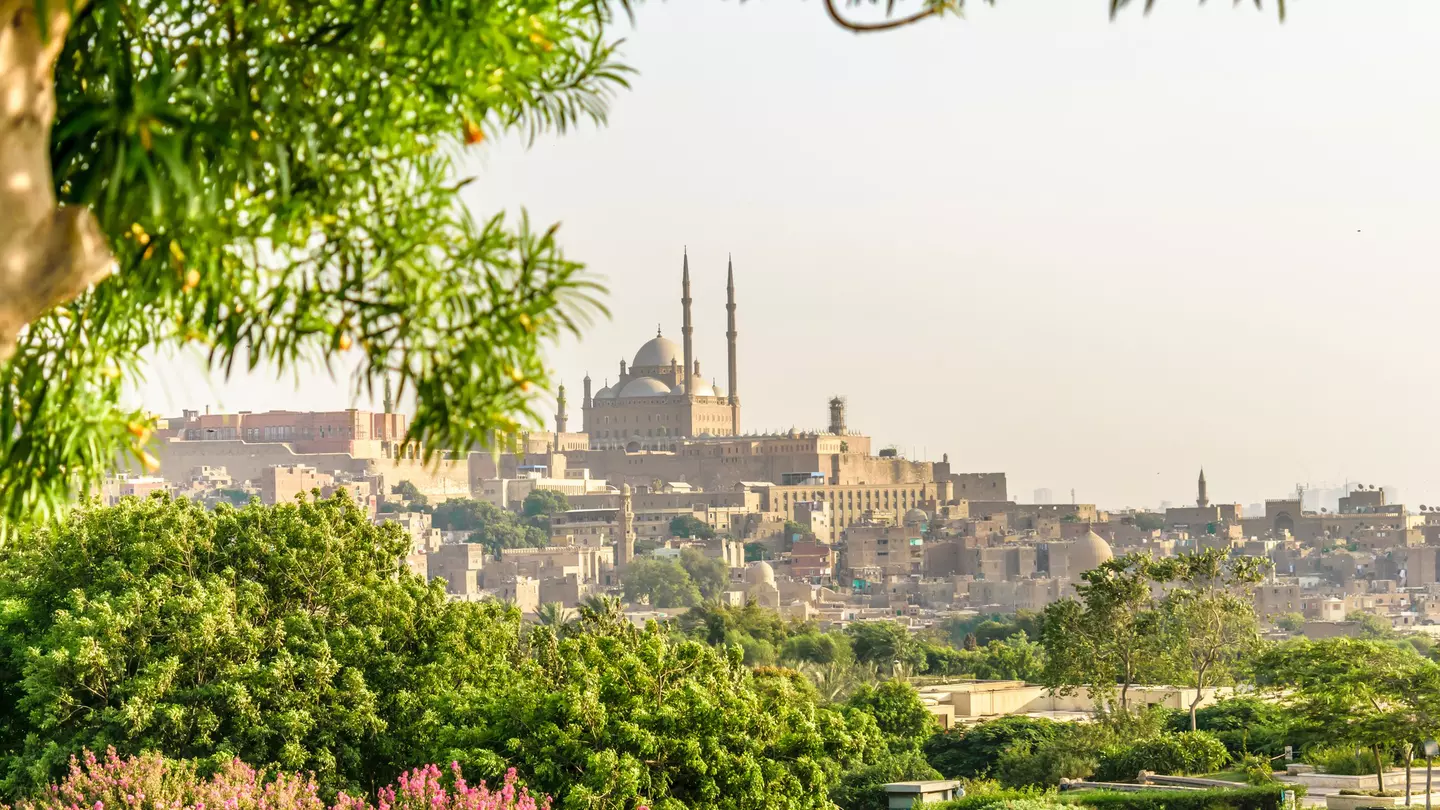
View of the Citadel from Al Azhar Park, Cairo. PiCPiCK/Shutterstock
Many travelers are understandably overwhelmed on their first encounter with Cairo. But this city rewards as much as it befuddles, with the splendor of its medieval Islamic architecture and ancient churches and the buzz of its street life and late-night crowds. Spend time here and you’ll understand why Egyptians call their country – especially its capital – umm al dunya, the mother of the world.
1. Eat like the Egyptians
Egyptians love to eat and appreciate good food. There are some must-try dishes in Cairo. There's fuul medames, a breakfast dish of fava beans stewed with tahini and seasoned with garlic, cumin and lemon. Fuul has been an Egyptian staple as far back as the 4th century where the beans were buried over embers to slow cook.
Advertisement
There’s also kushari, considered to be the national dish. It's usually made up of rice, lentils, macaroni, chickpeas, fried onions and a spicy tomato sauce. In Cairo, Abou Tarek is the place to go for kushari, although Koshary El Tahrir (7 Abbas El Akkad St) is also popular.
As for other restaurants to consider, Khufu’s has an incredible view of the Pyramids as well as a variety of distinct takes on traditional Egyptian dishes. Abou El Sid has branches across Cairo, but the Arabian palace-like decor makes the branch in Zamalek the top pick. The Circasian chicken in walnut sauce is a favorite, and this is the place to try the Egyptian speciality of pigeon. Zööba, which also has branches across Cairo, is good for quick and delicious street food dishes. Sachi, named Best Restaurant in Egypt by “The World’s 50 Best Restaurants” is also ranked in “MENA’s 50 Best Restaurants.”
Planning tip: The traffic in Cairo rivals New York and London and is especially hectic around dinnertime, so make sure to factor traffic in if you have a reservation.
2. Take a cruise on the Nile
The Nile has been Egypt’s lifeline since ancient times, and the 6600km-long (4100-mile) river connects almost all the cities of Egypt. A cruise on the Nile is an unmissable thing to do, especially if you go in a felucca – a wooden Egyptian sailing boat. Head out around sunset for the ultimate relaxing experience. Some vessels offer food, or you can pack your own and have a picnic on the water.
You can book a private cruise online in advance aboard M/Y Christina, a yacht that accommodates up to 25 people and operates from Dokki.
Planning tip: December and January during the Christmas and New Year holidays is a high season for cruises. Expect higher prices, full hotels and cold evenings on the water. April usually brings better weather for cruising.
Advertisement
3. See the Pyramids – and then more pyramids
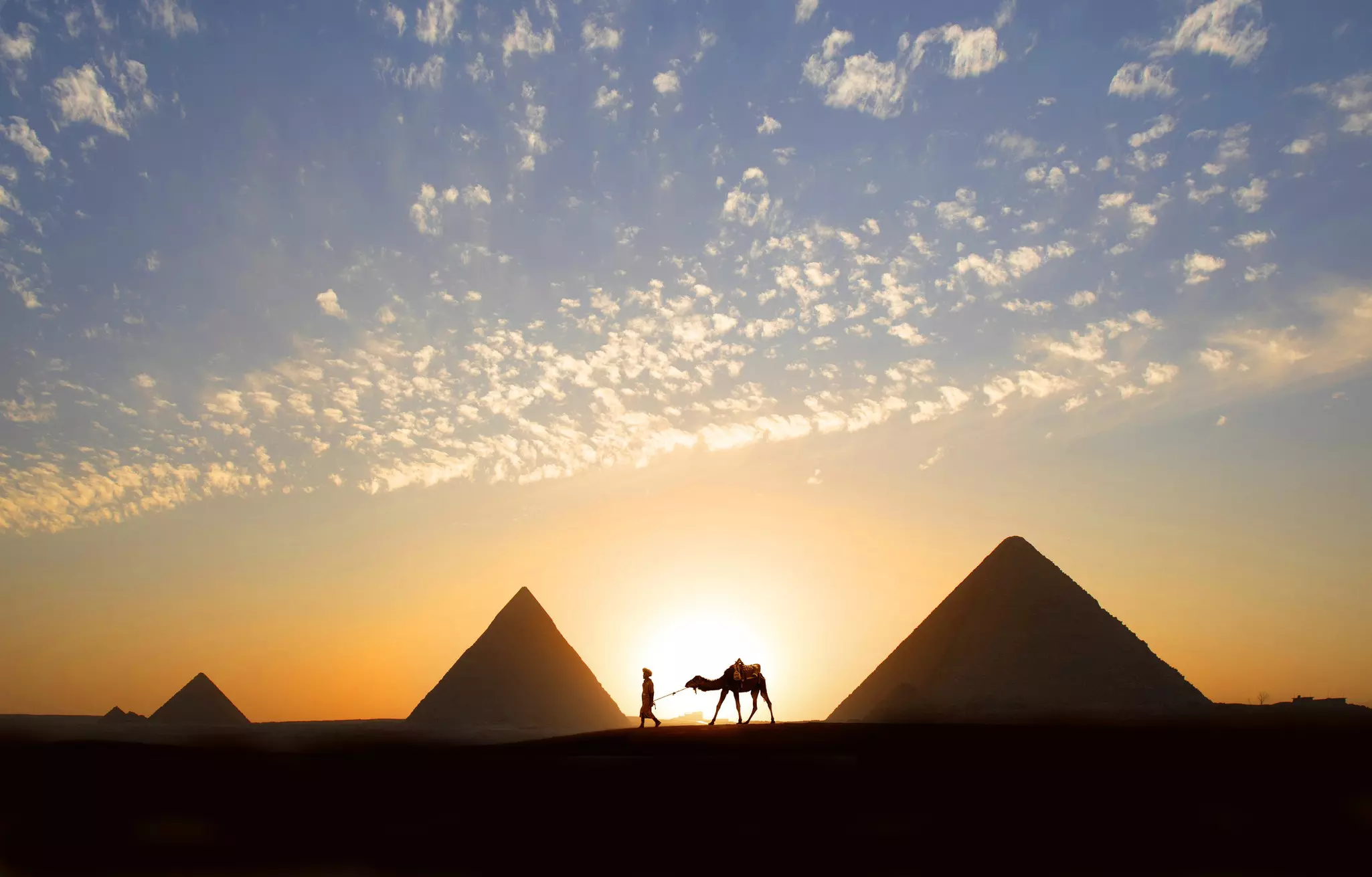
You can’t go to Cairo and not see the Pyramids of Giza, the only remaining wonder of the ancient world. But what many people don’t realize is that there are 118 pyramids in Egypt, not just the big three – Khufu (Cheops), Khafre and Menkaure – in Giza.
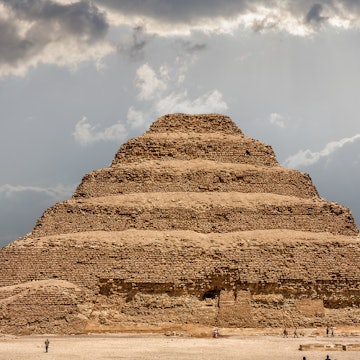
There are 11 pyramids in total in Saqqara, including the Step Pyramid, also known as the Pyramid of Zoser, which is the oldest pyramid in the world and well worth a visit. Some are open for exploration, including the Pyramid of Teti, a pharaoh of the 6th dynasty whose inscribed basalt sarcophagus still lies inside the tomb.
Planning tip: The Pyramids are a popular destination and will be incredibly busy. The best way to enjoy them is to hire a local guide either before arrival or through your hotel. The guide will not only take you around with ease but will also regale you with incredible stories as you walk through history. SEEgypt offers quality tours and guides.
4. Visit the National Museum of Egyptian Civilization
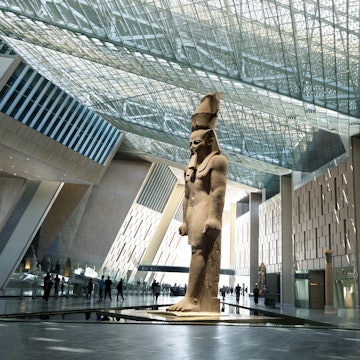
NMEC is the first museum in the Middle East that focuses solely on the ancient Egyptian civilization, covering all the historical periods that encompass Egypt's history. It’s also the home of royal mummies, who were transported by royal procession to the museum in 2021.
5. Shop in the historic Khan Al Khalili bazaar
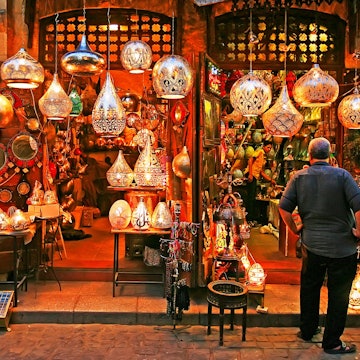
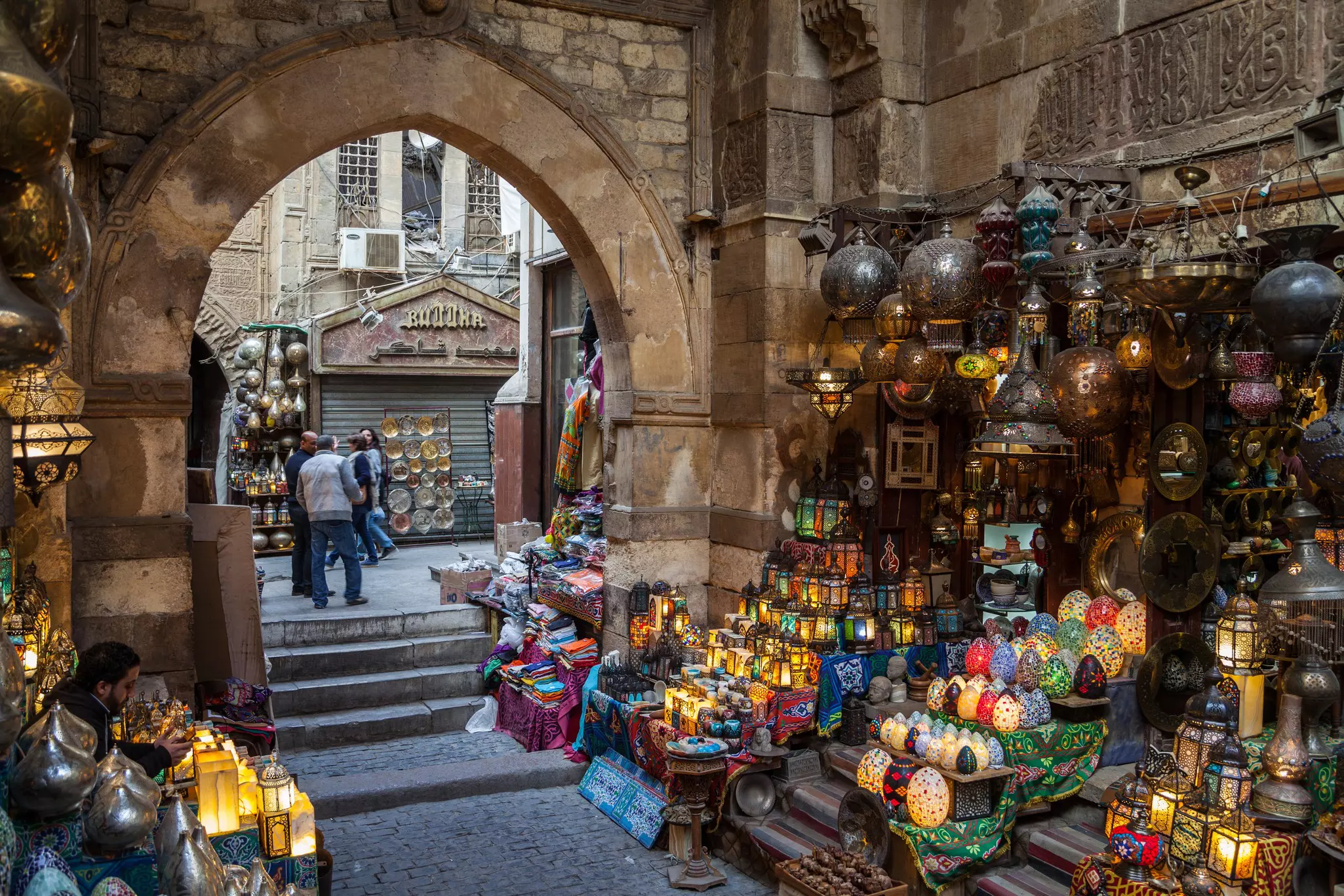
Established in the 14th century, the Khan Al Khalili market in Cairo has a rich and fascinating history, making it an important district for both cultural and economic activity.
This bazaar has been a hub of trade and commerce for centuries, showcasing the enduring traditions of Egyptian crafts and merchant culture. Stepping into Khan Al Khalili is like taking a journey back in time. You can explore its alleyways lined with stalls that offer goods like detailed jewelry, colorful textiles and aromatic spices.
Detour: Hidden in Khan Al Khalili bazaar, Naguib Mahfouz restaurant opened in 1989 and is a tribute to the Egyptian writer Naguib Mahfouz, who won a Nobel Prize for Literature in 1988. He was born in Old Cairo in 1911 and set most of his early works and short stories in the city. The restaurant's arabesque surroundings transport you back to the days of Old Cairo. You’ll find classic Egyptian dishes such as lamb or chicken kofta, kushari (a mix of noodles, rice, black lentils, fried onions and tomato sauce) and mezze spreads, but it’s the grill that is a must-try.
6. Visit the Citadel, home of the Alabaster Mosque
The Cairo Citadel, perched on top of a hill, is Egypt’s most iconic mosque and a medieval fortress built by Saladin. Start at the Ottoman-style Mosque of Muhammad Ali, the centerpiece of the citadel. Known as the Alabaster Mosque, it has walls coated with alabaster and a gleaming white courtyard, which is beautifully illuminated.
Move on to the Palace of Jewels. This 1814 Ottoman-style building was the residence of Sultan Muhammad Ali and now contains the throne of Mohammed Ali. On the second floor, there is a gallery of portraits of Egypt’s rulers from Mohammed Ali onward.
Planning tip: The fortress offers an incredible aerial view of Old Cairo stretching all the way to the Great Pyramids of Giza.
7. Walk the streets of Old Cairo
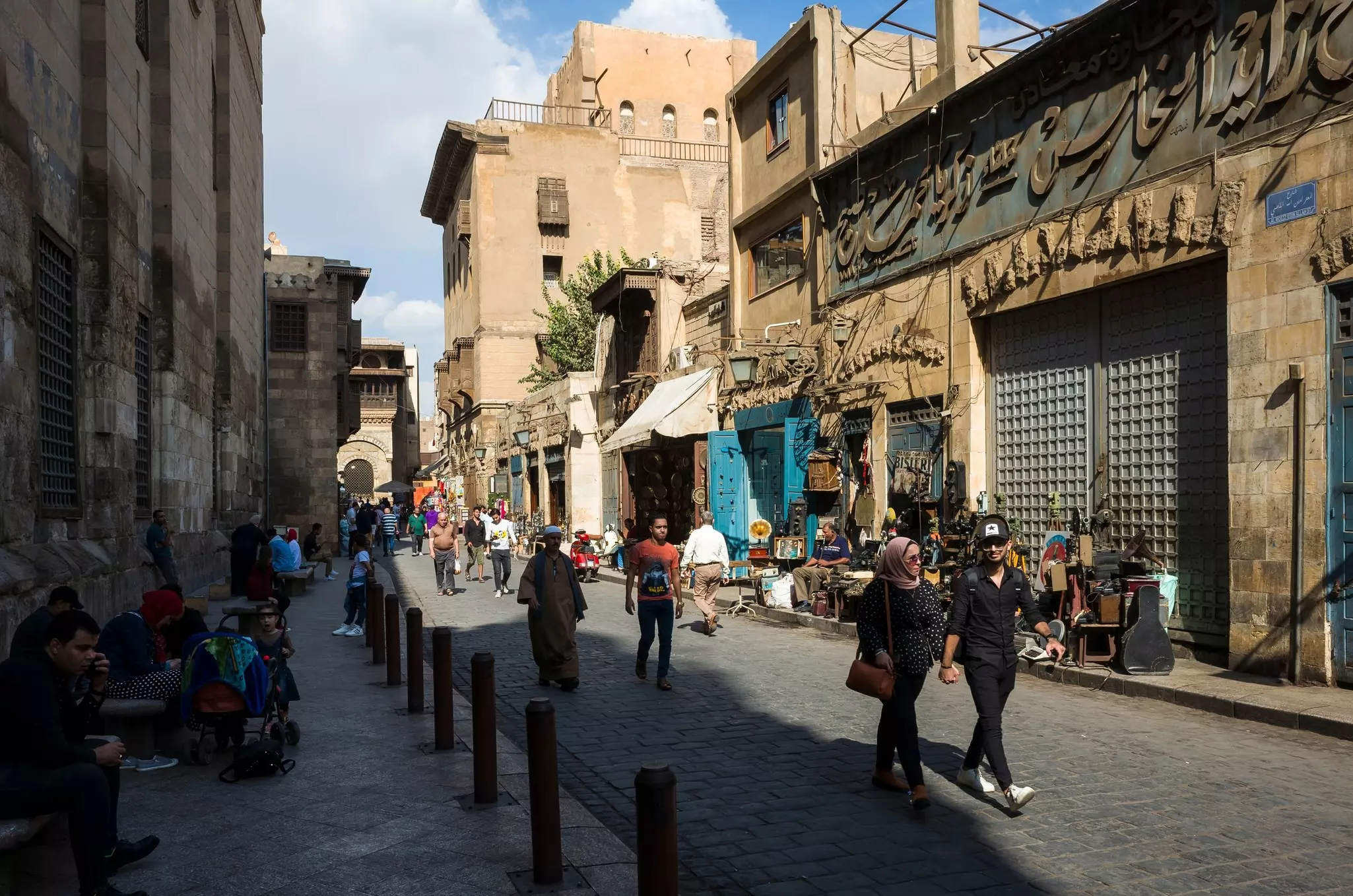
El-Moez St in UNESCO World Heritage Site Old Cairo is a 1km-long (0.6-mile) pedestrian street with some of the greatest concentration of medieval architectural treasures in the Islamic world. Look for a mixture of medieval mosques and buildings alongside modern vendors and shops in the ancient neighborhood of Gamaleya. The street starts at the northern Bab Al Futuh, one of the last three remaining gates to the original walled city of Cairo, which was built by a Fatimid caliph.
It's free to walk along El-Moez St, but you need a ticket to enter places like the Qalaun Complex and Beit el Suheimy. Buy individual tickets or a combination one that lets you into different spots of interest on El-Moez St, including historical houses, palaces and mausoleums. Most of the mosques are free to enter. Women need to have something to cover their hair and all genders need to take off their shoes at the entrance.
Local tip: El-Moez St is long and it hasn’t been refurbished in some time – expect uneven surfaces and wear sturdy, comfortable shoes. Bring a bottle of water along too. It is worth getting a guide because of the sheer amount of history, but the caretakers of each monument can also provide a guided tour.
8. See complex textiles created by artisans on Khayamiya St
In the heart of old Islamic Cairo, just behind Bab Zuweila, across the bustling square lies Khayamiya St or the “Street of the Tentmakers.” It's one of the oldest streets in Cairo, dating back to 1200 CE. The word khayamiya is derived from khyma, the Arabic word for “tent.”
Historically, the Egyptian tentmakers sewed complex interiors for urban tents. Today, they use these skills to create textile artworks resembling quilts, sustaining their craft within changing economic and political circumstances. There were said to be more than a thousand people working on the street at one time, but now there are only about 20 shops and 30 to 40 stitchers. The work was featured in the documentary The Tentmakers of Cairo by Kim Beamish, which offered unprecedented access to this small community of talented craftspeople.
Advertisement