Advertisement
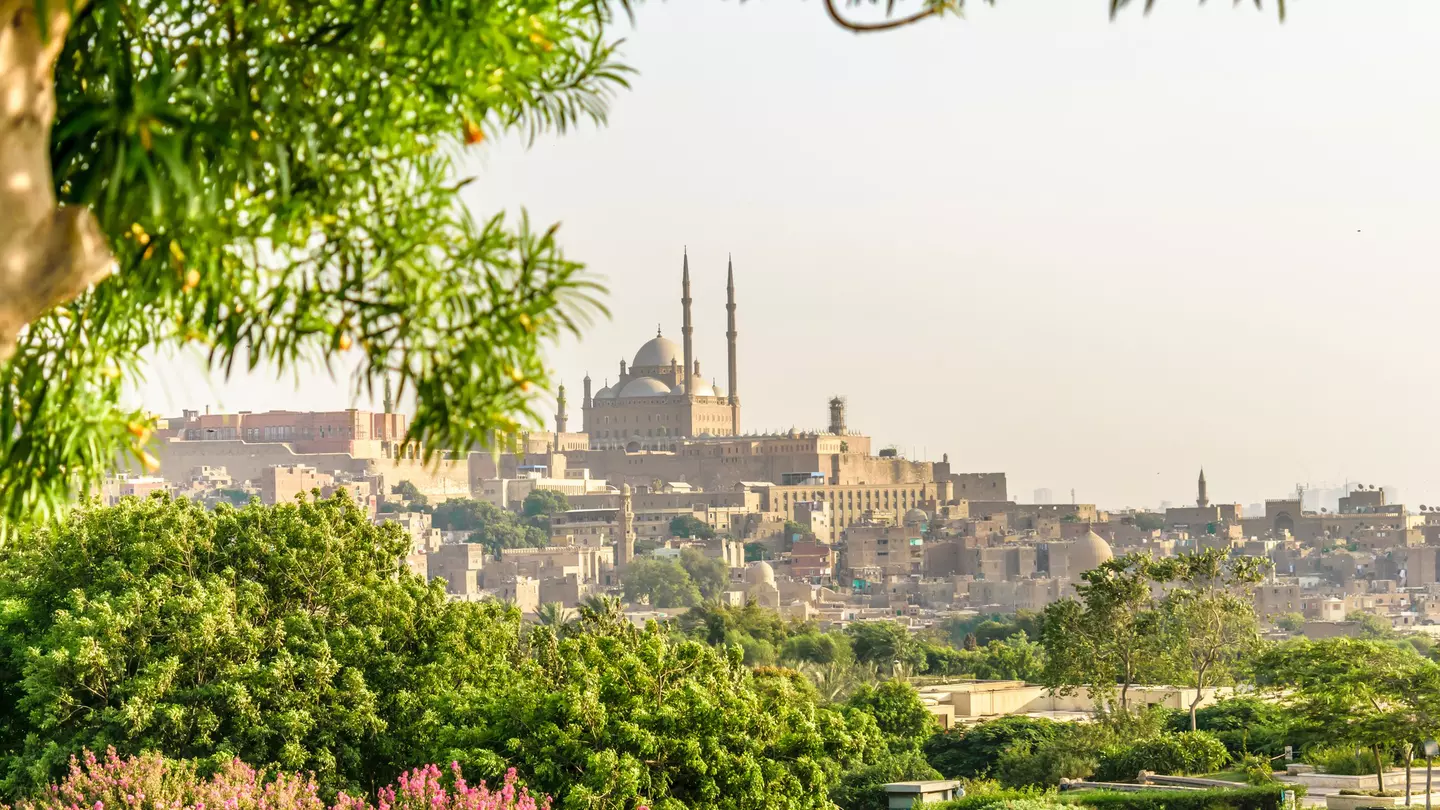
View of the Citadel from Al Azhar Park, Cairo. PiCPiCK/Shutterstock
Egypt is beautiful. To an Egyptian like me it is “Umm al-Dunya” (the Mother of the World). Egypt is also Cairo. Colloquially we use the same word for both – Masr.
In this article, I’ll share with you my favorite things to do in Masr – the mother of all cities in the mother of the world. Of course, to truly do a city as big and layered as Cairo you need to read all 35 of Egyptian Nobel Laureate Naguib Mahfouz’s novels and/or live in the city for 35 years.
If you are pushed for time (and Arabic), here are some ideas of where to start with my first-timer’s guide to Cairo.
Advertisement
When should I go to Cairo?
From June to September, daytime temperatures can make sightseeing difficult. Unless you do it the Egyptian way and head out after sunset. Summer in Cairo is all about nighttime entertainment. That could mean heading out into the lively streets or drinking mint tea at any of the hundreds of even livelier cafes.
To avoid the crowds, don’t visit during major holidays – Eid al-Fitr, Eid al-Adha, and Sham El Nessim. Dates for these change year on year with the moon cycle so check for the days to avoid when you’re booking your trip to Cairo. Museums will be packed with local visitors, the queues long and nerves frayed.
The month of Ramadan is another special but challenging time (for tourists as much as for observant Muslims). The Muslim majority abstain from eating or drinking during the day. This means that while the days are quiet, the nights are… not so much.
But if you’re a fan of a raucous festive atmosphere and the chance of stumbling across a free Iftar meal to break the day’s fast (yes, free street food), then you’ll love it.
How long should I stay in Cairo?
Cairo’s greatest treasures aren’t all in its museums or monuments – its greatest treasure is its people. But first-time visitors might find the locals’ friendliness a little overwhelming. If you want the “essentials” tour of Cairo, then three days will be enough for the highlights.
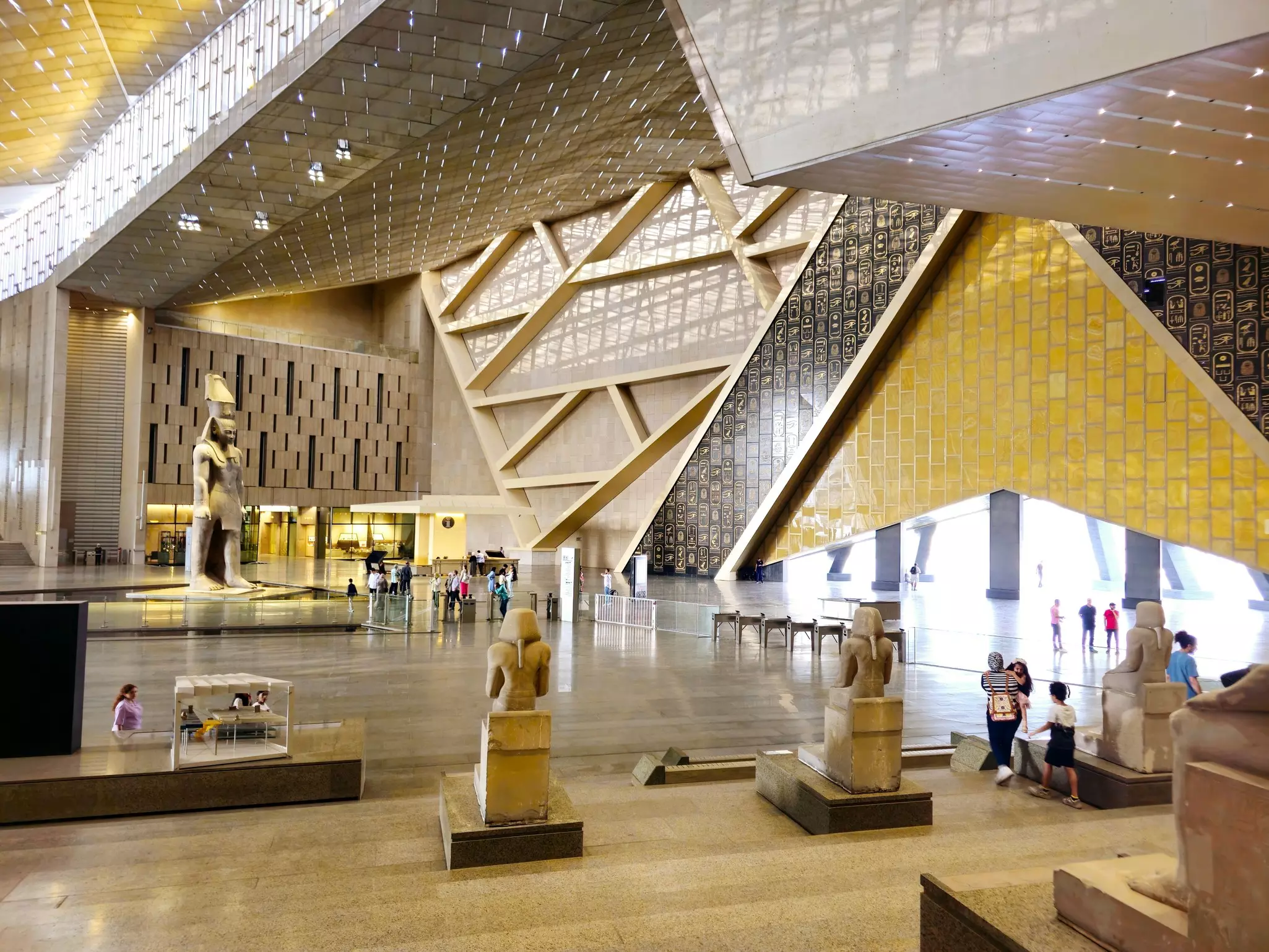
Day 1: The Giza Pyramids and the Grand Egyptian Museum.
Day 2: Old Islamic Cairo for mosques, markets, and cafes.
Day 3: A morning trip to Dahshur, followed by dinner by the Nile in Zamalek.
If you want to truly know Cairo, allow yourself the time to experience it as the Cairenes do – slowly, and at night. Saunter across its bridges, engage with the people (hand gestures welcome), enjoy the Parisian, belle epoque feel of downtown or the aura of Khan el-Khalili bazaar – and you’ll experience the true magic of the city.
Getting in and around in Cairo
First-time visitors might be surprised to read this but… Cairo is walkable, especially if you're willing to embrace its quirks. And by “quirks” I mean uneven sidewalks that are often too high or, in some cases, built more as ornament than a pavement.
And yet Cairenes walk everywhere! Naguib Mahfouz knew Cairo so well because he made a habit of walking its streets every day. And with a bit of patience (and a healthy dose of inshallah spirit and noise acclimatization – I SAID NOISE ACCLIMITIZATION), you can too. I’m not saying that by walking around Cairo you’re guaranteed a Nobel Prize in Literature – but you never know.
If walking isn’t for you, everything else is easy. The metro is cheap and extensive. Ride-hailing apps are widely available in-drive, Uber and Careem, as are the regular white taxis (be sure to agree on a price before setting off).
Top things to do in Cairo
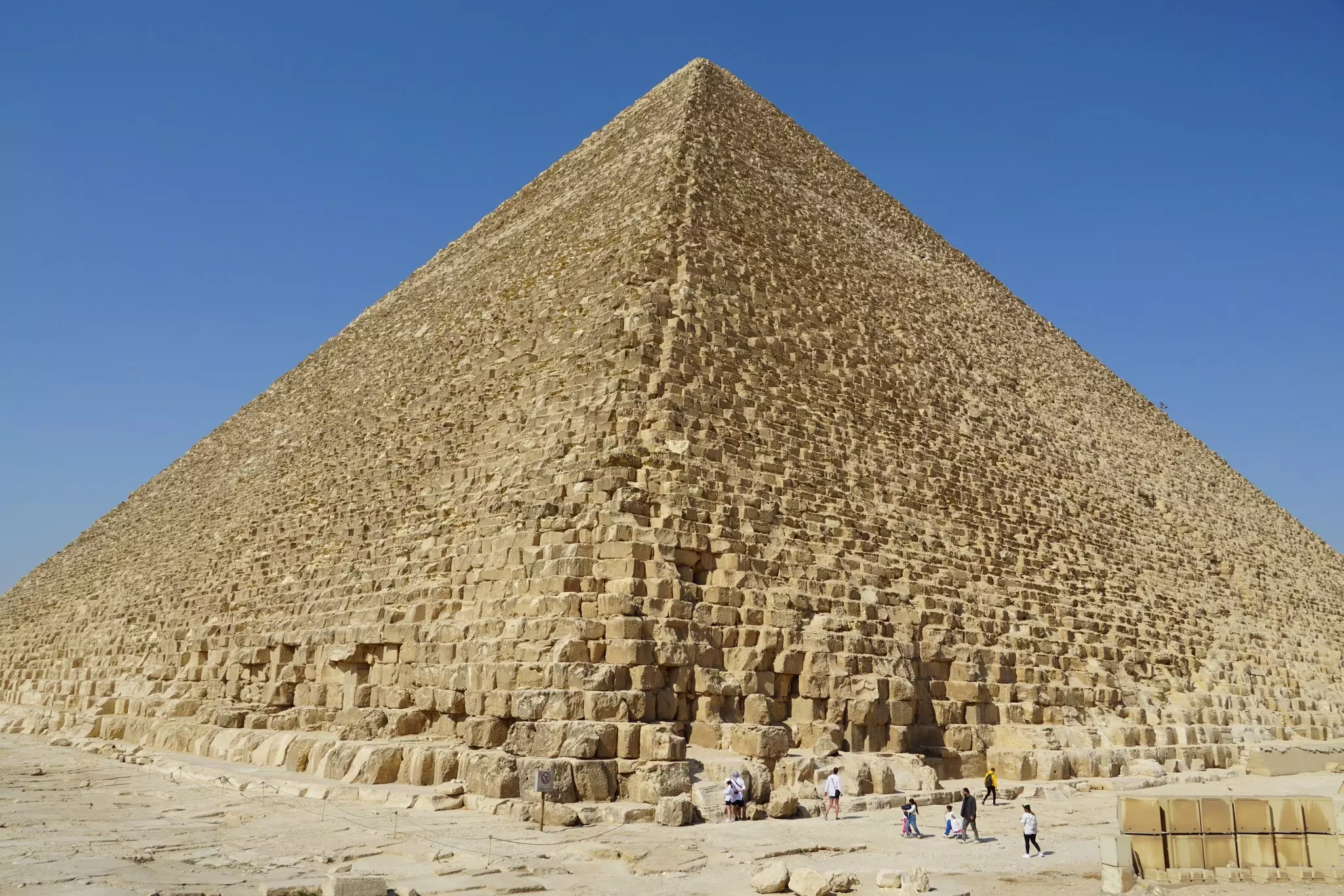
Pyramids and the Grand Egyptian Museum (GEM)
Best for history
Advertisement
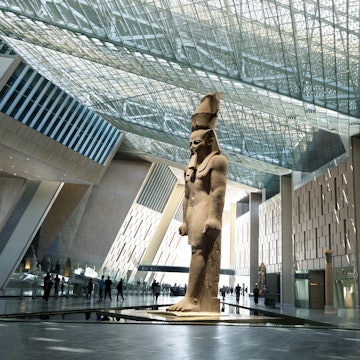
If you haven’t already heard, Egypt recently opened its Grand Egyptian Museum, again. This not-very-hidden GEM is now the largest museum in the world dedicated to a single civilization. Tutankhamun and the Pyramids of Giza. It’s the veritable margarita pizza of Egyptian museums – everything you need, nothing you don't.
One day is not enough to do the museum and the Pyramids justice, you could still catch the evening light show at the Pyramids after a day in and around the feet of Ramses II.
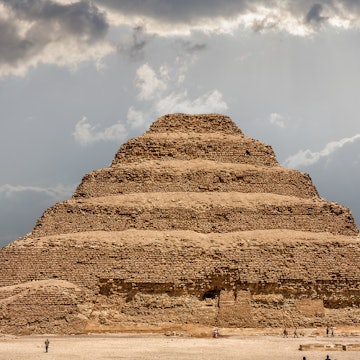
For a more unique experience, head south from the smooth sloped monuments of Giza to Dahshur to visit the Bent Pyramid. Here you’ll find living proof from the ancients that you should never destroy your first drafts. One day people will flock to point at them in awe!
You could spend months, years exploring Cairo’s history – from the Museum of Islamic Art and the National Museum of Egyptian Civilization to the site of ancient Memphis – and still have more to see.
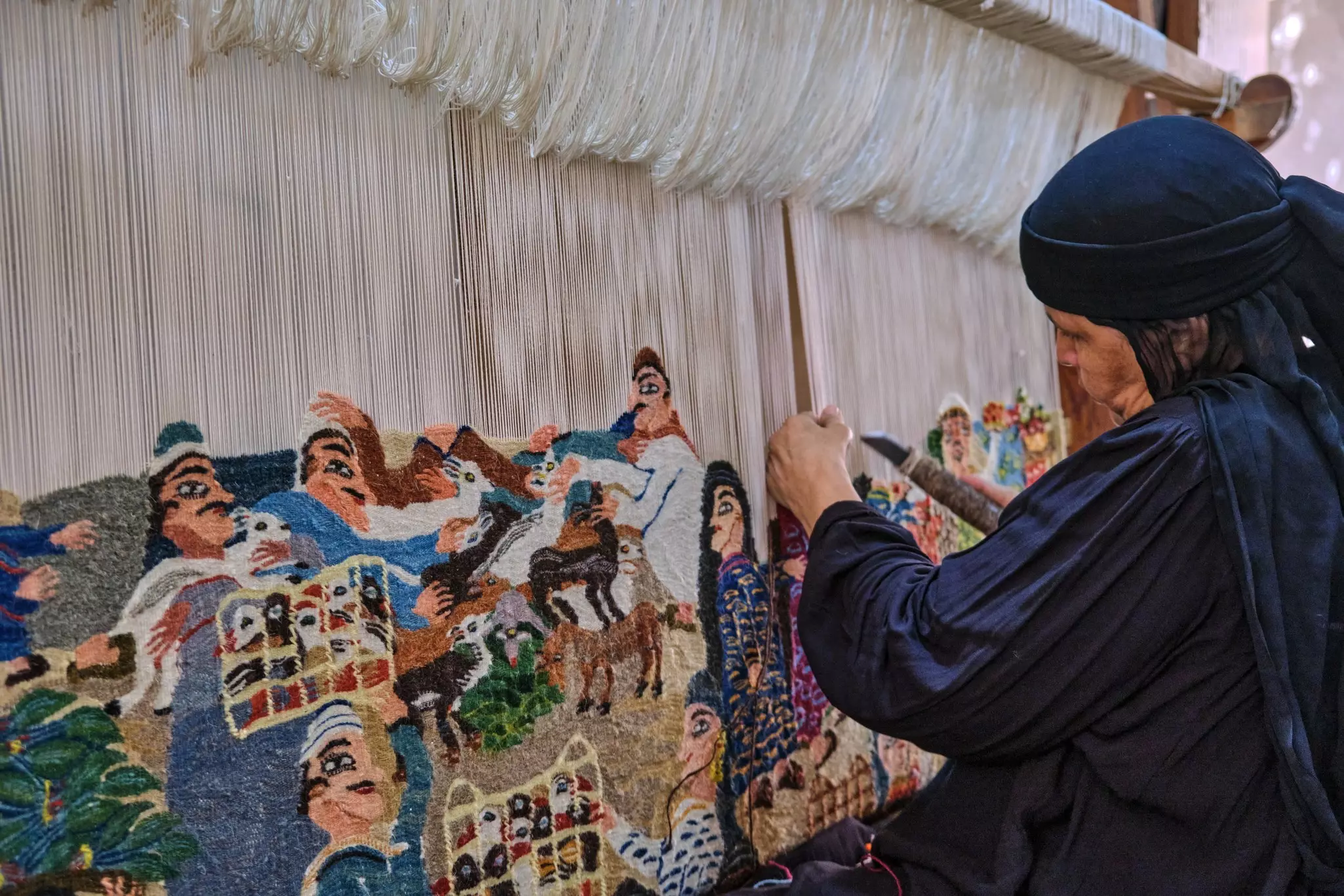
Harrania and the Ramses Wissa Wassef Art Center
Best for art
Greater Cairo’s most enchanting artistic enclave, created by Ramses Wissa Wassef in 1951 in a peaceful village in Giza, surrounded by nature. Wassef founded the center as a place to teach local children how to express their inner creativity in the form of tapestries woven from wool.
The grandchildren of that first generation are still working today, and passing their craft on to their children. Each piece is handmade on looms using wool from sheep reared in the village, dyed with plants grown on local land, and features landscapes inspired by village life.
The center is open for visits or guided tours all week apart from Mondays and Fridays. It opens from 10am to 4pm. Entry for adults is around US$2. The center’s shop sells handmade cards and textile works.
Spend the day here as an antidote to the bustle of Cairo.
Walking (like an Egyptian)
Best for experiencing Cairo life
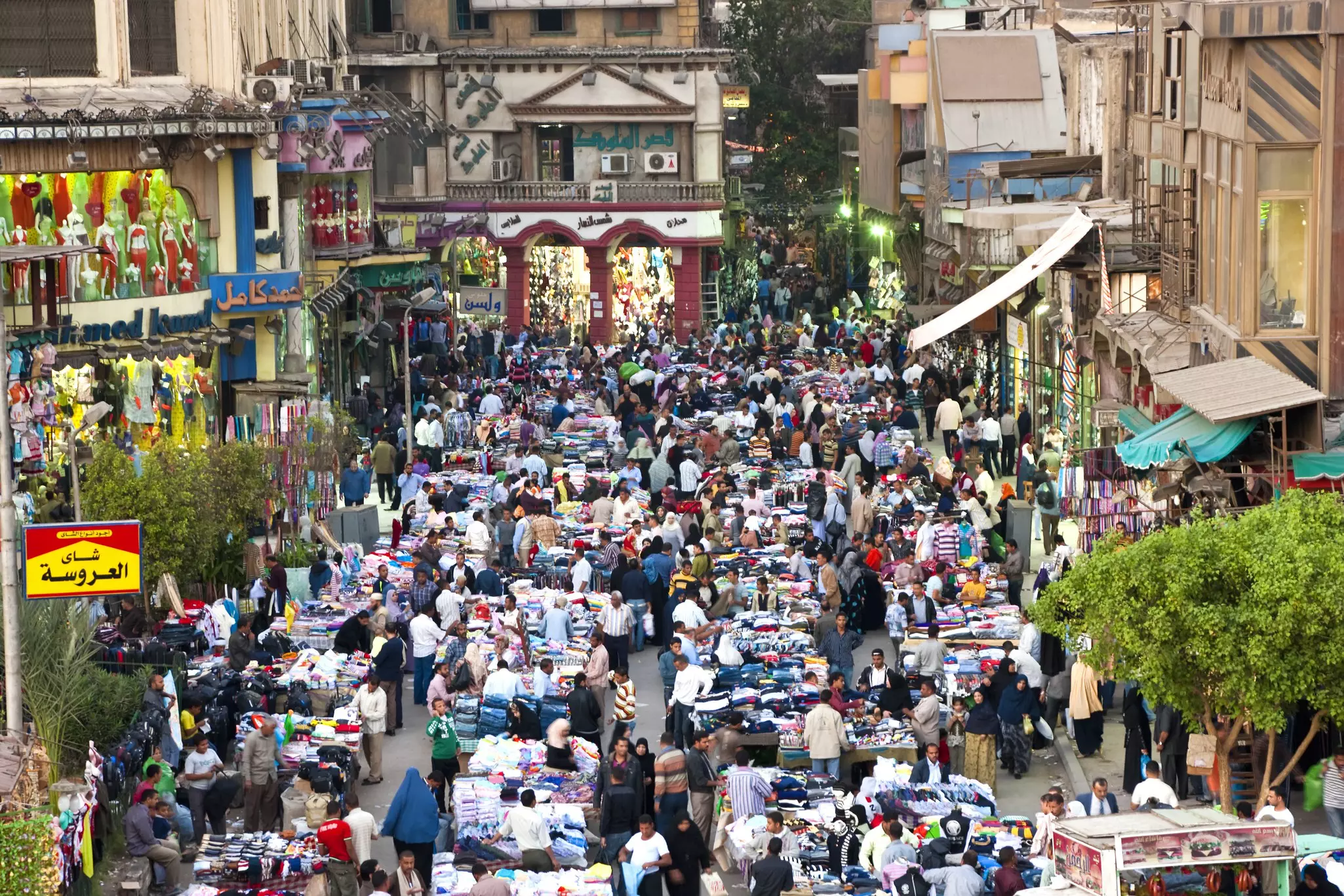
Walk by the Nile, across its bridges, and along Old Islamic Cairo’s cobbled streets. Follow your nose to one of the many street vendors roasting sweet potatoes and corn on the cob.
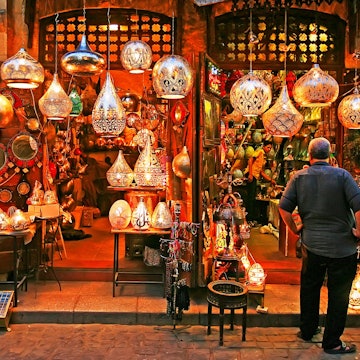
Explore centuries-old mosques with their ornate calligraphy, marvel at ancient (and towering) wooden gates, and discover mother-of-pearl curios ripe for haggling at any number of shops.
Walk down the wide boulevards of downtown where every ahwa (street cafe) holds a thousand and one stories behind the click-clack of a thousand and one backgammon games.
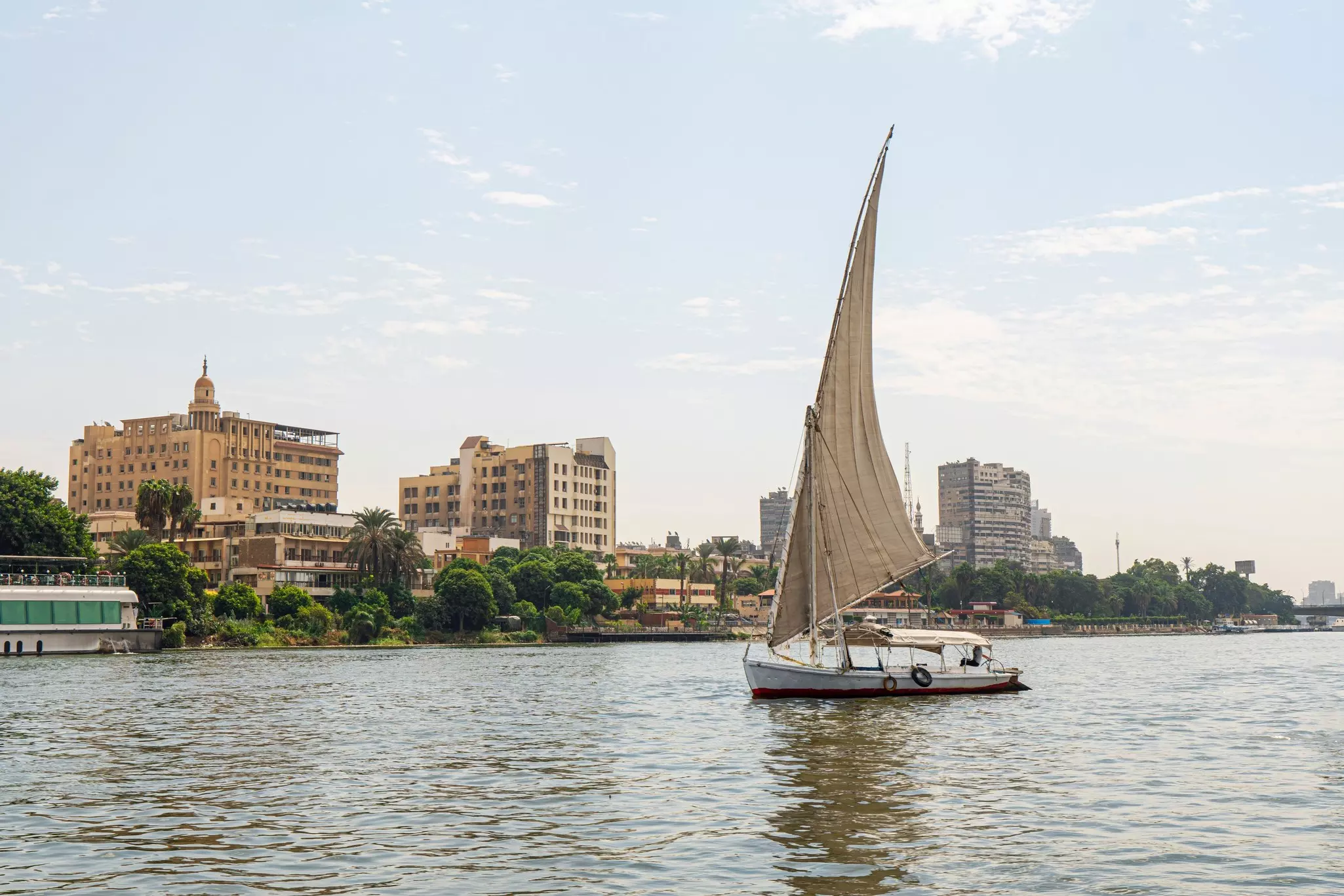
Walk between the lions of Qasr El Nile Bridge across to Gezira Island and head north for dinner in any number of delicious restaurants in Zamalek (you could do worse than Abou El Sid).
Walking in Cairo is a whole mood – a living, breathing museum of culture, history, and art.
My favorite thing to do in Cairo
Even though I’m Egyptian, every time I visit Cairo I feel like a tourist. That’s partly because I live 500 km away in Dahab; it’s also because no visit to Cairo is the same. Its magic is endless. Or its moods are endless.
So, depending on the mood, whenever I make the trip back, I head straight to Old Islamic Cairo to get lost in the hidden alleys between the medieval gateways and the forest of minarets, and to wander through the underground bookshops (the dustier, the more hidden the better.)
I’ll let my feet take me to Taht al-Rab'a where all the Ramadan decorations in the universe are made (at least, that’s how it feels) – classic lanterns and shiny bunting similar to Christmas decorations. For me it’s a place full of festive, childhood memories.
Then I’ll head to Farahat for the best roasted pigeon east of the Nile, or discover a new Sudanese eatery in Abdeen and drink ginger-spiced coffee with families waiting for the next bus to Khartoum.
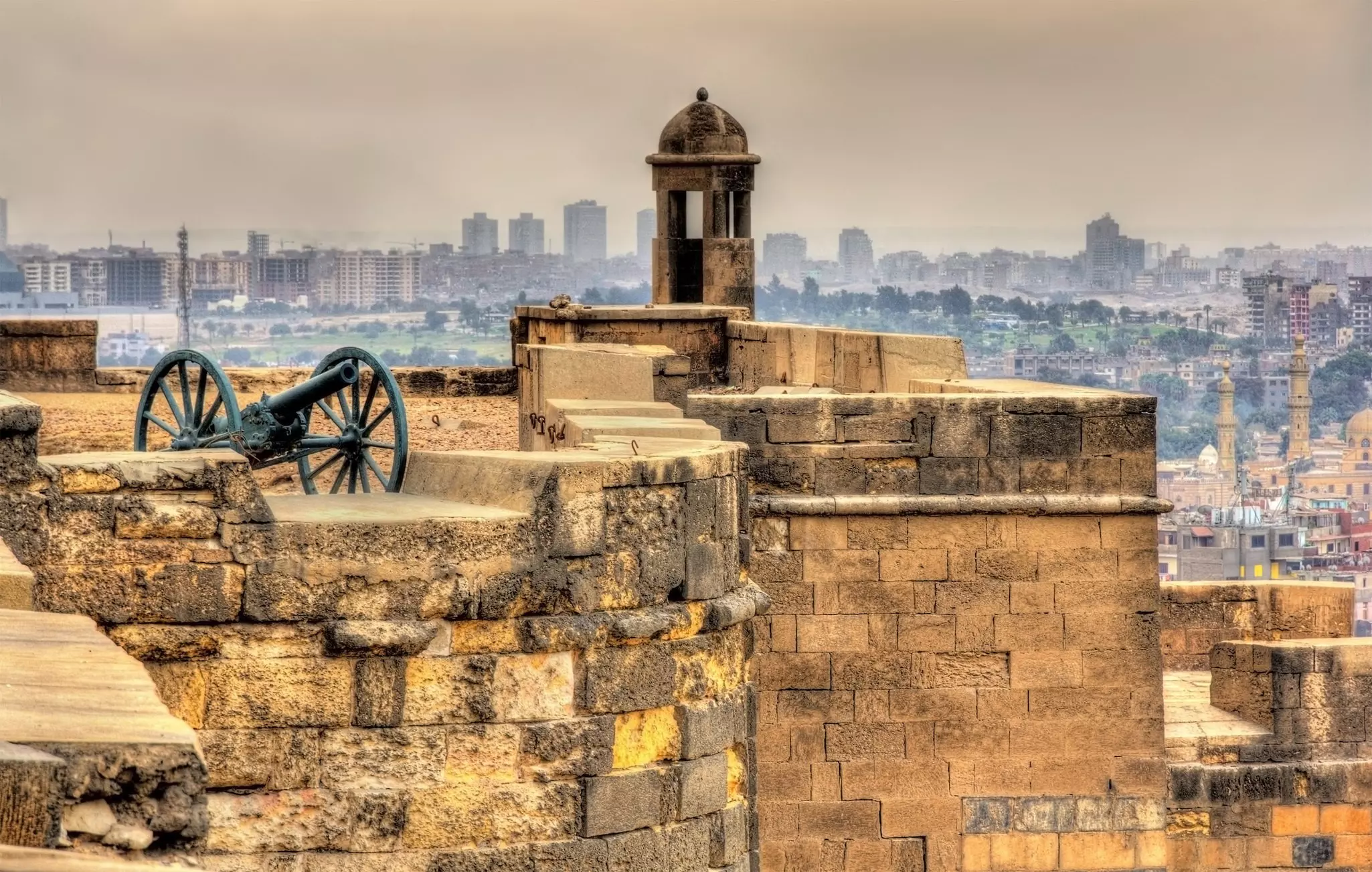
But then, catch the city (or me) in a different mood, and my favorite thing would be to spend a morning at the Gayer-Anderson Museum (the house of a colonial British officer) before taking a tuk-tuk up along the old aqueduct in time for sunset at the Citadel of Saladin with a view of the Pyramids on the horizon.
Masr – the city of memories, mummies, and moods.
How much money do you need?
Cairo is affordable. Though its affordability is varied and in a variety of ways. You can find an extremely cheap deal on an excursion just as easily as you can find an extremely overpriced deal. On average you can expect prices around the following.
Airbnb apartment: US$40/night
Budget hotel room: US$20
Five-star hotel: US$200
Full Egyptian breakfast of ful (fava bean paste) and ta'miyya (fava bean falafel): US$1 (pay any more and you won’t need to eat for the rest of the day/year)
Dinner at a nice restaurant: US$10
Metro ride: US$0.50
Short taxi ride: approx. US$5
Max ticket price for most tourist sites: US$20
Most shops and restaurants only take cash, but cards are widely accepted too. Egyptian pounds are the currency of choice though in some more touristy areas you may find that other currencies are also accepted.
Is Cairo safe?
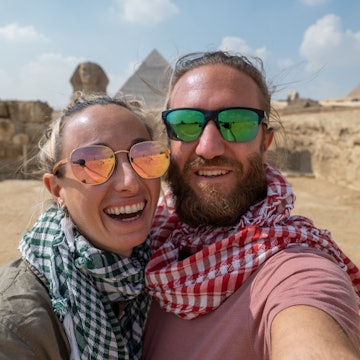
Yes – Cairo is safe. But like any big city, follow some basic precautions. Dress modestly. This means long sleeves and trousers; and bring a light shawl (covering hair is a must for women wishing to enter mosques). Doing this, out of respect and comfort, will endear you to locals, and help protect you from the sun.
Stay alert in crowded places and trust your instincts. Be sure to ask locals for help – they love assisting others and rarely expect anything in return. The occasional scam exists – like anywhere – but kindness is the norm, not the exception in Egypt.
Advertisement