Advertisement

The Basílica de Santa María la Real de Covadonga is just one highlight of the Monasteries route. James Jackman for Lonely Planet
You've booked your flight, made hotel reservations and narrowed down everything you hope to see, do and eat in Spain. The only thing left is to pack!
Rather than an item-by-item roster, I put together these practical packing tips to help you create your own checklist. Along with the obvious necessities (your passport, phone, medicine and toiletries), this is what you need to know to figure out what to pack for Spain and what to leave behind.
Advertisement
But first, two words of advice: pack light. It'll be much easier to get around Spain by train, on buses and down cobblestone streets without a lot of luggage. Plus, you want to leave room for souvenirs (or bring an expandable bag you can check later).

What's the dress code in Spain?
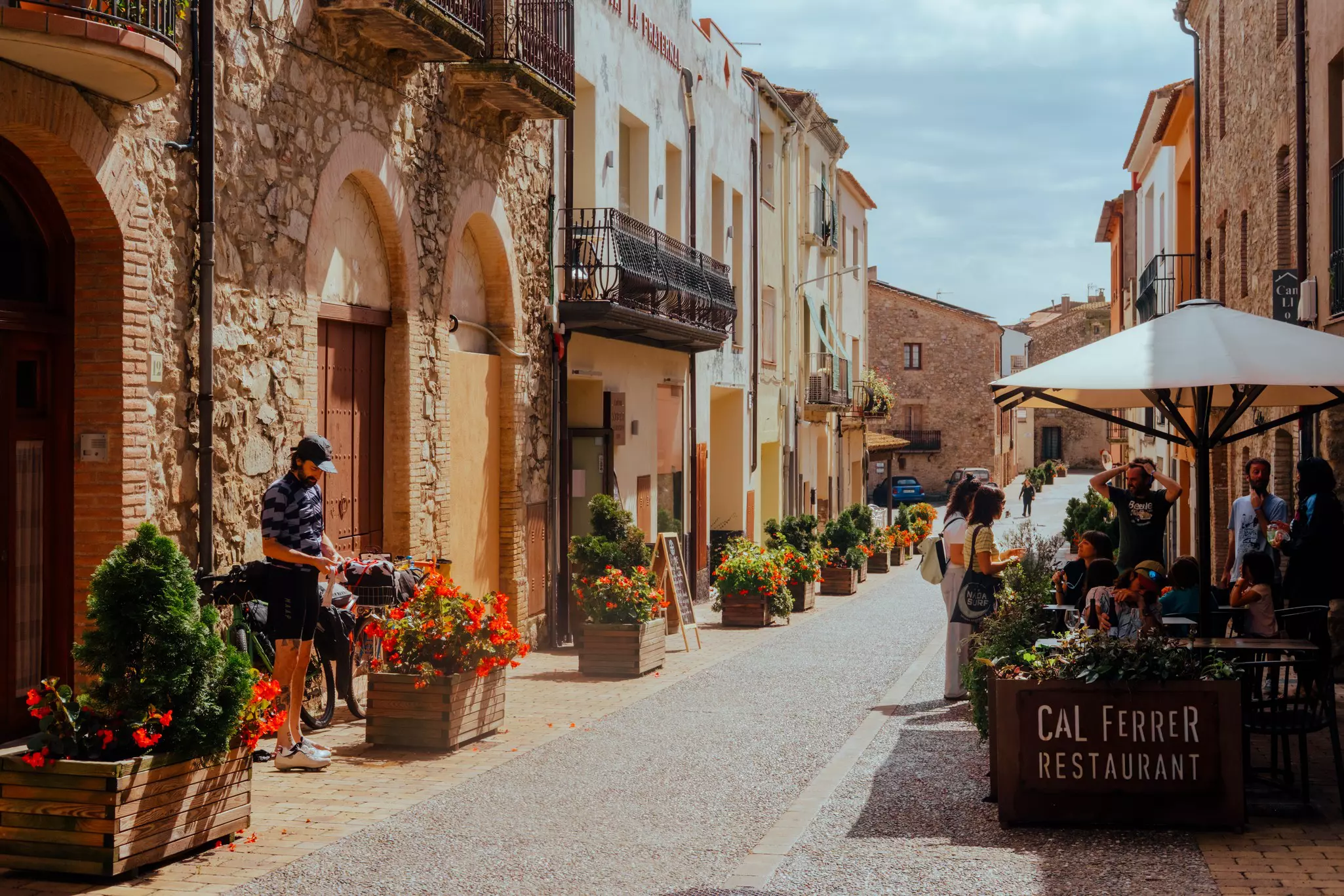
Pack smart-casual clothes and keep your beachwear for the beach. Avoid athleisure wear and excessively revealing clothing in cities, and make sure you have comfortable walking shoes.
Spain is filled with outdoor activities, so if your itinerary includes heading out into nature, bring suitable footwear, as well as jackets and hats. If you'll be visiting religious sites such as churches, cathedrals or mosques, plan to cover your shoulders and knees. It's not just about respecting the space – many sites will deny you entry if you are not dressed appropriately.
If you're attending a special event, bear in mind that Spaniards like to dress up, and outfits for important occasions such as weddings and ferias are usually on the fancier side.
Advertisement
What to pack for each season in Spain
Anytime before mid-June, you'll want a jacket. You may be picturing sun-drenched beaches, but Spain's weather has more cold patches than warm periods. You'll likely experience cooler weather during early spring (March to May), autumn (September to November) and winter (December to February), more so in northern Spain, such as the Basque Country, Asturias and Galicia, than the rest of the country – pack some layers.
Here's what to bring for each season:
Summer
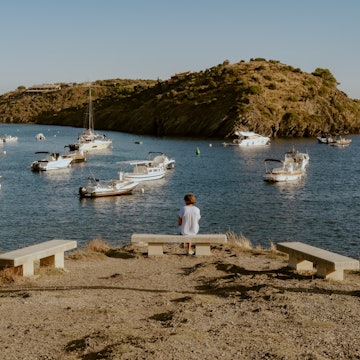
Pack light, breezy clothes if you're traveling during the hot summer months. However, regional variations produce surprises. For instance, even in summer, northern Spain can see cooler evening temperatures. You'll be happy you have an extra layer if it gets a bit chilly at night.
For the beach, pack swimwear, short-sleeve shirts, sandals and whatever sun protection you normally use, like a beach hat, sunscreen, sunglasses and a UPF-rated cover-up. You may see locals with a handheld fan and decide to buy one for yourself once you are there. Beachwear is reserved for the beach, so tote an appropriate change of clothes if you are going from the beach back to a city.
Autumn
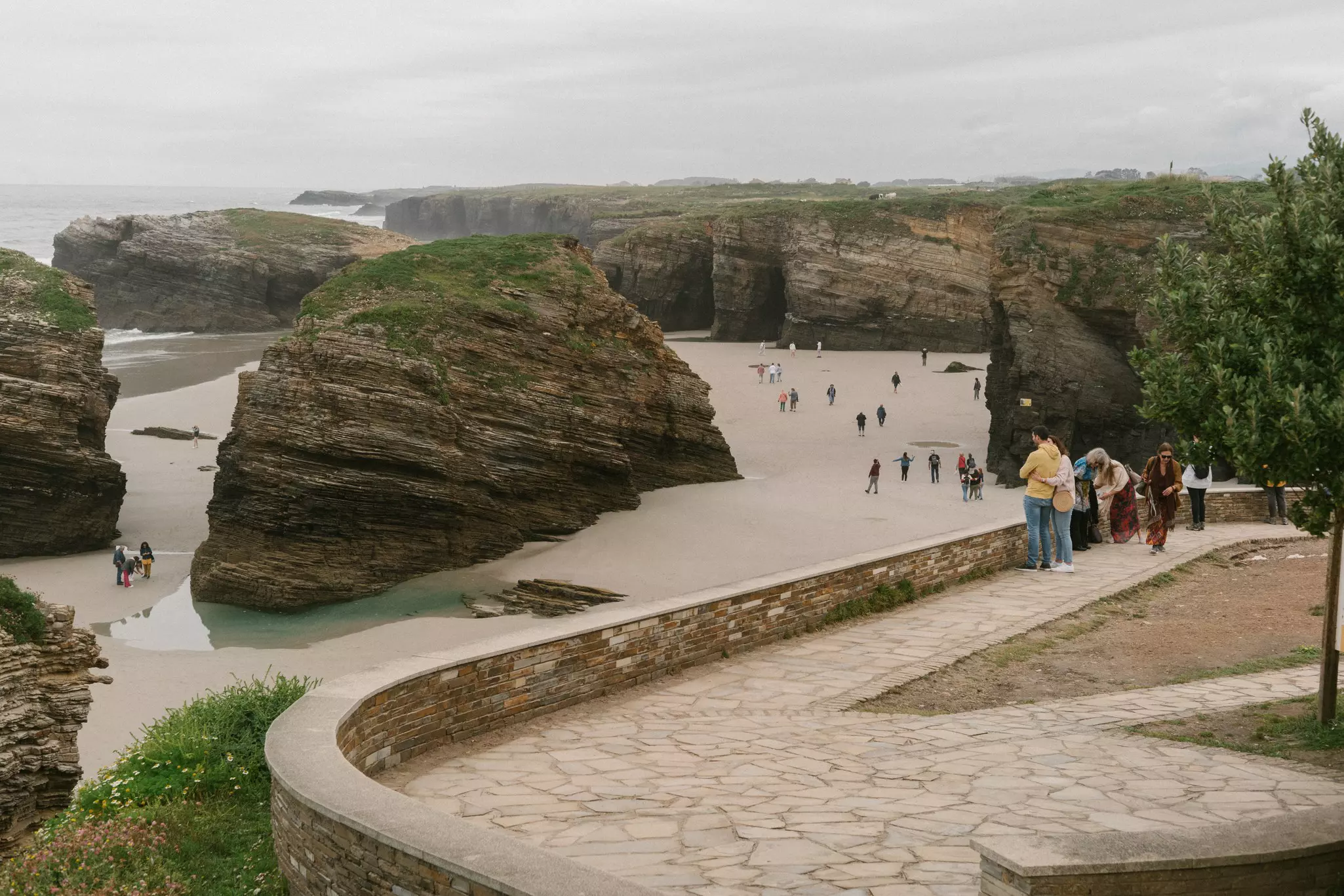
Rain isn't uncommon in autumn (beginning in October), so pack a jacket for possible downpours. Expect cooler weather, requiring a jacket for the evenings.
Winter
Spain does get cold during winter, especially in the hills and the north. Many homes are built for warmer months, which means you might be chilly even if you are inside. One cozy hack? Wool or warm socks will protect your feet from cold tile floors.
As expected, you'll need warm clothes, layers and a coat, so prepare for the chillier weather.
Spring
Spring can bring rain showers; a folding umbrella and a jacket are necessary if you visit in March and April. Pack layers to be prepared for the changing seasons.

Do I need to bring cash?
Most vendors accept cards or contactless payments, but do carry some cash for the few holdouts, especially in markets, at small bars and in rural areas. Either bring some cash to exchange or stop at an ATM (you'll probably get a better exchange rate at the ATM). As for tipping, it's not customary in Spain, so a couple of euros should suffice.
Do I need power converters for the electrical outlets?
Spain has 220V and 230V outlets via the two-pin continental plugs typical throughout mainland Europe. In Gibraltar, both these and the three-square-pin plugs from the UK are used, though the latter is more common. Adapters and charging cables are readily available in all but very small towns, and most current smartphone and laptop chargers are dual voltage – check the requirements for your devices.
Advertisement
Take your Spain trip with Lonely Planet Journeys
Time to book that trip to Spain
Lonely Planet Journeys takes you there with fully customizable trips to top destinations – all crafted by our local experts.