Advertisement
A guide to Málaga, Spain
Mar 13, 2026 • 10 min read
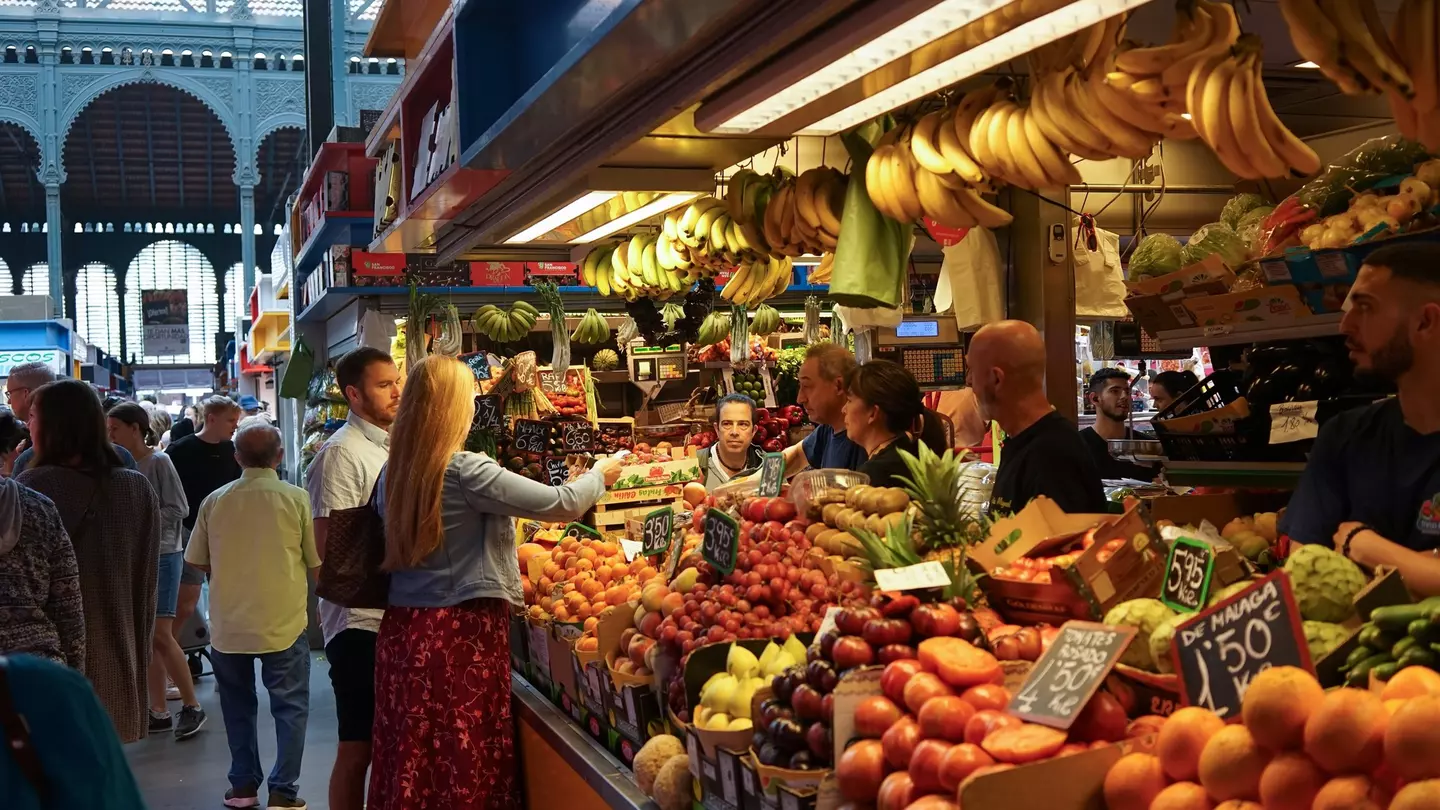
Shopping at Mercado Atarazanas, the central market in Málaga, is one of the most vibrant ways to explore Spanish culture along the Costa del Sol. Mooi Liedje/Shutterstock
The gateway to the gorgeous, beach-lined Costa del Sol in Spain, Málaga is one of the region’s most vibrant cultural hubs, loved for its museums, art galleries and food. It’s also the birthplace of Pablo Picasso, and its historic center is dotted with eye-catching architecture and Moorish and Roman relics.
Even if it’s your first trip to Málaga, you should have no trouble losing yourself in the city's unhurried way of life and enjoying its exciting arts scene and eclectic mix of adventure, history and local cuisine. Our Málaga travel guide will equip you with all you need to know to get the best from this fascinating Andalucian city.
Before you book your flights or hotels, consider the seasons. Summers can be crowded and hot in Andalucía, with temperatures sometimes reaching 100°F (37°C) – the cooler spring and fall may be better times for an Andalucian city break. Find out more with this guide to Málaga, covering essential travel tips and the best things to see and do.
Advertisement
When should I go to Málaga?
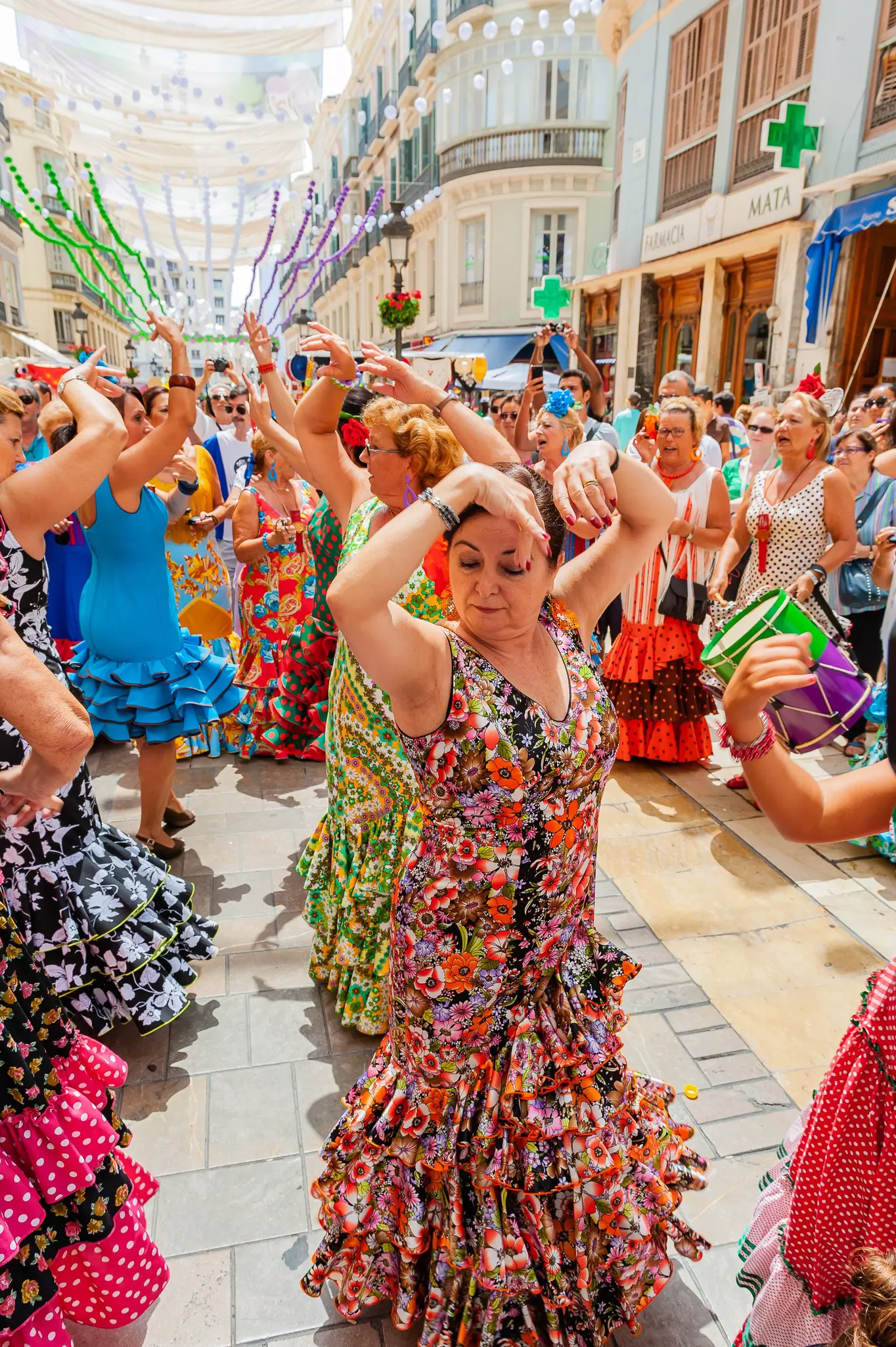
There’s no bad time to visit Málaga – the city rarely disappoints. Summer is an obvious choice if you plan to enjoy the beaches and warm summer weather, but this will also be the most crowded and most expensive time to visit. If you’re here in mid-August, you can catch the 9-day Feria de Málaga (Feria de Agosto), a huge party marked by flamenco performances, Andalusian traditions, music, street decorations, fireworks and carnival rides.
The spring and fall shoulder seasons still see pleasantly warm temperatures – warm enough for swimming in the sea at the end of spring and start of fall – but the middle of the day will be far more comfortable for lots of walking and sightseeing. If you visit Málaga at Easter, the city comes alive with processions during the annual Semana Santa (Holy Week) celebrations.
There is not really a rainy season in Málaga, but spring and fall tend to be wetter than other times of year. Don’t rule out visiting in winter; the weather is dry and sunny with mild temperatures, making outdoor meals and sightseeing a pleasure, yet it's possible to ski in Andalucía at the Sierra Nevada ski resort, about 2 hours northeast from Málaga.
How much time should I spend in Málaga?
Home to around 590,000 people, Málaga isn't a huge city. You can easily take in the main sights and historic highlights in one weekend, focusing on the Museo Picasso, the Moorish-built Alcazaba fortress, and the city’s grand cathedral. With 4 to 5 days, explore the hip neighborhood of Soho with its funky street art and the traditional fishing neighborhoods of Pedregalejo and El Palo.
A week in and around Málaga will ensure the perfect blend of beach time and museum-hopping, and there'll likely be time for a day trip further afield. After enjoying the city sights, explore Montes de Málaga Natural Park, visit one of the other historic towns and villages along the Costa del Sol, or hike the Caminito del Rey pathway along the steep Gaitanes gorge – one of Spain's best hikes.
Is it easy to get to and around Málaga?
Málaga is one of the main travel hubs in southern Spain and it's the most popular gateway to the Costa del Sol, so plenty of budget, charter and full-service airlines fly here from around Europe. From the airport, you can take the local train, bus or metro to María Zambrano Train Station in just 20 minutes. María Zambrano is also served by long-distance trains from across Spain.
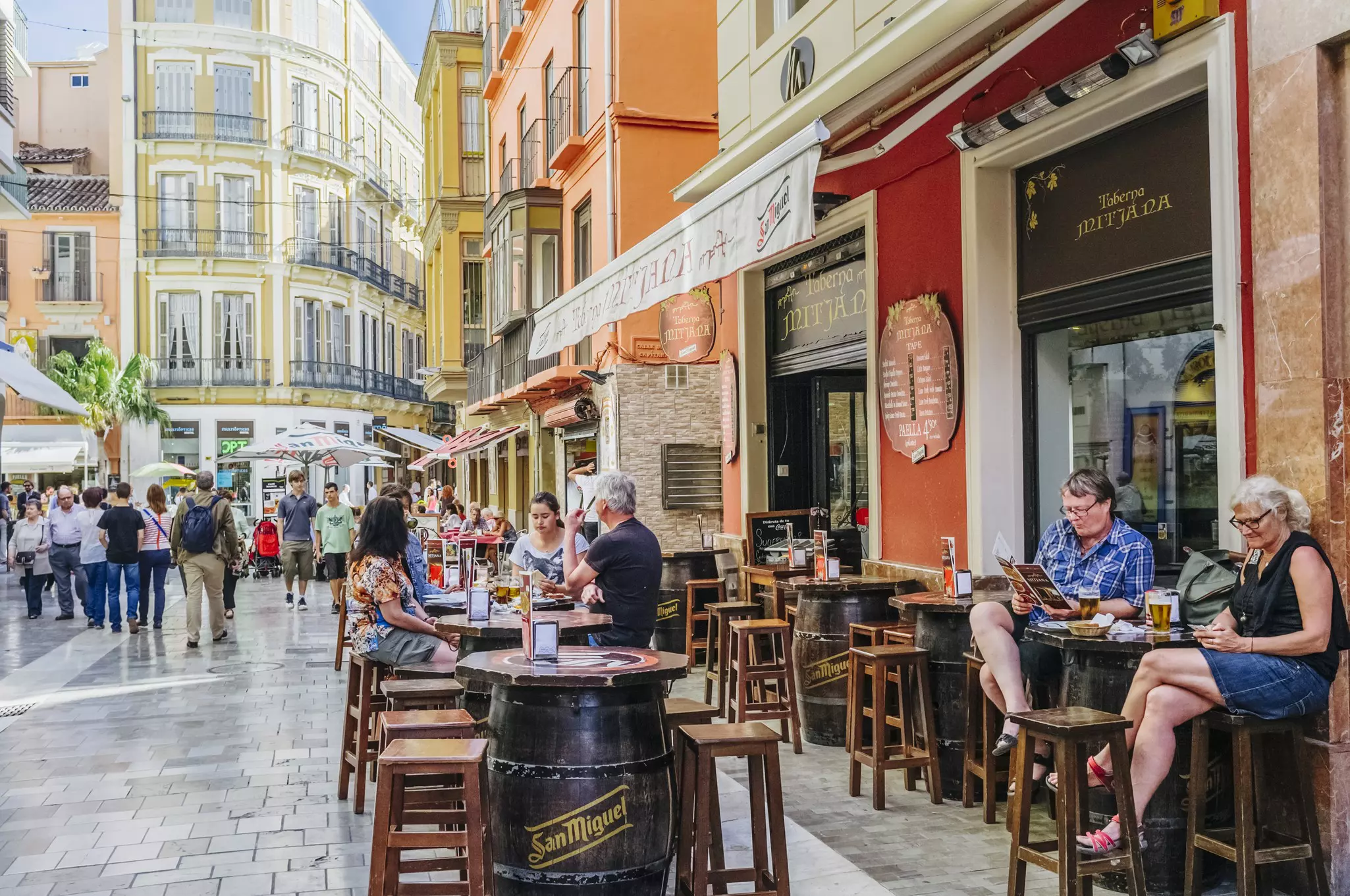
From the station, it’s a short 15-minute bus or metro ride into the historic center, or a 20-minute walk. The city’s Centro Histórico is very compact, and exploring on foot is the best option. Most first-time visitors stay in the Centro Histórico or Soho districts to be close to the sights and cobbled streets lined with inviting tapas bars.
You’ll probably only need to use local buses when going to the beach or visiting the city's old fishing neighborhoods, while Cercanías Málaga commuter trains can come in handy for a day trip along the coast or returning to the airport. You can pay for transport with contactless cards, but keep some cash handy for snacks and drinks while you explore.
Advertisement
Top things to do in Málaga
The best things to do in Málaga can be as arty, history-soaked or foodie as you choose, but be ready for queues at the big sights in summer.
Get to know Pablo Picasso in his hometown
Málaga is famed for being the birthplace of Spanish artist Pablo Picasso, and even though the father of Cubism only lived here until he was 10, this is one of the best cities in which to learn about Picasso's life. Visit the Casa Natal de Picasso to see where the artist was born and find out how his early life shaped the artist he became.
Move on to the Museo Picasso Málaga to view some 200 of the artist’s best works displayed in an elegant 16th-century palace. This is one of the city's top sights and it can get busy – come when it opens at 10am, or visit later in the day (the doors close at 7pm) for a quieter experience.
Planning tip: It's free to enter the Museo Picasso Málaga for 2 hours before closing time on Sunday. Pre-book tickets during the peak season to avoid a long wait at the ticket desk.
Marvel at Málaga's Renaissance cathedral
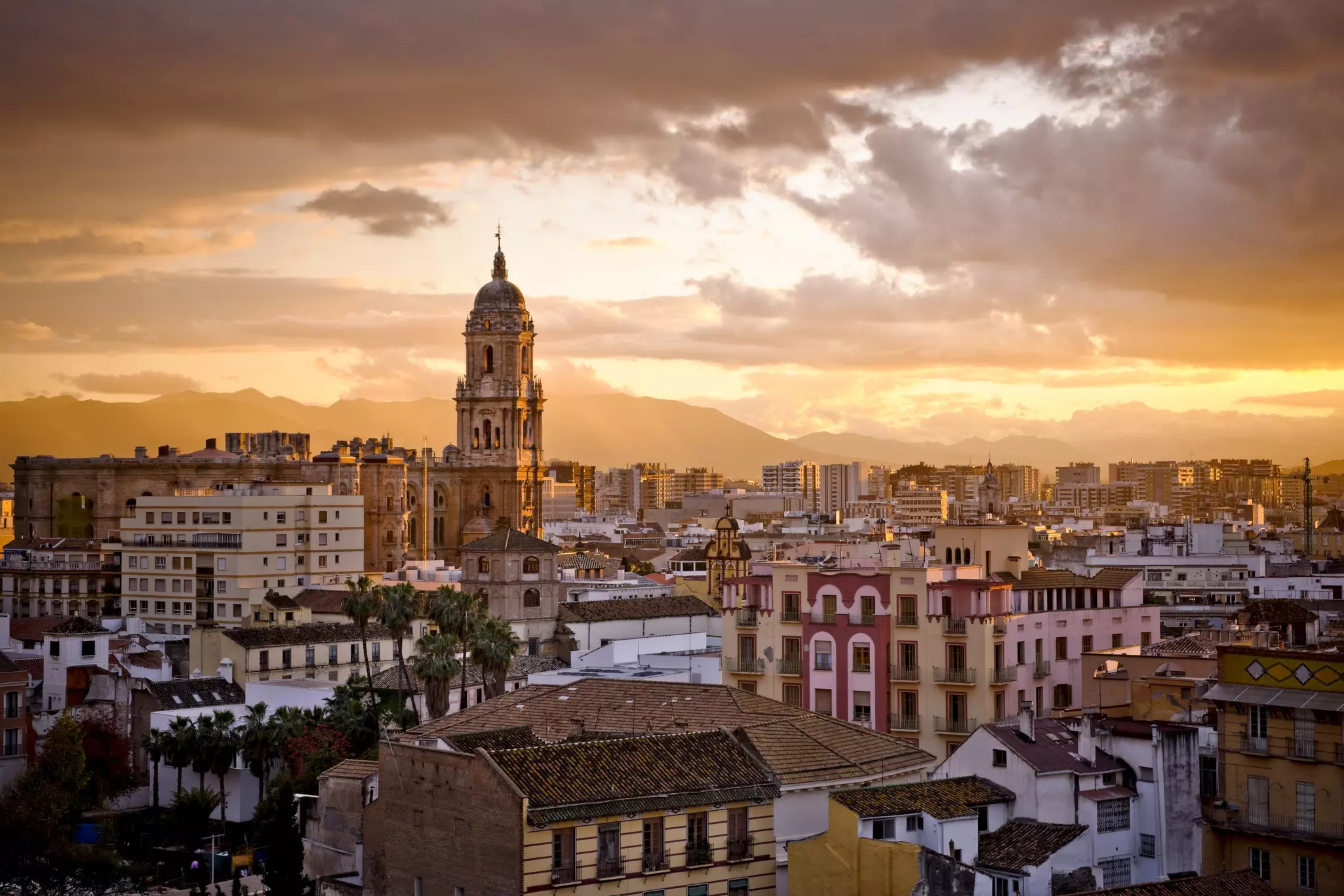
In the center of town sits the immense Catedral de Málaga. It’s one of the best examples of the Andalusian Renaissance style in the region, surrounded by lush gardens filled with ponds and fountains. The cathedral is set on the site of a former mosque and construction began in the 16th century and continued until 1782. Locals affectionately refer to it as "La Manquita" ("The One-Armed Lady") because only one tower was ever completed.
Planning tip: The cathedral website has a detailed labelled map to help you find the building's most striking features.
Explore the courtyards of the Alcazaba
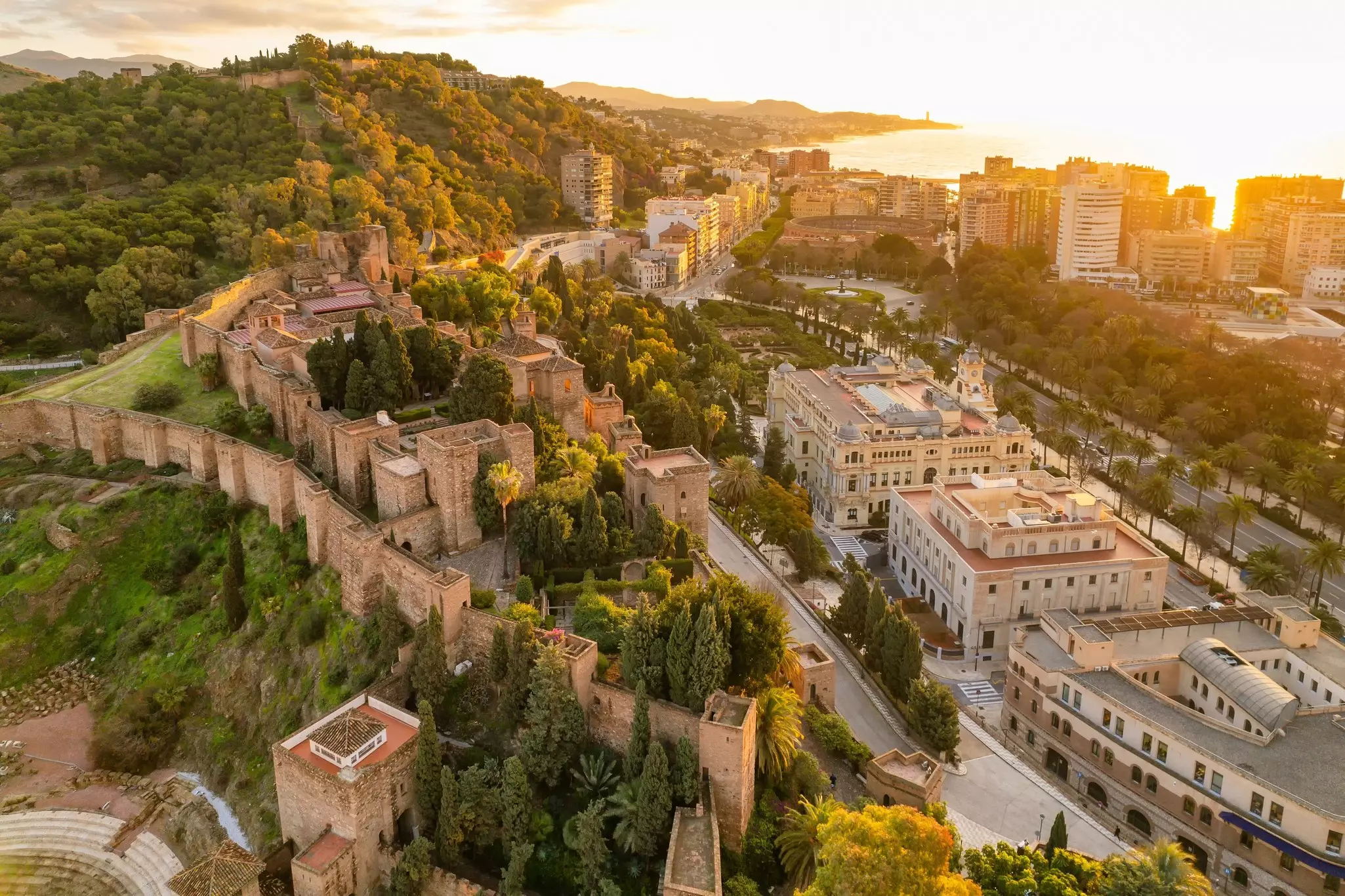
Climbing up the hillside and overlooking the Centro Histórico, the city’s Moorish fortress is one of its most emblematic sights. Originally built in the 11th century, the Alcazaba is a sprawl of courtyards and small fountain-filled gardens connected by rambling pathways and Arabic archways. It's best appreciated in the morning before the heat rises.
The highlight is the palatial-like Patio de la Alberca, reminiscent of Granada’s Alhambra. Up above the Alcazaba stands another impressive historic building – the Castillo de Gibralfaro. Also of Moorish origin, it was originally built in the 8th century, but was remodeled in the 14th century to be used as a lighthouse and military barracks.
Admire the ancient Teatro Romano
Sitting right below the Alcazaba is the city’s ancient Roman amphitheater. It dates from the time of Emperor Augustus in the 1st century AD and is quite a sight to behold, particularly when it’s lit up at night. Pop into the small, attached interpretation center to check out ancient objects and learn more about the city's Roman history.
Visit the market to sample local produce
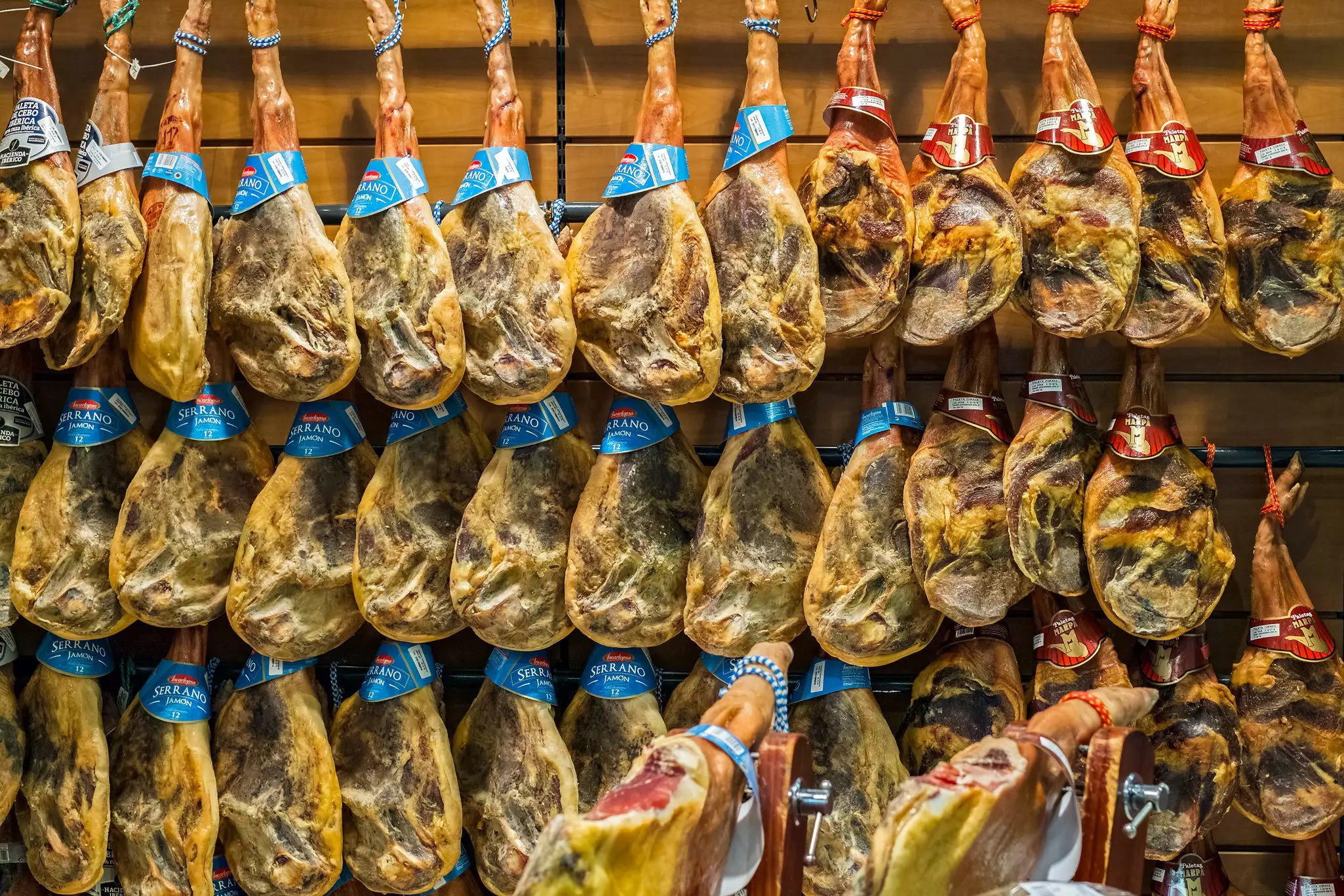
Soak in the sights and smells of the Málaga foodie scene inside the 19th-century Mercado Atarazanas, where vendors' stalls are loaded with everything from plump sardines and Payoyo cheese to olives and cured meats. The market even has two bars so you can stop and sample the produce on site. Its magnificent stained-glass window and Moorish-style entrance – once the gateway to the old city – only add to its splendor.
Eat sardines on the beach
Seafood is loved throughout Andalucía, but no other area is perhaps so enthusiastic about it as Málaga. The city’s main beaches – Malagueta, Caleta, Pedregalejo and El Palo – are more than just spots for sunbathing and swimming; they’re an extension of the dining room, where locals head in droves for big weekend lunches by the seashore.
The old fishing neighbourhoods of Pedregalejo and El Palo still retain some of their traditional vibes, but today they have also become popular foodie districts where chiringuitos (beach bars) stand along the edge of the sand. Must-try dishes include espetos de sardinas – skewered sardines, grilled over coals – and boquerones al limón (grilled anchovies soaked in lemon and then deep-fried).
Dive into Málaga's art scene
Picasso is not the only artist who made his mark on the city. Málaga is southern Spain’s biggest and most important art hub – hosting everything from historic works to contemporary modern art and street art. If you like old masters, the Museo de Málaga houses around 2000 works, dating from the 15th century right up to the 20th century.
For something with a more modern focus, the Centro de Arte Contemporáneo hosts regularly changing exhibitions from local artists as well as famous international talent, while the Centre Pompidou Málaga is an offshoot of the famous modern art museum in Paris. Stroll through the city’s Soho neighborhood, too – it's like an open-air museum filled with street art from some of the world’s best graffiti artists.
My favorite thing to do in Málaga
I love walking the city at night, taking in all its ancient monuments, which look magical when lit up after dark. Eventually, I’ll hit some of its most historic bars for a lively tapas crawl – nightlife in Málaga is not just about drinking and dining, it's an introduction to the soul of the city.
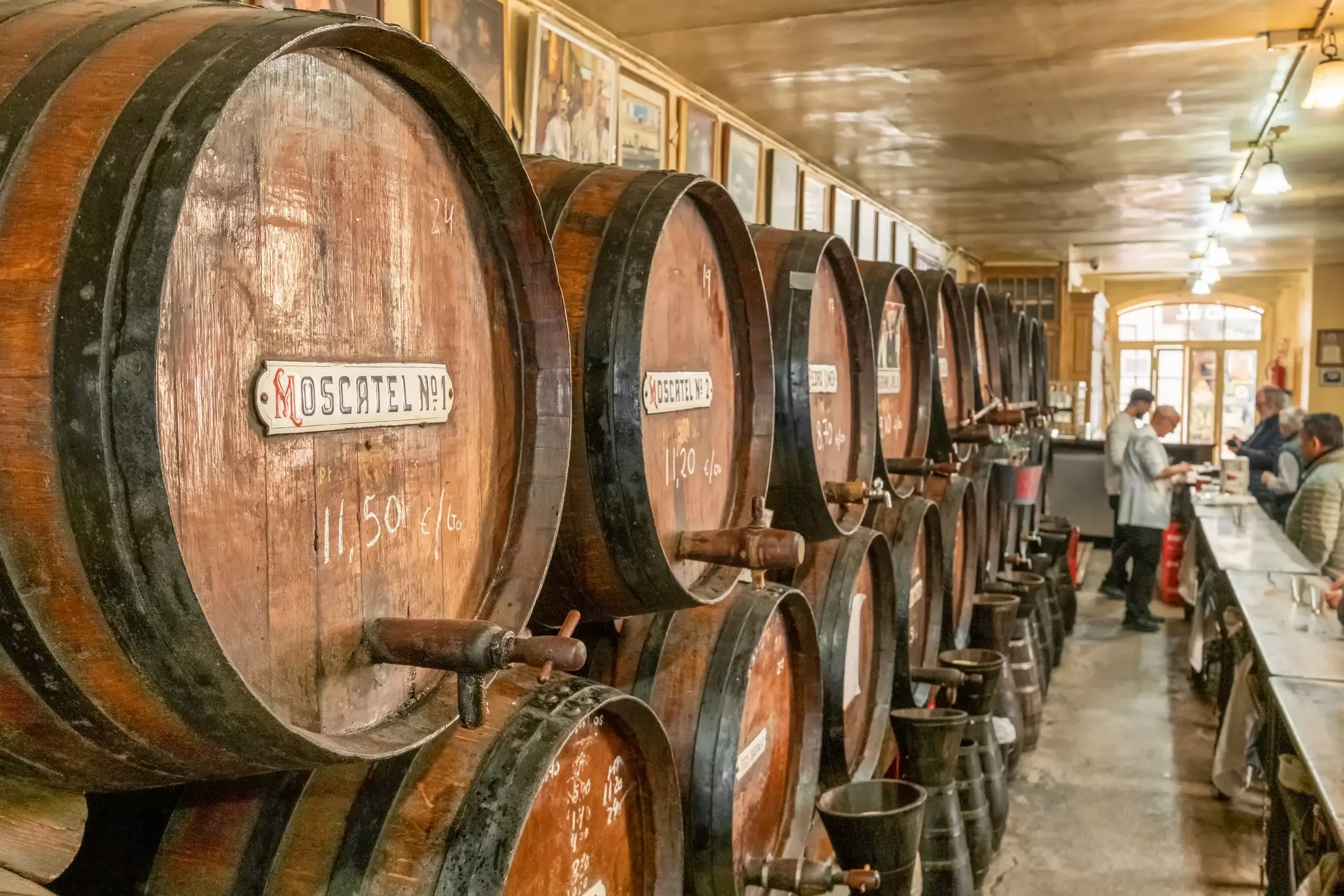
I love the madness of Antigua Casa de Guardia, where you jostle up to the long bar and fight for space to sample sweet Málaga wines served directly from the barrels. Next, I’ll head to the rambling rooms of El Pimpi, right in front of the Alcazaba; its interior is decorated with old posters, wine barrels, Andalusian ceramic tiles and climbing green vines.
For something a little different, I love Taberna Cofrade Las Merchanas, a Semana Santa-themed bar filled with over-the-top religious memorabilia and delicious classic tapas bites.
How much money do I need for Málaga?
Generally, Spain is not considered an expensive destination, but over the last few years, prices have been rising dramatically, and Málaga has been especially impacted. You should bank on spending from 100 euros (€) per day if you stay in hostel accommodation, and from €150 per day if you stay in mid-range hotels.
Keep in mind that prices for accommodation can soar in summer; book well ahead for the best rates. Most places accept debit cards, but it's a good idea to have cash for your post-siesta tapas break. Here are some approximate costs for common items in the city.
Hostel dorm bed/room: from €30/60
Basic double hotel room: from €90
Self-catering apartment (including Airbnb): from €90
One-way ticket on public transport: €1.35
Cup of coffee: from €1.50
Churros donuts with a drink: €4
Plate of tapas at La Tranca: €3–15
Dinner for two: from €30
Pint of local beer/glass of wine at Recyclo Bike Café: from €4/3
Advertisement
Take your Spain trip with Lonely Planet Journeys
Time to book that trip to Spain
Lonely Planet Journeys takes you there with fully customizable trips to top destinations – all crafted by our local experts.