Advertisement
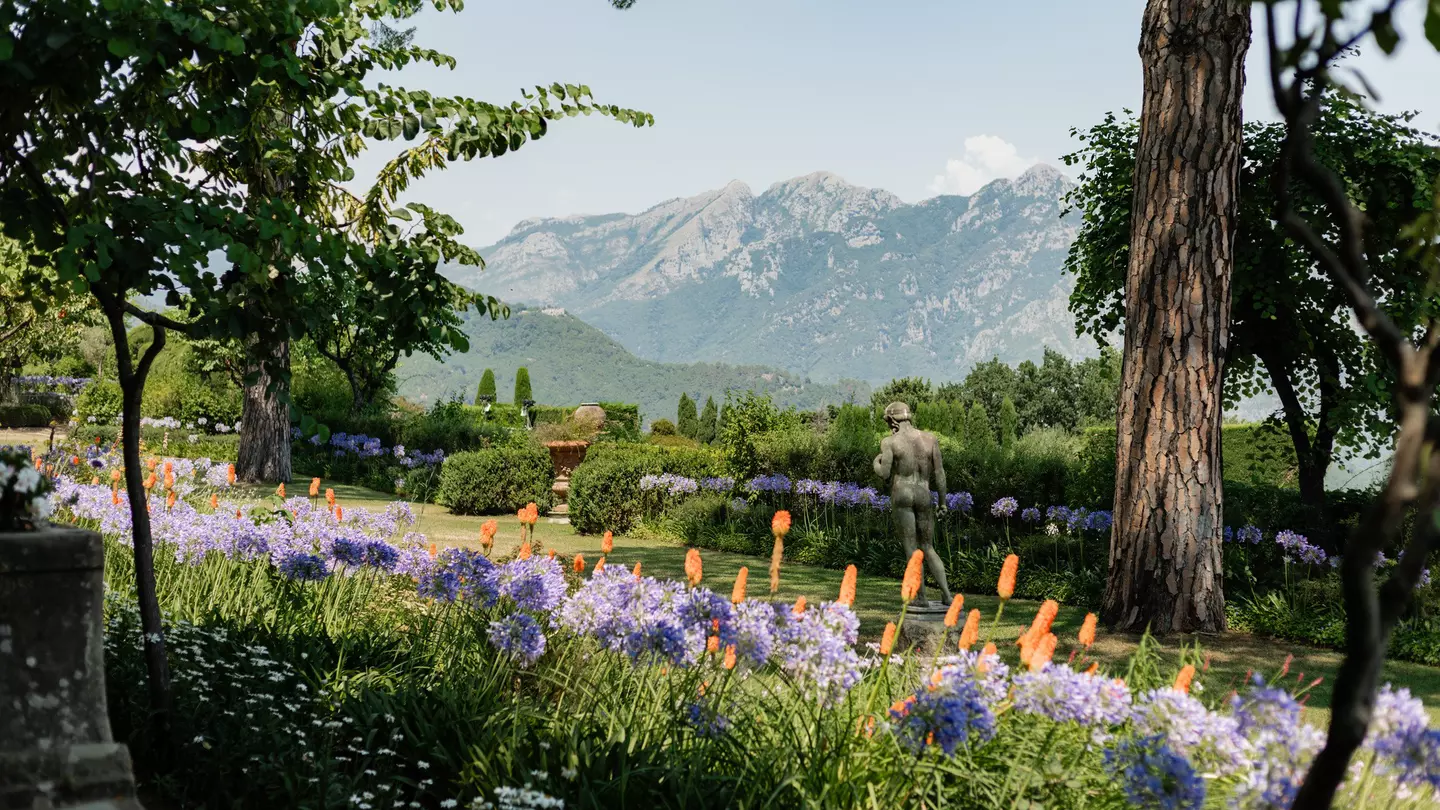
The Villa Cimbrone Gardens in Ravello, Italy in July. Alexis Doyle for Lonely Planet
Italy’s scenic riches are, quite frankly, embarrassing. This nation at the sunny end of the Mediterranean is home to more UNESCO World Heritage sites than any other country, and few destinations can match its wealth of art, architecture, history, and astonishing natural beauty.
The most beautiful places in Italy span everything from hillsides crowned by Roman temples and Byzantine basilicas to skyscraping Alpine peaks, lauded vineyards and spellbinding coastlines. Here, the offerings are as varied as they are captivating, and the list of spots to choose from can be almost overwhelming.
While it’s impossible to whittle Italy’s must-see beauties down into one definitive list, the following are some of our absolute favorite places to gaze upon. Spots such as Venice, Ravello and the Dolomites are world-famous, others are well-kept secrets, but all promise an unforgettable journey through the Bel Paese (beautiful country).
Whether you're a first-time visitor or a regular planning a dream itinerary, consider these beautiful places in Italy for your next trip.
1. Rome, Lazio
Best for living Roman history
Advertisement
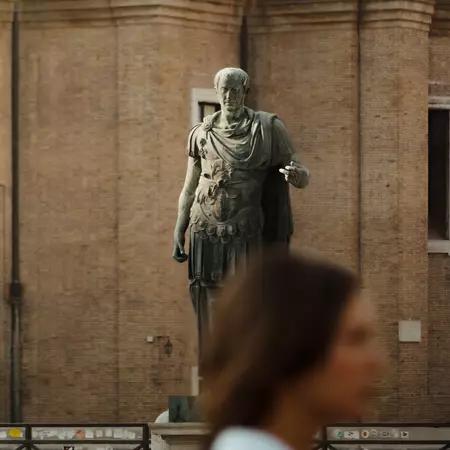
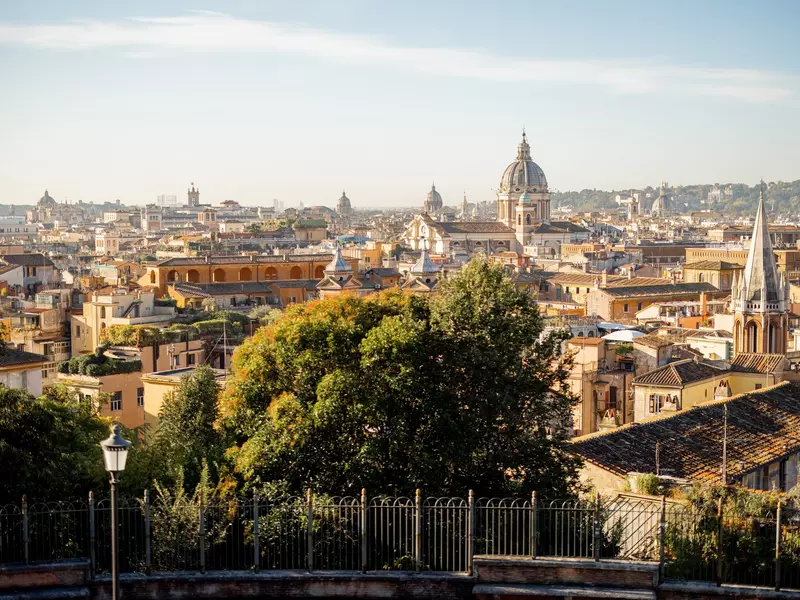
Ah Rome! Few cities are so steeped in lore and legend. This is the spot where a wolf reputedly raised Romulus and Remus, where Brutus knifed Julius, where Michelangelo vaulted heavenward in the Sistine Chapel, and where Anita Ekberg lured Marcello Mastroianni into the Trevi Fountain for a midnight splash.
What makes Italy’s capital so electrifying is how close its nail-biting past still feels. You can almost hear the clash of gladiatorial swords in the Colosseum, the crack of Bernini’s chisel in Santa Maria della Vittoria, and Audrey Hepburn’s delighted squeals in Piazza Venezia from the 1953 movie Roman Holiday. On every piazza, down every cobbled street, millennia-worth of tales await.
Planning tip: Dodge peak crowds at archaeological hotspots like the Colosseum and Roman Forum by visiting first thing in the morning or late in the afternoon – the weather is cooler, and the light is better for photos.
2. Venice, Veneto
Best for cosmopolitan treasures
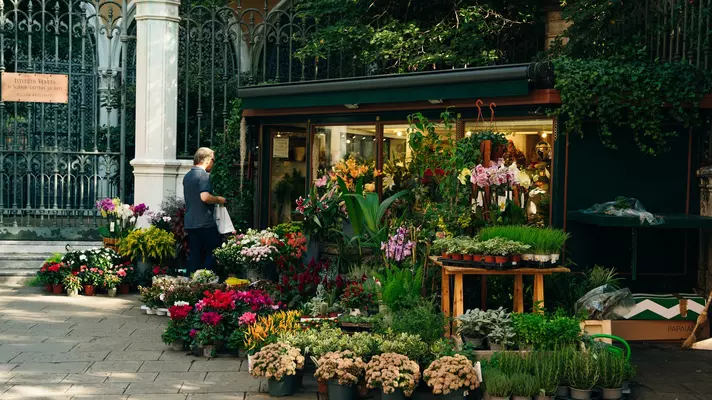
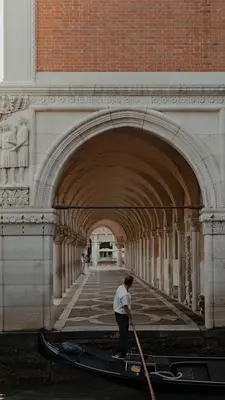
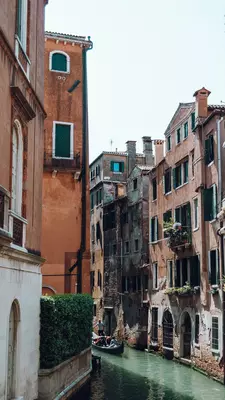
For centuries, Venice was the New York of the Adriatic – a trading superpower where merchants, scholars, and artists converged in search of opportunity and ideas. Echoes of this Golden Age still reverberate in the iridescent Byzantine mosaics of Basilica di San Marco and Santa Maria Assunta, the jewel-box synagogues of the Venice Ghetto, and the rare Armenian manuscripts in the monastery on tiny San Lazzaro degli Armeni.
Sure, Venice is crowded, often expensive, and sometimes soggy underfoot, but its magic endures. Glimpse it in the turban-peppered scenes of Giovanni Mansueti’s Episodes from the Life of St Mark at the Gallerie dell’Accademia, and taste it in Venice’s sarde in saor (sweet-and-sour fried sardines).
Planning tip: Venice’s struggles with overtourism are well-documented, as is the tourist tax designed to reduce overcrowding. Consider visiting the city in winter – not only is it less busy (outside of Carnevale in late January), it’s also wonderfully atmospheric and often cheaper.
3. Lago di Como, Lombardy
Best for lakeside glamour
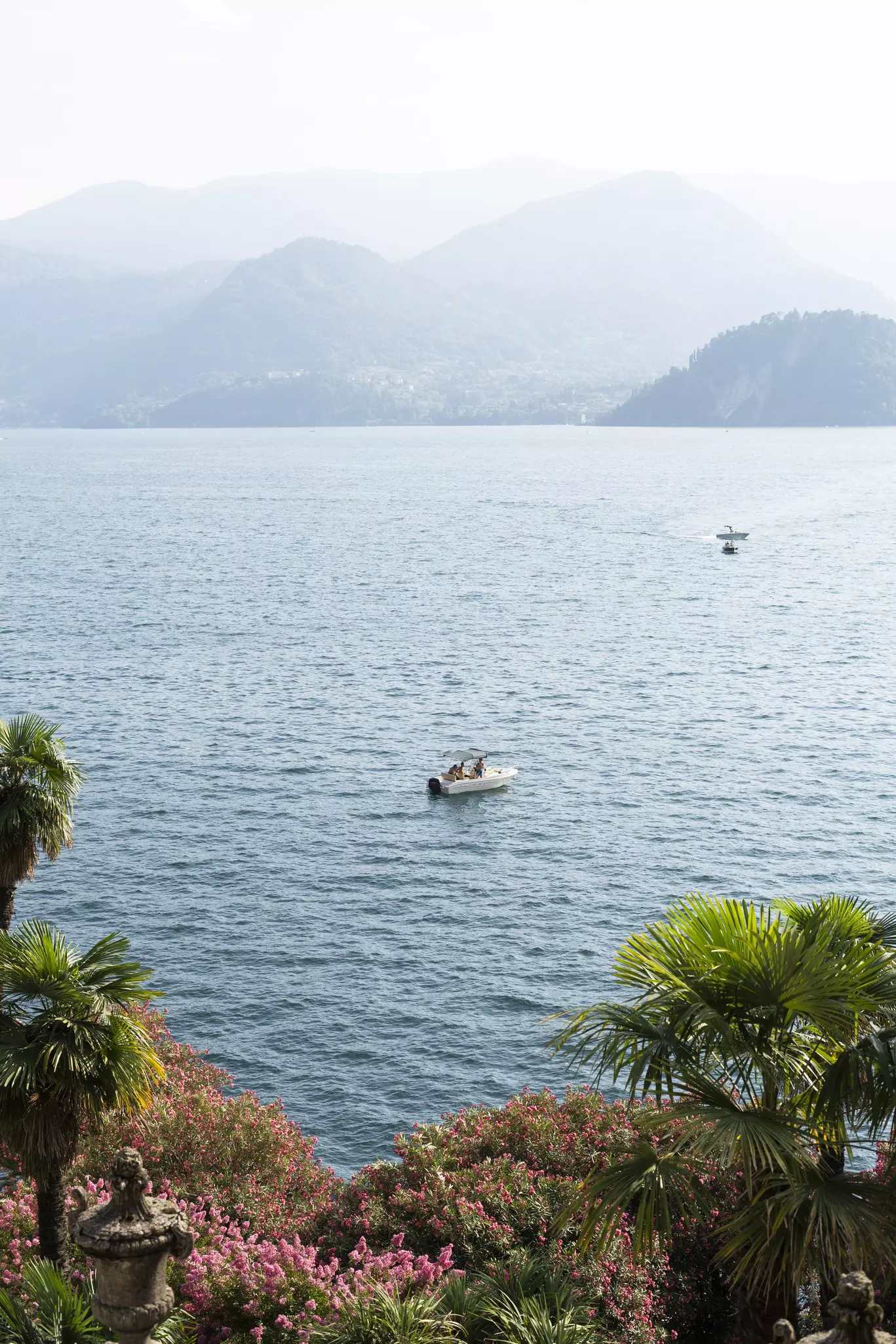
The most drop-dead-gorgeous of northern Italy’s great lakes, Lago di Como has long seduced the rich, famous and hopelessly romantic. Spilling north of Milan, steep, verdant hillsides tumble towards cerulean-blue waters, where pastel villages, citrus-scented gardens and sublimely elegant villas like Villa del Balbianello and Villa Melzi d’Eril skirt the lakeshore. Beauty comes at a price, in the form of a premium on accommodation, but it's a worthy investment for such lavish scenery.
Villa Melzi d’Eril graces Bellagio, the most scenically set of the lake’s storybook towns. Stay overnight, if only to relish Bellagio’s magic after the day-trippers vanish. And for hikers? The drama continues above Lago di Como’s waterline, where trails like the Antica Strada Regina – a Roman-era route – promise magnificent vistas.
Planning tip: If Bellagio’s daytime crowds get too much, slip away to the old fishing village of Pescallo, less than a 15-minute walk from the center of town. The vibe is tranquil, and the lake views are charming. Nearby Lago di Maggiore offers similarly stunning scenery with a slightly calmer vibe.
4. Golfo di Orosei, Sardinia
Best for dazzling beaches
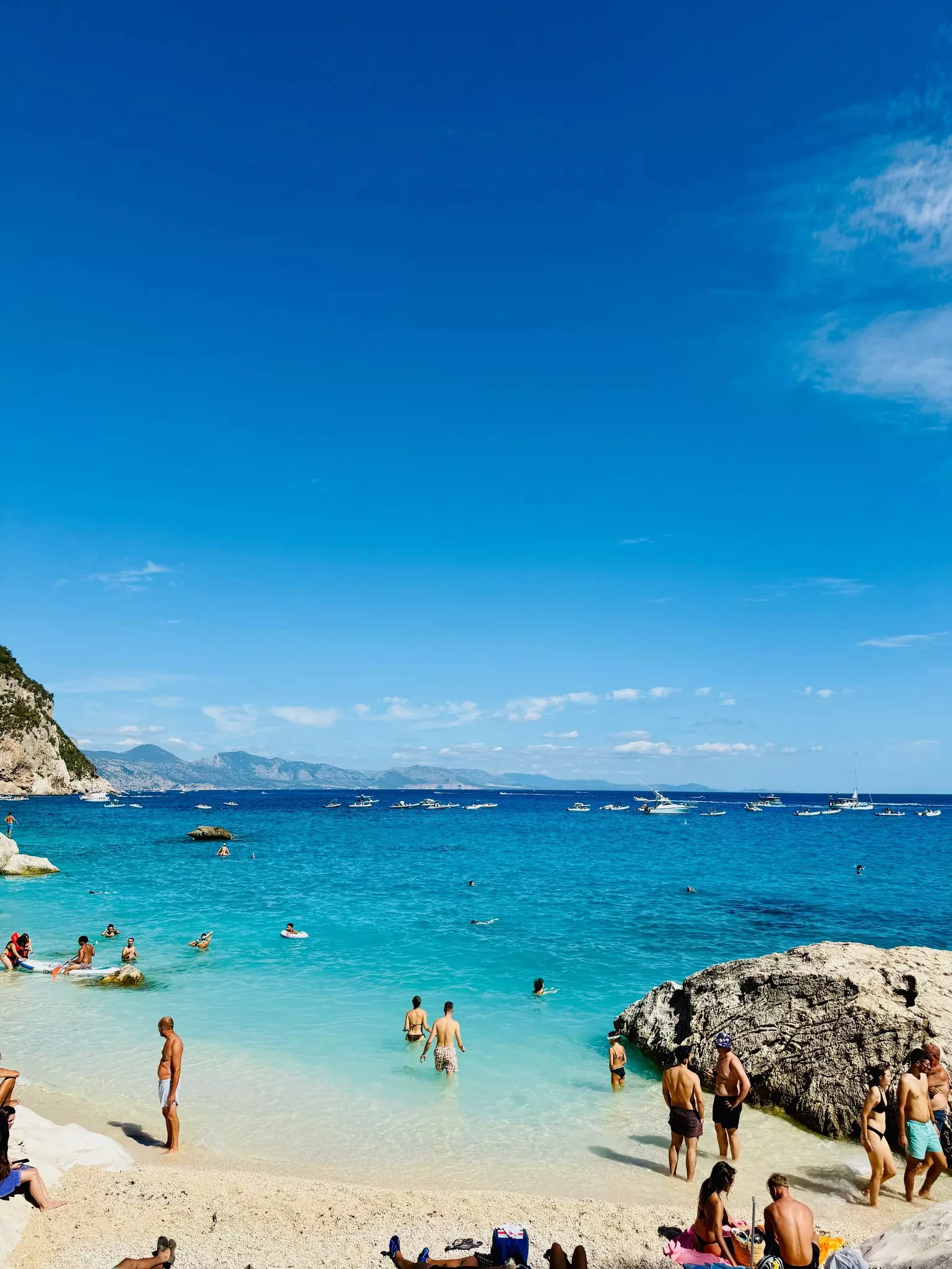
Sardinia’s curving Golfo di Orosei is simply stunning. Here, nougat-colored cliffs plunge to white beaches and aquamarine waters that could make the Maldives blush, lining the island's idyllic northeast coast. Many of the gulf’s cale (coves) and sea grottoes are accessible only by hiking trail or boat – among them intimate Cala Mariolu, regularly ranked among the world’s most beautiful beaches.
Numerous boat tours and hikes depart from the low-key, sun-bleached town of Orosei, a laid-back but well-placed base for exploring this pristine corner of Mediterranean paradiso. Enjoy dramatic coastal views as you approach by road, and equally radiant views toward land if you take a day cruise along the coastline.
Advertisement
Planning tip: September is a sweet spot in Sardinia – the crowds have thinned, the sea’s still warm, and Autunno in Barbagia, a three-month celebration of Sardinian culture, is just getting started.
5. Langhe, Piedmont
Best for big reds and truffles
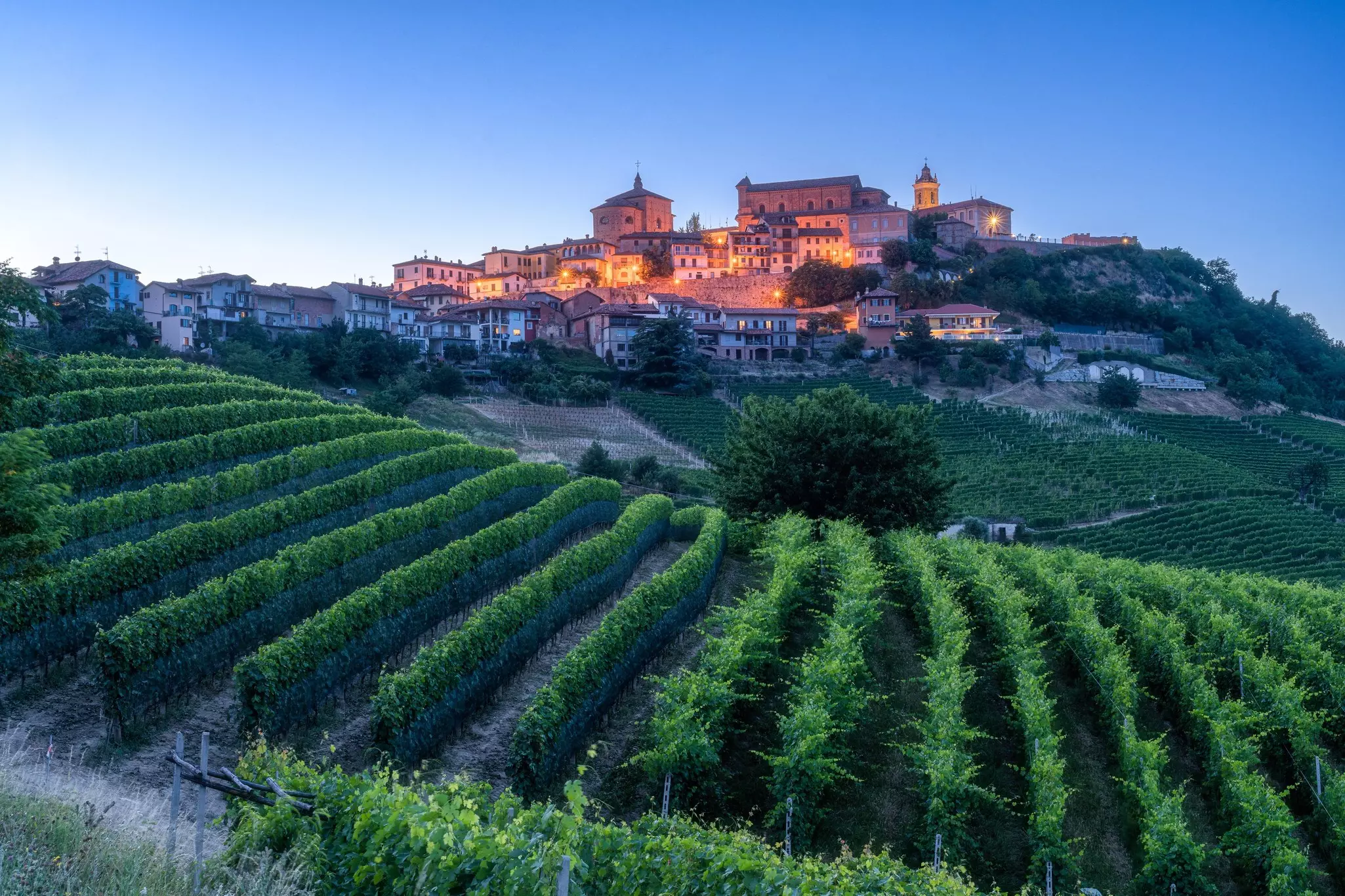
The misty, rolling hills of the Langhe are Valhalla for discerning buongustai (gourmands). A short drive southeast of Turin, Piedmont’s orderly, French-tinged capital, the Langhe region is famed for delicacies such as prized white truffles and bold, brooding Barolo wine.
Should you savor them under the frescoed ceiling of Osteria dei Meravigliati in Canelli, at Tenuta Baràc winery in tiny San Rocco Seno d’Elvio, or amid the buzz of the Fiera Internazionale del Tartufo Bianco d’Alba, Alba’s autumnal white-truffle festival? The choice is yours!
Between long, lazy feasts, while away the days wandering medieval hilltop villages like La Morra and Monforte d’Alba, or pedal quiet backroads flanked by vineyards, orchards, and undulating views. The historic town of Alba makes a convenient base for exploring.
Planning tip: As well as visiting the Langhe, consider spending a few days in Turin, Italy’s original capital city. Home to a royal palace, historic cafes, and one of the world’s foremost museums of Egyptian antiquities, it’s one of the country’s more surprising standouts.
6. Ravello, Campania
Best for fabled coastal views
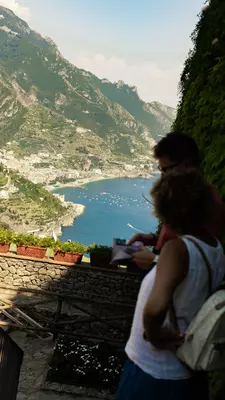
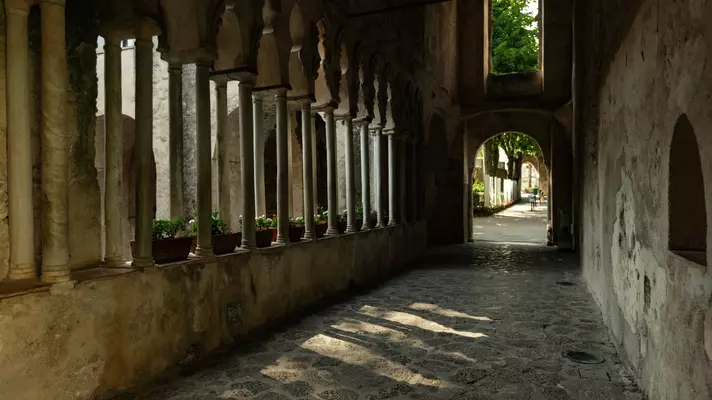
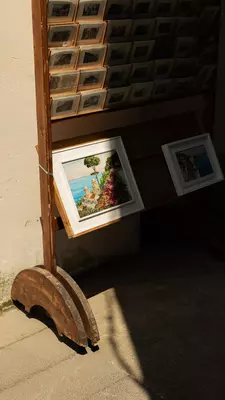
Suspended high above the unmissable Amalfi Coast, Ravello has a knack for rousing passion. DH Lawrence penned the most scandalous chapters of Lady Chatterley’s Lover at Villa Rufolo, whose gardens also inspired the magical garden of Klingsor in Richard Wagner’s opera Parsifal.
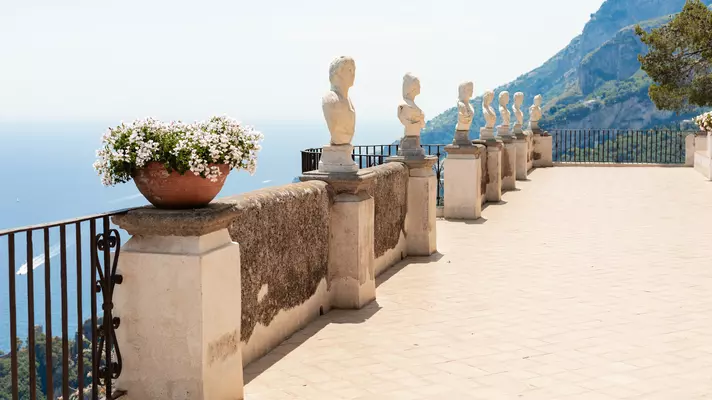
Greta Garbo and her lover, Leopold Stokowski, used Villa Cimbrone as their hideaway, and its "Terrace of Infinity" still serves up piercing coastal views that are impossible to forget. Ravello itself is a pocket-sized sanctuary, its hushed winding lanes leading past peeling residences, tangled gardens and sunning felines.
Let it cast its spell with an overnight stay, when the day-trippers disperse, the streets exhale, and the place feels like a sweet little secret. Visit without a car if possible; the Nastro Azzurro highway is choked in during the summer peak season, when you're better off taking the bus or ferries from Naples or Salerno.
Planning tip: Held in summer, the Ravello Festival is a world-class celebration of music, film and dance. Headline concerts – especially those at Villa Rufolo – sell out fast, so book early.
7. Val d’Orcia, Tuscany
Best for Tuscan backdrops
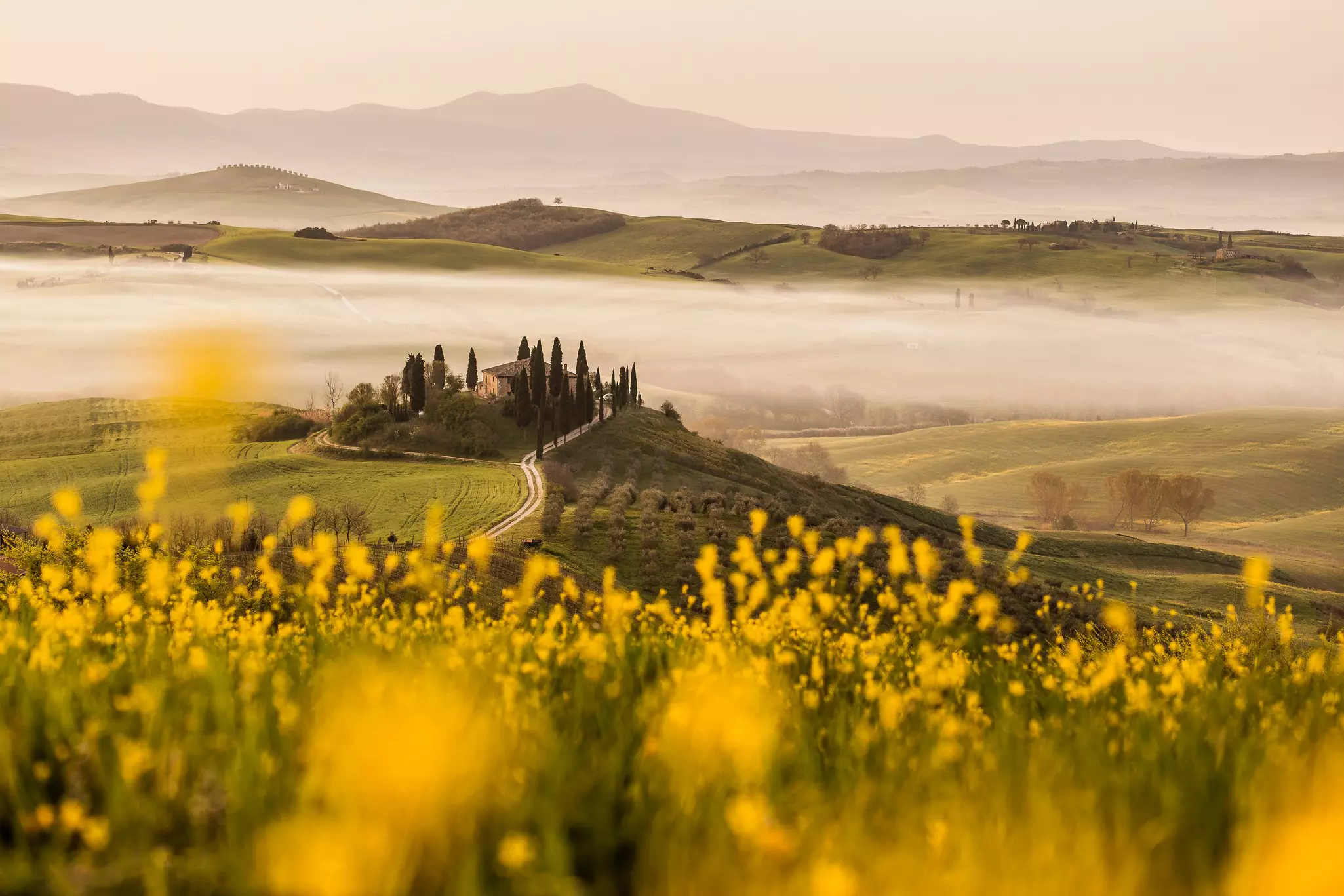
Genteel hills stitched with cypress-lined backroads and biscuit-colored villages like Monticchiello and Castiglione d’Orcia: the World-Heritage Val d’Orcia is Tuscany at its most ethereal. Stretching from the hills south of Siena to the slopes of Monte Amiata, the valley unfolds like a Botticelli backdrop – impeccably composed.
For epicureans, this corner of Tuscany piques appetites with handmade pici pasta and prized salumi from heritage Cinta Senese pigs. Even the valley’s cacio nero pecorino cheese leads somewhere wonderful – to Pienza, a medieval hilltop town reimagined as the ideal Renaissance city by homegrown pontiff, Pope Pius II. Montalcino is another attractive base.
Planning tip: In early September, Pienza celebrates its coveted cheese with the Fiera del Cacio al Fuso, a week-long festival in which local districts compete in the Gioco del Cacio al Fuso, rolling wheels of cheese around a wooden spindle in the town’s main piazza.
8. Ortygia, Sicily
Best for Sicilian dolce vita
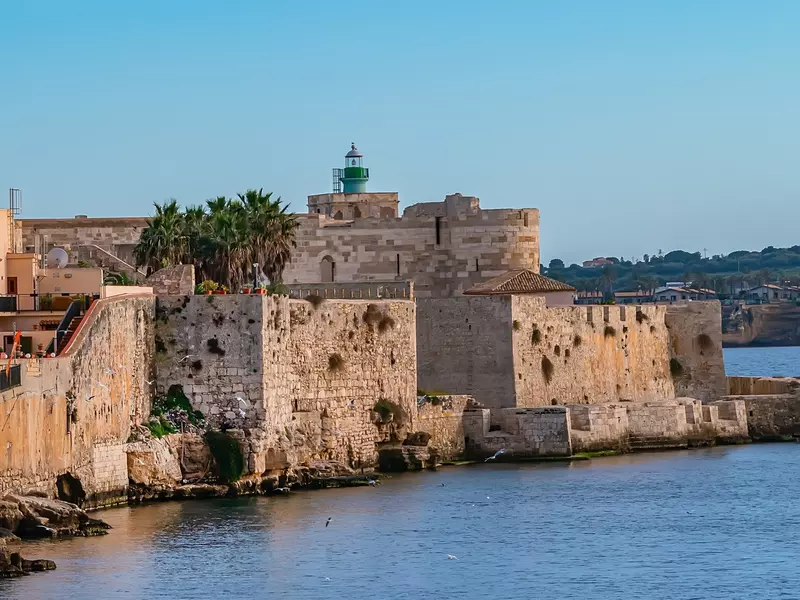
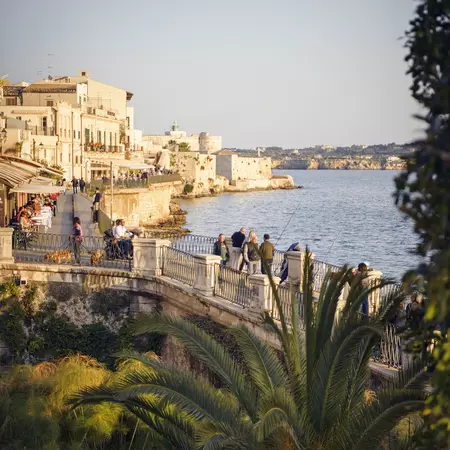
Lapped by turquoise seas, the breezy, chic island of Ortygia is the heart of Syracuse in sun-smooched Sicily. Labyrinthine streets lure with bijou boutiques, on-point bars, and sly traces of its layered past. Look out for the 6th-century Jewish miqweh (ritual bath) hidden beneath the Hotel Alla Giudecca, and the 5th-century BCE temple columns embedded in the city's 7th-century Duomo.
The cathedral flanks one of Sicily’s most cinematic squares, Piazza del Duomo – famously strutted by Monica Bellucci in Giuseppe Tornatore’s 2000 film Malèna. Come aperitivo (pre-dinner drink) time, dress sharp, grab a piazza-side table, and channel your inner Italian icon.
Planning tip: From late May to early July, Syracuse’s Festival del Teatro Greco stages classical Greek plays (in Italian) in the city’s ancient amphitheater. Book ahead at indafondazione.org or ticketone.it.
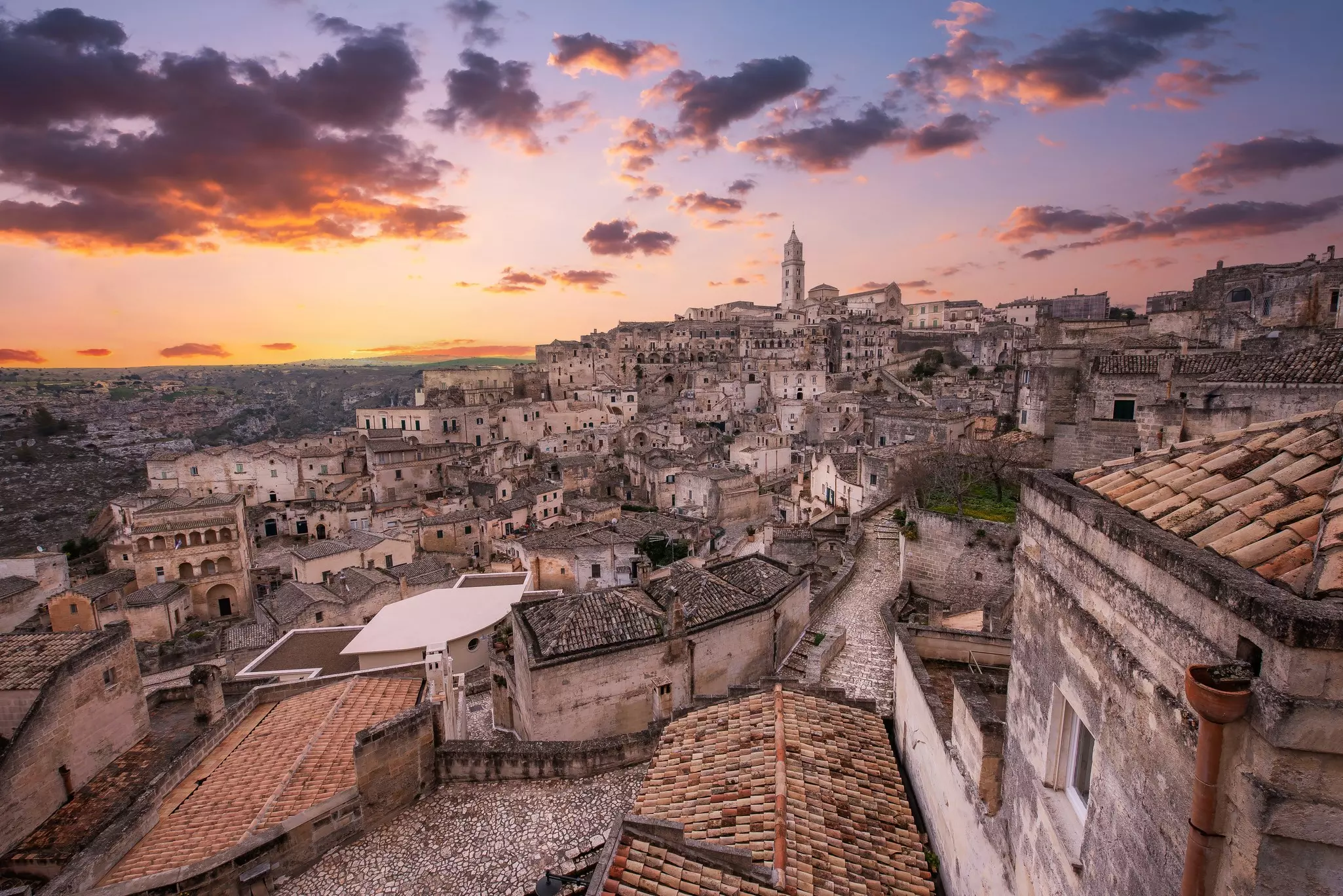
9. Matera, Basilicata
Best for surreal living
Hand-hewn from tufa limestone, Matera in Basilicata in Italy's far south is famed for its sassi – cave dwellings that spill down a ravine in an eye-candy cascade. Just a few generations ago, the southern city was a source of national shame, a symbol of abject poverty and neglect. Today, its once-crumbling caves house designer digs, contemporary galleries like MUSMA, wine bars, and locavore eateries celebrating Lucanian produce.
Despite its remarkable renaissance, Matera’s age-old soul lingers in its frescoed cave churches, including the Cripta del Peccato Originale – nicknamed the "Sistine Chapel of rupestrian art" for its arresting Byzantine-style paintings.
Planning tip: Matera makes a good base for exploring Basilicata’s lesser-known treasures by car, including Venosa's evocative Abbazia della Santissima Trinità, the incredible ghost town of Craco, and the Hellenic temple ruins of the Tavole Palatine.
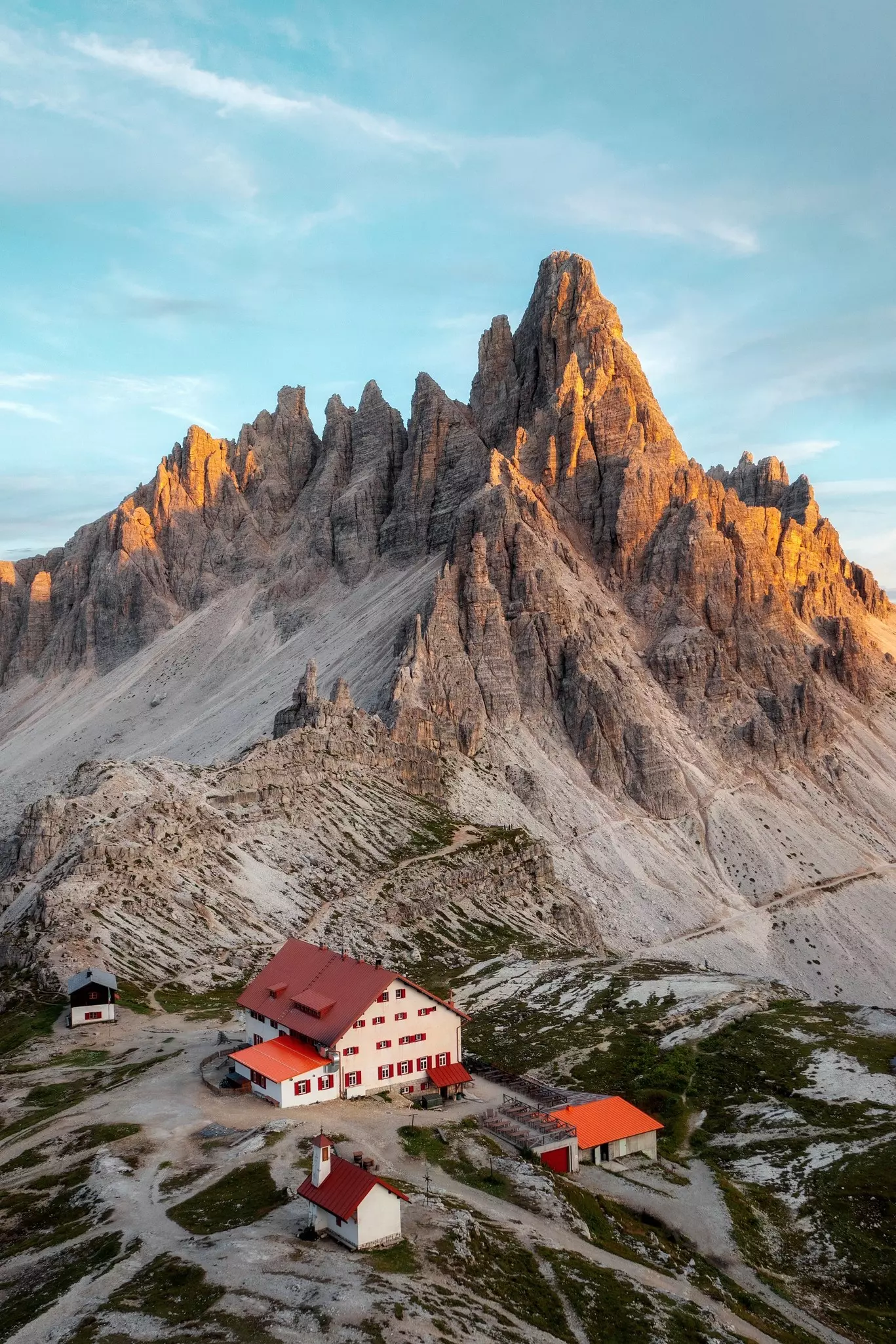
10. Tre Cime di Lavaredo, Trentino-Alto Adige/Veneto
Best for alpine majesty
Even if you’ve never been to the Dolomites, chances are you’ll recognize the iconic Tre Cime di Lavaredo (Drei Zinnen). Jagged and dramatic, these limestone peaks – Cima Grande (2999m), Cima Occidentale (2973m) and Cima Piccola (2857m) – are famous for their mesmerizing play of color, from soft pink at dawn to deep amber at dusk. The town of Cortina d'Ampezzo is a glamorous but gorgeous hub for mountain exploration.
For an easy, breathtaking (albeit distant) view, pull over at the Vista Panoramica Tre Cime Lavaredo, a lookout tucked between Lago di Landro and the village of Dobbiaco. For a much closer look, lace up your boots and tackle the 9.7km Tre Cime di Lavaredo Circuit – one of northeast Italy’s most spectacular mountain hikes.
Planning tip: The Tre Cime di Lavaredo Circuit begins at the Rifugio Auronzo (2333m), 7.5km northeast of Lago Misurina, accessible via a sealed toll road (or pre-book the shuttle bus from Dobbiaco) from late May to late October. Parking must be reserved online in advance.
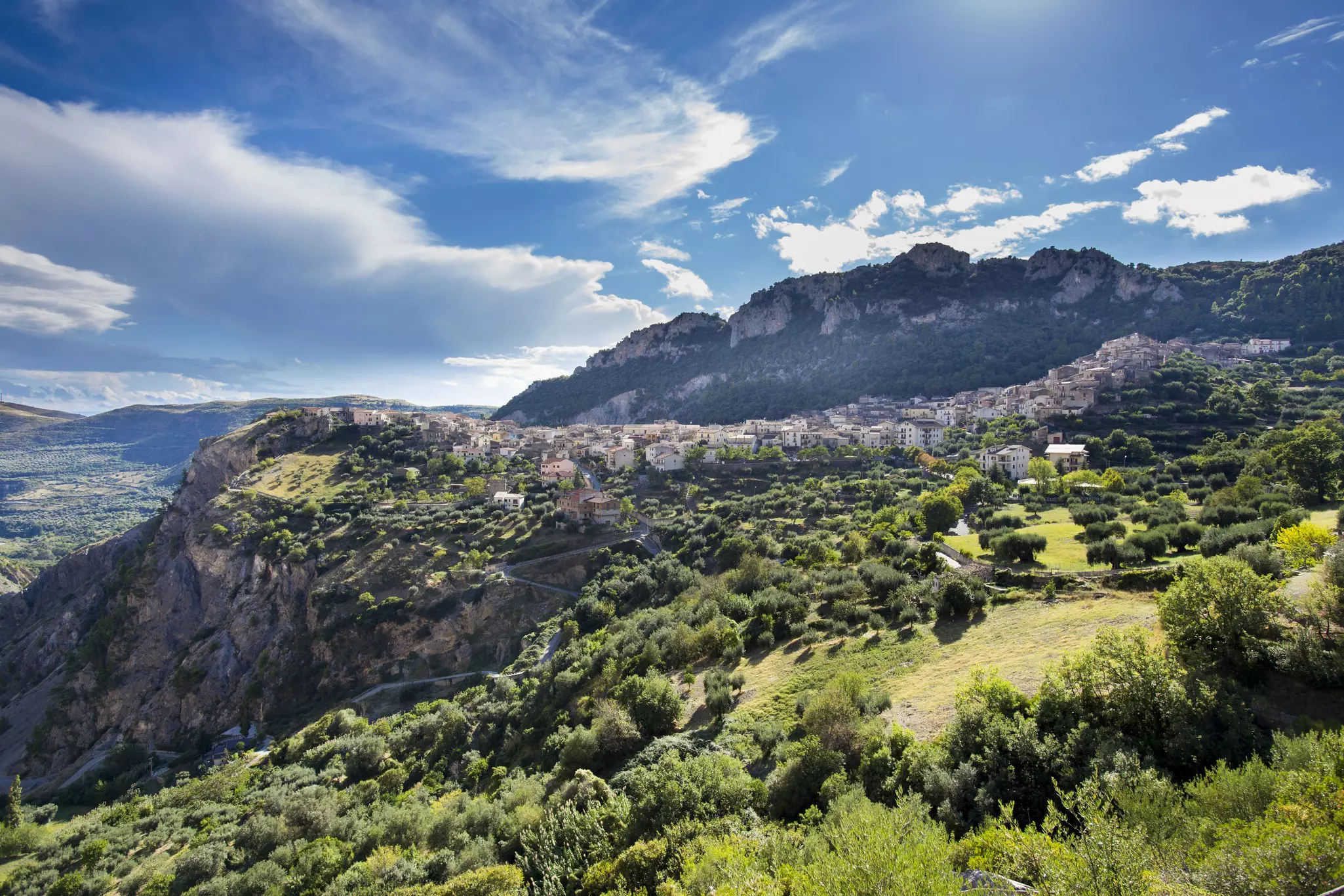
11. Civita, Calabria
Best for Italo-Albanian culture
In the wild, untamed Parco Nazionale del Pollino, the cozy, weathered town of Civita is one of Calabria’s unexpected delights. It’s also one of Italy’s oldest Arbëreshë settlements, founded by Albanians fleeing the Ottoman Empire in the 15th century. Their distinct hybrid culture lives on in traditional vallje dances, Byzantine-rite churches, and the small but fascinating Museo Etnico Arbëresh.
Arbëreshë culture is also etched into the layout of the village’s oldest streets – a gjitonia, where a semicircle of homes curves around a "mother house" and a small square. If some of Civita’s abodes start to look like faces, you’re not hallucinating – you've spotted the town's so-called "Talking Houses," a surreal yet endearing tribute to Albanian artist Ibrahim Kodra.
Planning tip: Straddling Calabria and Basilicata, the Parco Nazionale del Pollino is Italy’s largest national park and a wonderland for hikers and adrenaline junkies. Top activities include white-water rafting on the Lao River.
Advertisement
Take your Italy trip with Lonely Planet Journeys
Time to book that trip to Italy
Lonely Planet Journeys takes you there with fully customizable trips to top destinations – all crafted by our local experts.