Advertisement
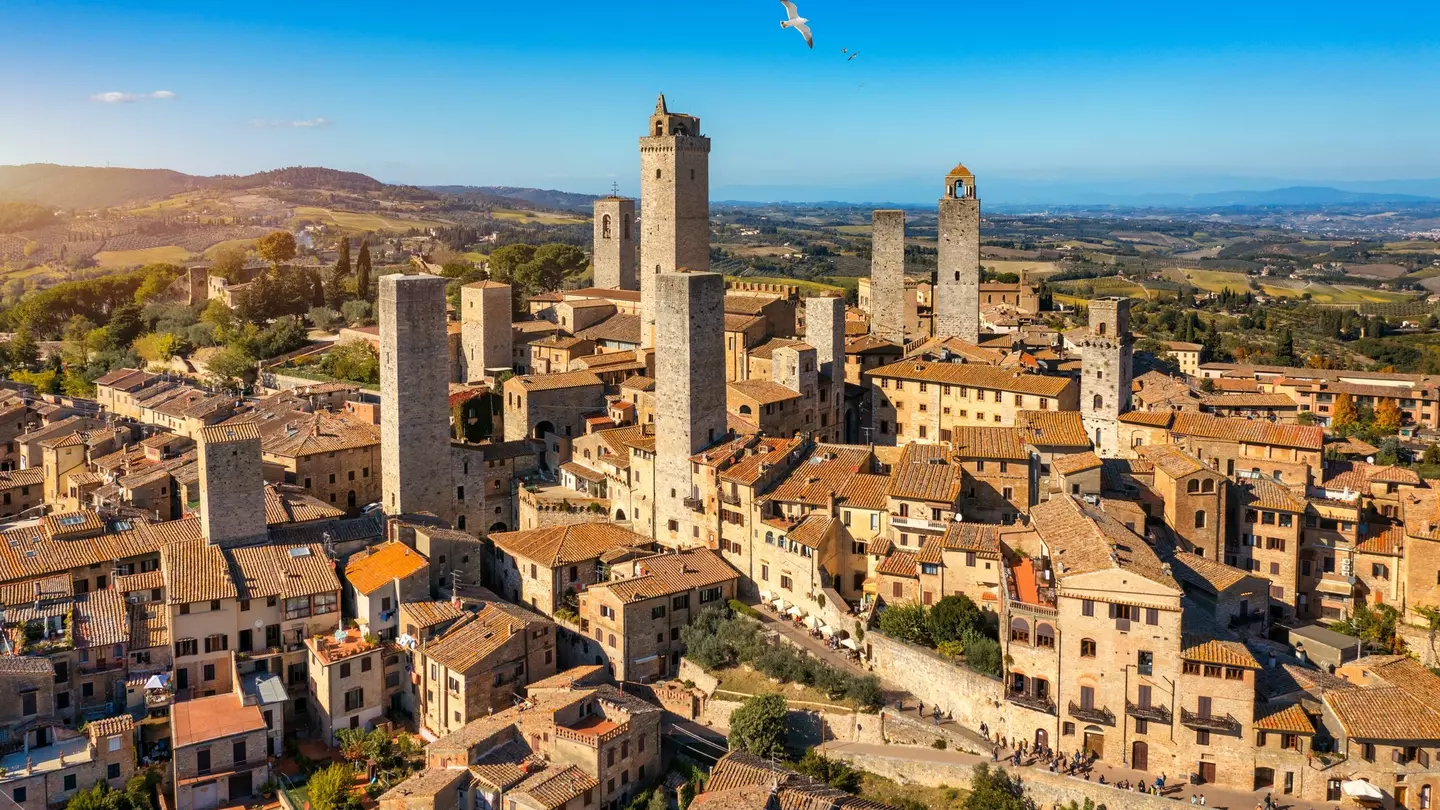
The tall towers of San Gimignano in Tuscany, Italy. DaLiu/Shutterstock
When comes to art, architecture, culture and cuisine, Italy created the template for the world to follow. No matter where you live, the chances are you'll have heard of the Romans and Leonardo da Vinci, seen an opera singer or ballerina (even if only on TV) and tasted Italian pizza and pasta.
The best places to visit in Italy are some of the best places to visit on the planet, serving up a rich variety of experiences. World-class destinations such as ancient Rome, Venice and Tuscany top the don't-miss list, and there's no bad time to come to Italy, though the summer crowds can be something to behold.
With Italy's art- and architecture-stuffed cities and its astonishing diversity of natural landscapes – dramatic coastlines, serene lakes, pristine mountains and those famous rolling hills – picking a shortlist of destinations to visit in this wonderful country is not easy.
But there are some spots you should definitely consider. Whether you plan to tick off the top-tier sights or seek out calmer corners favored by locals, use this list of the best places to visit in Italy as a starting point.
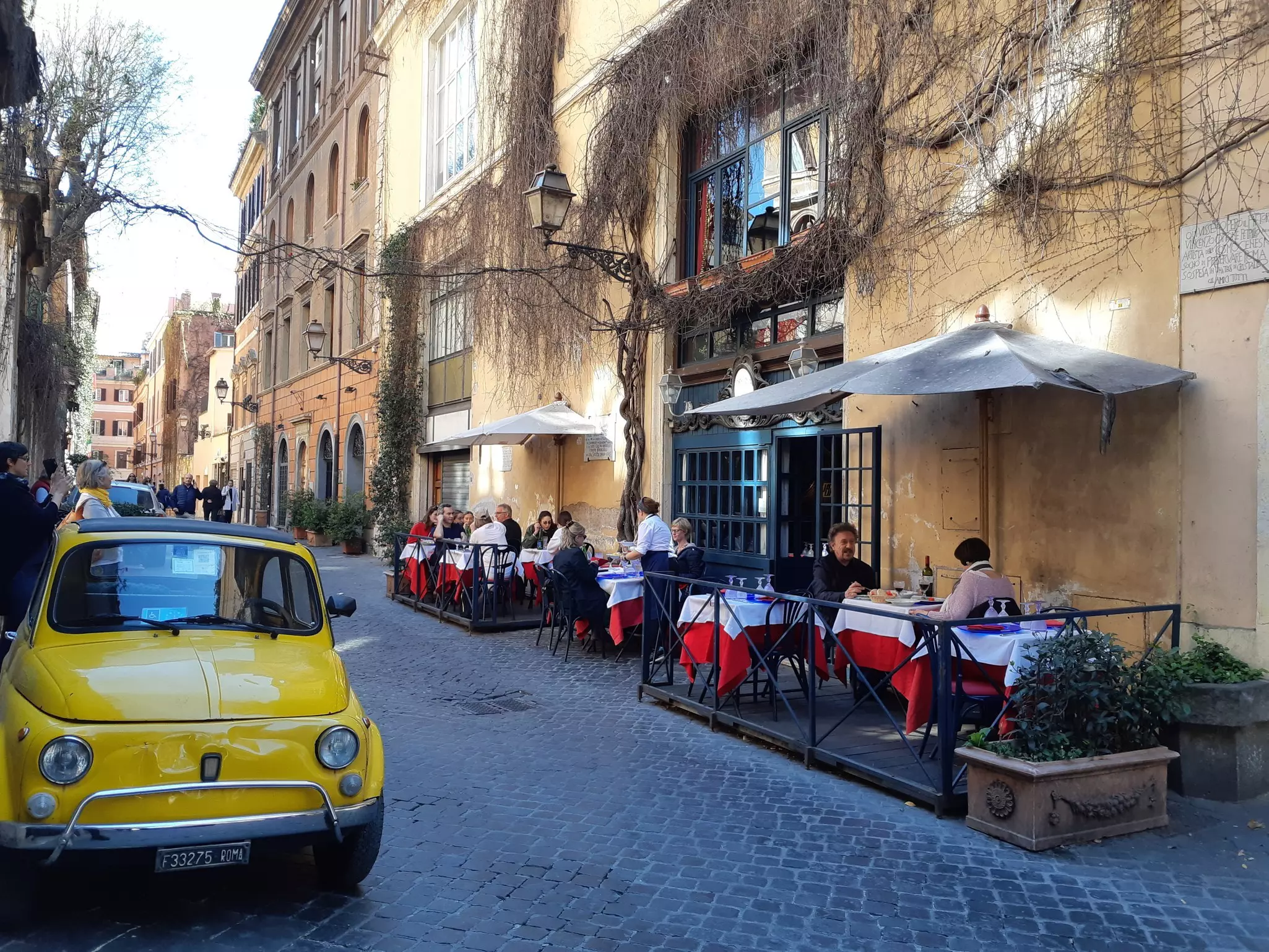
1. Rome
Best for depth of history
Once the literal caput mundi (capital of the world), Rome was spawned by a wolf-suckled boy according to legend. It developed into the hub of a vast empire, rooted itself as the home of the Catholic church, and is today a vital repository for more than two millennia of art and architecture.
Rome should definitely be the centerpiece for your trip if you’re coming to Italy for the first time, but there's simply far too much to see in one visit, from the Pantheon and Roman Forum to the Colosseum, Michelangelo's Sistine Chapel, and countless works by Caravaggio. Do as countless others have before you: toss a coin into the Trevi Fountain and promise to return.
Planning tip: With limited public transport in the city center, your choice of hotel can be crucial. Map out the sights you’re most interested in before you book – if you want to be at the Vatican at opening time, for example, don't stay out by the Colosseum.
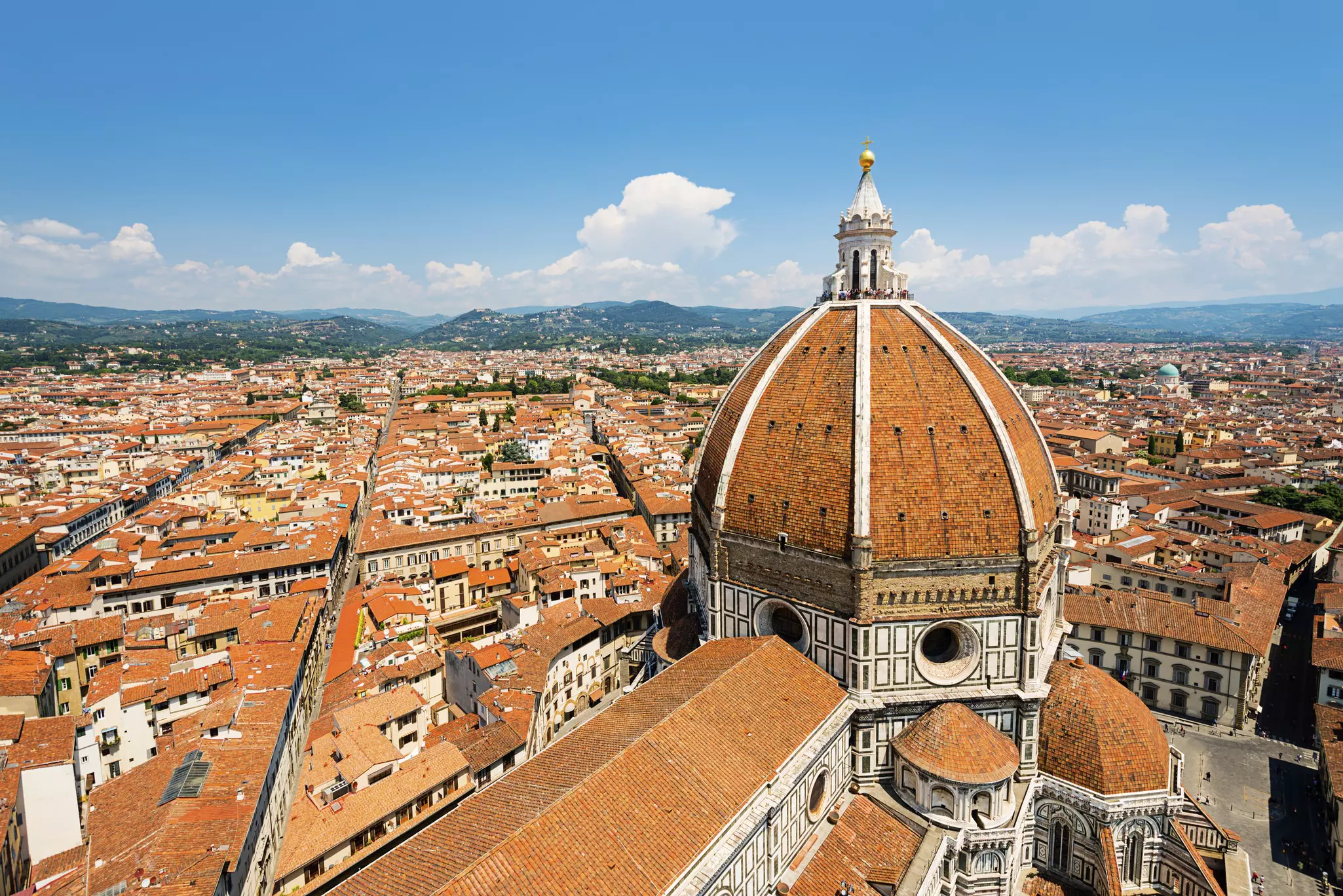
2. Tuscany
Best for a Renaissance fix
From Botticelli’s Venus, emerging coyly from the water inside the legendary Uffizi Gallery, to the mind-boggling dome of its famous cathedral, the city of Florence is a feast for the eyes. This was, of course, the birthplace of the Renaissance, and you'll find knock-out art names at every turn – Michelangelo in the Accademia, Donatello in the Bargello, Leonardo and Raphael in the Uffizi.
Beyond the city limits, Tuscany – Italy's most romanticized region – is an undulating sweep of sinuous cypress trees, olive groves and coveted regional treasures. Bathe in the Gothic majesty of Siena and the Manhattan-esque skyline of medieval San Gimignano before exploring the vineyards of Italy's most famous wine region, Chianti, and the rolling, cypress-studded hills of the Val d’Orcia.
Planning tip: Tuscany has a good rail network so you’ll be fine without a car if you’re sticking to major towns and cities. But if you plan to explore the countryside, you’ll definitely need your own wheels. Florence has plenty of rental companies, including at the airport and train station.
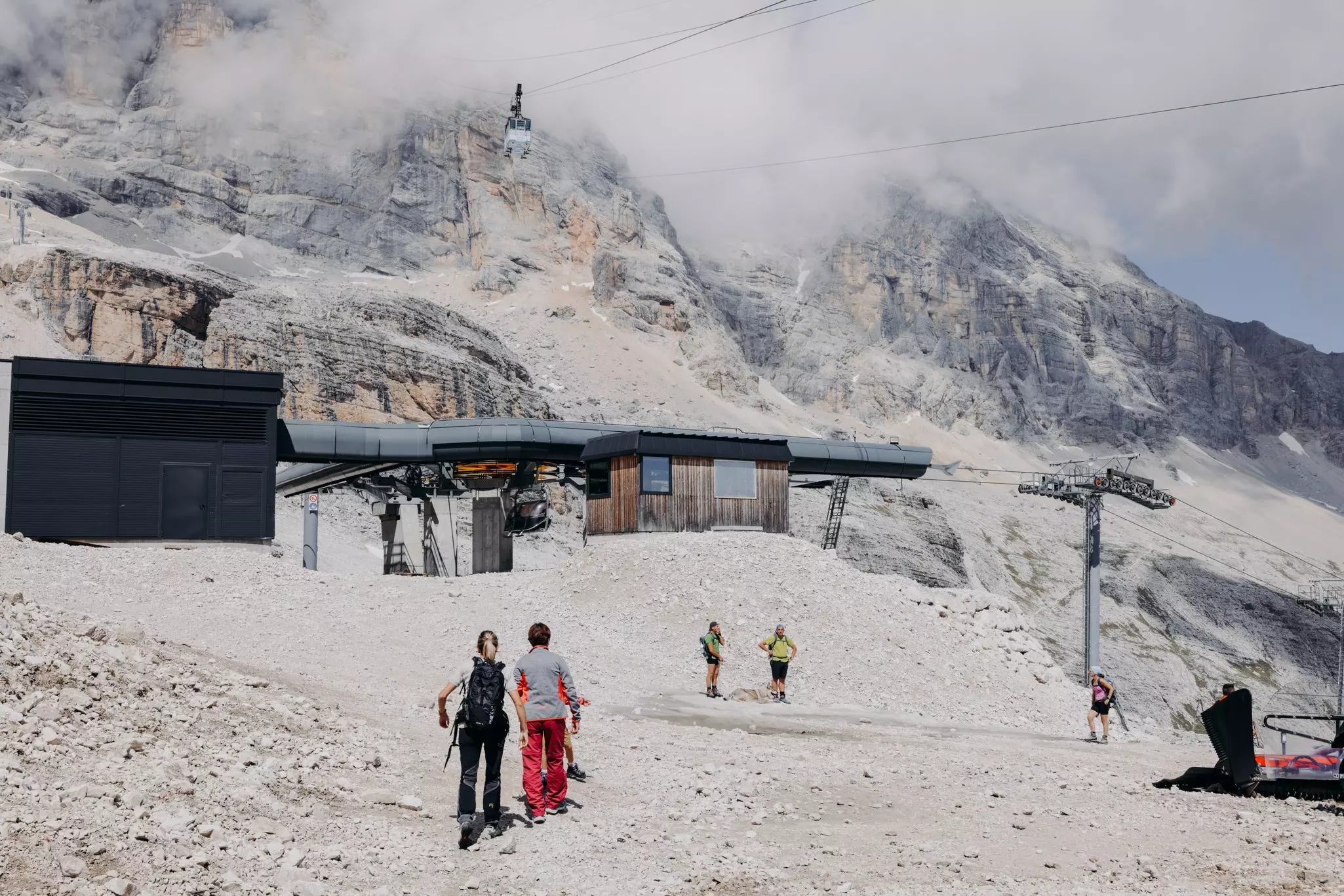
3. The Dolomites
Best for dramatic mountain scenery
Scour the globe, and you'll find plenty of taller, bigger and more geologically volatile mountains, but few can match the romance of the pink-hued granite Dolomites, rising dramatically to the north of Venice. Maybe it's their harsh, jagged summits, their vibrant skirts of spring wildflowers, or the rich cache of Ladin legends that swirl around these storied summits.
Then again, it could just be the magnetic draw of money, style and glamour at Italy's most fabled ski resort, Cortina d'Ampezzo, or the cultural curiosity of finding German-speaking Italians in the mountain village of Sappada. Whatever your reason for visiting, this tiny pocket of northern Italy takes seduction to dizzying heights.
Planning tip: These aren't mountains to merely view from afar – go hiking, biking, skiing, snowboarding or rock climbing and see the Dolomites up close to truly appreciate their majesty.
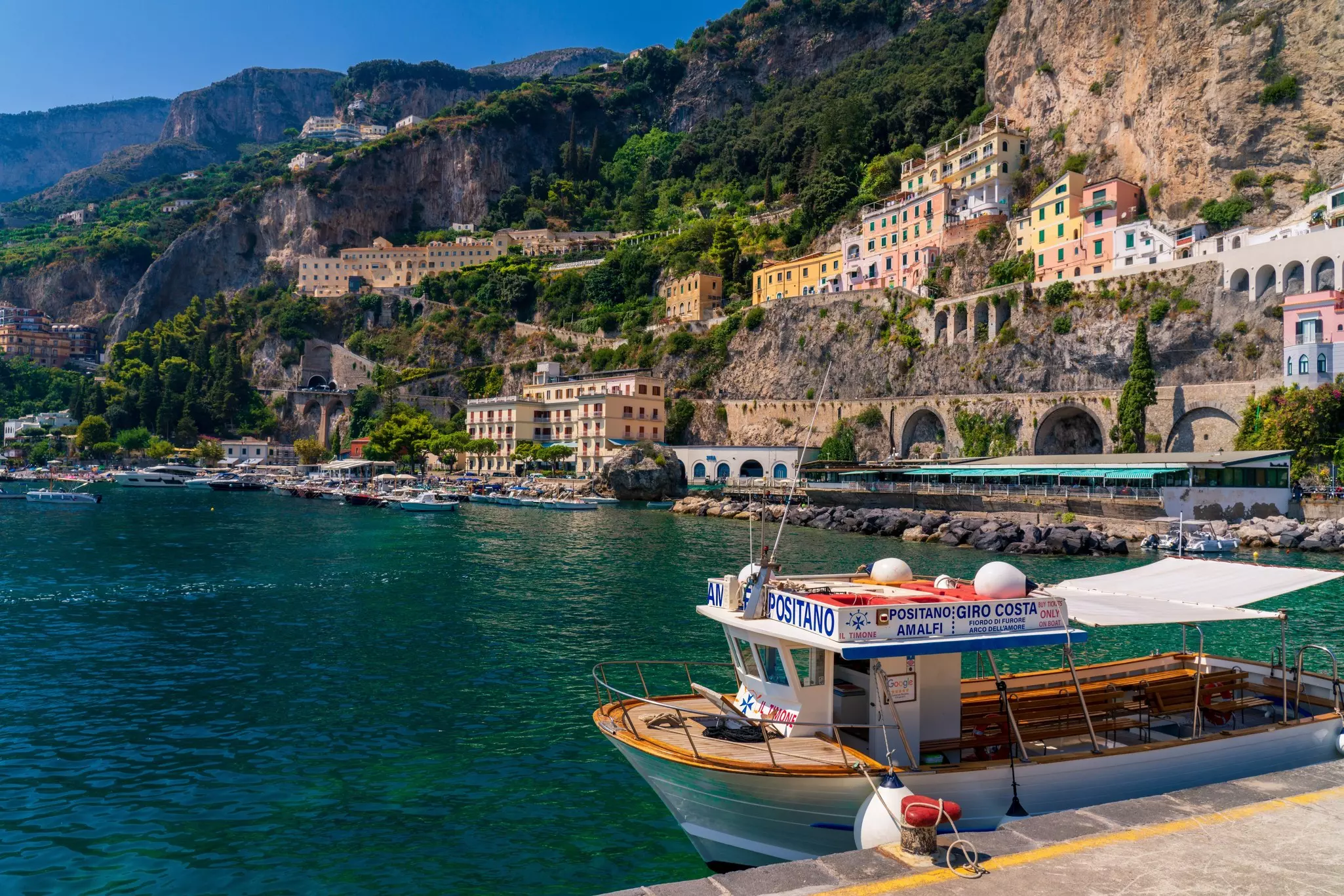
4. Amalfi Coast
Best for classic beauty
Italy's most celebrated coastline is a gripping destination. Craggy mountains plunge into the piercing blue sea, while brightly colored villages pop up unexpectedly between precipitous crags and sun-bleached cliffs. Above it all, mountaintop hiking trails deliver Tyrrhenian panoramas fit for the gods, far removed from the touristy hubbub.
There strong competition for the title of Italy's most beautiful coastline from Liguria's Cinque Terre and Calabria's Costa Viola, but it is the Amalfi Coast that has seduced and inspired countless greats, from Tennessee Williams and DH Lawrence to Elizabeth Taylor, Virginia Woolf and Jackie Kennedy.
And the romantic experience of sipping coffee or an Aperol spritz in a waterfront cafe makes this one of the most popular places in Italy for couples. Take a wander in the clifftop gardens of Ravello's Villa Rufolo and you'll definitely feel love in the air.
Planning tip: Driving along the Amalfi Coast may be one of the world’s most famous road trips, but during the summer tourist season, it can feel like everyone else on the planet has the same idea. Traffic can be nose-to-tail, and parking is effectively nonexistent. For an easier trip, take the ferry between towns or travel by public transport.
5. Pompeii
Best for stepping back in time
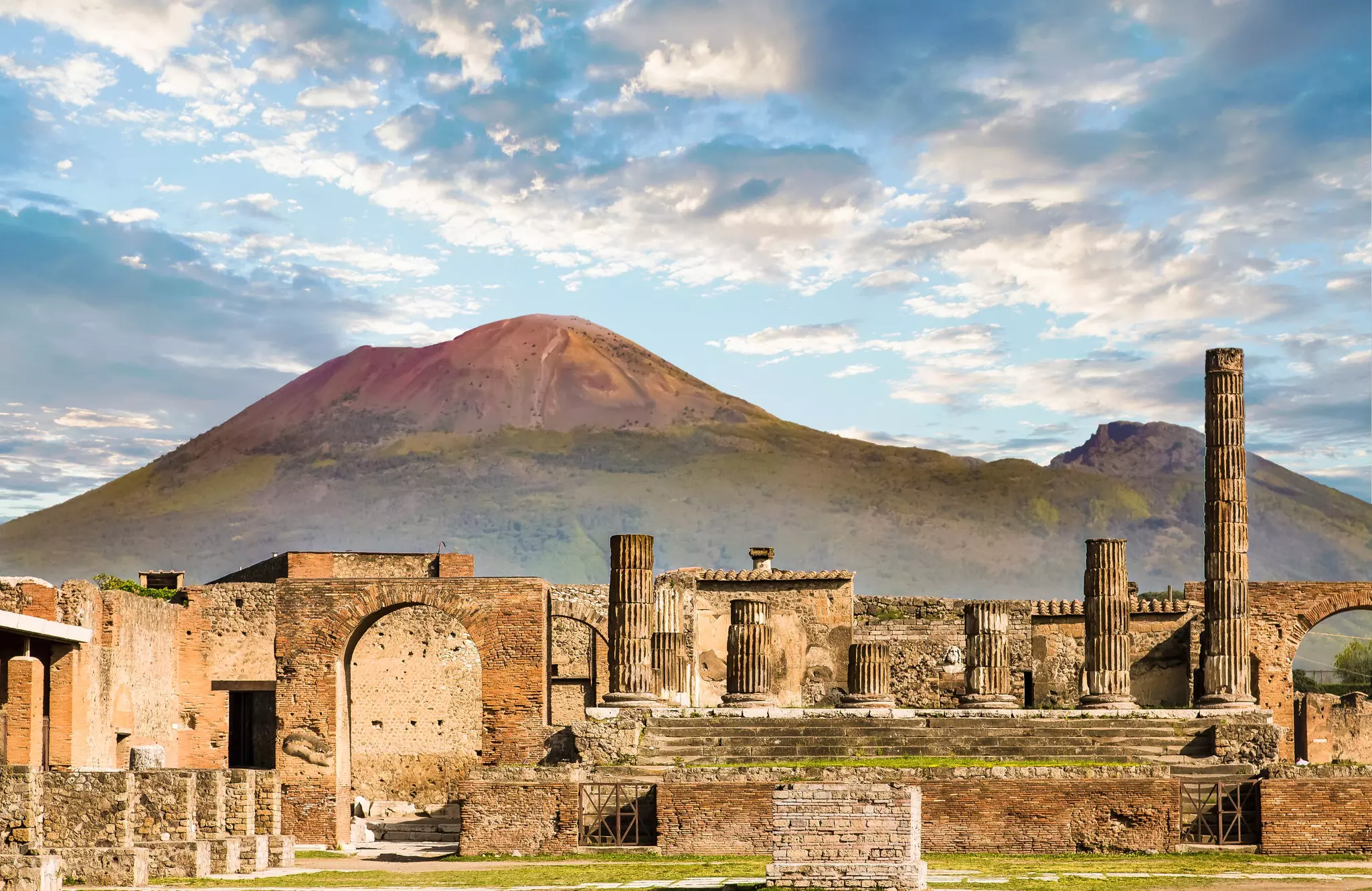
Frozen in its death throes by a volcanic eruption in 79 CE, the time-warped ruins of Pompeii will hurtle you 2000 years back into the past. Wander through chariot-grooved Roman streets, lavishly frescoed villas and bathhouses, food stores and markets, theaters and even an ancient brothel.
In the eerie stillness, with your eye set on ominous Mt Vesuvius, ponder Pliny the Younger's terrifying account of the town's final hours: “Darkness came on again, again ashes, thick and heavy. We got up repeatedly to shake these off; otherwise, we would have been buried and crushed by the weight.”
Planning tip: If you have time, visit the other famous city destroyed by the eruption, Herculaneum. Much smaller than Pompeii, its grand villas are better preserved, and the setting – surrounded by the buildings of modern Ercolano – makes a visit even more piquant. Like Pompeii, Herculaneum is easily reached from Naples or Sorrento on the Circumvesuviana train.

Meet your new travel partner
Get unlimited data while you travel with Holafly eSIM. Peace of mind and no hidden fees wherever you go.
6. Emilia-Romagna
Best for foodies
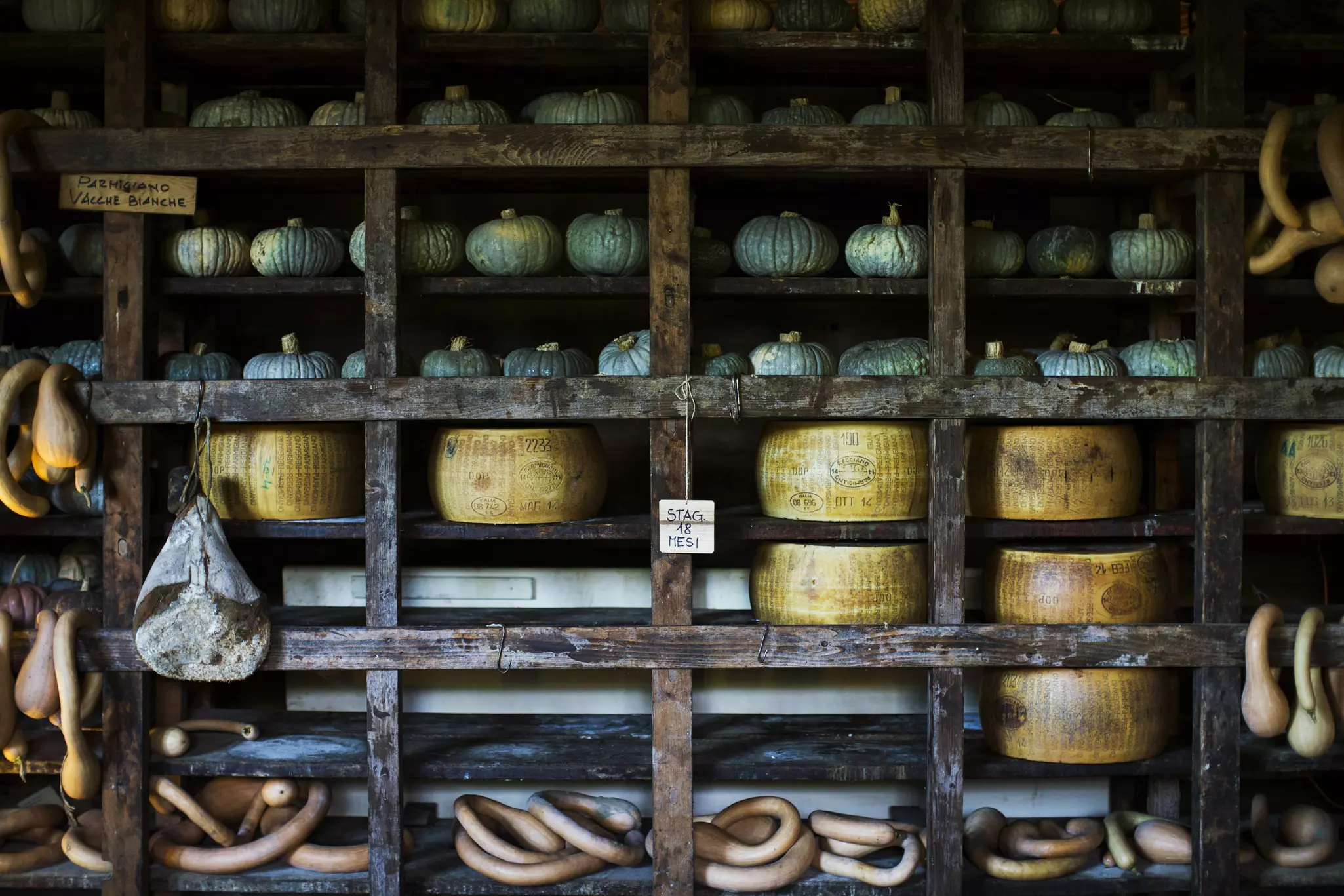
In a region as overwhelmingly foodie as Emilia-Romagna, it's only fitting that its capital, Bologna, is dubbed La Grassa ("The Fat One"). Many belt-busting Italian classics hail from here, including mortadella, tortellini and tagliatelle al ragù, the real-life pasta dish that inspired spaghetti Bolognese.
Grab tasty treats in the deli-packed Quadrilatero district – home to food stalls since medieval times – then hop on the train for an afternoon in Modena to sample its world-famous aged balsamic vinegar. Leave room for Parma, hometown of parmigiano reggiano cheese and incomparable prosciutto di Parma ham.
Wherever you plunge your fork, toast your trip with a glass or three of Emilia-Romagna's renowned Lambrusco – a world away from the sickly sweet wine that was exported in the past.
Planning tip: For a break from gourmet grazing, drop in on the automotive icons that made Italian motoring famous. Marques such as Ferrari, Lamborghini and Maserati have museums dotted around Emilia-Romagna that make car-lovers go weak at the knees; start with the Ferrari Museum in Maranello and go from there.
7. Lago di Como
Best for a slice of luxury
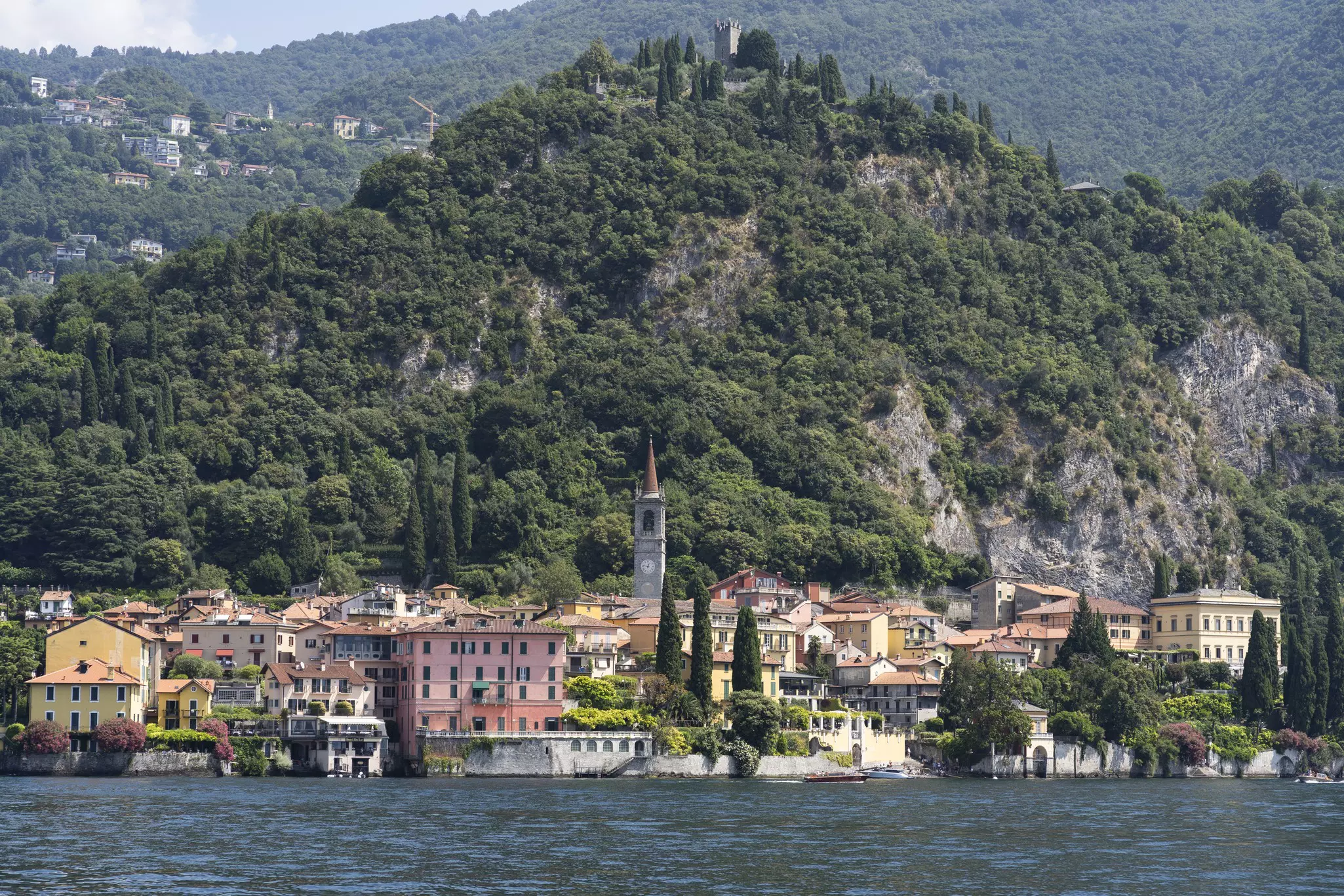
If it's good enough for the Clooneys and vacationing Obamas, Lago di Como is certainly good enough for mere mortals. Nestled in the shadow of the Rhaetian Alps, this dazzling spot is Lombardy's most spectacular lake, and its shores have been a favorite escape for Italy's glam set for centuries.
Even today, the lavish, Liberty-style villas along the lakefront are home to movie moguls, fashion royalty and literal royalty. Como's siren calls include the lush gardens at the Melzi d'Eril, Carlotta and Balbianello villas, which blush pink with camellias, azaleas and rhododendrons in April and May.
The city of Como itself is a hotbed of arresting architecture, from the Gothic cathedral to Palazzo Terragni – built by Italy's Fascists as their party headquarters. It’s a classic example of Italian 1930s Rationalism and a striking reminder of one of the darkest periods in Italian history.
Planning tip: Como suffers similar traffic problems to the Amalfi Coast – roads are clogged and parking can be a nightmare. Instead of driving, use public transport; an excellent ferry and bus network connects the towns around the lake and a train line traces the eastern shore.
8. Sardinia
Best for beaches and dramatic coastlines
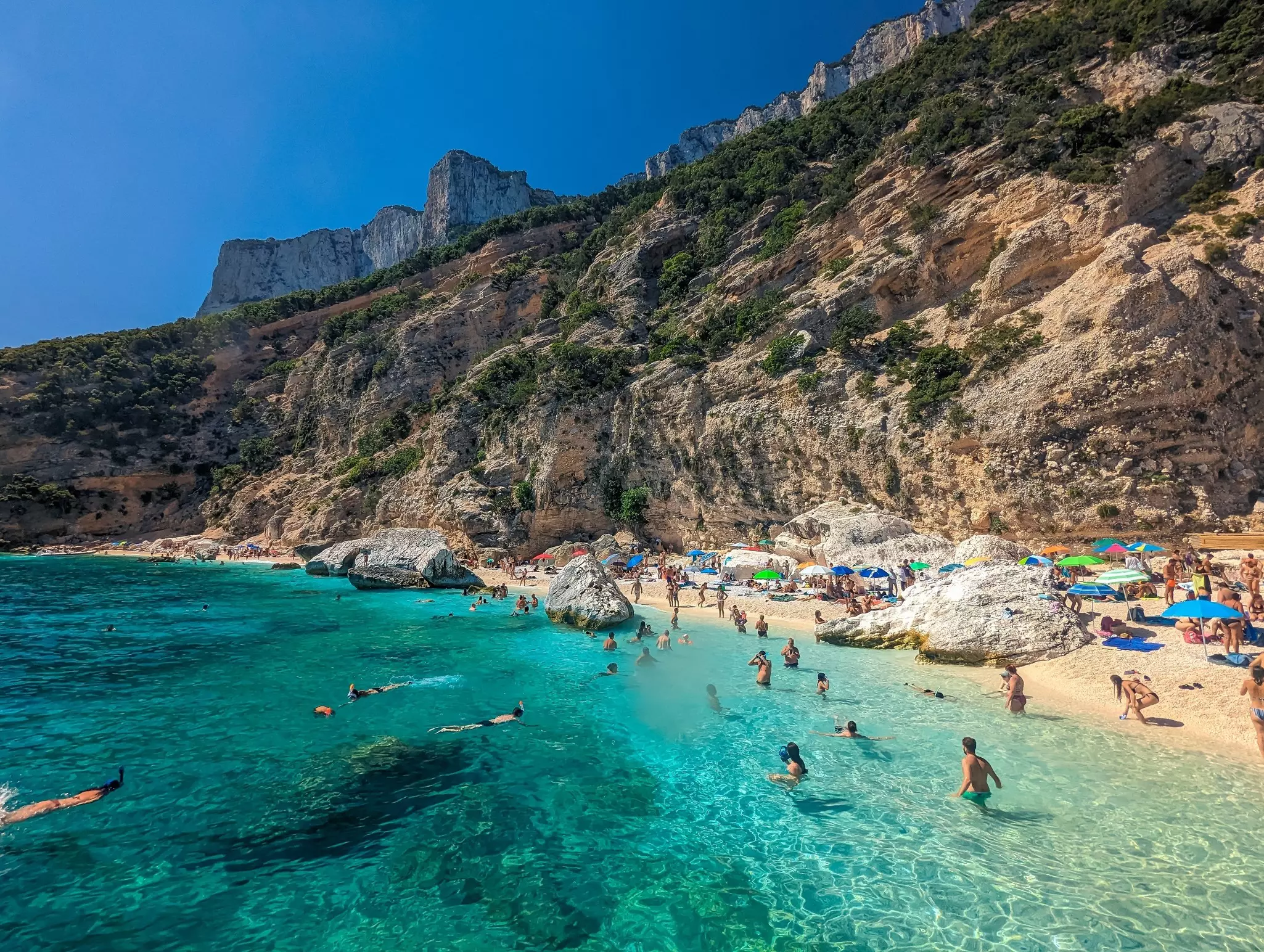
The English language cannot accurately describe the varied blue, green and – in the deepest shadows – purple color of Sardinia’s seas. While models, ministers and perma-tanned celebrities wine, dine and sail along the glossy Costa Smeralda, much of the island – the second largest in the Med after Sicily – remains a wild, raw playground.
Hire a car to explore its rugged coastal beauty, from the tumbledown boulders of Santa Teresa di Gallura and the wind-chiseled cliff faces of the Golfo di Orosei to the windswept beauty of the Costa Verde's dune-backed beaches.
Inland lie some of Europe’s finest prehistoric remains, from mysterious nuraghi (megalithic buildings) and burial sites so grand they’re known as “giants’ tombs” to the mountain villages of the Barbagia region, where locals still practice centuries-old traditions.
Planning tip: To sample the best of Sardinian cuisine, book in for lunch at agriturismi (farmstays) while you explore the countryside. The families who operate these rural accommodations are masters of seasonal ingredients.
9. Naples
Best for sheer italianità
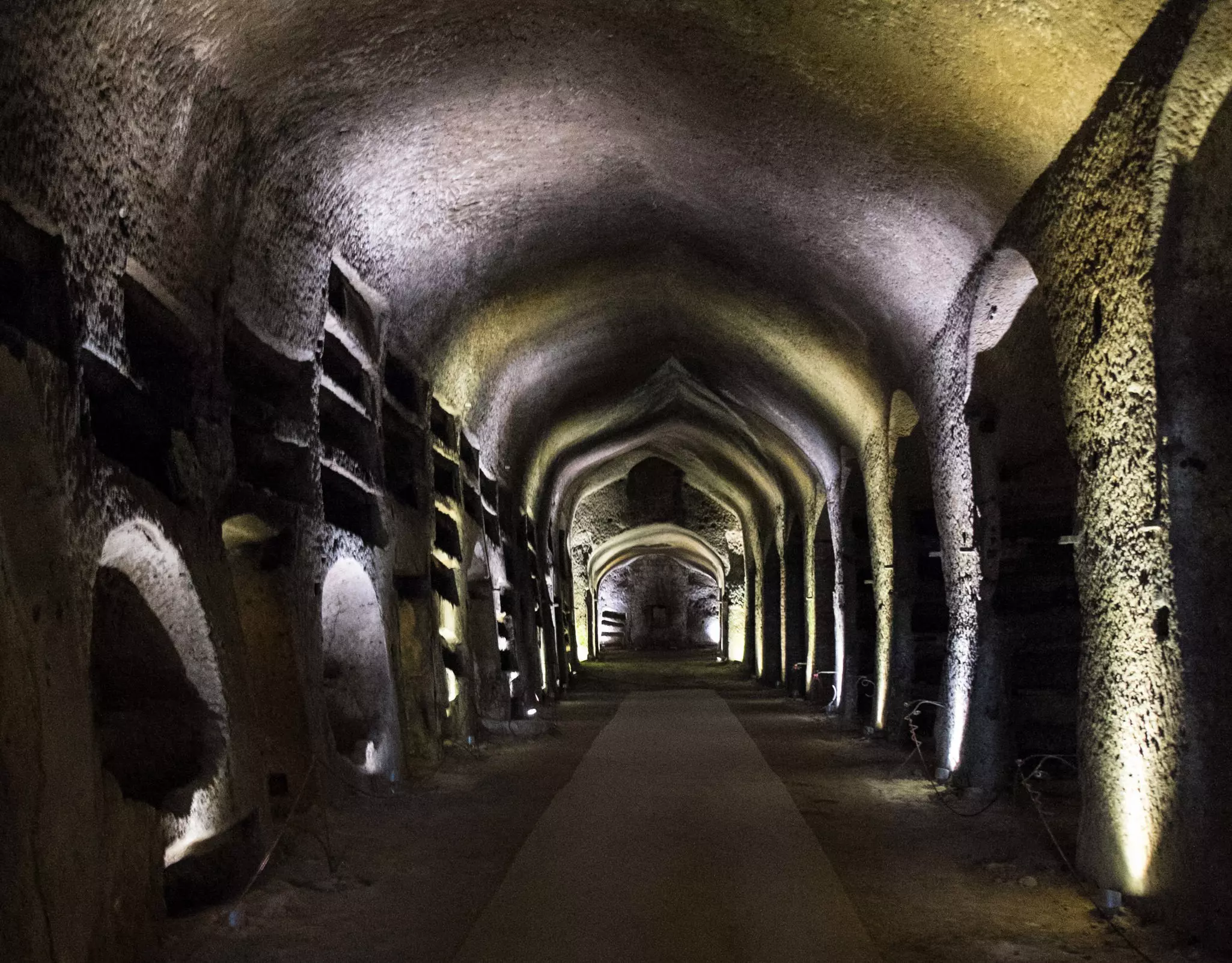
Pompeii, pizza and a whole lot of panache – Naples serves up a feast of experiences, layered like lasagna, with each strip of history building on top of the last. This is a place where you can walk along ancient Greek and Roman roads underground, then explore sumptuous churches, baroque palaces and fabulous foodie markets at street level.
Southern Italian flavors flourish in Naples, best enjoyed in the city's restaurants, bars and coffee shops, and the street-life here is high-spirited and vibrant. Oh, and you'll see Maradona, the city's favorite football supremo, everywhere – there's even a Maradona shrine.
Outside the city, Vesuvius looms over the ancient time capsules of Pompeii and Herculaneum, while in town, living in the shadow of a volcano gives life an edgy vitality (but don't worry – the crater that looms over Naples last erupted in 1944).
Planning tip: Naples' chaotic center seems calmer when viewed from the water. Ferries buzz across the bay to islands such as Ischia, Procida and Capri, and you can also take a boat from the city to Sorrento, Positano and the Amalfi Coast.
10. Venice
Best for a fairytale experience
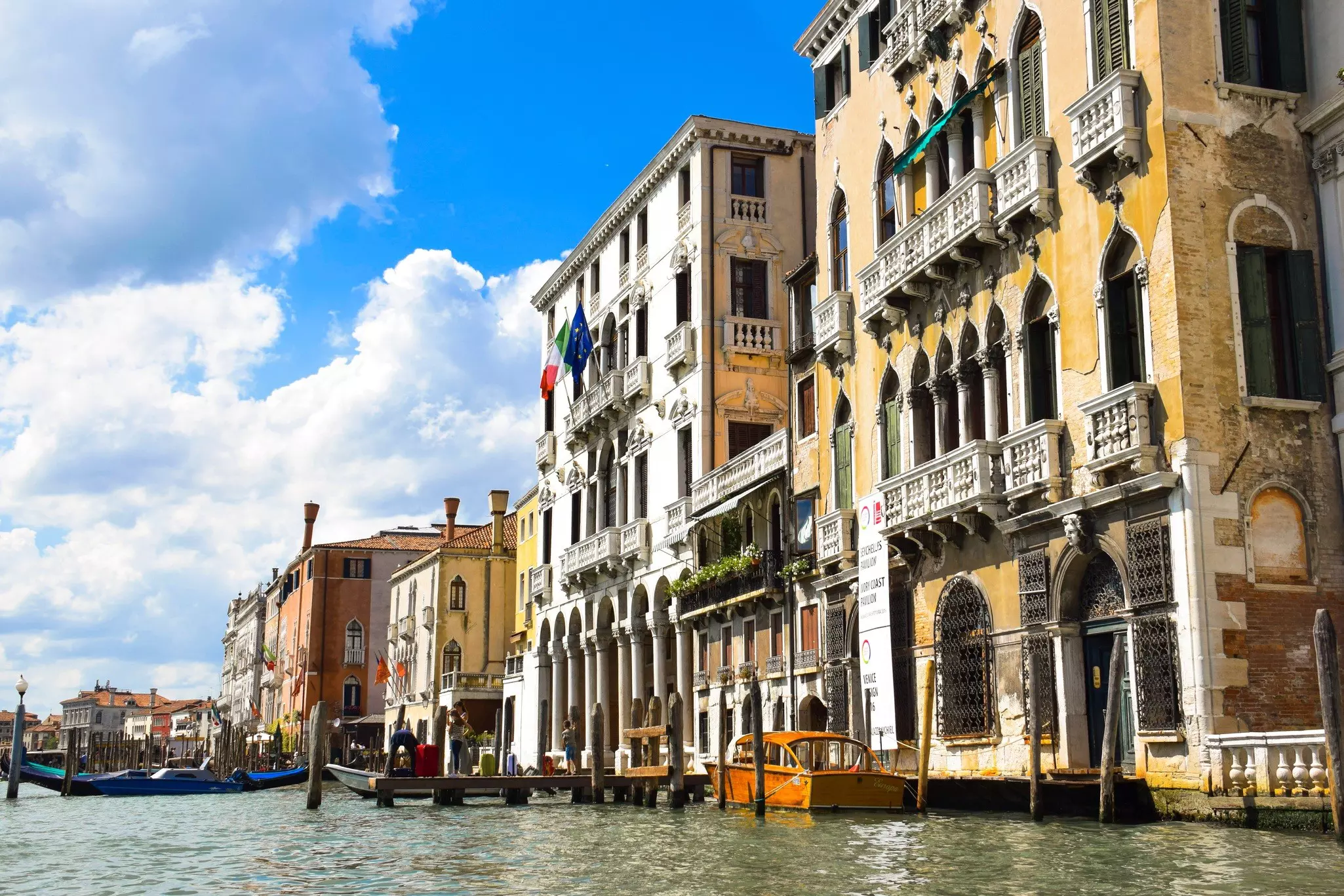
"Unique" is an overused word, but in the case of Venice, there’s no better description. The city really is a one-off dreamscape of intricately carved palazzi, gilded churches and world-class museums, floating atop a coastal lagoon and crisscrossed by quiet canals.
Resist the temptation to rush to the main sights; the real magic of Venice is found in its quiet back alleyways and backwaters, which cast a spell on all who move through them. Tick off the Rialto Bridge and Piazza San Marco, but then stay on to experience more of this most precious and precarious of cities.
Local tip: Venice is not a city to explore with a tight schedule. Build in time to wander away from the main squares, peeking inside churches and artisan shops as you pass. Be sure to hop on a vaporetto passenger boat to see other islands dotted around the lagoon.
11. Parco Nazionale del Gran Paradiso
Best for hiking
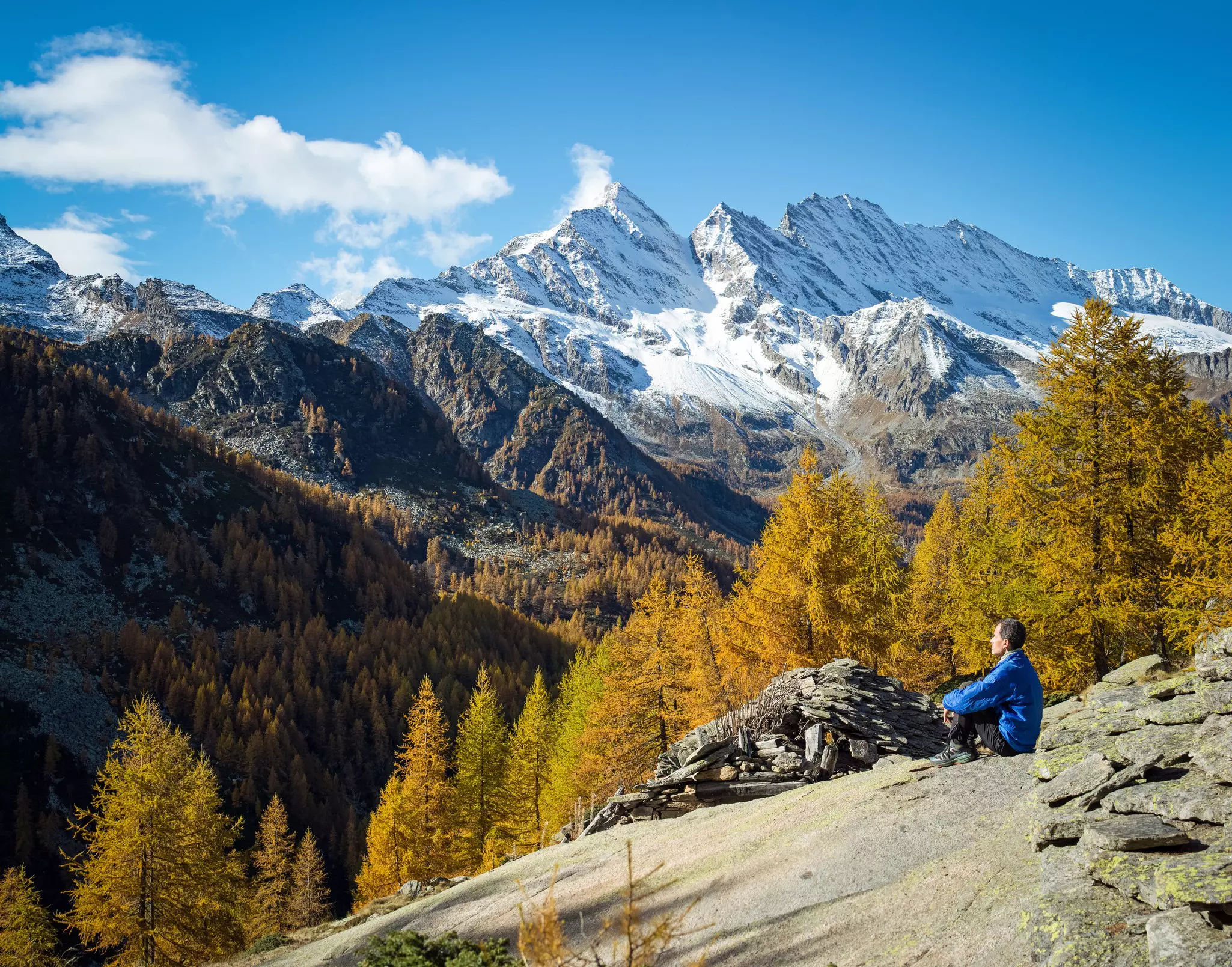
If you're pining for a mind-clearing retreat, lace up your hiking boots and explore more than 500km of marked trails and mule tracks, traversing a national park whose name translates, appropriately, to “Grand Paradise.”
Part of the Graian Alps and one of Italy's very first national parks, Gran Paradiso is pure and pristine, encompassing 57 glaciers and alpine pastures. Its valleys are awash with wild pansies, gentians and alpenroses, not to mention the Alpine ibex that the park was established to protect.
Planning tip: At 4061m, the eponymous Gran Paradiso is the park's highest point, accessed by climbers from the tranquil town of Cogne, but there are plenty of less demanding hikes, too. Come from May to September for the best hiking weather.
12. Mt Etna
Best for thrill seekers
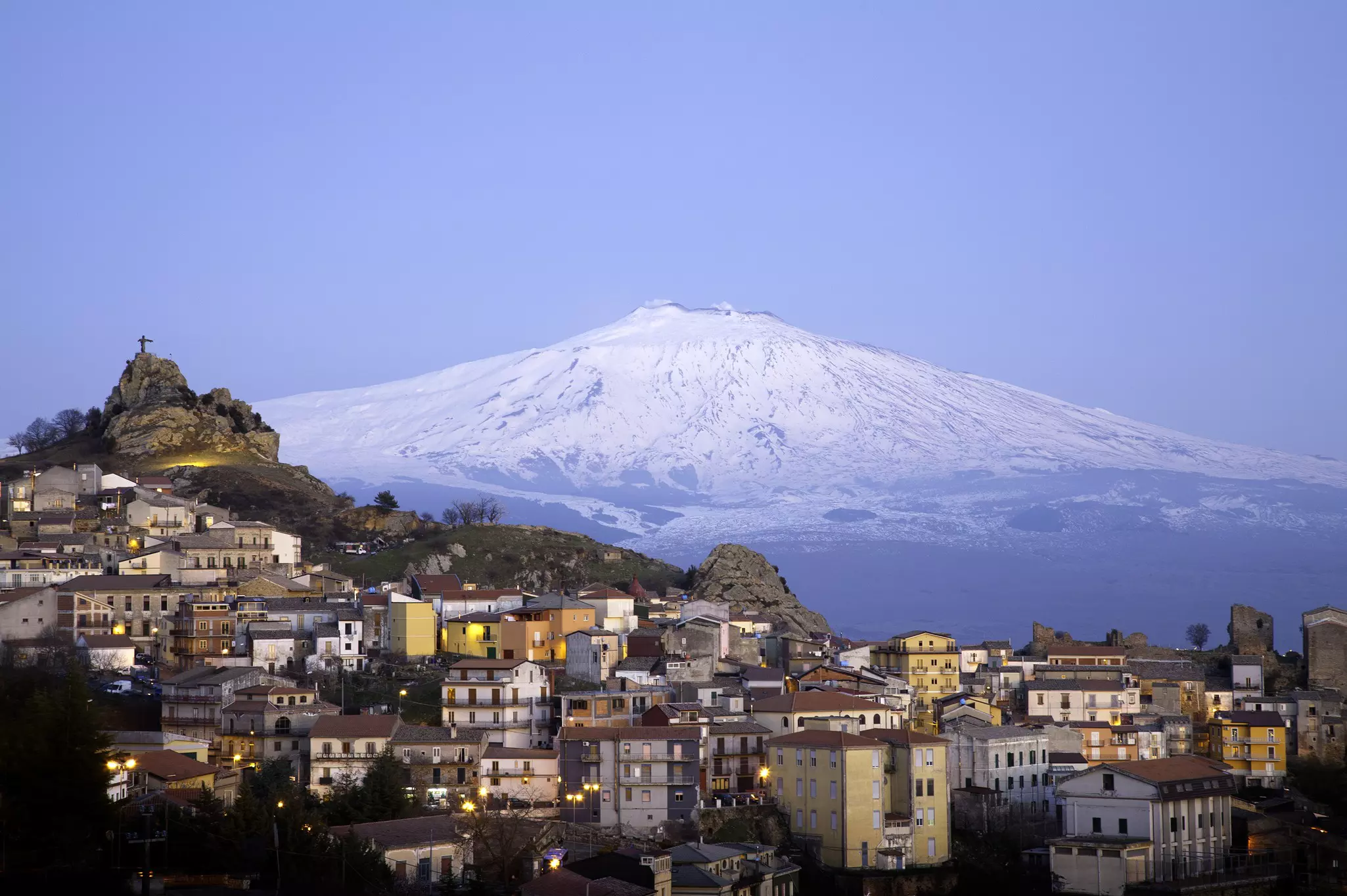
Known to the Greeks as the "column that holds up the sky," Mt Etna is not only Europe's largest volcano, it's one of the world's most active. Ancient inhabitants of Sicily believed that a giant monster named Typhon lived in its crater, lighting up the sky with spectacular pyrotechnics; small eruptions are still a fact of life in eastern Sicily.
This 3326m-high stratovolcano towers above the cities of Catania and Taormina, and volcanologists constantly monitor the peak to make sure visits are safe. For a close encounter with natural forces, climb Mt Etna on foot or on a guided 4WD tour, or discover the vineyards producing exciting wines in the uber-fertile volcanic soil of its lower slopes.
Detour: The rest of the island of Sicily is a delight to explore, thanks to its extraordinary wealth of history and architecture, its jaw-dropping coastline and, of course, the ever-welcoming Sicilians. Start by tracing the east coast from Taormina to Syracuse, dropping in on ancient amphitheaters and the historic town of Noto near Sicily's southeastern tip.
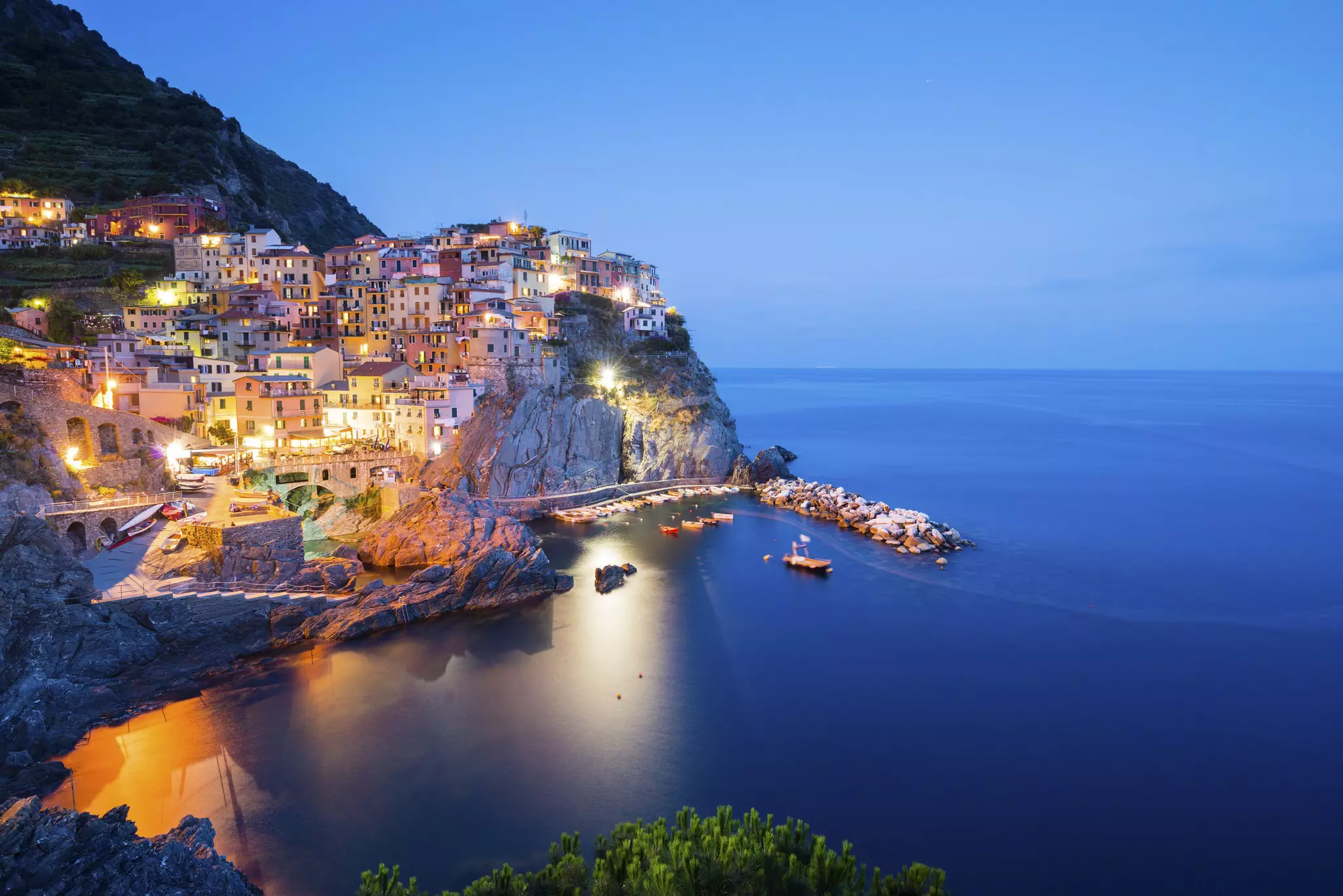
13. Cinque Terre and the Ligurian coast
Best for scenic coastal views
The section of the Ligurian coastline known as the Cinque Terre is Italy at its most spectacular. Encircled by a national park and connected by clifftop footpaths, five seaside villages wedged between cliffs lure sightseers in droves.
Ancient residents chiseled terraces into the steep cliffs and the area's coastal vineyards have produced wine since Roman times. Until the 20th century, the locals got about by sea or footpath, and doing the same remains one of Italy's great pleasures.
The five villages – Riomaggiore, Manarola, Corniglia, Vernazza and Monterosso al Mare – are gorgeous, but spare some time for a hike along the Sentiero Azzurro, the most popular of the paths connecting them. Take the time to see more of Liguria’s coastline – must-visit stops include Portofino, Porto Venere and Santa Margherita Ligure.
Planning tip: This is another area where it’s not worth driving. Ferry services buzz into each cove, but our favorite option is the train, which runs along the coast and stops at each village.
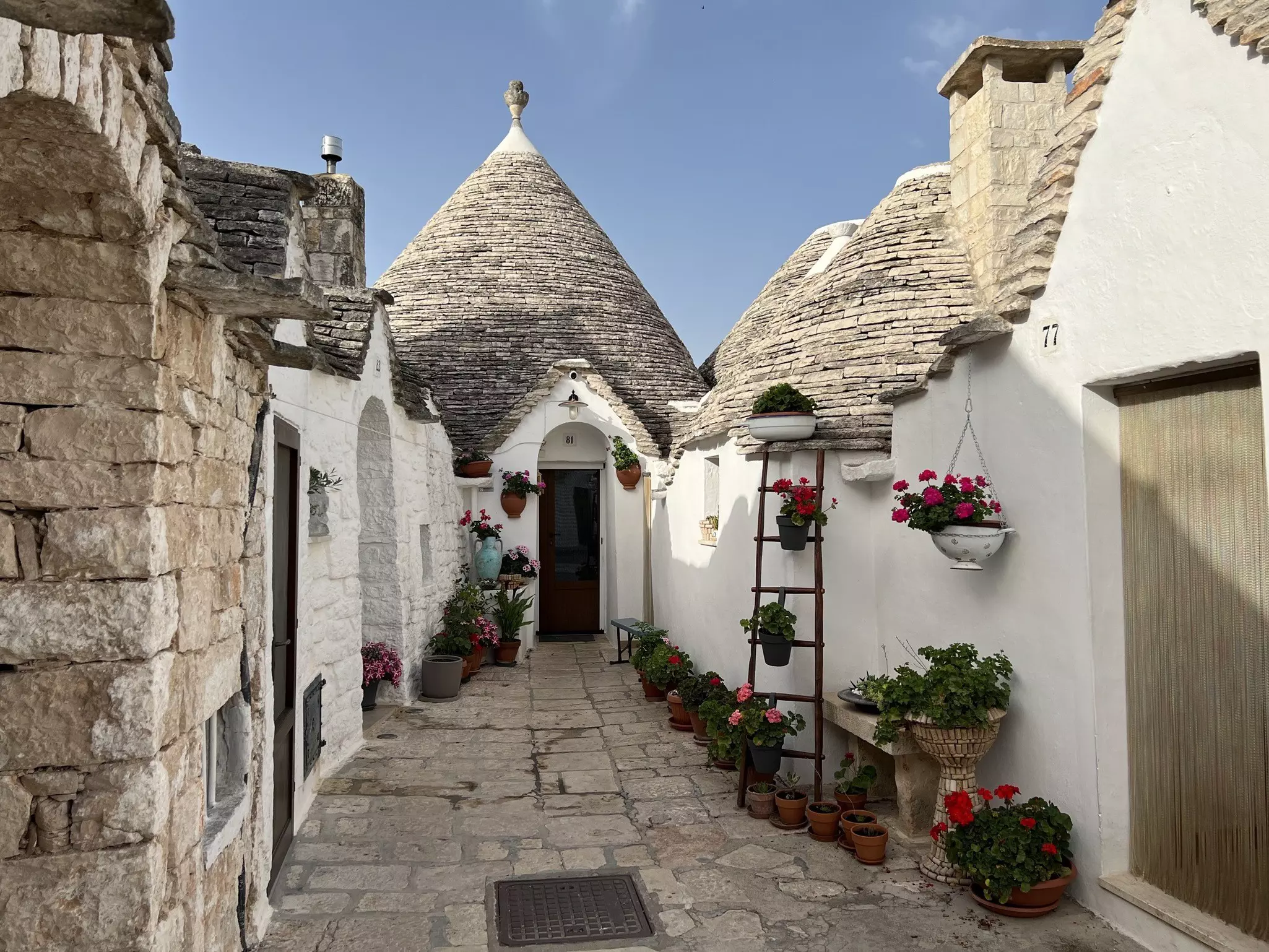
14. Valle d’Itria
Best for picture-perfect villages
The traditional trulli homes of the Puglia region could almost be houses for hobbits. These small, conical-roofed cottages are often stitched together to form bigger homes, but they're always fairytale pretty, setting the scene all over this laid-back region.
Head south from Bari and head inland from the coast onto Puglia's high karst plateau, and you’ll find the Valle d’Itria, where the green slopes are dotted with trulli villages. Alberobello is the center of it all; its centro storico (historic center) is nothing but streets of them. This is one of the prettiest parts of Italy – truly.
Detour: While you're down at the heel of the boot of Italy, add on a detour to Lecce – a gorgeous sprawl of baroque palazzi and churches, overflowing with carved details.
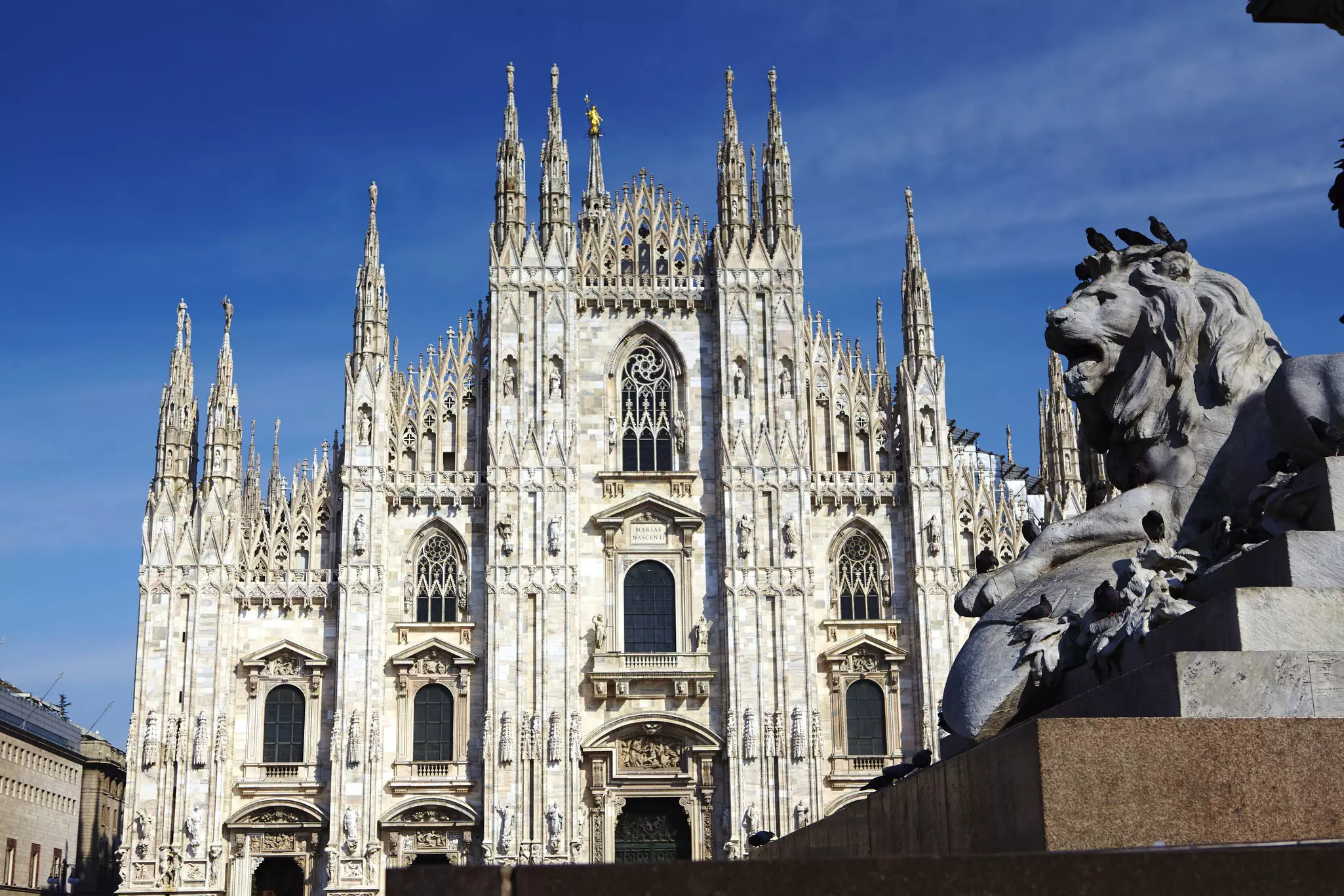
15. Milan
Best for a sophisticated city break
Italy’s fashion capital sometimes gets a bad rap for being too international and too organized. Don’t believe it. Where else can you go from sleek fashion boutiques to a towering Gothic cathedral to masterpieces by Leonardo da Vinci?
The great artist and inventor's Last Supper fresco in the church of Santa Maria delle Grazie is a showstopper, but so is the Sala delle Asse in the Castello Sforzesco, which he painted as a trompe l’oeil forest bower.
When hunger calls, Milan's restaurants pull together the best food from the Italian peninsula, and the city also hosts a lively cocktail scene. Similarly, famous fashion houses are funding a revolution in the city’s modern art scene, with venues such as Fondazione Prada showcasing works by the likes of Jeff Koons and Damien Hirst.
Planning tip: Milan doesn’t really have high and low seasons like the rest of Italy; instead, its hotel rates rocket up and down depending on whether there’s a major event in town. Avoid Design Week in April and the city's multiple Fashion Week events if you're traveling on a budget.
Advertisement
Take your Italy trip with Lonely Planet Journeys
Time to book that trip to Italy
Lonely Planet Journeys takes you there with fully customizable trips to top destinations – all crafted by our local experts.