Advertisement
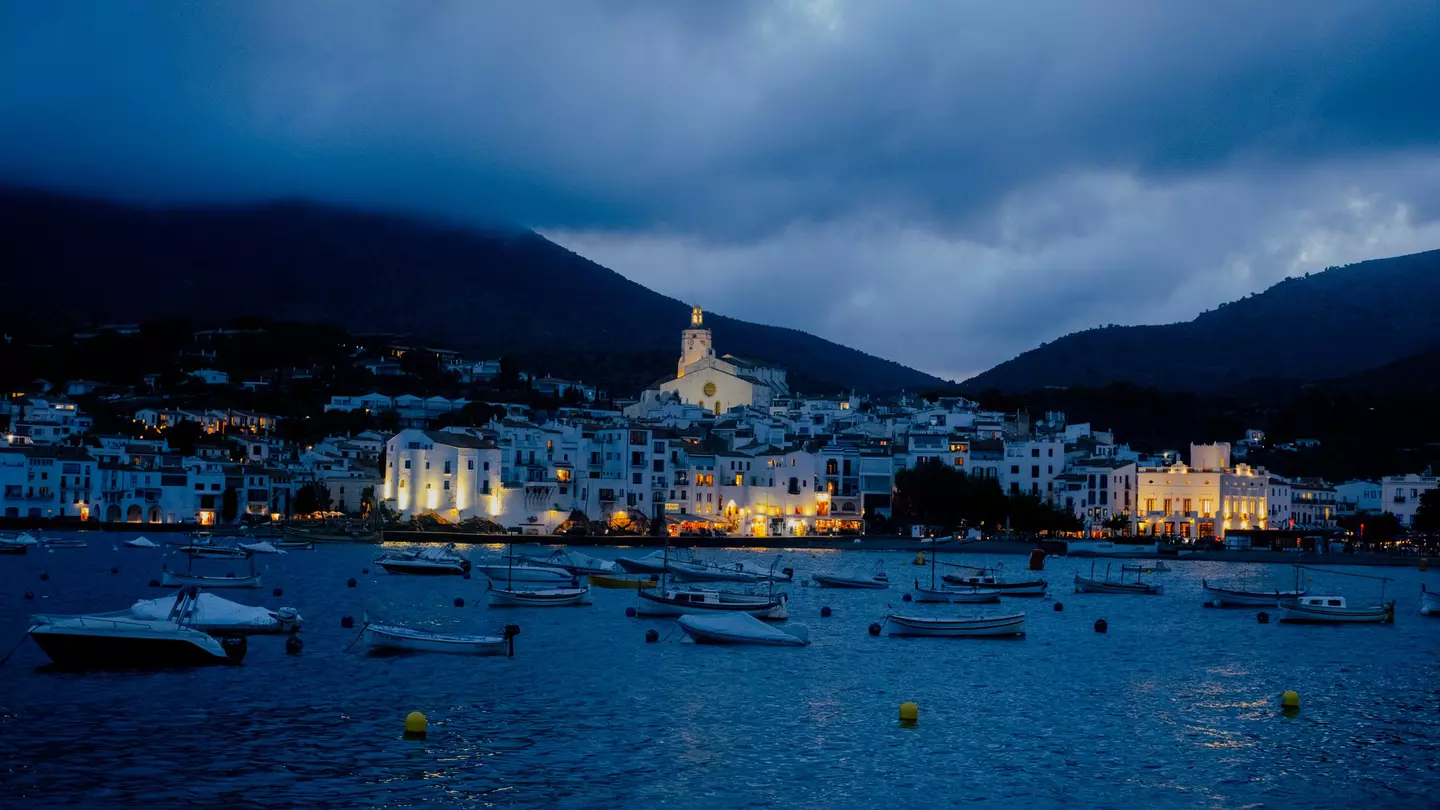
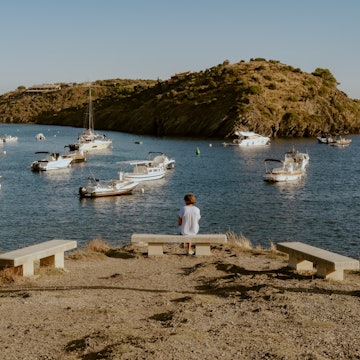
Evening in the port of Cadaqués, the Costa Brava. Cole Wilson for Lonely Planet
Follow the seaside north from Barcelona, and you’ll discover the Costa Brava, a 200km stretch of sea frontage dotted with picturesque villages, clifftop trails, and hidden beaches and coves begging to be explored.
For centuries, the coast has been associated with artists – most famously, native son Salvador Dalí – who drew inspiration from the many surreal rock formations in the rugged Cap de Creus Natural Park. Mid-century filmmakers, for their part, sought out the scenic backdrops of Tossa de Mar.
Advertisement
Whether they’re looking to express their creative side or not, vacationers flock to the Costa Brava for languid alfresco long lunches and lazy beach days. The region is also a playground for adventurers in search of coastal trails and routes by land and sea. It’s packed with rich historic sites, including the ancient ruins of the Iberian Peninsula’s first Greek settlement at Empúries, and prehistoric structures that still stand in the hills above the Bay of Roses.
There is no true center to the Costa Brava; rather, it’s a destination that begs to be explored languorously, hopping from village to village and cove to cove. Here’s all first-time visitors need to know as they plan their trip to this bewitching region.
When should I go to the Costa Brava?
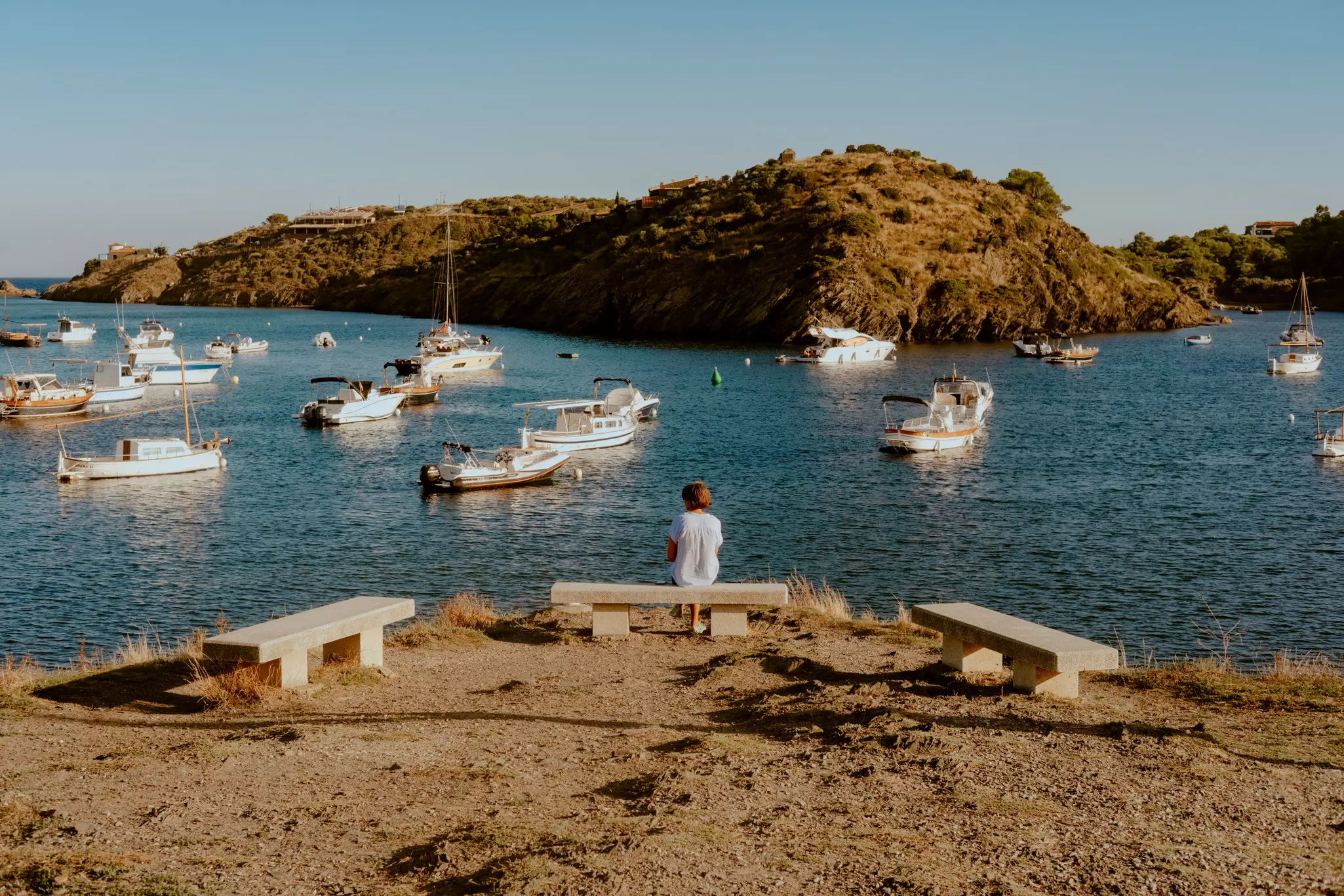
The best time to visit the Costa Brava for a beach holiday is between June and September. July and August are the best months for swimming, but also tend to be the most crowded and expensive. June and September are ideal months to visit: you might luck out with a few warm sunny days suited for refreshing dips in the sea, but you can generally find lower rates on hotels.
If swimming isn’t a priority, temperatures are cool and comfortable in the spring (March to May) and fall (October to November). In these shoulder seasons, it’s generally sunny – although an overcast and rainy week here and there is a possibility.
How much time should I spend in the Costa Brava?
It’s possible to take a day trip to the Costa Brava from Barcelona, but you should expect to spend at least 2 to 3 hours traveling there and back. A trip of 2 or 3 nights makes for a perfect (long) weekend getaway if you pick one area to explore, such as the Cap de Creus or the Cap de Begur peninsulas. You’ll need at least a week if you want to do a more thorough exploration of the coast and visit multiple towns and scenic areas.
Advertisement
Is it easy to get in and around the Costa Brava?
Trains from Barcelona can get you as far as Girona and Figueres; from there, you’ll need to catch a bus to reach the sea. A car will give you the most freedom to explore this region, especially if you want to visit rural inland attractions, wineries and farmhouse restaurants.
It’s also possible to get around the Costa Brava by bus. Moventis is the main bus operator the region, offering direct routes from Barcelona (including the airport), Girona and Figueres that connect the larger towns on the coast like L’Escala, Begur and Palafrugell. If you are traveling from Roses to Cadaqués, consider a one-way ticket on a sightseeing boat like El Blaus de Roses – a far more scenic alternative than the bus ride.
Top things to do in the Costa Brava
Explore the wide range of beaches
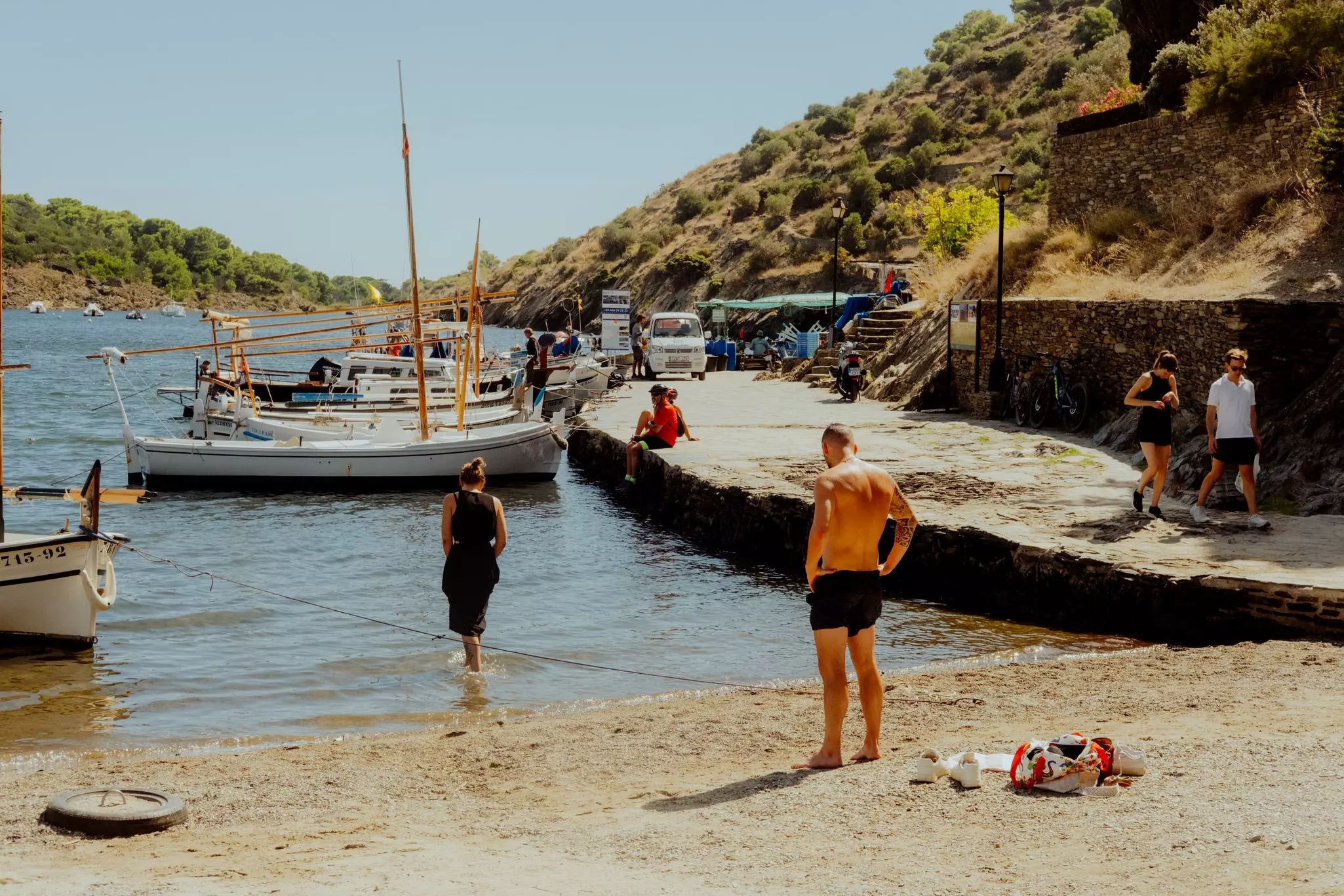
In between the Costa Brava’s rocky cliffs, sandy beaches of various lengths and dimensions lie in store. Larger beach towns include Platja d’Aro, which has a 2km stretch of golden sand and a wide selection of family hotels. Located further north, Roses also has a popular beach scene, plus opportunities for day trips to scenic villages like Cadaqués.
Two of the coast’s most beautiful beaches – Platja de I’llla Roja and Platja de Sa Riera – are connected by a short walkway near Begur. If you prefer rocky beaches, Cala Sa Tuna is a small beach framed by colorful buildings that sit right at the water’s edge.
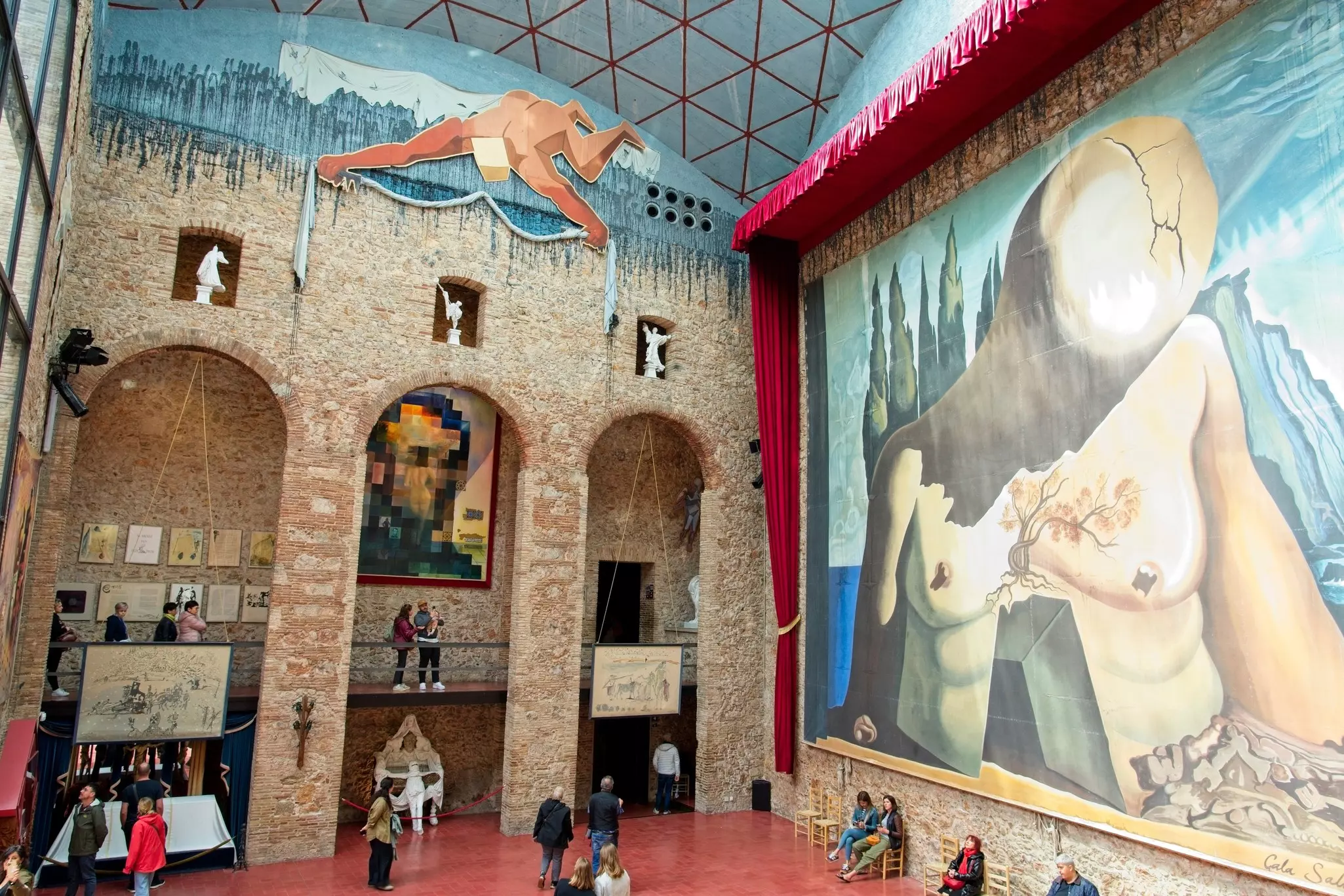
Pay homage to Salvador Dalí in his native region
An over-the-top museum, Teatre-Museu Dalí, in the Surrealist master’s birth town of Figueres, is also his final resting place. In Cadaqués, you can get a peek into the artist’s personal life at the seaside Casa Museu Dalí, where he lived with his wife Gala from 1930 to 1982. Tours are by timed entry only, and tickets are in high demand – so you should book as soon as you can. (If they’re sold out, you can still buy a half-price ticket that grants you access to the villa’s pool and olive garden.) If you are a true Dalí disciple, complete the pilgrimage on a trip to the Castell de Púbol, entirely dedicated to the life of Gala and her influence on her husband’s career.
See Greek ruins and Roman mosaics in Empúries
While it’s some way from the Aegean, the Costa Brava is home to one of the oldest Hellenic architectural sites in Spain. Near the town of L’Escala, the ruins of the first Greek settlement on the Iberian Peninsula are preserved at an expansive outdoor museum along the seafront. At the same complex, you can also find fantastic Roman ruins, including elaborate mosaic floors that lie uncovered during the summer season.
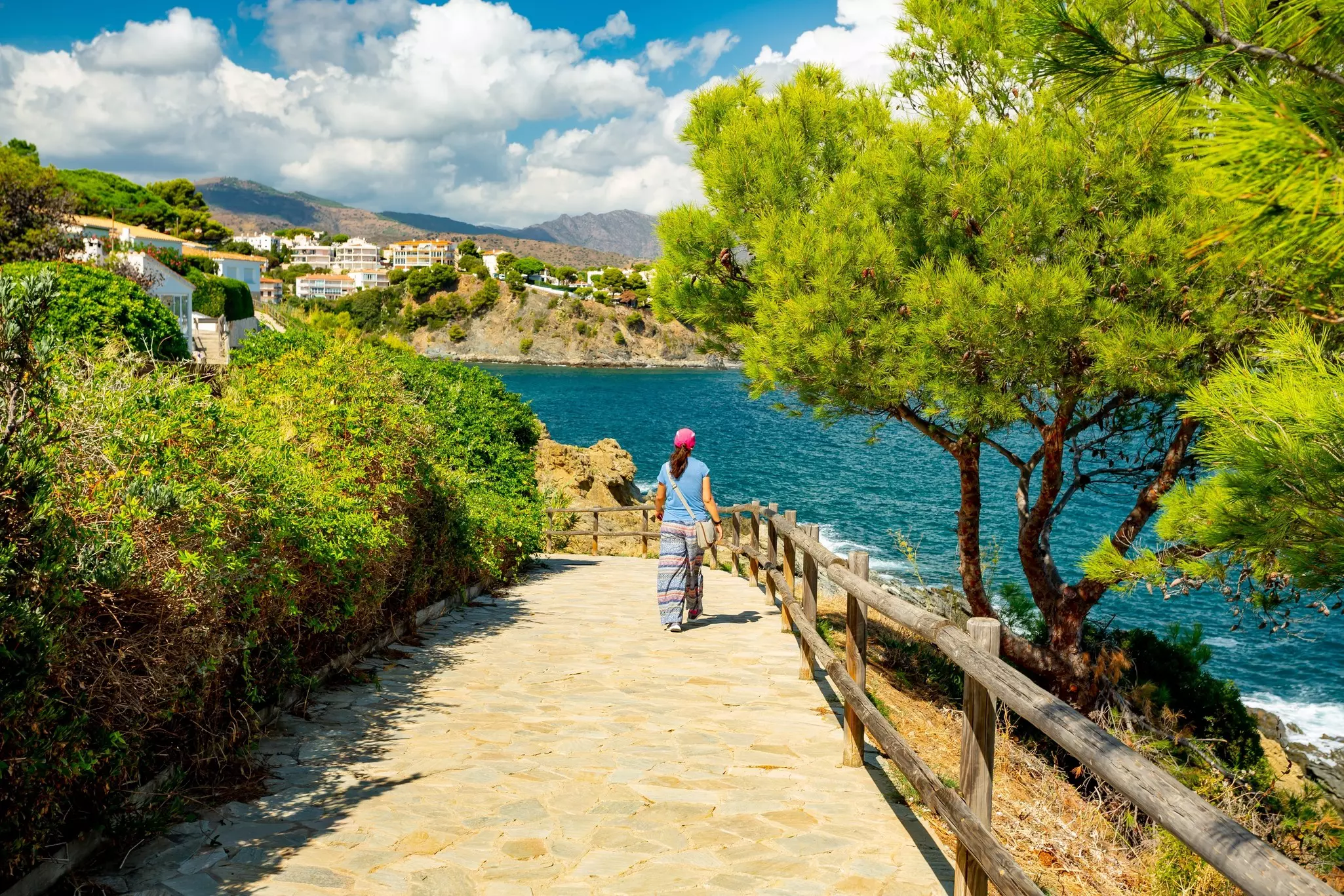
Walk along the Camí de Ronda
Trackable by its red-and-white trail marker, the Camí de Ronda (or G-92) hiking path travels the entire length of the Costa Brava, from Portbou to Blanes. Its length makes it easy to sample: consider working in one of the more scenic segments, such as the bit between Llafranc and Tamariu, or Sant Feliu de Guíxols and Palamos. During the busy summer months, these trails are a good way to get away from the beach crowds. You can even find small coves for swimming along the way.
My favorite thing to do in the Costa Brava
When I need a break from the rush of city life in Barcelona, a weekend spent on the pine forest trails of the Camí de Ronda provides the perfect reset. Since the route continues along the entirety of the coastline, I can choose to pack light for a village-to-village hike, or take my time on a leisurely loop. Sweeping seaside vistas are delightful stopping points, and if the weather is warm enough, I’ll also pack my snorkel and water shoes so I can take advantage of the uncrowded calas (coves). These offer both the chance to cool off – and, floating in the Mediterranean, a moment of peace.
How much money do I need for the Costa Brava?
The Costa Brava isn’t the cheapest destination; still, there are many ways to keep your expenses low. Hotels and vacation rentals with seaside views and top-notch amenities are common, but you can also find reasonable hostels and two-star hotels in the larger beach towns. Transportation will be one of your larger expenses – gas if you rent a car, and tickets if you travel by bus – especially if you plan to visit multiple towns.
Accommodations: 22 euros–€250 per night
Round-trip bus ticket from Barcelona: €30–60
Paella lunch for two: €60–80
Glass of wine: €4–10
Coffee: €1.50–3
Sandwich: €3
Advertisement