Advertisement
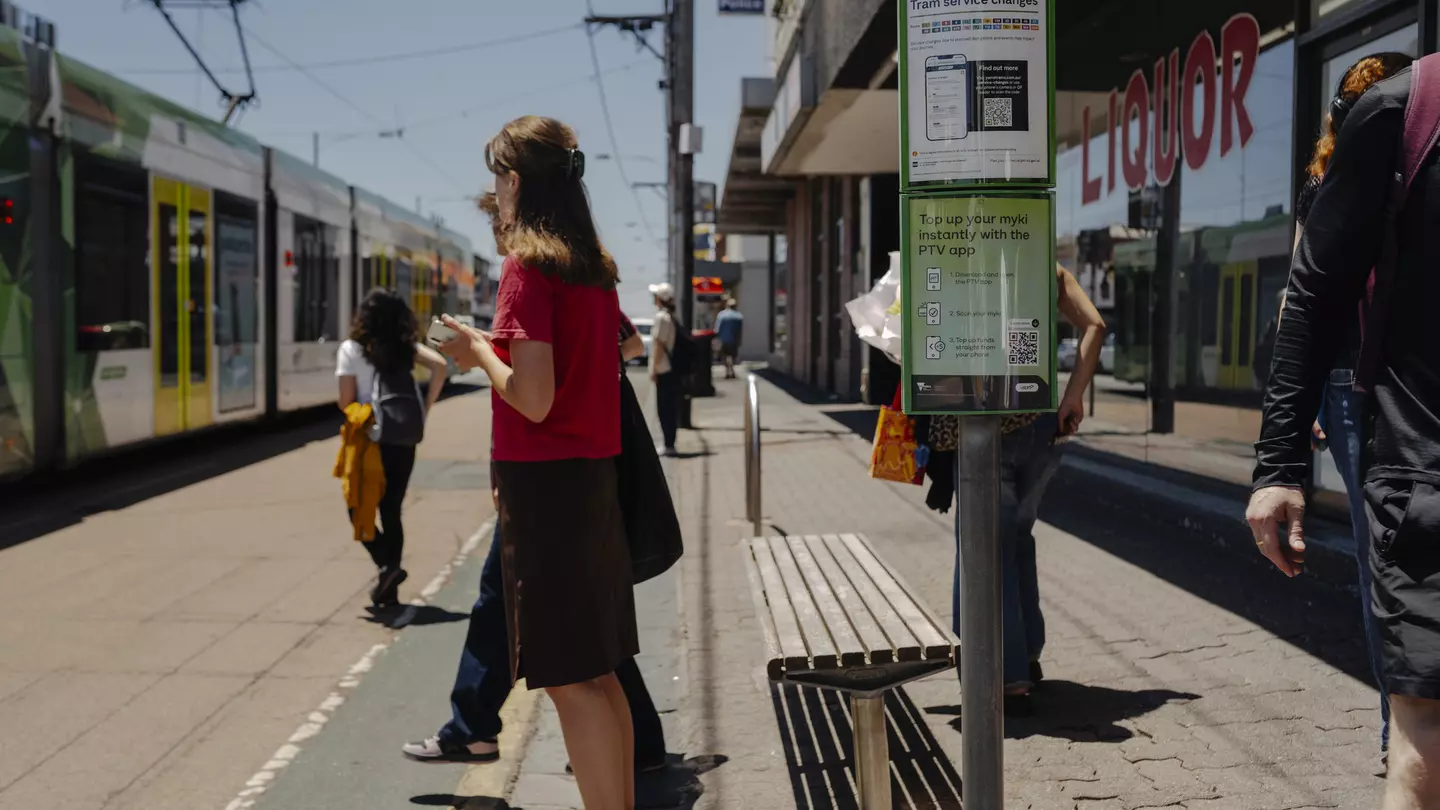
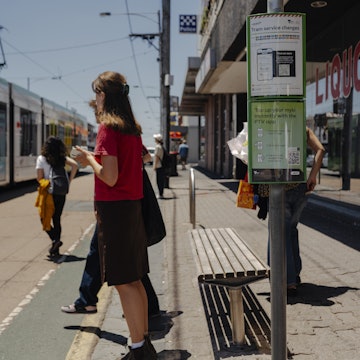
Tram stop in Brunswick, Melbourne. Sarah Pannell for Lonely Planet
Australia's second city – or its first, if you ask some proud locals – Melbourne regularly tops rankings of the world’s most livable cities. You might expect it to be a breeze to navigate – and you wouldn’t be wrong. Getting around the center is easy and inexpensive, so you can focus on soaking up the many great experiences the city has to offer.
Greater Melbourne sprawls for miles inland from Port Phillip Bay and crossing the city from end to end can take hours without a car. But most major attractions are concentrated in the city center (known locally as the CBD) and surrounding neighborhoods, which are easily reached by tram, bus, train or even by boat.
Indeed, Melbourne is famous as the home of the world’s longest tram network, as well as one of its most unusual traffic maneuvers – the notorious "hook turn" used to turn right across tram routes. With mild winters and hot, sunny summers, the city also has a great climate for exploring on foot or by bike.
To help you experience everything the city has to offer, here’s what you need to know about getting around in Melbourne.
Advertisement
Use a Myki card to get moving
To pay for Melbourne’s trains, trams and buses, you'll need a Myki card. Use this prepaid card to touch on and touch off at card readers located aboard trams and buses and on train station platforms. The system is being upgraded to accept other card types such as bank cards, but this is not expected be fully operational till 2028.
Until the new card readers are installed, it makes sense to buy a Myki card as soon as you arrive in the city. Standard Myki cards cost $6 ($3 for concessions, seniors and children) and they can be purchased and topped up with credit at convenience stores and staffed train stations, or using dedicated vending machines at stations and major tram stops. There are also Myki vending machines in Terminals 2, 3 and 4 at Melbourne's Tullamarine Airport.
If you have an Android phone, you can tap on and off using Mobile Myki, which works as part of the Google digital wallet app. To set up Mobile Myki, open Google wallet, choose "add to wallet," select "transport pass," then search for "myki." Users of iPhones can use the Public Transport Victoria (PTV) app to add credit to a Myki card, but you can't tap in with your phone.
The standard two-hour fare across Melbourne is $5.50 for Zones 1 and 2, and there’s a daily fare cap of $11 on weekdays and $7.60 on weekends. You can either pay as you go from your credit balance or purchase a seven-day unlimited travel Myki Pass ($55).
Note that there are hefty fines for traveling on public transport if you fail to touched in using a valid Myki card, and ticket inspectors are unforgiving and sometimes undercover. For timetables and maps, visit the PTV website, or use their app. The transport planning apps tramTRACKER and CityMapper are also useful.
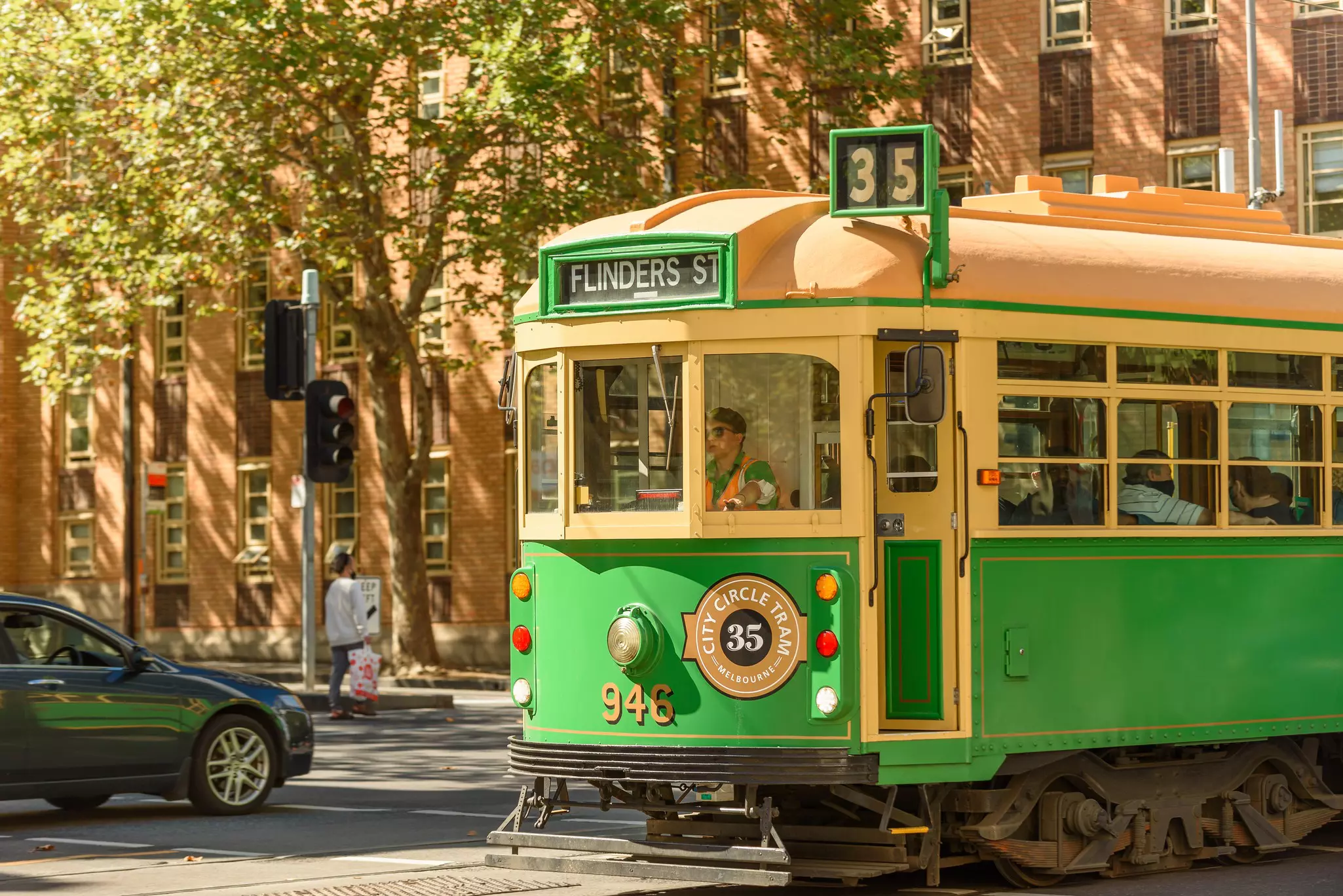
Explore Melbourne's eclectic neighborhoods by tram
Trams are both a practical means of transport and a quintessential Melbourne experience. They run roughly every 10 to 12 minutes during the day (more frequently in peak periods) and every 15 minutes in the evening. Services operate until around 12:30am Sunday to Thursday and 1am Friday and Saturday on most lines. A night service is also available (every 30 minutes) on Friday and Saturday on a handful of lines.
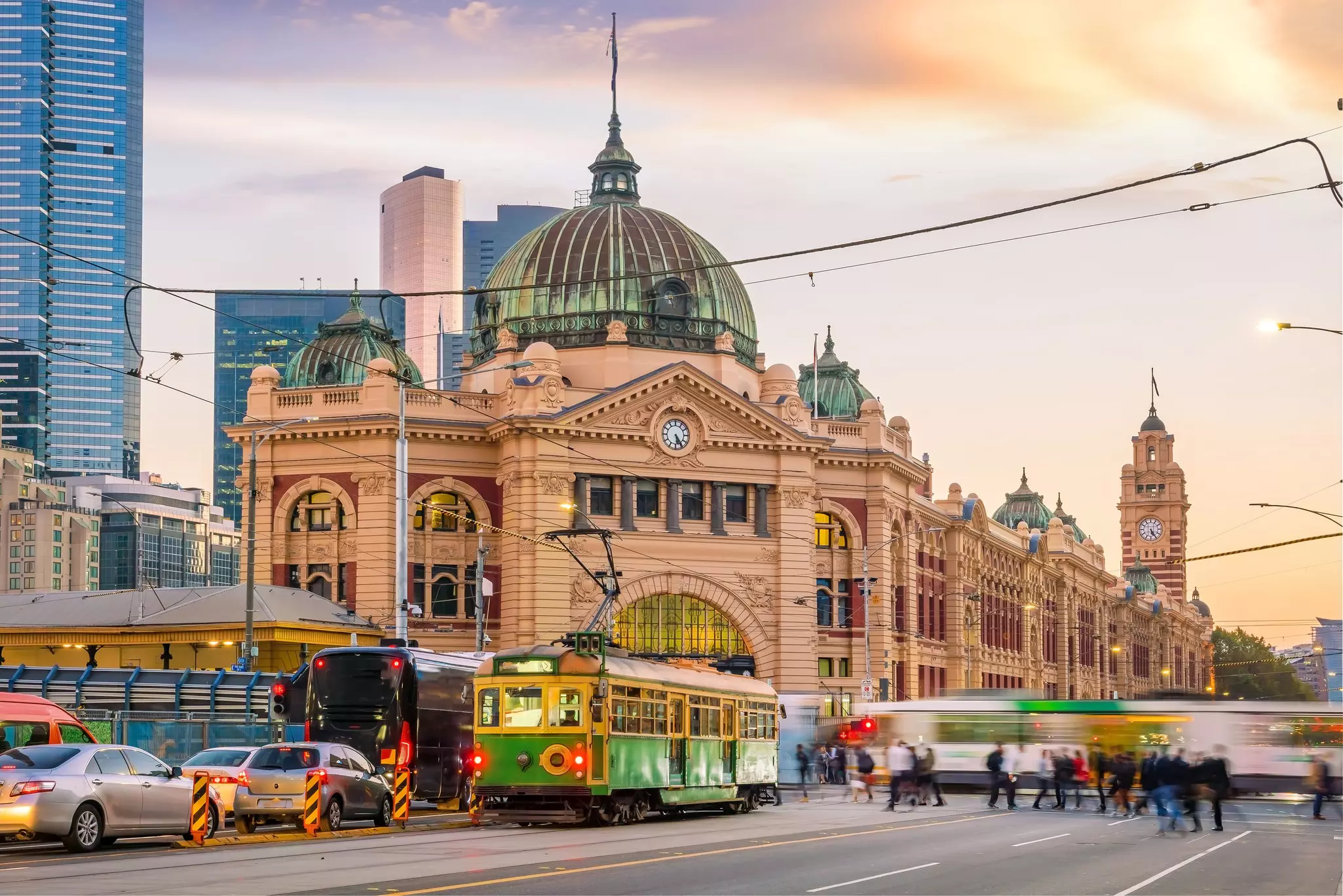
Trams are free to ride within the Free Tram Zone in the city center; the PTV website has a map and stops within the zone are clearly signposted, with announcements made onboard when you're nearing the edge of the free area. One tram route that falls entirely within the Free Tram Zone is the City Circle Tram (Route 35), with delightfully retro W-class trams following a clockwise circuit around the CBD and Docklands from 9:30am to 5pm.
Ride the train network to zip across the city
Melbourne’s suburban trains are the fastest and most comfortable way to travel longer distances across the city. If you want to visit attractions away from the center such as the Yarra Valley, taking a train then a local bus can be the fastest and least expensive option.
Iconic Flinders Street Station – a city landmark since 1910 – and the more modern Southern Cross Station are the main downtown hubs for Melbourne's 16 train lines, which radiate out to the suburbs in all directions. Some of the color-coded lines have multiple branches, so always check your train will be stopping at the destination you want to reach.
Advertisement
Trains start running at around 5am on weekdays, and services operate until around 1am from Sunday to Thursday, and all night on Friday and Saturday nights. Trains generally run every 10 to 20 minutes during the day, every 20 to 30 minutes in the evening and more frequently during peak periods.
The newly constructed Metro Tunnel is a new underground train route across the center of the city, bypassing Flinders Street Station. There are five stops between South Yarra and South Kensington – at Anzac, Arden, Parkville, Town Hall and State Library – but full service on the line is not expected to commence until February 2026.
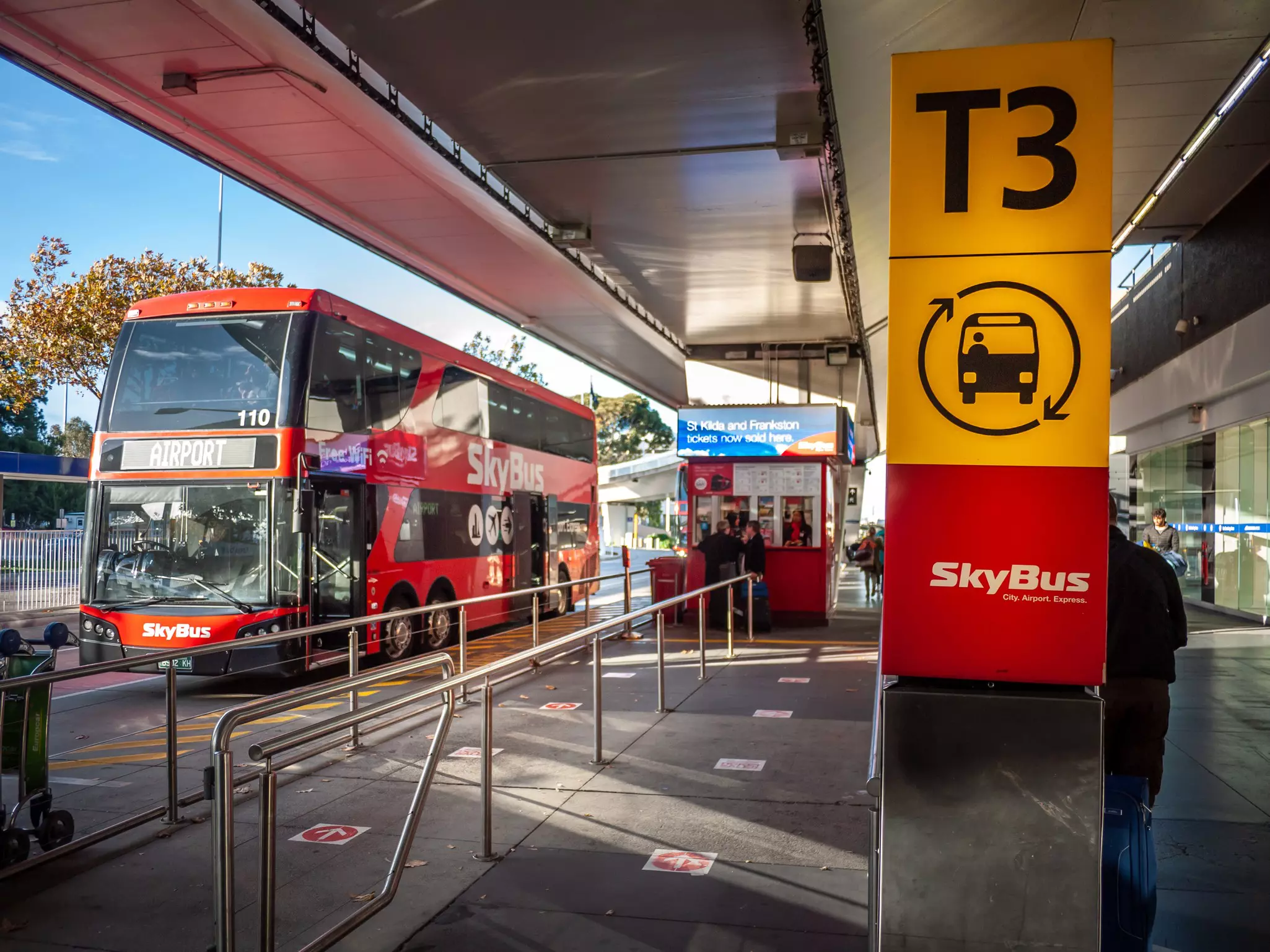
Use the bus to reach destinations off the tram and train routes
Melbourne has an extensive bus network, with over 300 routes covering places trains and trams don't go. Most routes run from 6am to 9pm on weekdays, 8am to 9pm on Saturdays, and 9am to 9pm on Sundays. Night Bus services operate after midnight on weekends to many suburbs. You need to hail buses as they approach your stop, so the driver knows you want to board.
One useful bus for travelers is the Skybus, which runs frequently to the airport from destinations all over the city; there are several routes, so check the website for stops and operating times.
Taxis and ride-hailing apps can get around quickly, for a higher cost
Melbourne’s taxis are metered and require an estimated prepaid fare when hailed between 10pm and 5am; one of the taxi ranks most likely to have a vehicle waiting is next to Flinders Street Station on Swanston St. Two of the largest taxi companies are Silver Top and 13 Cabs, both of which have booking apps.
You can also get around using ride-hailing apps such as Uber, DiDi and Shebah, the latter of which features an all-female fleet of drivers offering safe rides for women and children. Note that ride-share fares are not always cheaper than conventional taxi fares in Melbourne.
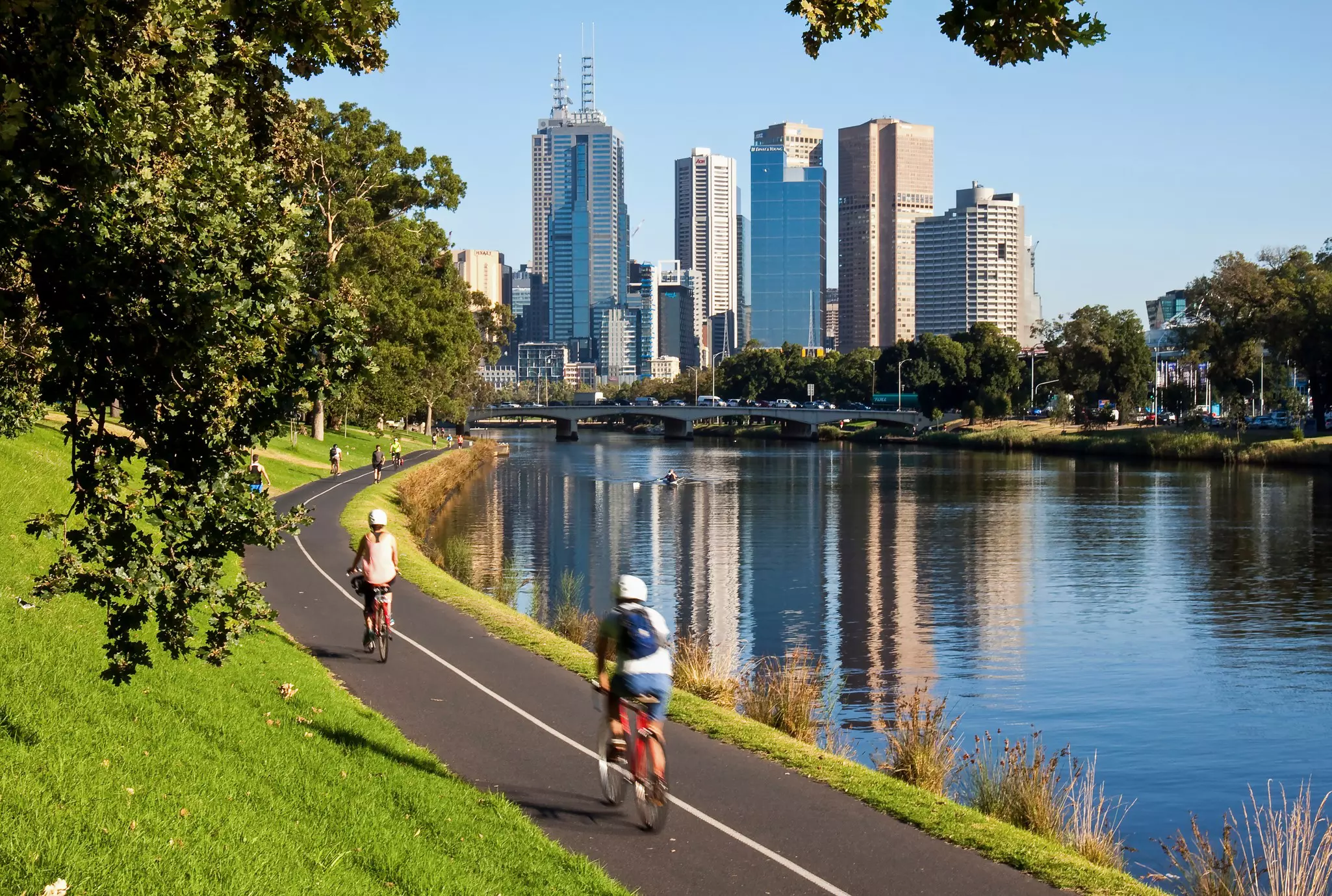
Explore Melbourne’s parks and streets on two wheels
Melbourne is one of the most cycle-friendly cities in Australia, and the city authorities are continuing to improve the infrastructure for cyclists. Some of Melbourne's cycle paths head through lush parklands, beside shaded creeks and along rivers, offering great city views. Detailed cycle maps are available from the Melbourne Visitor Hub at Melbourne's neoclassical Town Hall.
Bikes can be rented from outlets such as Blue Tongue Bikes, BikeNow and Port Melbourne Cycles, but be careful of trams when cycling on the road. Conventional bikes can be taken on trains but not in the first carriage; only folding bikes are allowed on trams or buses. Helmets are compulsory for cyclists, and this is enforced, so don't cycle without one.
In 2022, Melbourne trialed an e-scooter share scheme in the city center, but this was canceled in 2024 due to concerns over safety and scooter parking. Check locally to see if there are any new developments.
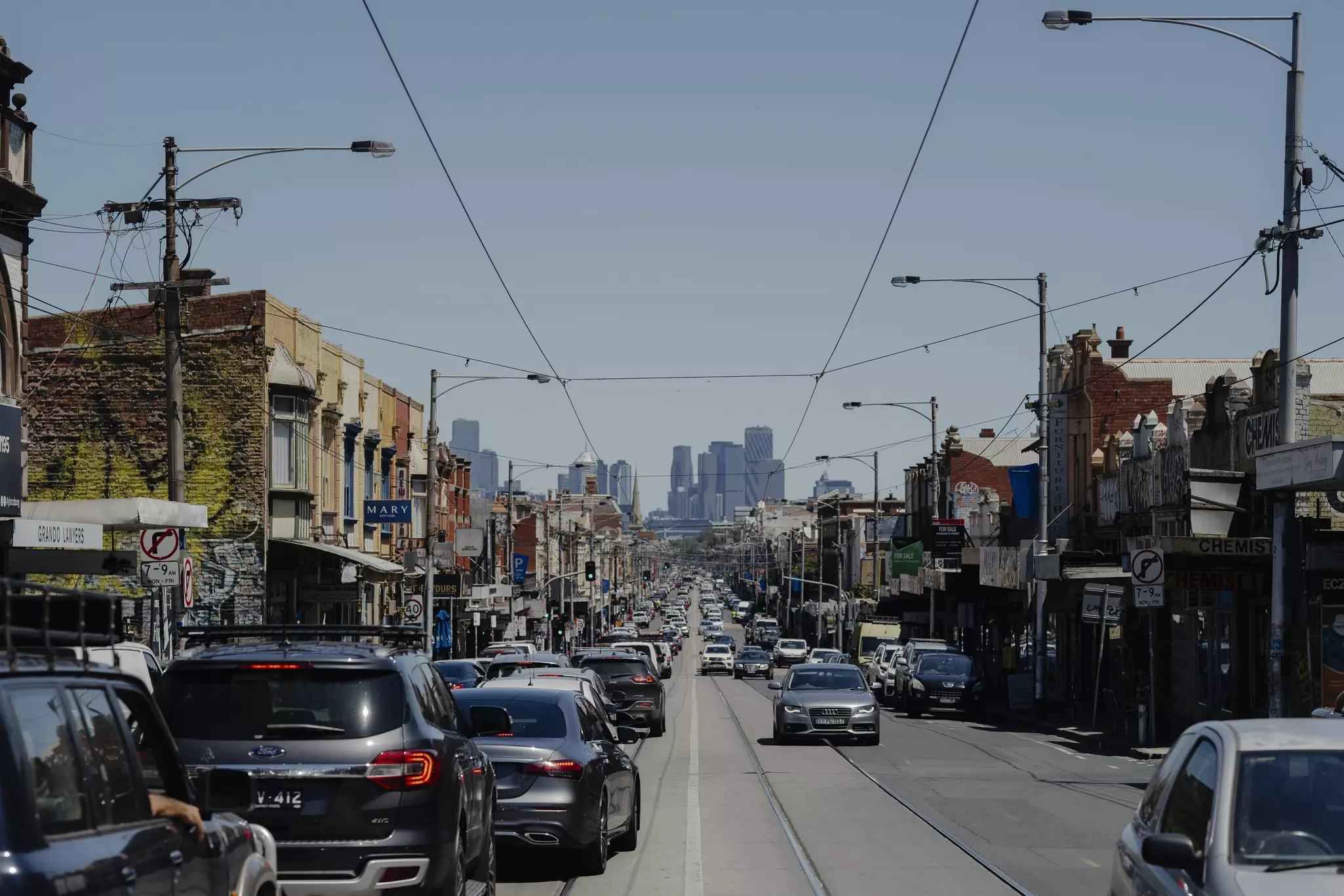
Car rentals are best used for adventures further afield
Cars tend to be more of a hindrance than a help when exploring the center of Melbourne, as parking is difficult to find and expensive (even at hotels) and roads are busy. You’ll also have to contend with trams sharing the street and the distinctive road rules that apply to them.
For example, there’s Melbourne’s famous "hook turn,” in which cars wanting to turn right across a tram line must first pull over on the far left of the street before crossing. If you're not used to the maneuver, it can feel a little disconcerting moving to the side of the road furthest away from the direction you plan to travel, but watch local drivers and you'll get the hang of it.
In town, most street parking is metered and parking inspectors are particularly vigilant in the city center and popular suburbs such as St Kilda, Collingwood and Fitzroy. Motorcyclists are allowed to park on the sidewalk, except in some parts of the city center where there are signs.
While a car isn't much of an asset in the center, having a vehicle can be handy if you're thinking of taking a trip into the countryside – for example, to the Mornington Peninsula or along the Great Ocean Road. If you do decide to drive, see Vic Roads for the lowdown on local road rules.
Cars and campervans can be rented from companies such as Jucy, Avis, Hertz and Rent a Bomb (“bomb” being Aussie slang for an old car). Motorbike rental spots include Moto Sparta north of the city center and EagleRider Melbourne in eastern Ringwood.
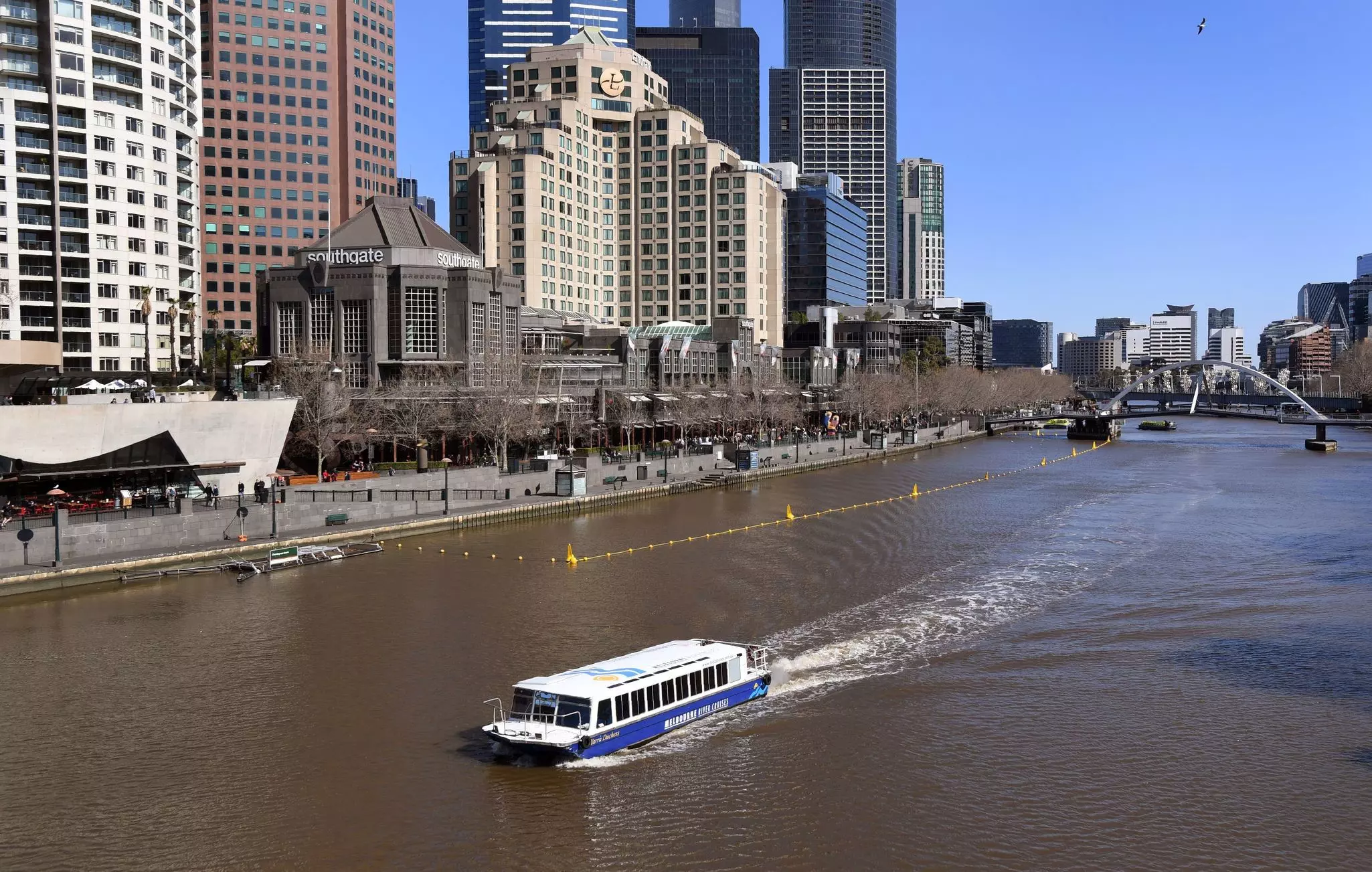
Set sail to see Melbourne from the water
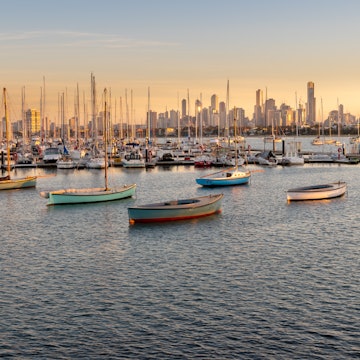
Though boats are a less-used form of transport in Melbourne, traveling by river is a fun way to see the city and get around. Melbourne Water Taxis runs cruises along the Yarra and Maribyrnong Rivers, while other passenger boats link the Southbank promenade and Williamstown's Gem Pier several times a day. The charming Westgate Punt carries pedestrians and cyclists across the Yarra between Port Melbourne and Spotswood.
Accessible transportation in Melbourne
All trains and most buses are accessible for travelers with limited mobility, with ramps for wheelchair users. If you travel by train, you need to be at the front of the platform so the driver can see you and put the ramp out.
Trams are more hit-and-miss – many are low-floor and wheelchair-accessible, but this can't always be relied on outside the CBD. The free tramTRACKER app displays a wheelchair icon to indicate approaching low-floor trams. The journey planner on the PTV website has a useful filter for wheelchair-accessible services and stops.
Taxi operator 13 Cabs offers wheelchair-accessible taxis, but be aware that you may have to wait a long time for a ride, especially during peak hours and in the evenings.
Holders of current and valid interstate or overseas disability parking permits may park in reserved disability parking spaces for the specified time, and for free in some regular parking bays (check signs on parking meters for confirmation of the rules).
Elsewhere, sidewalks are generally in good repair and dropped curbs are standard, as are tactile paving markers. Pedestrian crossings feature sound cues and accessible buttons.
The Travellers Aid centers inside Flinders Street Station and Southern Cross Station are particularly helpful for those with mobility issues and offer a variety of facilities for travelers, including fully accessible toilets, wheelchair/scooter recharging facilities, and wheelchair/scooter hire. They also have a center at the airport.
Advertisement