Advertisement
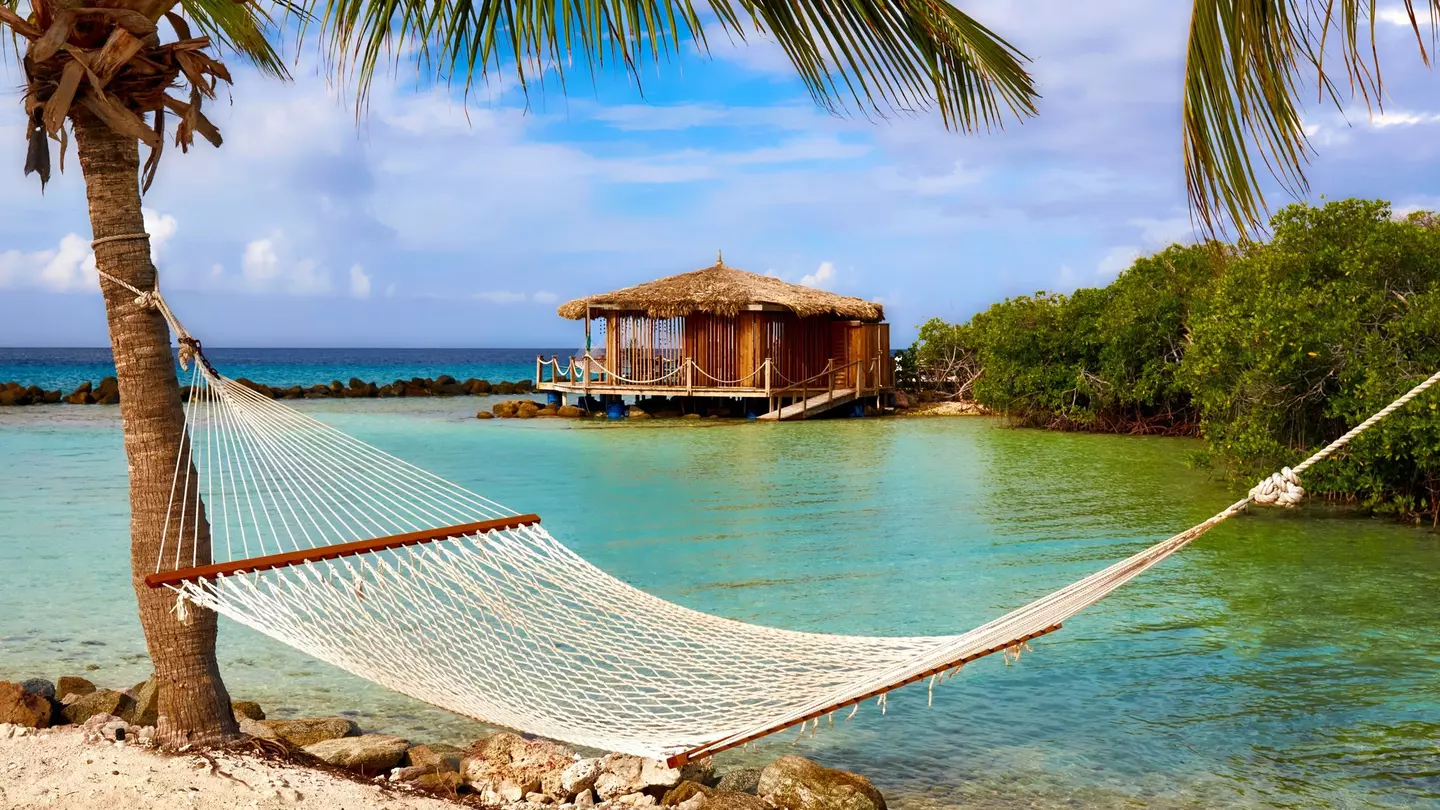
A hammock stretched between palm trees next to a lagoon in Aruba. Dana Bibeault/Shutterstock
A paradise island resting in the Caribbean, Aruba has more than 40 miles of coastline, friendly locals and a multitude of cultures that have emerged from a complex history of colonial rule. Renowned for having more than 300 days of sunshine annually, it's no wonder it's commonly referred to as "One Happy Island."
From the natural beauty of the pristine beaches and hikes across the stunning national park to incredible cuisine and a warm welcome in the island's towns, there's no shortage of wonderful places to go. These are the best places to visit in Aruba.
1. Arikok National Park
Best for off-road adventures
Advertisement
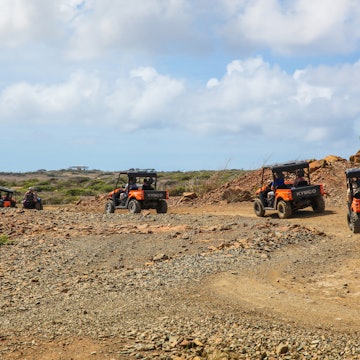
Covering about 20 percent of the island, Arikok National Park is a showcase of Aruba’s natural beauty. With its rugged terrain and indigenous flora (watch out for the towering cacti), you could easily spend an entire day getting acquainted with the island’s desert-like terrain on a guided tour or in your own personal 4WD.
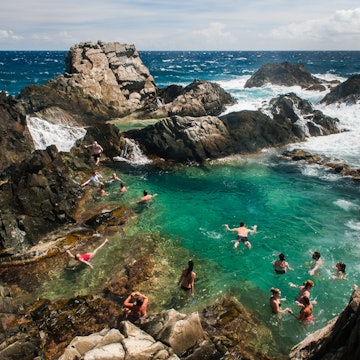
Other must-do activities include a refreshing dip in the park’s natural pool, stepping onto a natural rock bridge and enjoying spectacular views from the top of the California Lighthouse.
Note: While riding ATVs in Aruba is a highlight for travelers, the island does not allow vehicles within the park’s grounds.
2. Manchebo Beach
Best for peace and tranquility
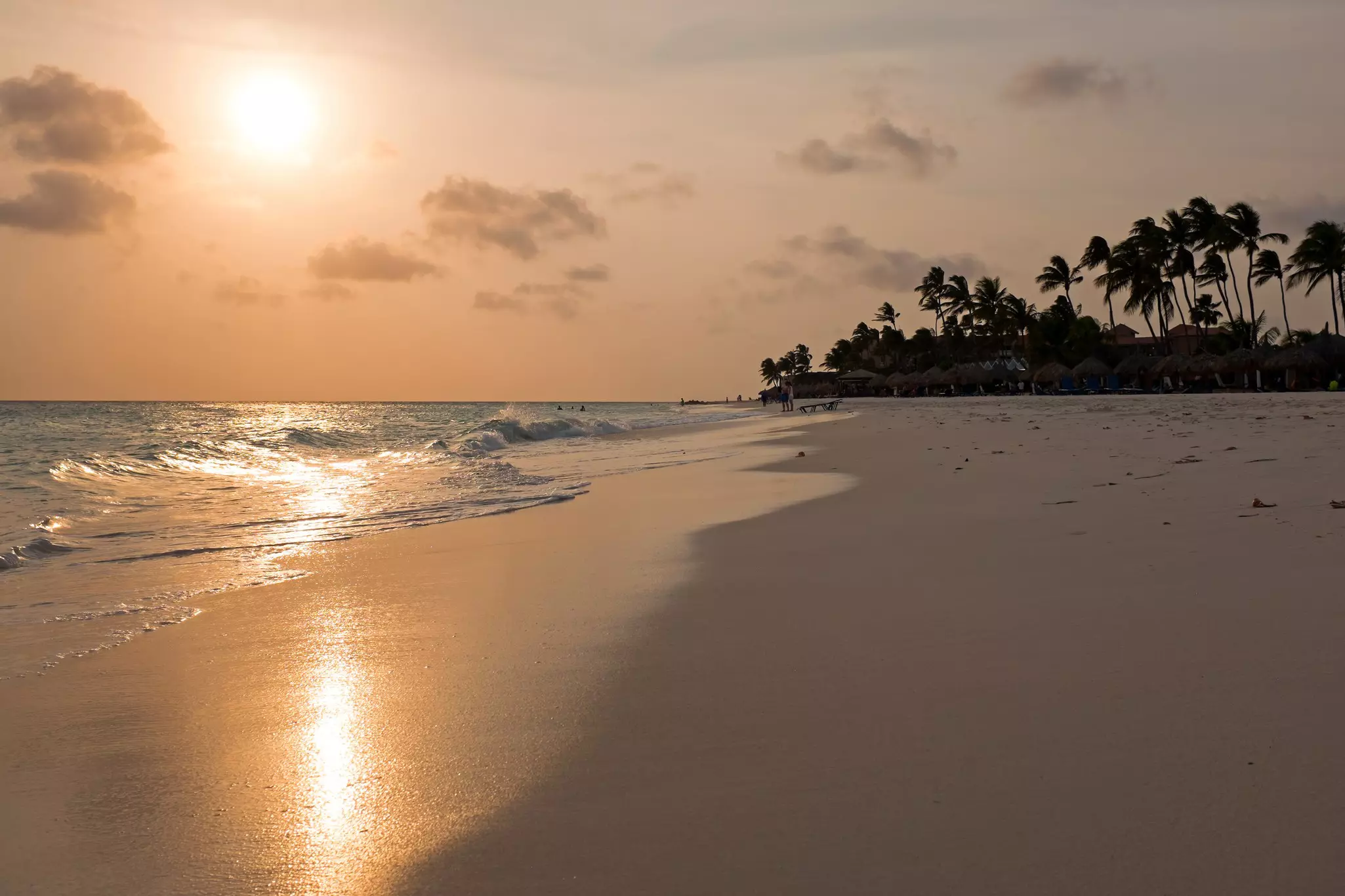
For those seeking a quieter alternative to Aruba’s bustling resort beaches, Manchebo Beach offers a serene escape. Its wide, uncrowded stretches of soft sand and calm waters offer the perfect location to fully unwind from life's stresses and enjoy the sunshine in peace. There are often strong currents in the water, so be careful while swimming.
If you don't want the hassle of bringing your own picnic to the beach, there are plenty of nearby resorts, bars and restaurants to choose from, especially along the busier stretch of Eagle Beach to the north.
3. San Nicolas
Best for a cultural insight and murals
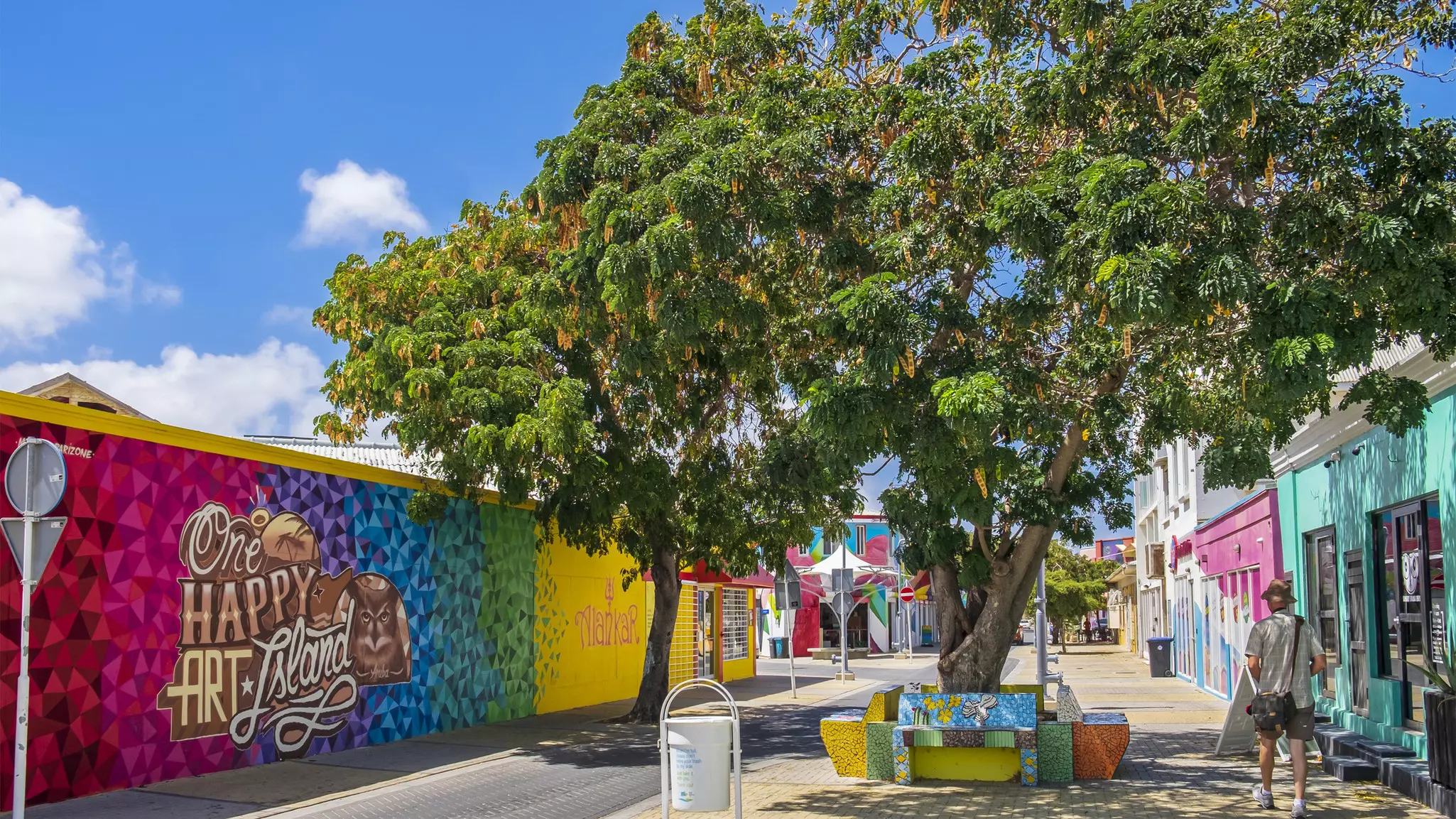
Easily the most colorful and eclectic city in Aruba, San Nicolas is known for its dozens of murals and vibrant street art. Get to know the island’s in-depth history and how it became such an eclectic mix of cultures on a walking tour. The area’s most photographed piece of street art is the “One Happy Art Island” mural; there are several great restaurants nearby, including O’Niel Caribbean Kitchen.
Advertisement
4. Butterfly Farm
Best for family fun
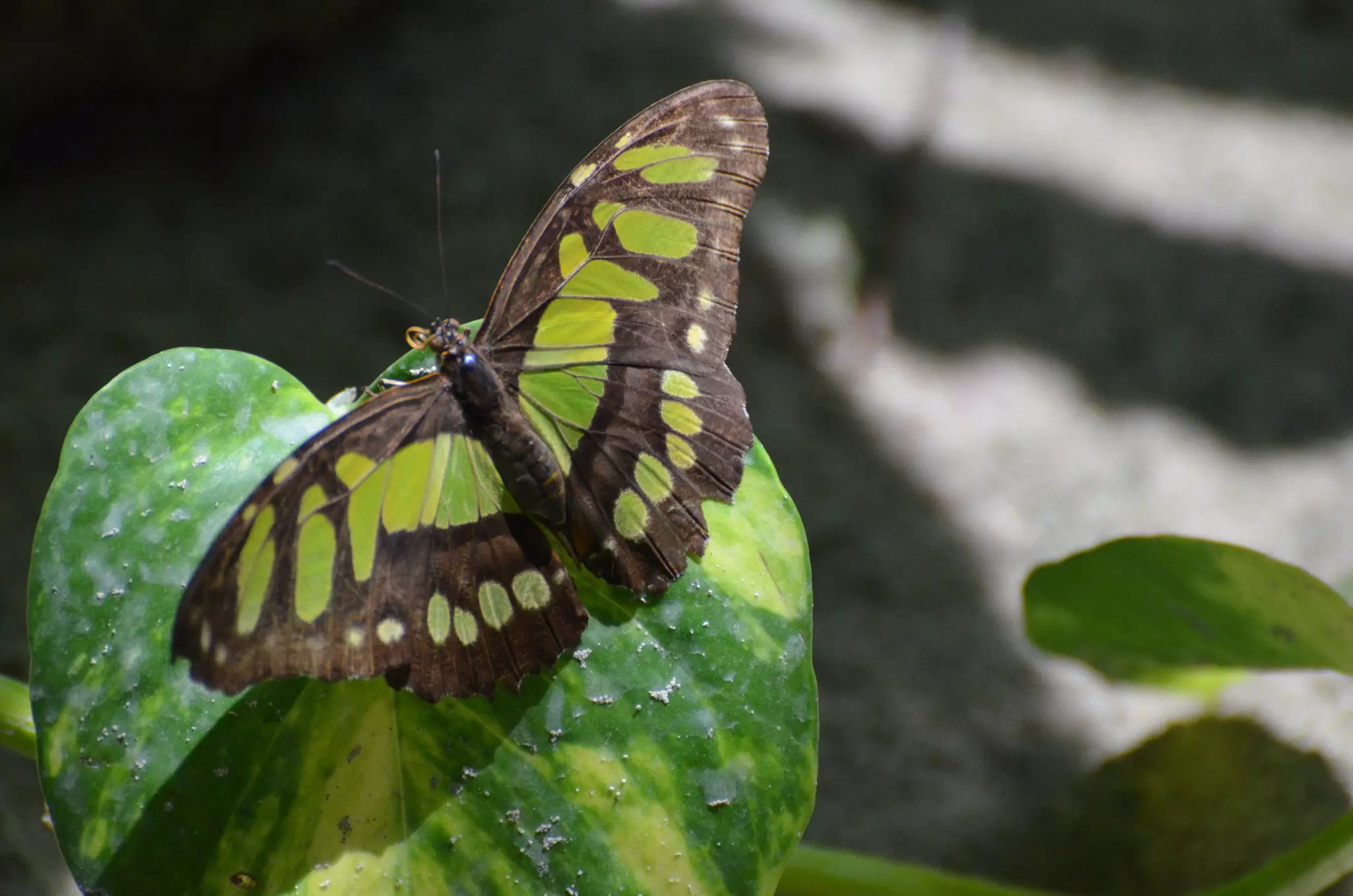
Immerse yourself in the enchanting world of butterflies at Aruba’s Butterfly Farm. Located in Noord at the top of the island, this tropical garden is teeming with dozens of species of colorful butterflies from around the globe.
Learn about the life cycle of these beautiful creatures, including the stunning Blue Morpho, the striped Zebra Longwing and the distinctive Monarch, and wander through the lush foliage as butterflies flutter around you. It’s a magical experience for all ages.
5. Philip's Animal Garden
Best for a walk on the wild side
Philip’s Animal Garden is a sanctuary focused on the rescue and rehabilitation of exotic animals. This compassionate haven is home to over 50 different species, from chatty parrots to scampering monkeys.
The sanctuary specializes in providing a safe and nurturing environment for animals that have been neglected, abandoned or previously kept as pets in unsuitable conditions. Educational guided tours offer visitors insight into the recovery process of the animals and contribute to the ongoing efforts.
Visitors have the chance to see a diverse collection of animals, including exotic birds with unique calls and a variety of mammals such as llamas and potbellied pigs, each adding their own charm to the eclectic mix.
6. Mangel Halto Beach
Best for snorkeling
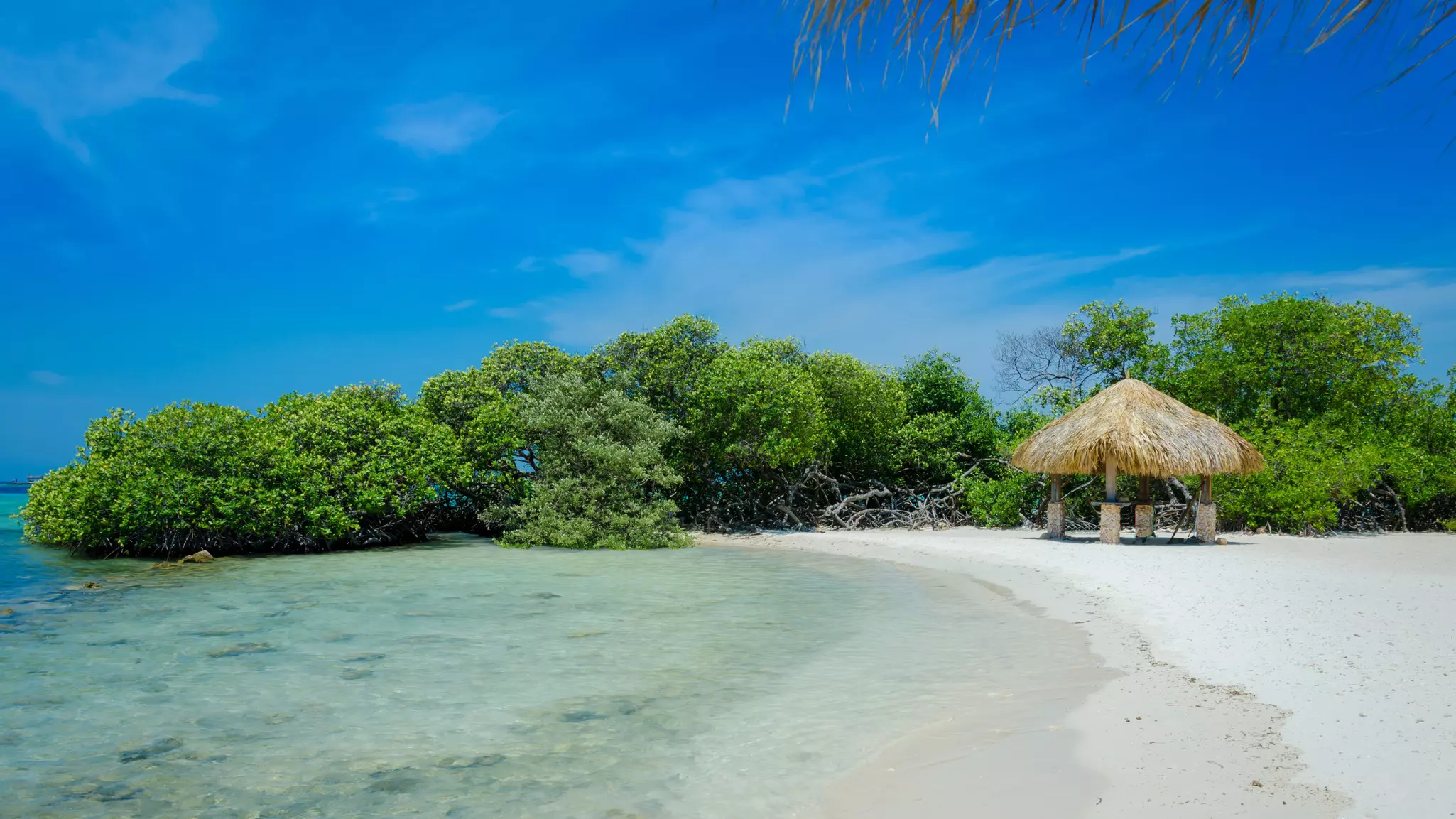
A hidden gem in Pos Chiquito, Mangel Halto Beach is Aruba’s secluded treasure. The beach’s unique topography features a series of natural mangrove channels that lead to the open sea, where an abundant coral reef thrives just a short swim from the shore. Here, snorkelers can explore vibrant underwater ecosystems teeming with colorful fish, sea fans and sponges.
For those who prefer to relax on the pristine shore, the beach provides a soft sandy area interspersed with pockets of coral stone. The shallow waters make it a safe choice for families with young children.
7. Oranjestad
Best for learning about Aruba's history
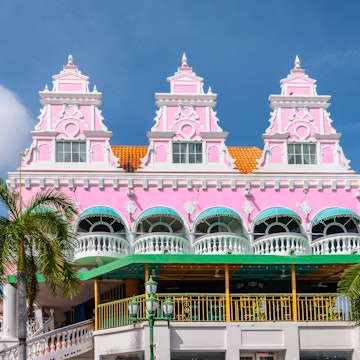
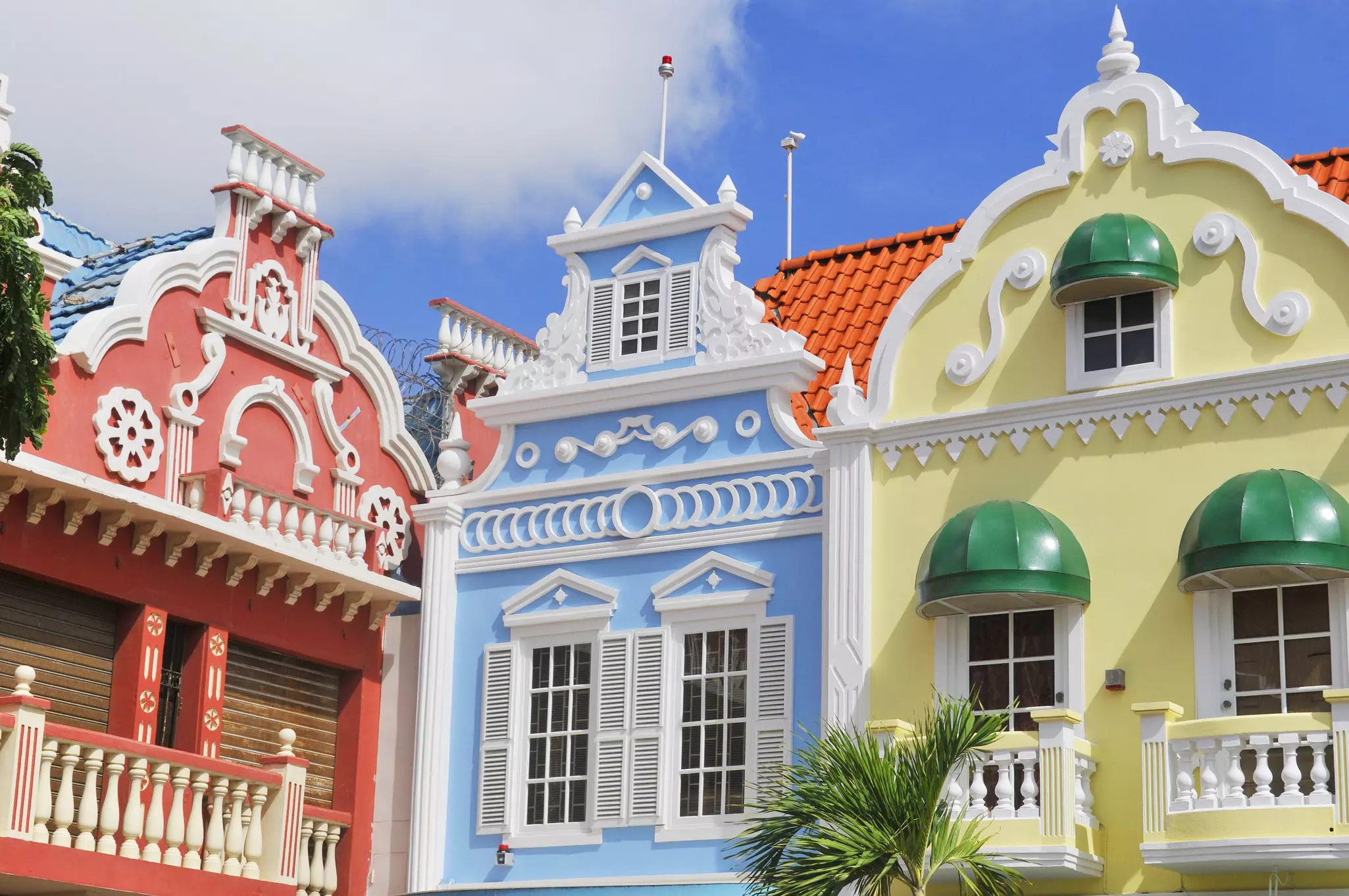
The oldest structure in Aruba, Fort Zoutman is found in the vibrant capital of Oranjestad. Constructed in 1798, the historical fort was initially built to protect the island from pirates. Today, it stands as a proud symbol of Aruba and houses the Historical Museum, which has exhibits detailing the islands complex history of colonisation.
One of the highlights of the fort is the Bon Bini Festival, held every Tuesday evening. The courtyard comes alive with the rhythms of steel drums and traditional dances performed in colorful costumes, artisans display their crafts and local foods are served to provide a taste of Aruban hospitality and tradition.
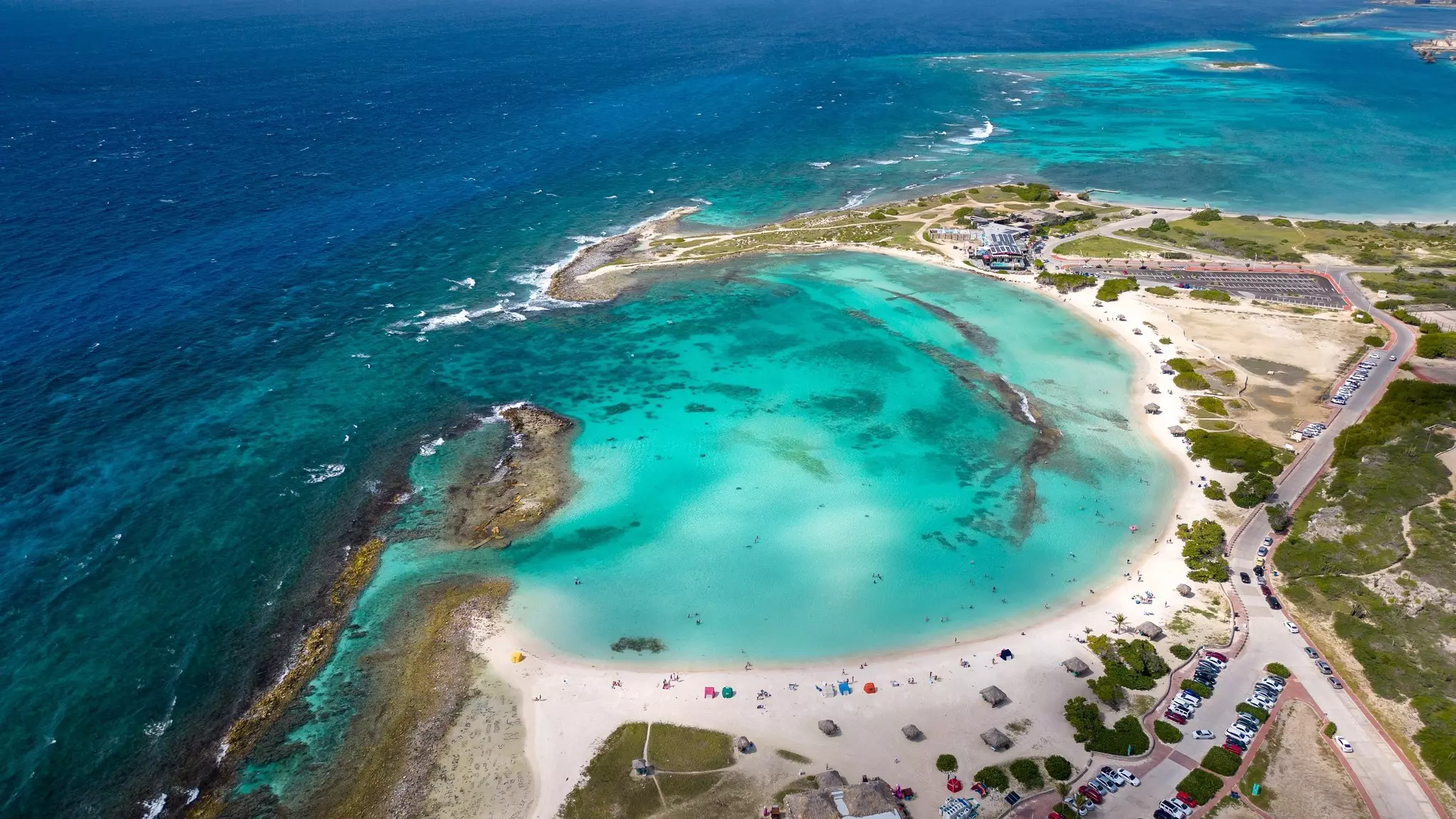
8. Baby Beach
Best beach for families
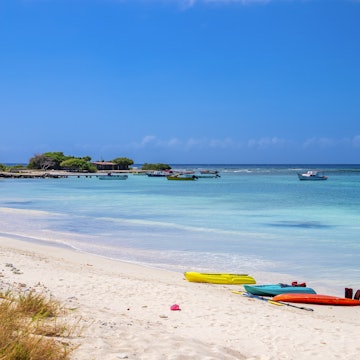
Nestled in the southern tip of Aruba, Baby Beach earned its name due to its shallow, calm waters and sugar-fine white sand that has drawn families with little ones for generations. The half-moon-shaped lagoon offers protection from strong currents and makes it ideal for small swimmers.
There are lots of amenities such as lounge chairs, snack bars and water sports rentals, so you can enjoy a relaxing day at the beach without hauling your own supplies there and back. Aruba's public transportation, Arubus, has hourly shuttles directly to Baby Beach from San Nicolas with numerous stops along the way.
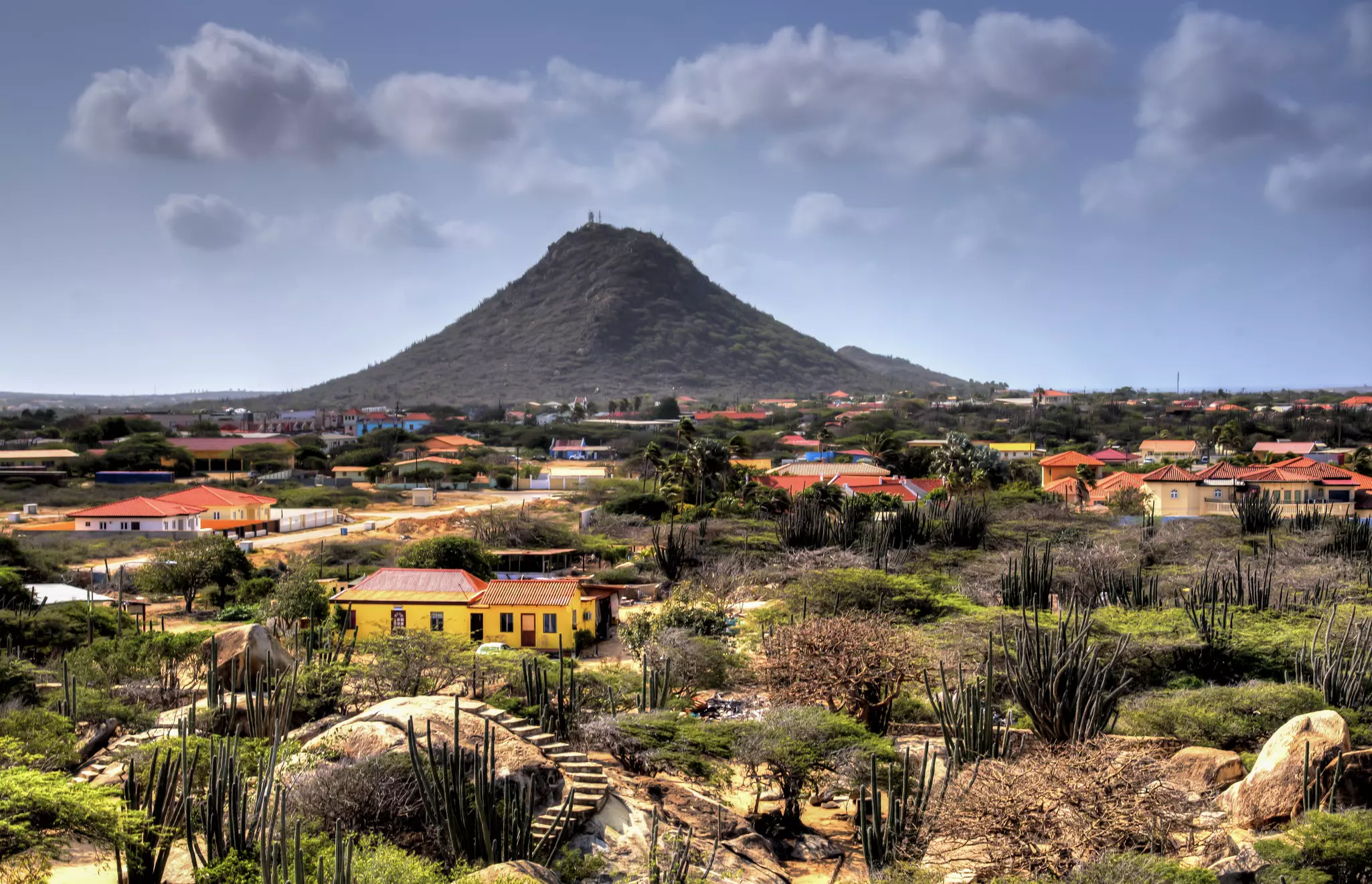
9. Hooiberg
Best for hiking
Located near the center of the island, Hooiberg (Dutch for "Haystack") is a volcanic formation that stands 165m (541ft) above sea level. You may feel like you're at the top of the world but this is actually the second-highest point on the island (Jamanota in Arikok National Park takes the crown at 189m/620ft).
The hike to the top is a lovely opportunity to enjoy incredible views of the entire island. Though you'll feel the burn in your thighs, it's very accessible thanks to the 587 wide steps that lead all the way to the summit. There's even a little resting point with a gazebo halfway up should you need to catch your breath. The stairway is well maintained and, on a clear day, you can see the Venezuelan coast on the horizon.
Advertisement