Advertisement
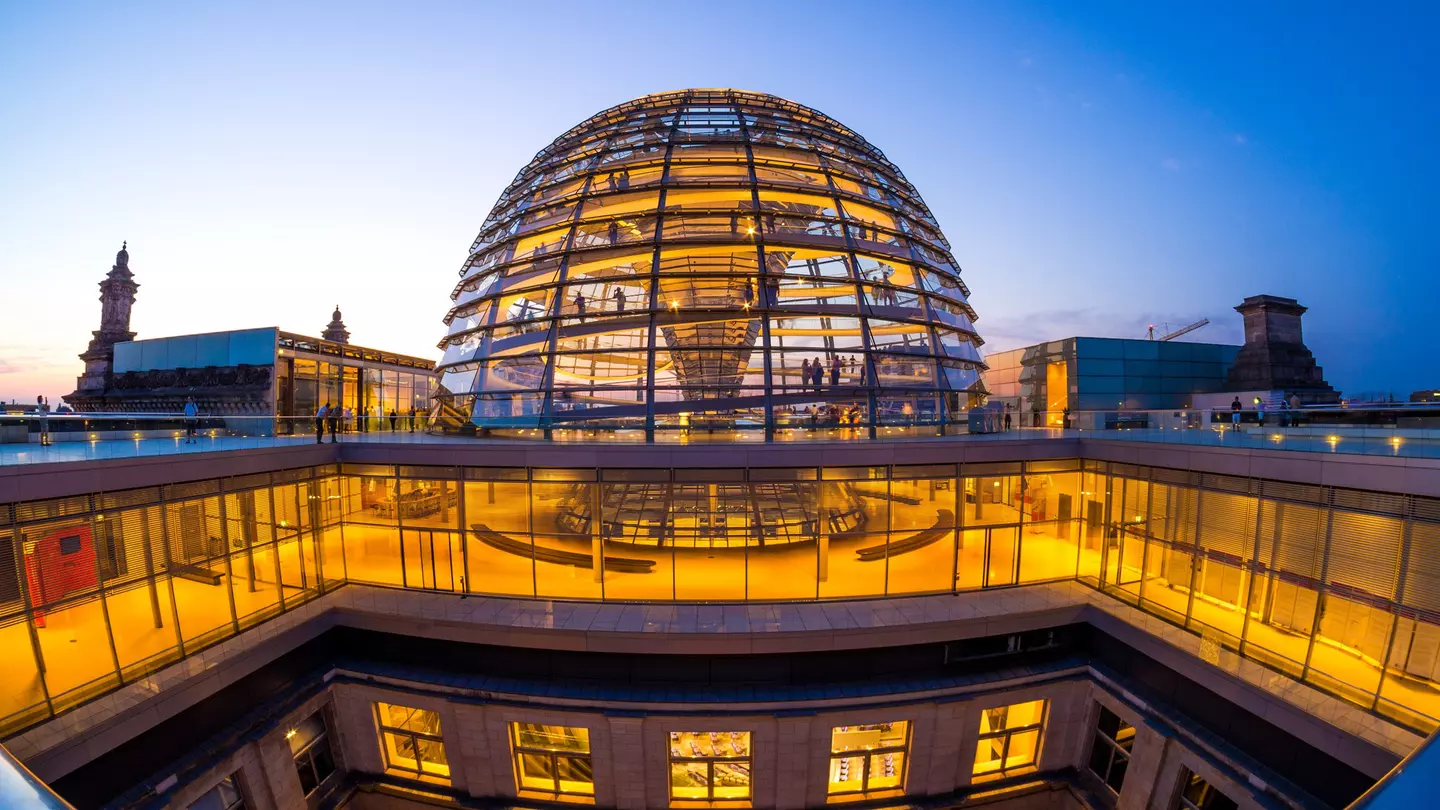
The Reichstag Dome, Berlin. holgs/Getty Images
It’s no secret that you can still get more bang for your euro in Berlin than in many other Western European capitals. Even better, there are plenty of ways to stretch your budget further by cashing in on some tip-top freebies, including such sights as the Reichstag Dome and Gedenkstätte Berliner Mauer (the Berlin Wall Memorial). Here's our pick of Berlin's best free experiences.
1. Enjoy city panoramas from free viewpoints
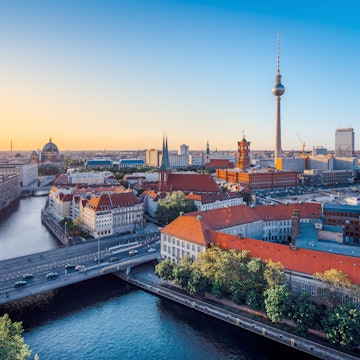
Skip the pricey and crowded Fernsehturm – why splurge on the one place you can’t even see this striking landmark? – and take your Berlin adventure to new heights at some of these famous viewpoints.
Advertisement
For dress-circle vistas of central Berlin, head to the Reichstag Dome (tickets must be booked in advance online). You won’t be alone, but it’s a crowd-pleaser for a reason. If you’re up for some local flavor and a dose of dark history, grab a cold beer to enjoy after climbing to the top of a WWII-era flak tower in Volkspark Humboldthain. Granted, views over northern Berlin are not the prettiest but there won’t be any tourist hordes in sight either.
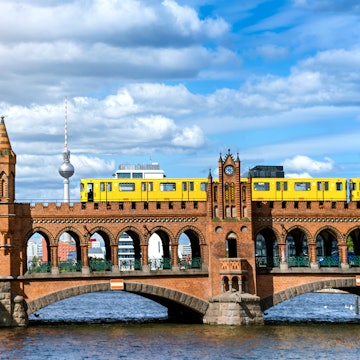
Down in Neukölln, Klunkerkranich is a hipster-approved rooftop hangout with superb sundowners and sunset views atop a shopping mall. Brace yourself for a line – it’s a hot spot, but so worth it! Sunset fans should also show some love for Berlin’s bridges. They won’t get you up on high, but Oberbaumbrücke, Moderssohnbrücke and Elsenbrücke are still fabulous spots for watching the dropping orb light up the horizon, TV Tower included.
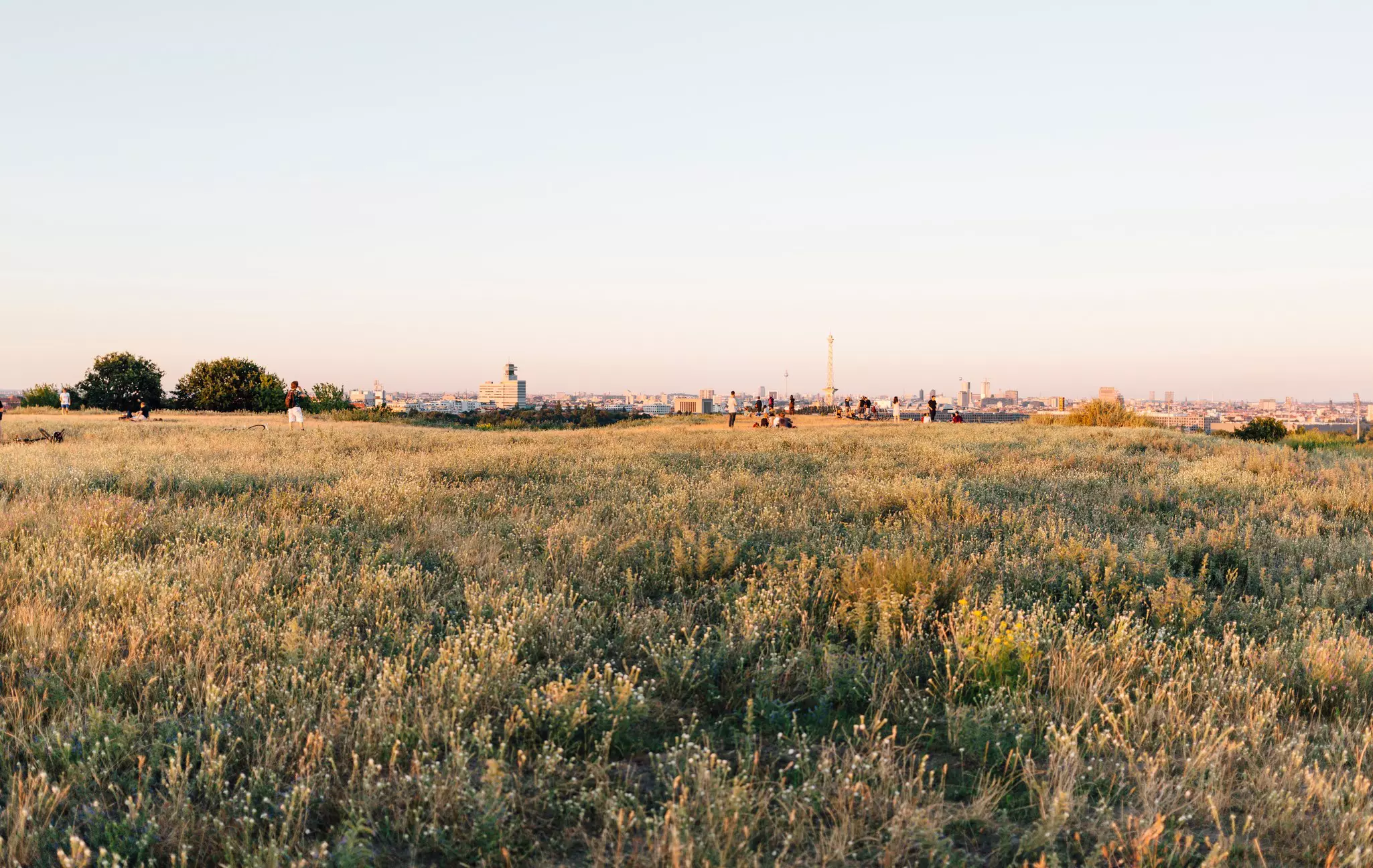
Finally, for the ultimate panoramic experience, head west to Drachenberg, a rubble mountain (i.e. built from wartime debris) and the admission-free little sister of the adjacent Teufelsberg with its famous ex-spy station. You’ll have all of Berlin at your feet!
Planning tip: For security reasons, free reservations for visiting the Reichstag dome must be made online and you need to show photographic ID. Without reservations, swing by the Reichstag Visitors' Center on Scheidemannstrasse (next to the Berlin Pavilion) to enquire about last-minute openings.
2. Immerse yourself in Berlin’s turbulent history
Berlin’s past, however painful, is never swept under the carpet but confronted in a stash of museums, many of them free and in their original locations.
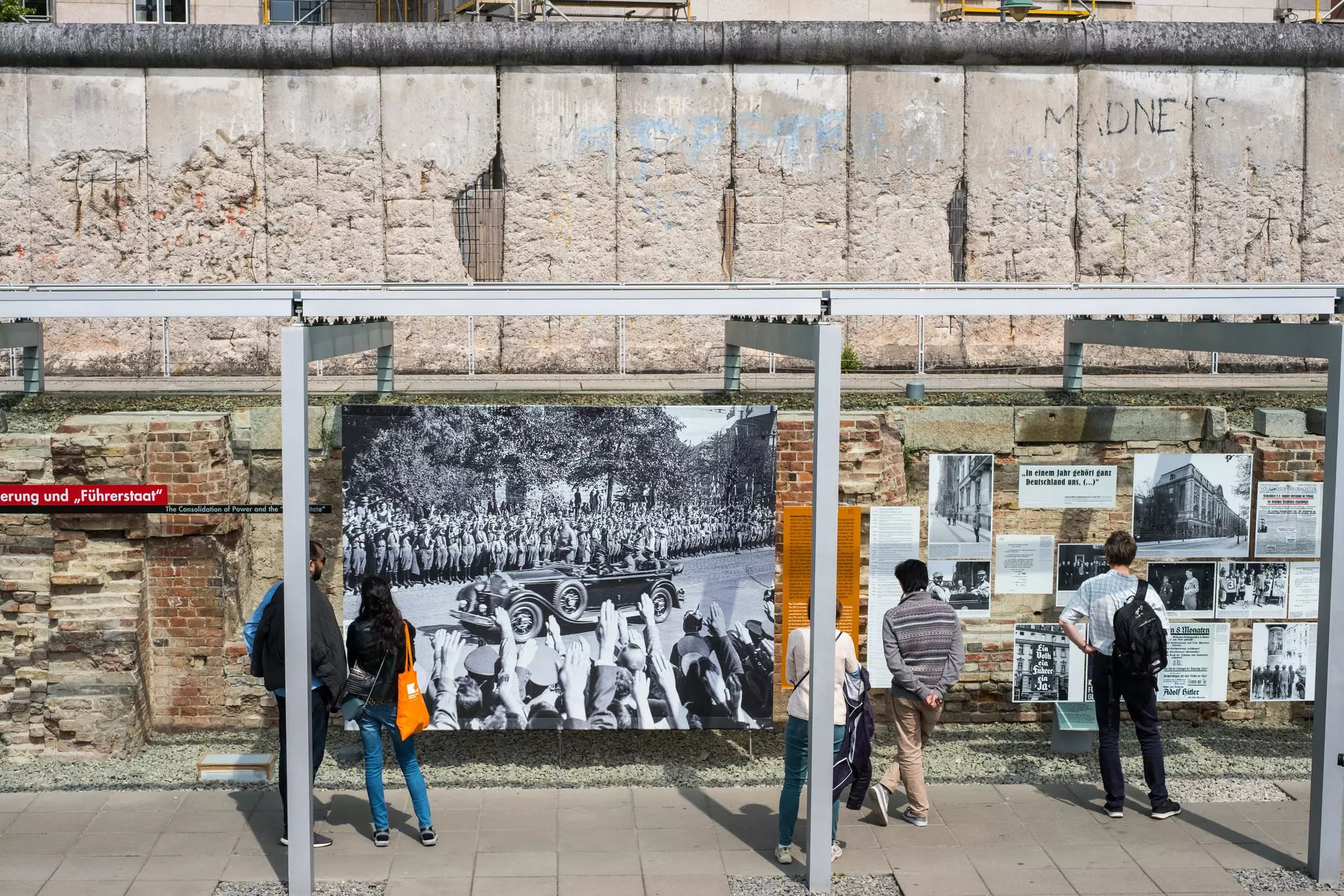
In the spot where the most feared institutions of Nazi Germany (including the Gestapo headquarters, the SS leadership and, during the war, the Reich Security Main Office) once stood, the compelling Topographie des Terrors exhibit dissects the Nazi state. It discusses the stages of terror and persecution, puts a face on the perpetrators, and details the impact these brutal institutions had on all of Europe.
From their desks, top Nazi commanders, such as Heinrich Himmler and Reinhard Heydrich, hatched Holocaust plans and organized the systematic persecution of political opponents, many of whom suffered torture and death in the on-site Gestapo prison.
Advertisement
An exhibit called "Berlin 1933–1945: Between Propaganda & Terror" has been set up against the glassed-in foundations of the Gestapo prison cells. It looks at how the Nazis were able to turn liberal Berlin into a nexus of their leadership’s political power and how life changed for local residents as a result. In addition, a self-guided tour of the grounds takes you past 15 information stations with photos, documents and 3D graphics, as well as a 200m stretch of the Berlin Wall along Niederkirchner Strasse. Ask for a free audioguide at the info desk.
The Gedenkstätte Deutscher Widerstand, meanwhile, tells the stories of those brave men and women who risked everything to resist the Nazi regime. It’s in these rooms that Claus Schenk Graf von Stauffenberg plotted the 1944 assassination attempt on Hitler, a story retold in the 2008-movie Valkyrie.
Now let’s shift gears to the Cold War era. Want to see what the Berlin Wall really looked like and how it shaped the everyday lives of people in East and West? Swing by the Gedenkstätte Berliner Mauer – a 1.4km-long stretch of chilling history peppered with bits of the original wall, vestiges of border installations and escape tunnels. Don’t skip the Documentation Centre and the cool view from its tower.
The human toll of Berlin’s division is also heartbreakingly documented in the Tränenpalast, a former border crossing pavilion on Friedrichstrasse. It’s a gut-punching reminder of the pain caused by the Wall. And last but not least, check out the Cold War from the perspective of the Western Allies in the Allierten Museum – the Americans, British and French were big players in this drama too.
Planning tip: Add depth to your visit of the Gedenkstätte Berliner Mauer by first watching the introductory film about the history of the Berlin Wall and the border system at the visitor center at Bernauer Strasse 119. Free self-guided audio tours of the entire exhibit are available for download.
3. Track down iconic filming locations
Kaisers, Nazis, the Berlin Wall – Berlin is dripping with history. No wonder that it has inspired filmmakers to weave captivating tales against its iconic backdrop.
Launch a DIY film location tour at Checkpoint Charlie, where Bond sashayed into East Berlin in Octopussy (1983). Spielberg’s Bridge of Spies (2015) tells the story of real-world spy exchanges at the Glienicke Brücke in southwest Berlin – cloak-and-dagger stuff at its finest!
Then there’s Etsy finding freedom in the famous Strandbad Wannsee lake scene in the 2020-Netflix miniseries Unorthodox – who needs a therapist when you’ve got a good lake?
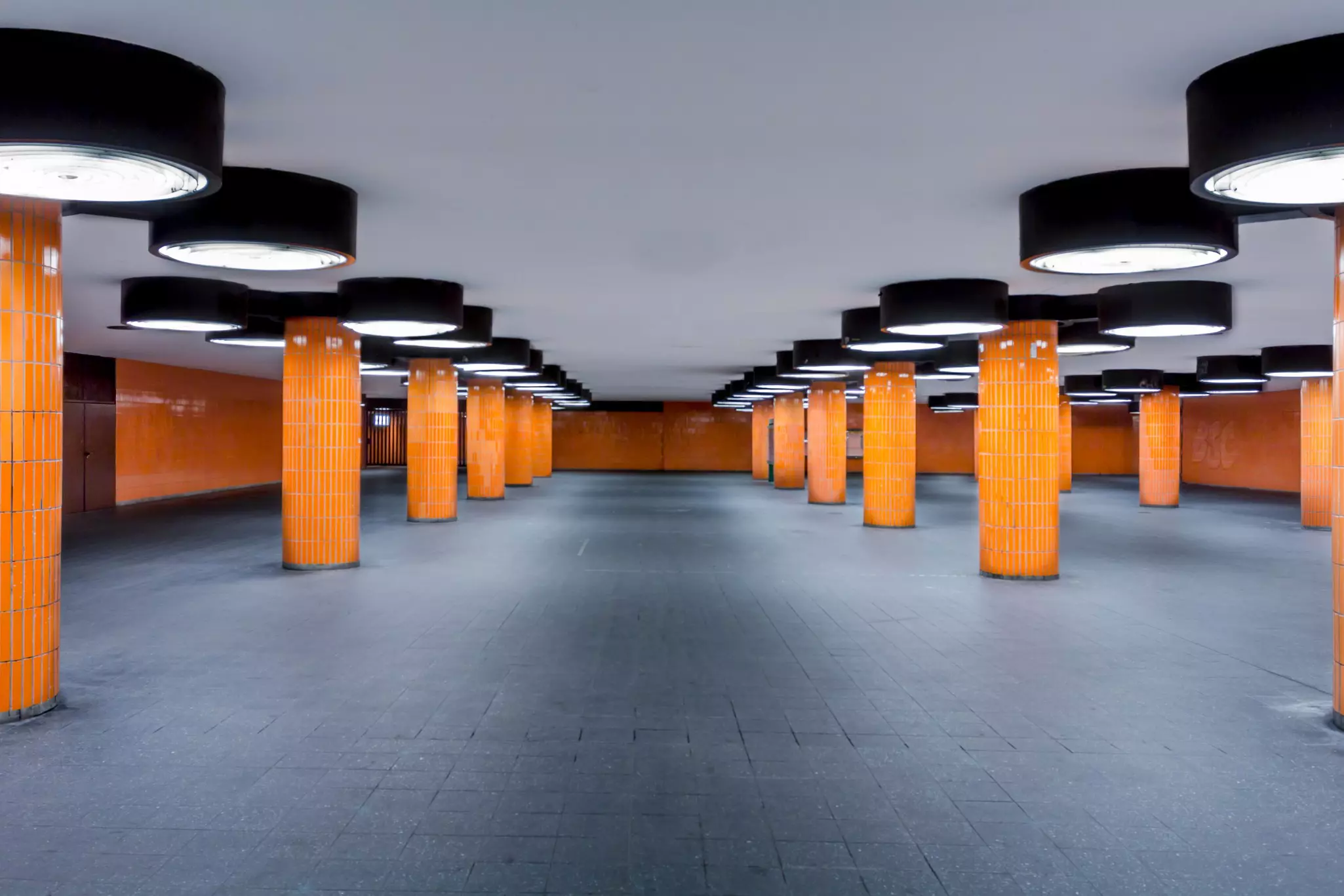
In Tom Tykwer’s 1998 classic Run Lola Run, the frantic title character races like a bat out of hell under the fairy-tale Oberbaumbrücke arches. And let’s not forget that orange-tiled subway near the trade-fairgrounds in western Berlin – it’s practically its own superstar with cameos in Atomic Blonde (2017), the Hunger Games: Mockingjay – Part 2 (2015), the Bourne Supremacy (2004) and other celluloid faves.
Berlin is a shapeshifter too! It played Moscow and Paris in the 2020-TV hit Queen’s Gambit, with scenes filmed on Karl-Marx-Allee, the Hansa recording studios and Friedrichstadt-Palast.
4. Explore Berlin’s awesome street art
Art is not confined to museums in Berlin. The city’s punk spirit and Peter Pan personality have practically turned it into an urban canvas, from stickers on lampposts to massive murals by famous artists like Blu and JR.
For a crash-course on the scene, key players and styles, check out the Urban Nation Museum on Bülowstrasse. In fact, the entire area has of late exploded into a “West Side Gallery.” Street art icons like Shephard Fairey, Herakut, D*Face and Cyrcle have plastered entire facades with paintings from psychedelic to political; smaller pieces lurk in unexpected places. If you’re pressed for time, at least check some of them out on the fly during a ride on the U1 elevated train between Bülowstrasse and Nollendorfplatz stations.
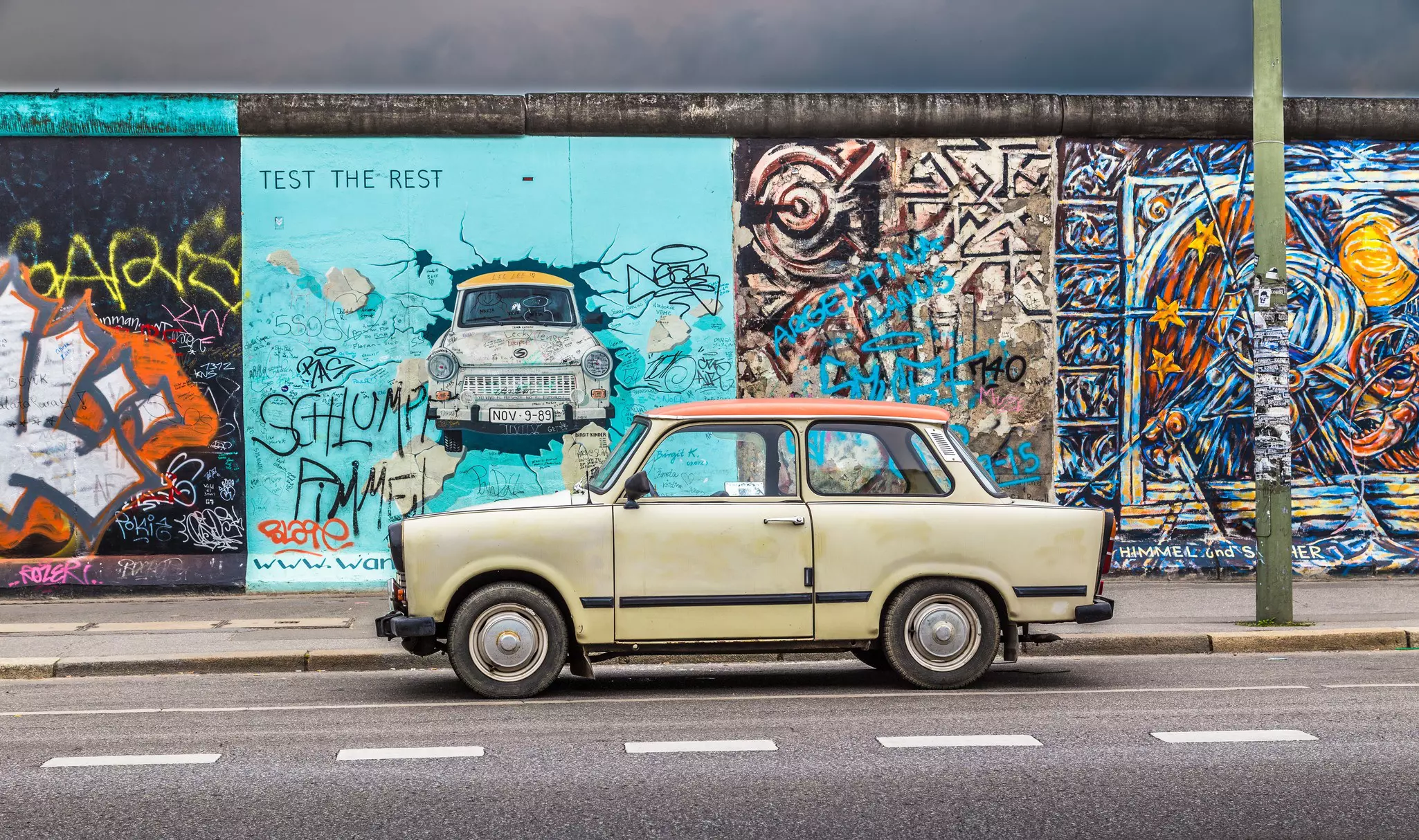
Of course, the motherlode of open-air art is still the East Side Gallery – that iconic 1.3km-long surviving stretch of Berlin Wall facing the Spree River. It stands proudly as a symbol of the peaceful revolution that led to German reunification. While here, also check out the latest creative outbursts decorating the nearby RAW Gelände, a former train repair compound turned wild party and culture playground.
Local tip: The more famous East Side Gallery paintings are near the Ostbahnhof end. Pick up some snacks and a cold beverage in the station’s supermarkets to enjoy on the grassy strip between the Wall and the Spree River.
5. Relax and play in the city's best parks and green spaces
If you’re on mental overdrive after clocking yet another 25,000 steps exploring Berlin (or are just nursing a sore head from last night’s party), it’s time for a little outdoor R&R. Lucky for you, about half of this city is covered in free and fabulous parks and green spaces.
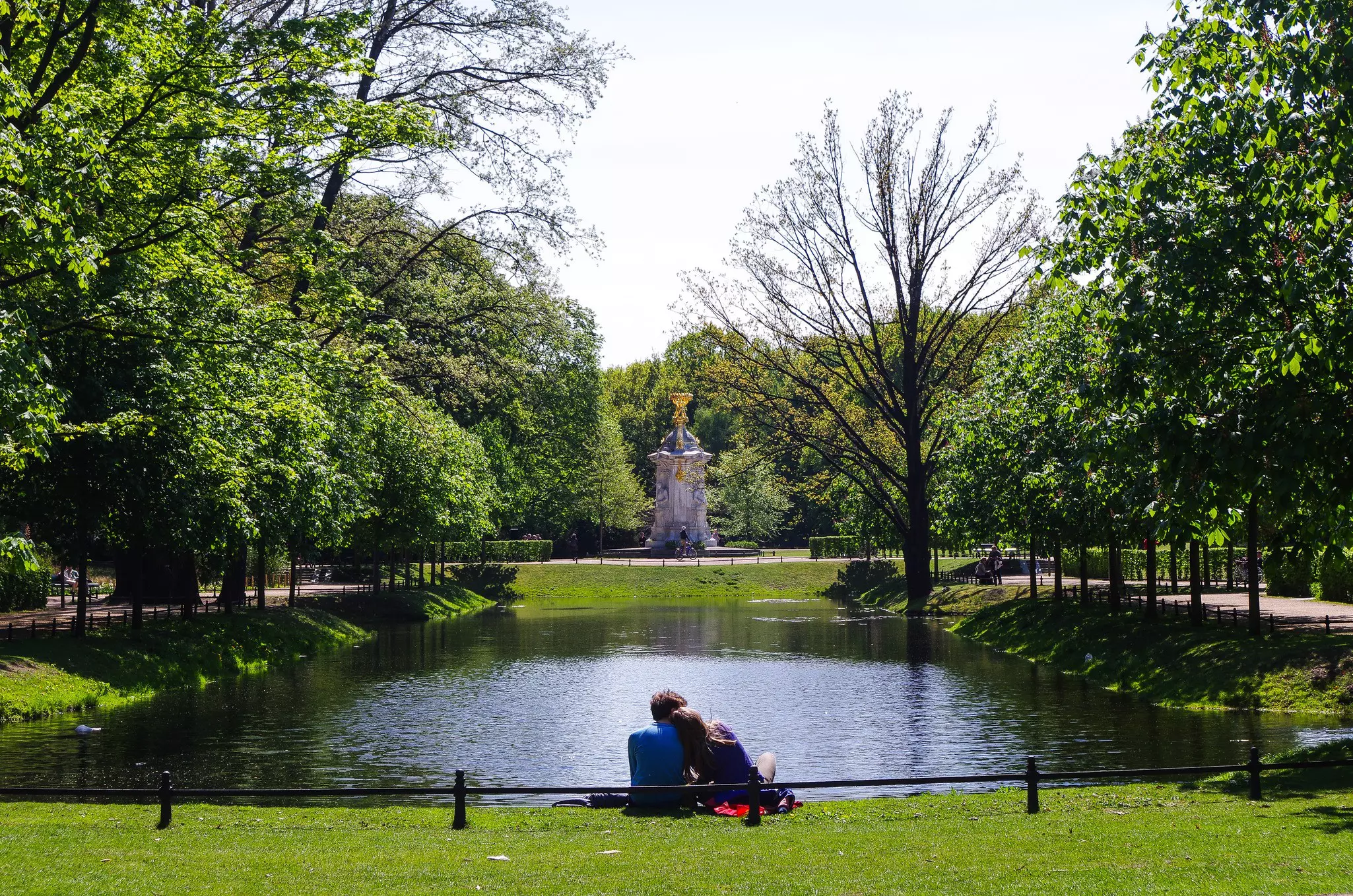
The best-known chill-spot is the Tiergarten, a massive park that’s practically a mini-forest in the heart of town. Romance seekers, take note: it’s full of tree-lined pathways, tranquil streams and even a cute beer garden-adjacent lake. If you fancy getting lost Hansel-and-Gretel-style on long aimless forest walks (minus the witch, of course), hit up the rambling Grunewald forest in the southwestern city.
Like your parks big but with things to do? Steer towards the Treptower Park/Plänterwald combo. Beer garden stops? Yup. Paddling on the Spree? Sure. And if you’re still craving a dose of sightseeing, the big and bold Sowjetisches Ehrenmal Treptow (Soviet War Memorial) beckons. And speaking of Soviet memorials, check out the “secret” one in Schönholzer Heide, a delightfully unruly and locally adored nature escape in northern Berlin.
Advertisement
Explore related stories

May 14, 20257 min read
Amsterdam vs Berlin: which free-spirited European city should you visit first?
Feb 29, 20242 min read
Book your tickets... Europe's newest night train will link these grandiose cities