Advertisement
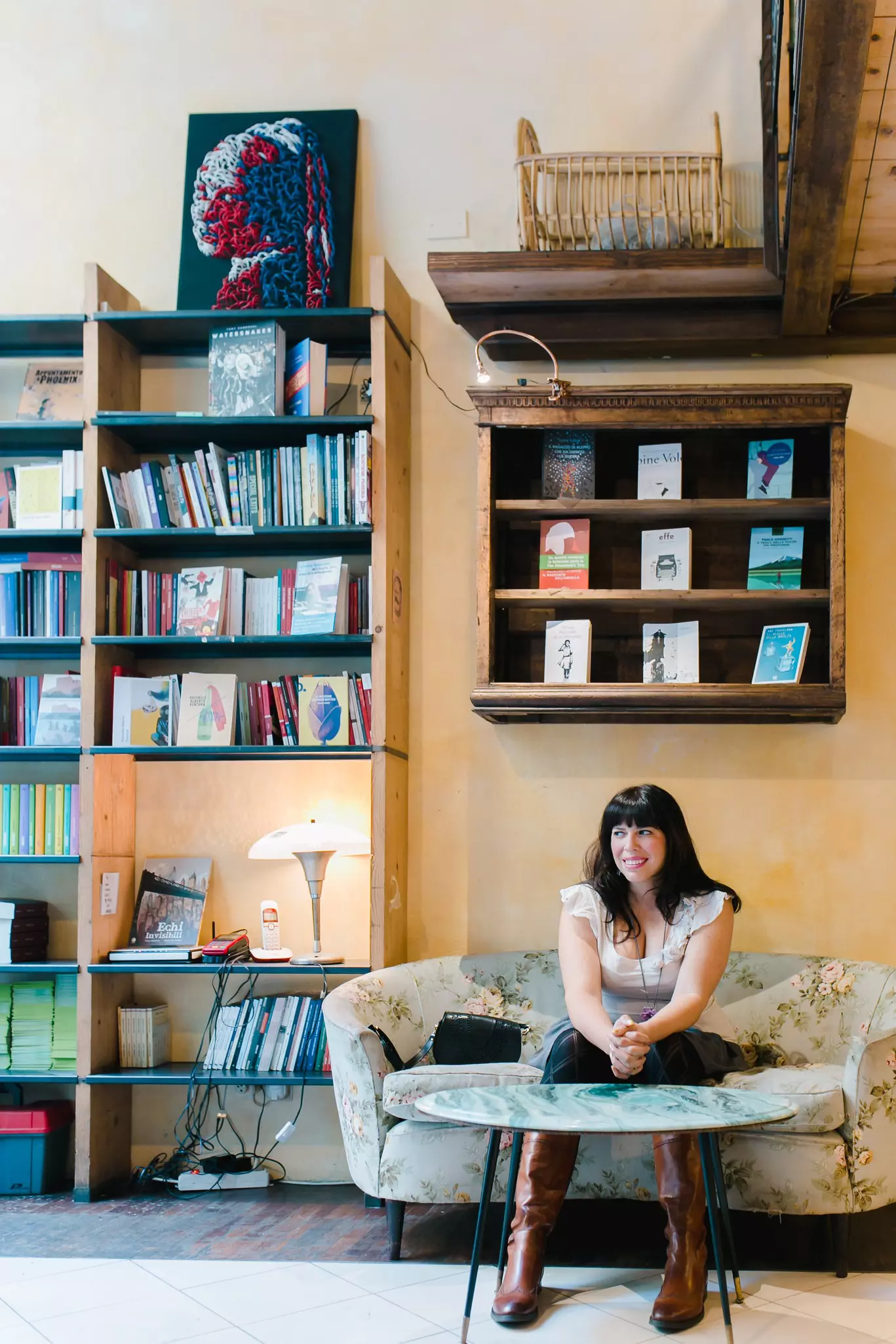
Travel blogger Georgette Jupe-Pradier has been living abroad in Italy for over a decade. Expat life, she says, has its ups and downs, but it’s almost always worth it to step outside your comfort zone at least once.
Earlier this year, before the pandemic turned the world upside down, I attempted to learn to ski in France with my husband, Nico. Navigating even the novice slopes at the age of 35 is no easy feat, and as I gingerly moved my sore body onto the couch, my husband looked up from his phone. “What do you think about living in Switzerland?” he asked me.
Advertisement
It wasn’t something I exactly saw coming, but at this point I should be a pro at shifting locales. I’ve spent 13 years out of the country of my birth, a significant chunk of time for someone coming into their own in their twenties and early thirties.
Moving abroad wasn’t something I imagined I would ever do, or even want to do. Just leaving my hometown of San Antonio, Texas, to Los Angeles seemed like an enormous change all those years ago.
And yet, after calling Florence, Italy, home for many years, my husband and I were uprooting ourselves from everything we knew and were again about to become “newbies” in another place. A new country, a new language, new awkward moments to embrace.
Now, during a pandemic that seems almost never-ending, I find myself reflecting even more on this decision to move abroad, to change our lives and leave our comfort zone. And why everyone should try it at least once.
Not like in the movies
My story in Florence was never of the Under the Tuscan Sun variety, but rather it was one grounded in non-cinematic reality. It was years of fumbling my way through the Italian language, life in a tiny apartment, fights (and eventual breakup) with my Italian boyfriend, tearful frustration during the visa process, awkward attempts to integrate and find friends and of course the colossal task of finding gainful employment (more like dozens of odd jobs).
Life in Italy was forever complicated but it became something that I chose to accept and appreciate. Hard lean on the word accept. “The constant challenges help build character,” I told myself.

In fact, one of the posts that first went semi-viral on my blog spoke about the mistakes that people coming from abroad often make in Italy. It was a classic list of bullet points such as playing the constant “compare game,” relying too heavily on your native-born partner, underestimating the cost of living, or only making foreign friends. At the time, there were fewer options to join Facebook groups like “Girl Gone International” and network in the digital space. Nowadays it is so much easier to work remotely, find new friends online, or join a group or committee.
Advertisement
The great thing about having a blog for almost 10 years, though, is that you can look back and read these articles and see how much you’ve evolved yourself as a person. I realize I had much stronger opinions back then than I do now about “how to be” and “how to do.” I no longer think of things in such a black or white way and that comes with accepting the culture of my adopted home, warts and all.
What I found during this new life instead was a community of people who truly cared about one another and wanted to support each other. It’s not that I couldn’t find that in Texas or Los Angeles – I believe you can create that anywhere but for me that happened in Florence, through my work, visiting artisans and small bottegas, through the blog and embracing daily social interactions while strolling through my neighborhood with my dog.
(Be)coming home
Moving to Italy was neither easy nor seamless but it slowly became more home than the country of my birth. I met some of my best friends here. I met my French husband here. I adopted my stubborn beagle. I’ve experienced tragedy and joy in extreme forms, and I’ve learned that uncertainty is a not-so-terrible thing.
In fact, the concept of “home” always seemed a bit off to me in the traditional sense. Does it always have to be tied to your hometown or can it be the place where you simply feel most comfortable? Home, like love, can be transient. Surviving out of your comfort zone can be exhilarating, at first everything seems so different but eventually it becomes familiar. More home-like.
Do I think picking it all up and moving will save you, make your dreams come true, be everything you’ve seen in the movies and more?
No, I really don’t.
In fact, I’ve always resented those books that reeked of privilege with stereotypical anecdotes about life in Italy from people who don’t really take part in the community and local life. Coming to live in another country takes true commitment, a bit of grit and the ability to make an ass of yourself sometimes and be OK with it. It pays instead to start learning how to live with less in all senses of the word even if the term “less” in itself is debatable. Maybe your apartment is smaller, or your salary is lower, but perhaps the human interactions in this adopted life are a bit more meaningful. Maybe you don’t need all of that other stuff.
The benefits of living abroad
What I do think living abroad can do is give you the courage to embark on life at your own pace, a chance to see outside of yourself and the culture in which you were raised all while challenging yourself in ways you never thought possible. Like learning a second or third language, embracing new skill sets or making a hobby you’ve always been passionate about into an actual business.
Adjusting to a new place is a startling lesson in humility. You’ll likely grow compassion for things like someone not speaking a language perfectly. To consider that other systems exist and exist well, thus challenging the idea that “my country is the best,” a phrase that’s always struck me as silly and a little bit dangerous. It’s always worth keeping in mind that there are limitless ways of perceiving and thinking about the world.
Also, living in a city that is normally filled with thousands of people visiting per year has its unexpected surprises. The feeling of finding out you belong, that you aren’t just playing at this “girl living abroad” scenario.
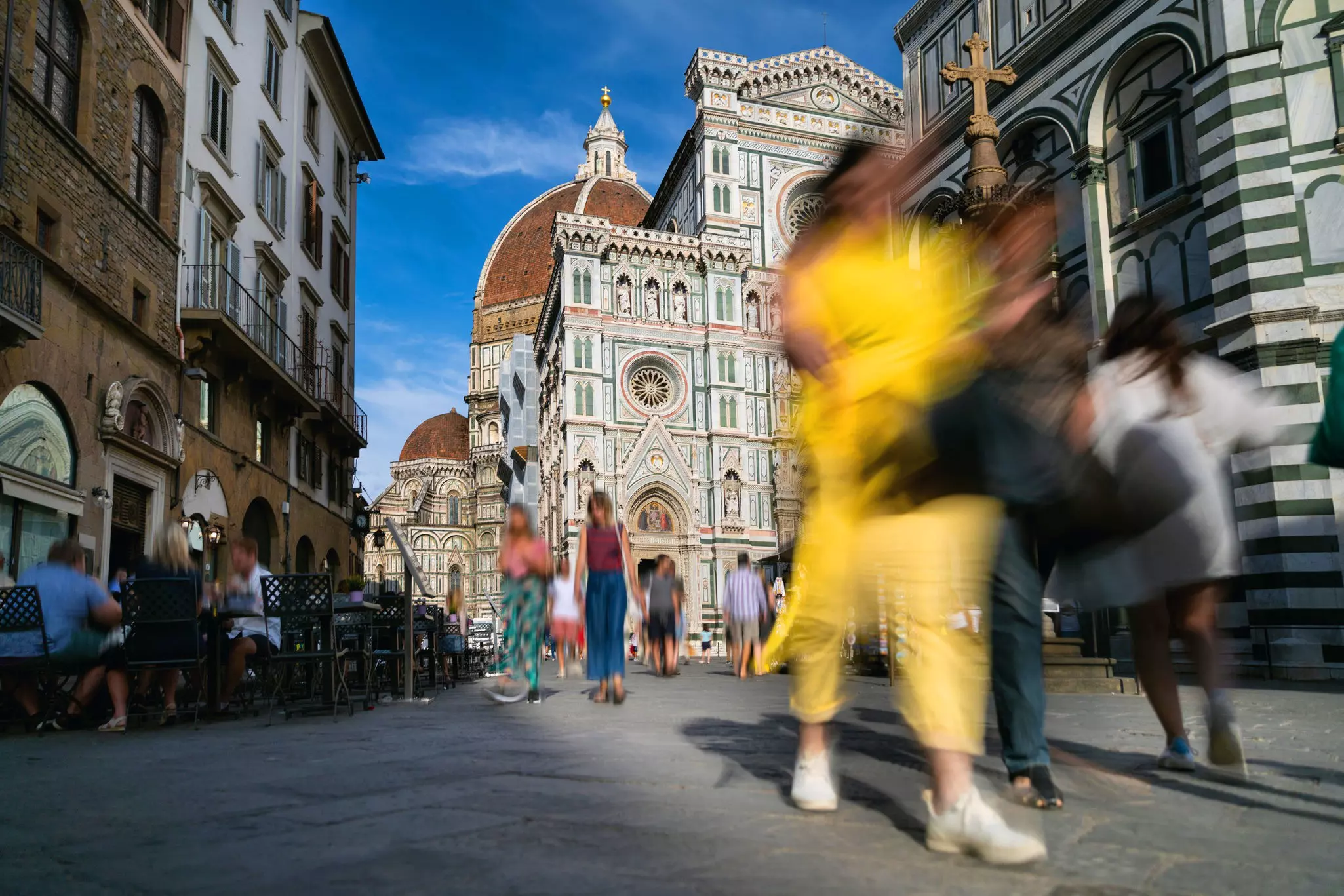
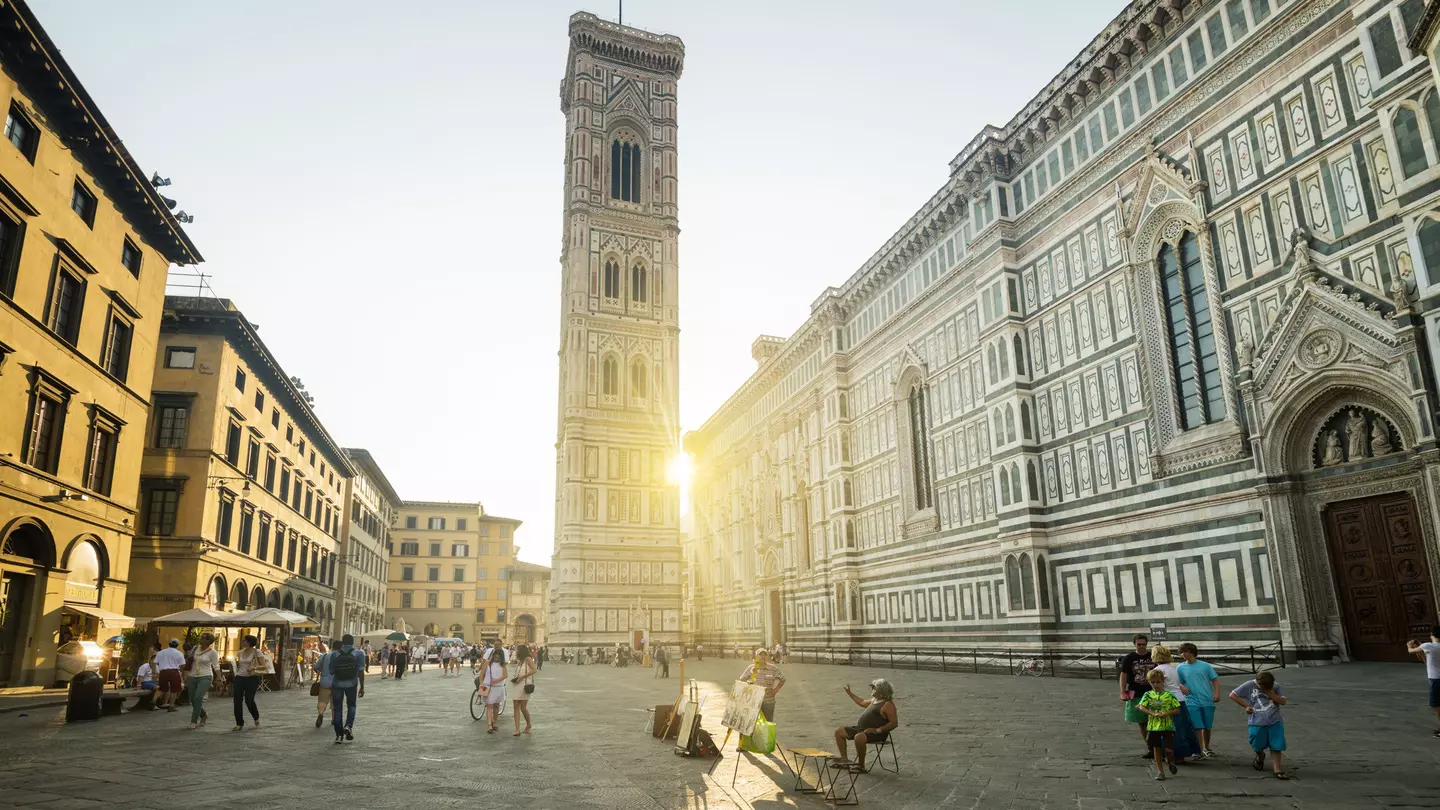
Pre-pandemic, plenty of people flocked to Florence and after an exhausting day touring the Uffizi, Accademia, Piazzale Michelangelo and scaling the Cupola, they would say they could never live here. Too crazy, crowded, busy and touristy. I used to nod and say, “Well, we do need a healthier balance between quick, hit-and-run tourism and life for locals.” But in the back of my mind I always thought that to love Italy is to enjoy simply being there without rushing or with a specific goal in mind.
Those group tours opting for seven cities in less than a week or couples more interested in capturing a Duomo selfie than peering at the way the light plays through the stained-glass windows merely scratch the surface. It might seem that the center of Florence is a chaotic place, but really it’s all about just searching a bit further, going to those less-famous monuments and museums, accepting things that you cannot change. It pays to learn how to adjust your expectations. Give it time and you’d see an entirely different Florence: the one that became my home and always will be in many different ways.
Now, here we are in Zug, Switzerland, where the whiz of fast cars and lazy afternoons at the lake has replaced the frenetic daily honking below my apartment and scooters jumbled together in the back streets of my former city. We are gingerly making baby steps into learning the German and Swiss German languages and memorizing the recycling chart (the Swiss are intense about recycling). Luckily here, there is a ton of support for those who come here to live and work through host programs and local meetups – heck, even our rental agency sent a thoughtful welcome box in multiple languages.
It is again a huge change culturally and socially but one made easier from out previous fumbles in Italy. We are less afraid for the mistakes that we will make because when you moved abroad those mistakes are simply part of the ride.
You might also like:
Legendary artists' houses you can visit around the world Making yourself at home: 10 of the best cities for expats Has your job gone remote? These countries are welcoming digital nomads
Advertisement