Advertisement
The 17 best things to do on the Amalfi Coast


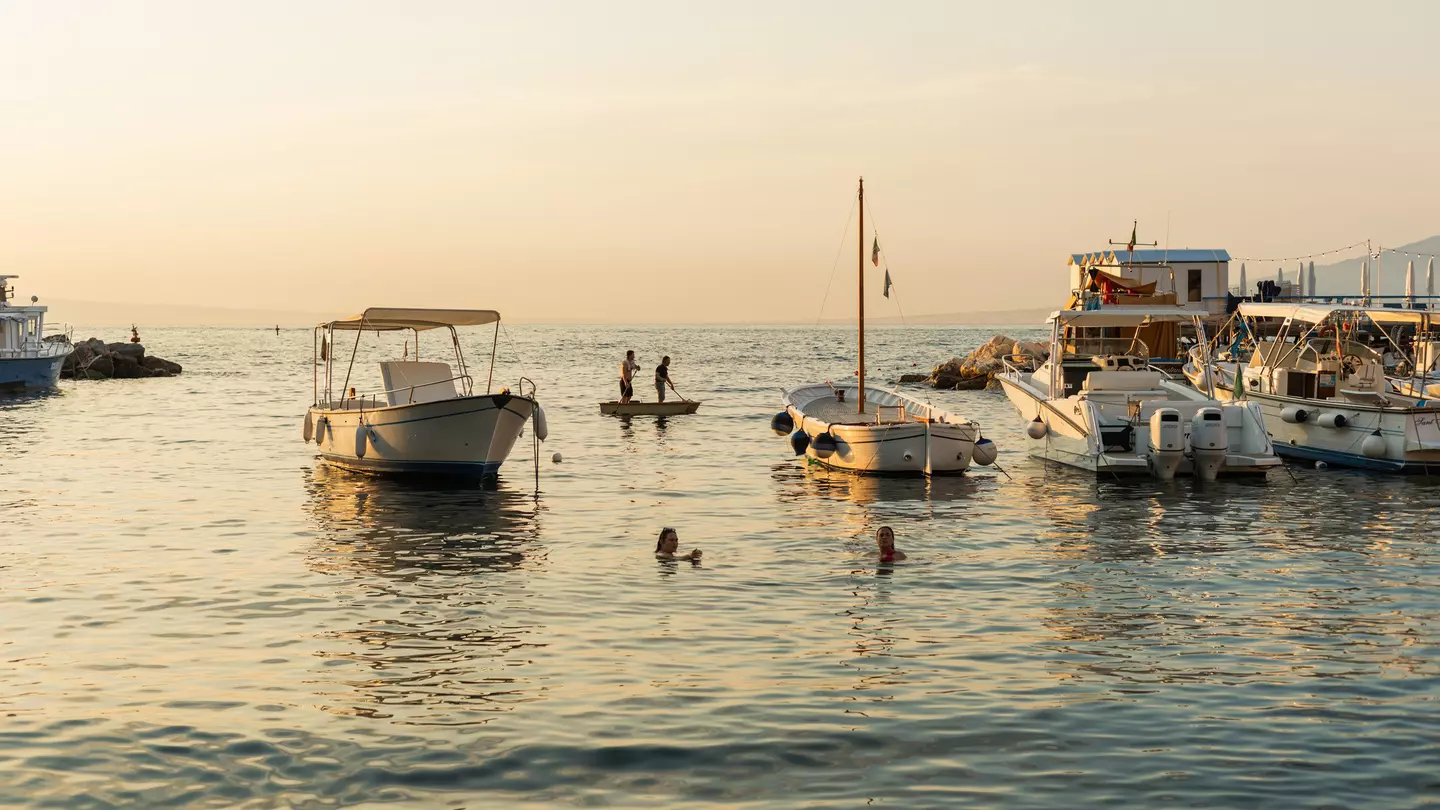
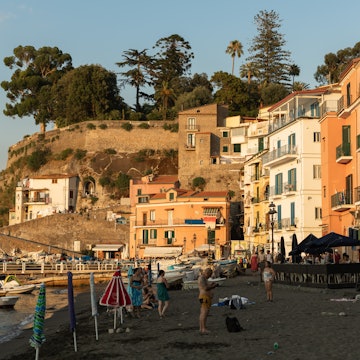
Swimmers at Marina Grande in Sorrento on the Amalfi Coast. Alexis Doyle for Lonely Planet
The Amalfi Coast has been the romantic star of many a classic Italian movie, and this rugged stretch of shoreline has worked its way from the silver screen into the hearts of travelers worldwide. And with good reason – the top things to do on the Amalfi Coast range from sipping espresso in postcard-perfect beach towns to hikes above dramatic landscapes.
However, this stellar reputation has resulted in an explosion of tourist numbers every summer, and the area is struggling to deal with the annual influx. It's important to visit ethically and thoughtfully – come outside the summer season, and stay in less-visited corners, and you'll be able to enjoy its thrilling coastal scenery without the traffic (both pedestrian and vehicular). Spring and fall show off the Amalfi Coast at its very best.
It's not hard to see why people are drawn to this UNESCO World Heritage-listed coastline south of Naples. Offering a classic taste of Italy, the Amalfi Coast is remarkable for more than just its crystalline sea and culinary delicacies; the area is full of rich history, art, craft, cultural traditions and natural beauty.
Enchanting towns are perched on the rocky slopes of the Monti Lattari mountain range, with others spilling down to the blue waters of the Tyrrhenian Sea. Destinations such as Sorrento and Positano are household names, while smaller towns with just as much to offer are frequented by those in the know.
For inspiration, here are the top things to do on the Amalfi Coast, starting from Sorrento and ending in the east at Salerno.
Getting around the Amalfi Coast
The famous road along the Amalfi Coast, Strada Statale 163, is stunningly scenic, but it gets choked with traffic during the busy summer season. It's easier to get around using the ferries operated by SNAV and Travelmar – regular services link the major towns of the Amalfi Coast in season, with stops at Positano, Praiano, Amalfi, Atrani, Minori, Maiori, Cetara, Vietri sul Mare and Salerno. Alternatively, take the Sita bus service from town to town.
1. Crash a wedding at Sorrento's Chiesa di San Francesco
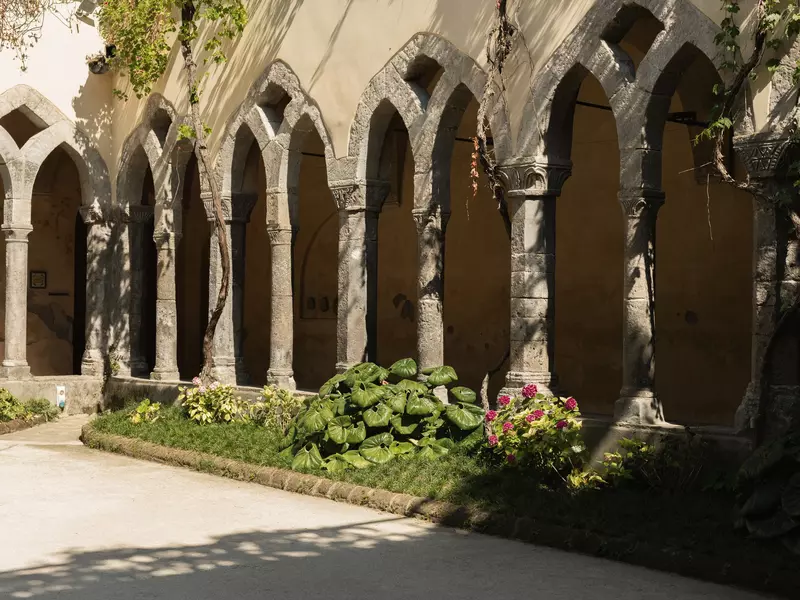
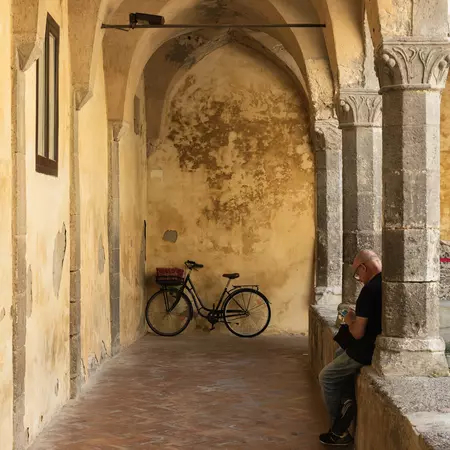
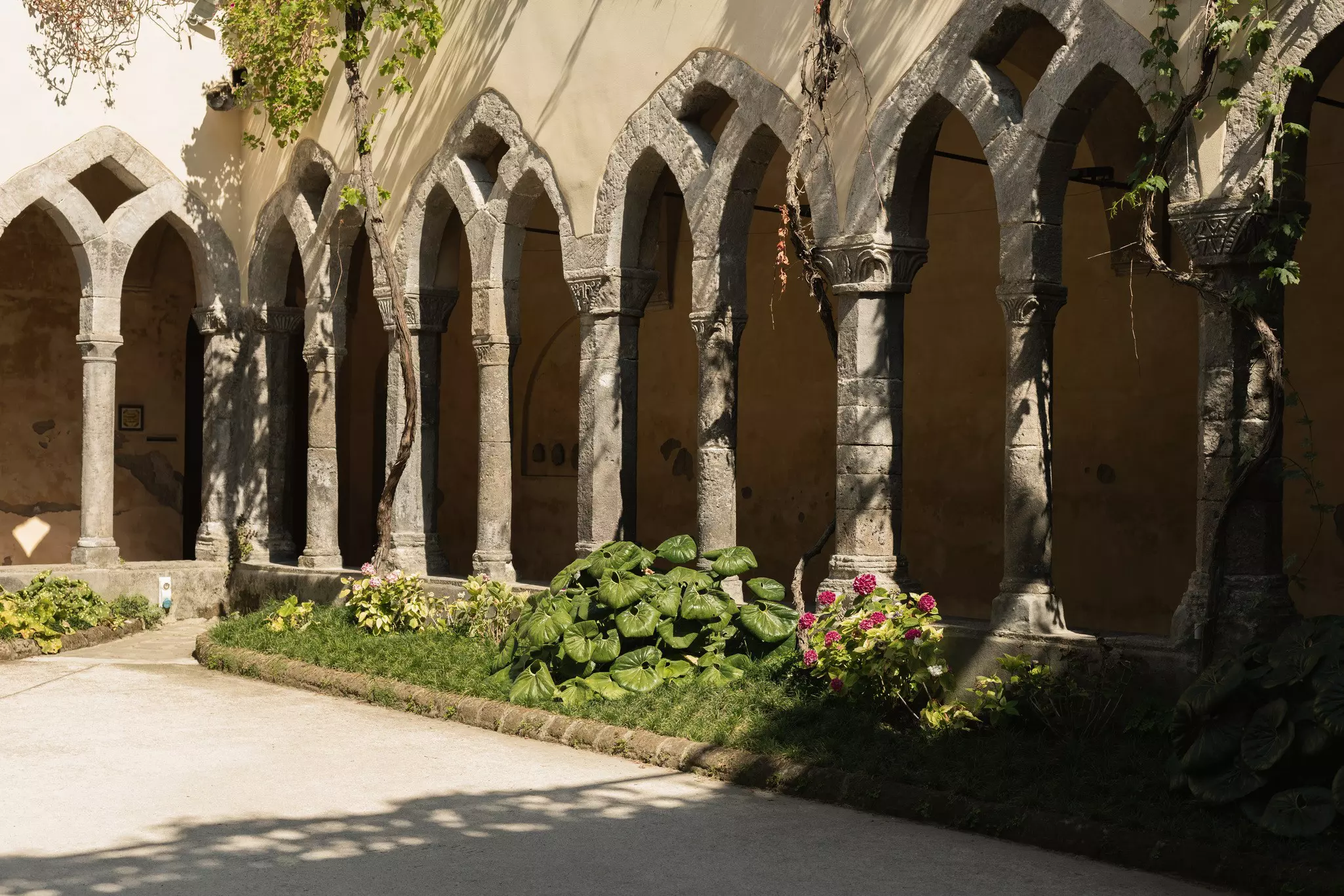
An average of 500 weddings are celebrated every year in Sorrento – a town of just 16,000 inhabitants. As you stroll through the pretty streets, you're likely to encounter at least one wedding ceremony in the Chiesa di San Francesco (Church of St Francis) and its photo-friendly medieval cloister.
Advertisement
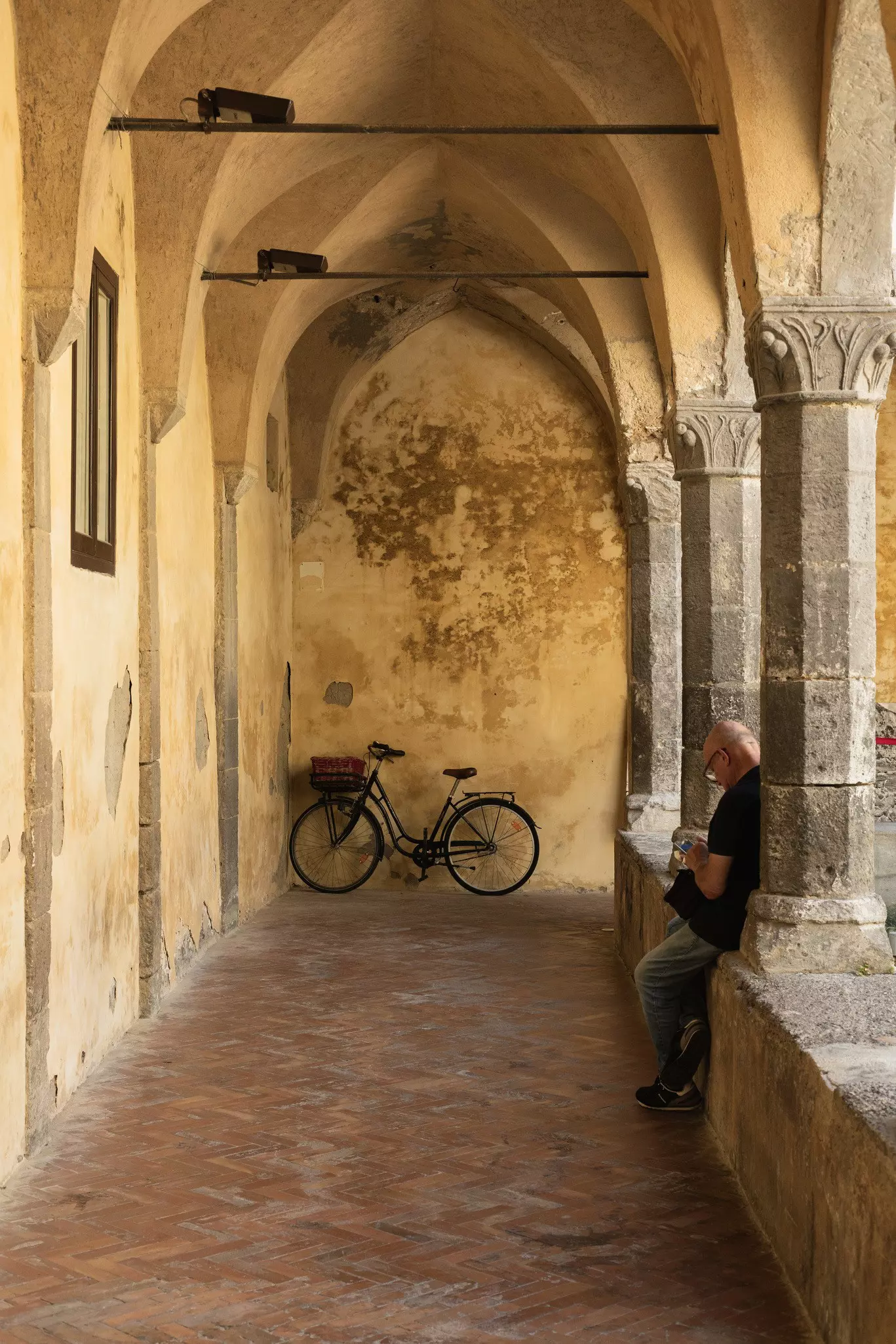
Built during the 13th century over the ruins of a 7th-century monastery, the Chiostro di San Francesco’s Gothic-inspired bare stone walls and double-arched windows incorporate elements from various eras. Upon closer inspection, you'll notice that every column has a different style of capital – a sign that the stone was recycled from a different building.
Many children from town sneak into the lavish destination weddings held there daily, intrigued by the extravagant hats and dresses of the globe-trotting wedding guests. Take it from a local – it's worth quietly entering the cloister or church during a wedding service to observe a ceremony being marked in such stunning surroundings.
Detour: As you leave, check out the enchanting Villa Comunale right by the cloister. Here, surrounded by vegetation and statues of notable Sorrentine personalities, you get the best view from Sorrento onto the Gulf of Naples, Mt Vesuvius and the surrounding islands.
2. Step back through history in Sorrento
Like most places in Campania, Sorrento, at the west end of the Sorrentine Peninsula, has ancient origins dating back to Roman times. This coastal town has been a tourist paradise since around 800 BCE, when wealthy nobles would travel from Rome to enjoy Sorrento’s seaside and its local produce, such as wine, olives and citrus fruit. Even the Emperor Augustus’ son had a villa here.
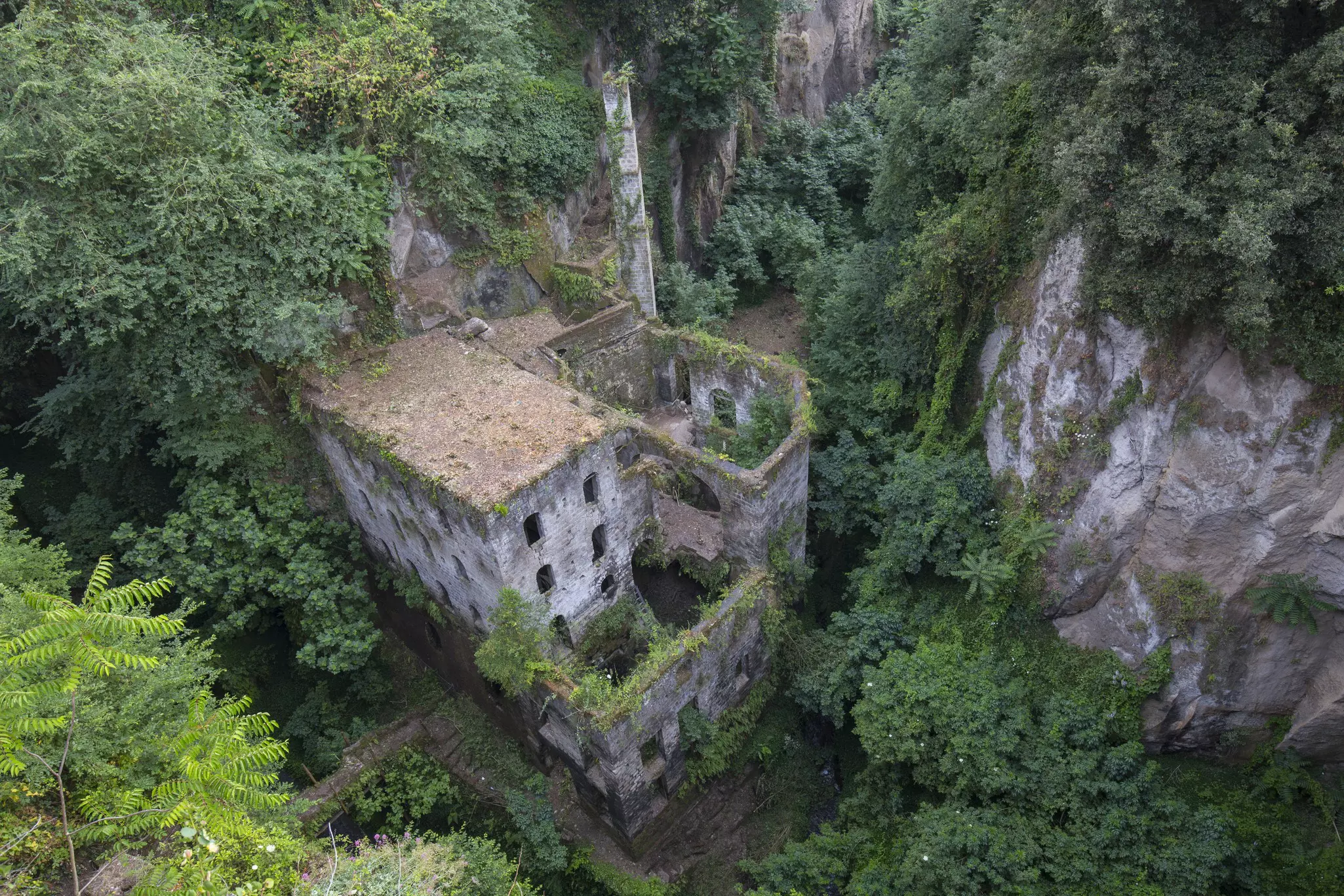
For a mini trip back in time, you can climb atop the ancient walls of Sorrento and pretend you’re scouting the horizon for medieval pirates (Pisans, Sicilians and Saracens all raided the coast at various points in history). Sorrento also has the ruins of an original wheat mill from the 13th century, situated in a natural valley that was formed 37,000 years ago.
The mill is privately owned, but looking down at the so-called Valley of the Mills from Via Fuorimura is still a memorable experience. This is perhaps the most haunting abandoned place on the coast, and it's worth the visit, even from 9m above.
Planning tip: Another interesting historical detour is the Basilica di Sant’Antonino, where the relics of Sorrento's patron saint are kept, alongside the bones of a whale said to have swallowed a child who was rescued by Sant’Antonino.
3. Eat a lemon delice in Sorrento
All food tastes better in Sorrento. Maybe it’s the water used to cultivate the crops, or perhaps it’s the salt in the air. Vegetables and fruits from the surrounding hills have unique shapes and tastes, like the region's famed pumpkins and zucchinis that look so incredible you almost don't want to cut them. Local seafood is, of course, a marvel of its own. But the real scene stealers are Sorrento’s lemons and their big brother, the citron (or cedro), which can be three or four times the size of a regular lemon.
Sorrento’s favorite dessert is delizia al limone (often known as "lemon delice") and, true to its name, it's a real treat for the senses. It has the tart smell of lemons with a delicate and creamy taste. Wash it down with homemade limoncello – an Amalfi spirit that is offered by most restaurants after a large meal. If you don’t drink alcohol or are lactose intolerant, try a lemon granita (water ice) or a sorbet instead.
Planning tip: For more local flavors, seek out spaghetti alla Nerano – a delicious pasta dish with zucchini, topped with Provolone del Monaco cheese – in Sorrento's restaurants.
4. Go kayaking to Bagni Regina Giovanna
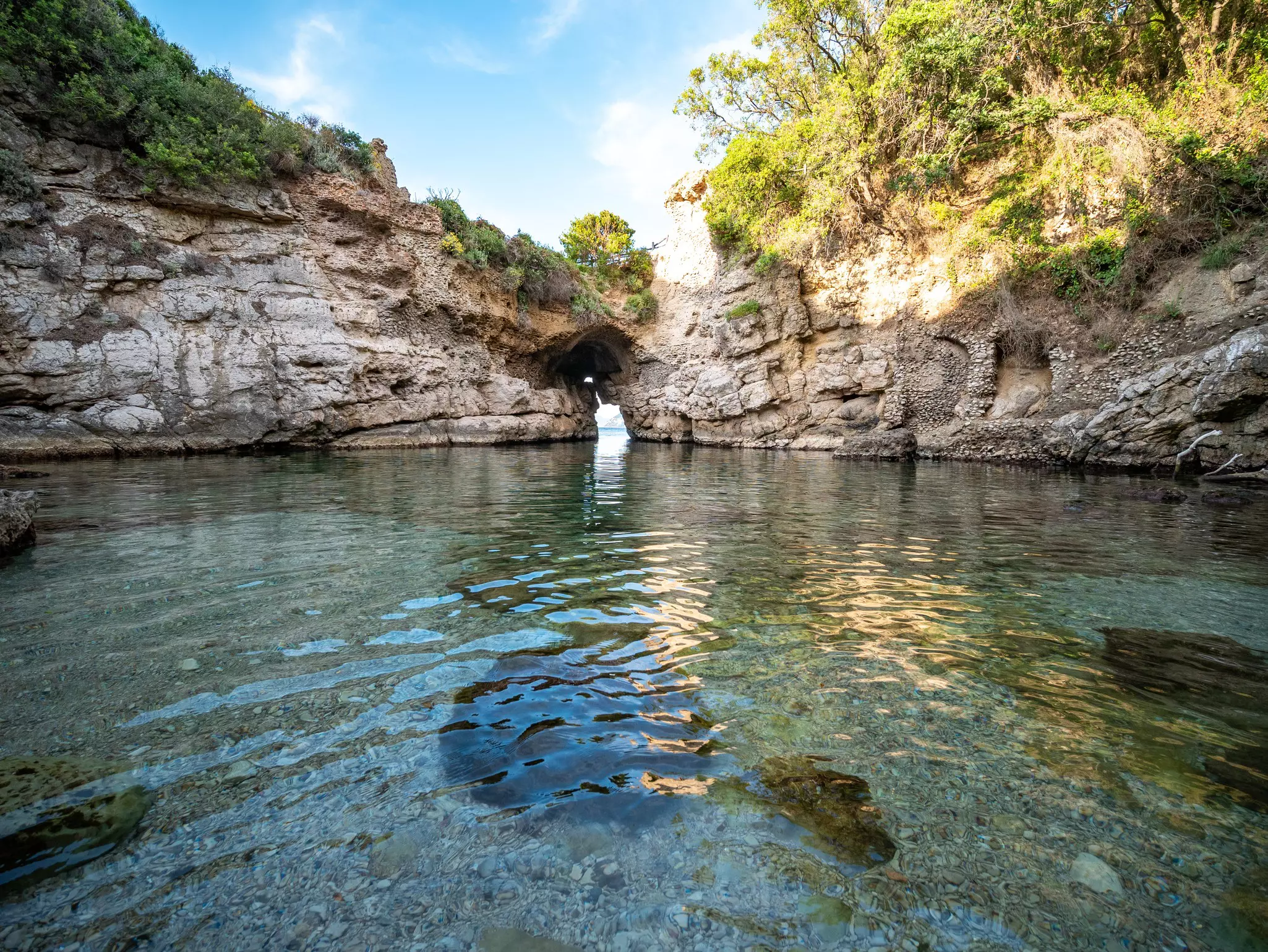
About 2.5km west of Sorrento, Bagni Regina Giovanna got its name because it was the favorite bathing spot of Giovanna II of Naples, one of the first queen regents of Europe, in the 14th century. This hidden inlet lies between a headland and a natural archway, and it's still a much-loved swimming destination for tourists and locals today, famed for its clear waters.
Set in a stunning landscape, the pool is part of a natural reserve and nearby are the ruins of a 1st-century CE Roman villa that belonged to Pollio Felice, Virgil’s mentor. There are no other human-made structures here – no sunbeds or umbrellas to rent, and no places to buy water or snacks. Bring your own towels and comfortable shoes to walk across the rocks.
To reach Bagni Regina Giovanna, the more tiring option is a half-hour hike down the hill from Sorrento. The easy way to reach this sparkling cove is by water; you can rent a kayak, canoe or pedal boat in Sorrento’s Marina Grande and enter the inlet from the sea, passing underneath the natural archway.
Planning tip: The best time to go is early in the morning. Avoid weekends when the Bagni Regina Giovanna becomes crowded with locals who close up shop to enjoy this magnificent place.
5. Look out over two gulfs from Sant’Agata
The village of Sant’Agata Sui Due Golfi was named for its elevated position overlooking the Gulf of Naples and the Gulf of Salerno. On a sunny day, you can hike (or drive) up the 300m hill known as Monte Sireniano ("Mount of the Sirens") in ancient times. This area is the only place in the Mediterranean known to host a temple dedicated to sirens.
Also, here is a monastery dedicated to Saint Paul and Saint Agatha; from the belvedere, you can enjoy a spectacular view of the islands of Capri and the smaller, privately-owned island of Li Galli, as well as the Bay of Naples and the Gulf of Salerno.
Planning tip: Arrive in the late afternoon, and you can watch the sun set between the strips of land, casting hues of blue, red, purple and orange across the water. The stars seem much closer and shine brighter when viewed from here, rather than from the city below.

6. Take a dip in the Baia di Ieranto
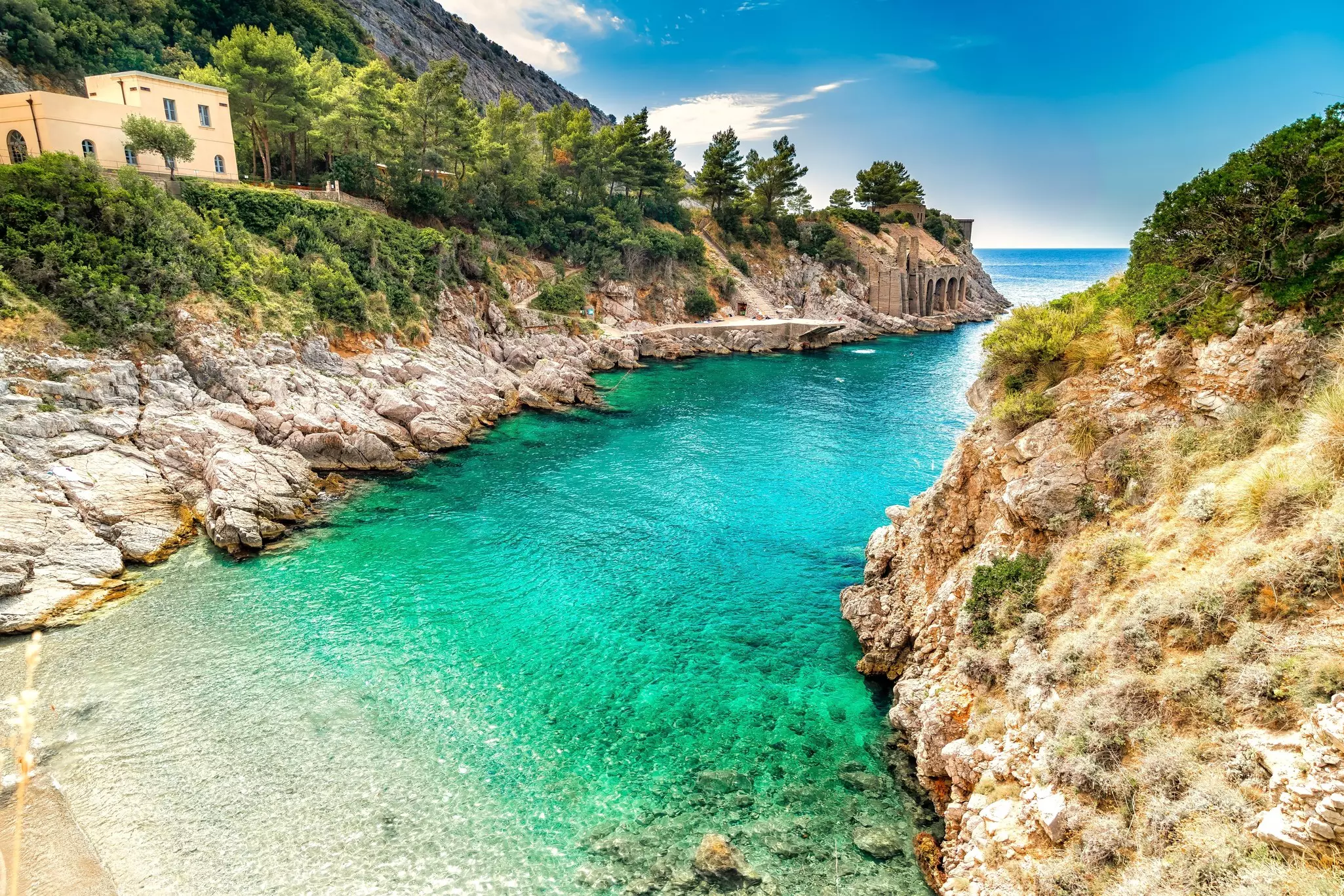
For extra seaside magic, take a rewardingly peaceful, hour-long hike to Baia di Ieranto, where the sea is incredibly blue, and the vegetation is protected and allowed to grow freely. Surrounded by olive trees and Mediterranean scrub, this small bay belongs to Fondo Ambiente Italiano (FAI), a foundation dedicated to safeguarding Italy’s artistic and natural heritage. The foundation organizes regular guided tours and cultural events.
Even in ancient times, Ieranto was known for its beauty. Pliny the Elder claimed it was here that Odysseus met the sirens on his way back to Ithaca. While there are no sirens or mermaids here today, the bay is filled with fish, unbothered by fishing boats. Far from the busy towns of the Sorrentine Peninsula, this is the cleanest and clearest section of the coast, and no engines of any kind are allowed in the vicinity.
Planning tip: To get here, you can take a bus or drive to the village of Nerano, which is part of Massa Lubrense near Sorrento. From there, you will need to proceed on foot along a rocky path for an hour. It’s a medium-level hike, so wear comfortable shoes and a backpack and bring a reusable water bottle. At the end of the path, you'll be greeted by an incredible view over Capri’s Isole Faraglioni – towering rock formations that rise up from the sea.
Advertisement
7. Ride the mountain chairlift in Capri
The most famous island in the Campanian Archipelago, Capri is a worthy add-on to a trip to the Amalfi Coast. Many visitors are content to focus on the harbor area, but if you have more than a couple of hours to spend in Capri, aim to explore more of the island.
You can hop on a public bus or take a private taxi, but the best way to get to Capri’s piazzetta (small square) is by taking the small, red funicular from the port near Marina Grande Beach. The ride uphill only lasts 4 minutes, but it offers a much more scenic route than the bus, passing above private houses, small farms and lemon trees.
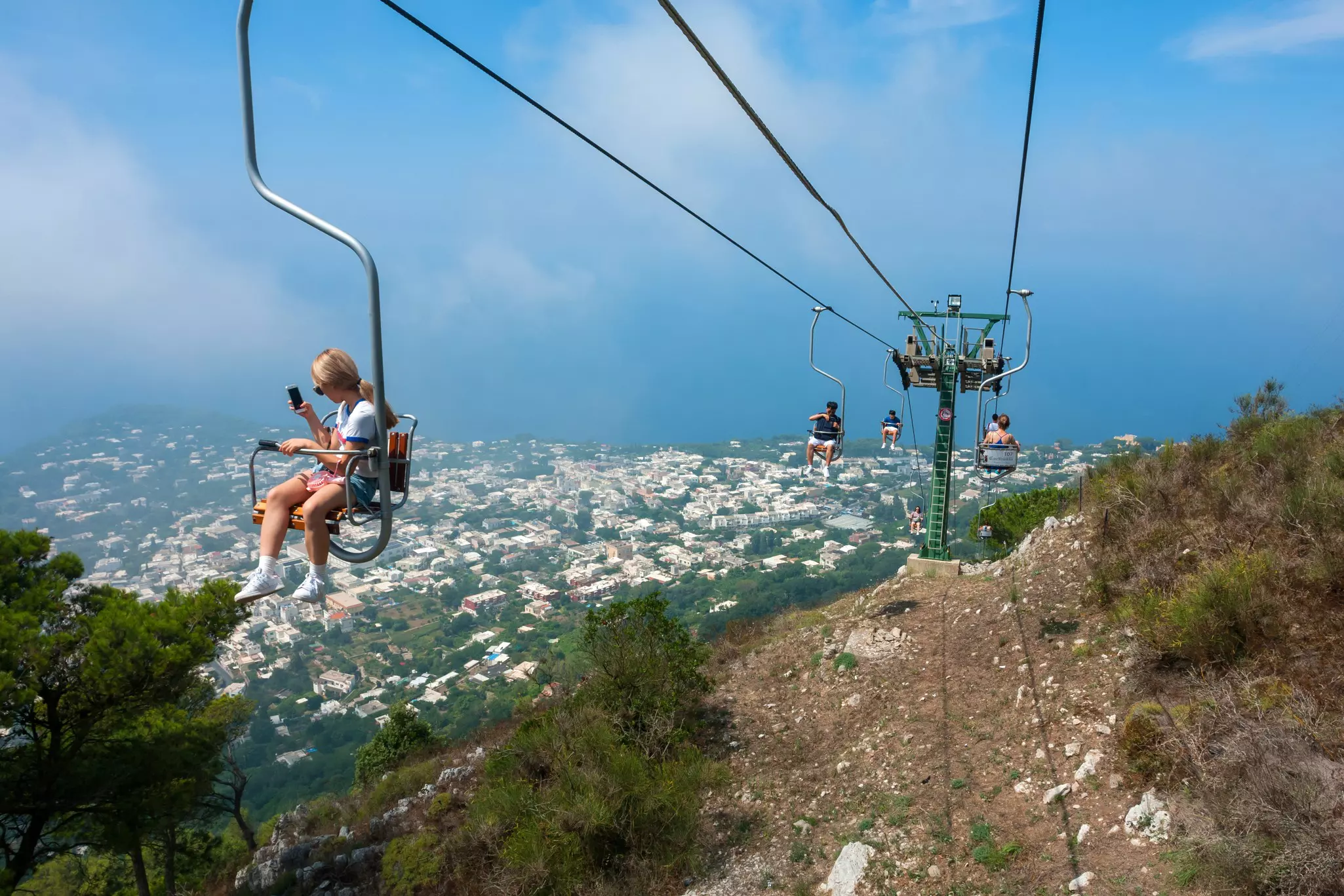
From Anacapri – the quieter but still beautiful town on the far side of the island – you can hop onto a chairlift to get to the top of 589m Monte Solaro. The journey lasts 12 minutes and is more soothing than you might anticipate. Even if you’re afraid of heights, the view is worth the trip; from the top, you can see the entirety of Capri and the coast, Sorrento included.
Planning tip: Check the operating times of the chairlift online when planning a trip, as it follows different hours at different times of year. Bear in mind that Capri is heavily touristed – explore early in the day or come outside the peak season for a calmer experience.
8. Sail into Capri's Blue Grotto
Another unmissable experience in Capri is taking a guided boat tour around the island. You will hear some fascinating tales, from legends plucked from Homer’s Odyssey to stories of the many celebrities who own incredible villas on the island. You'll also get to pass between the iconic Isole Faraglioni, Capri’s most famous landmark.
According to legend, these two rocks were tossed by the cyclops Polyphemus in pursuit of Odysseus, who had led his men to freedom by hiding among a herd of sheep. When sailing between the rocks, listen to the captain sounding the boat’s horn and kiss a loved one – legend says it will bring luck and love to you both.
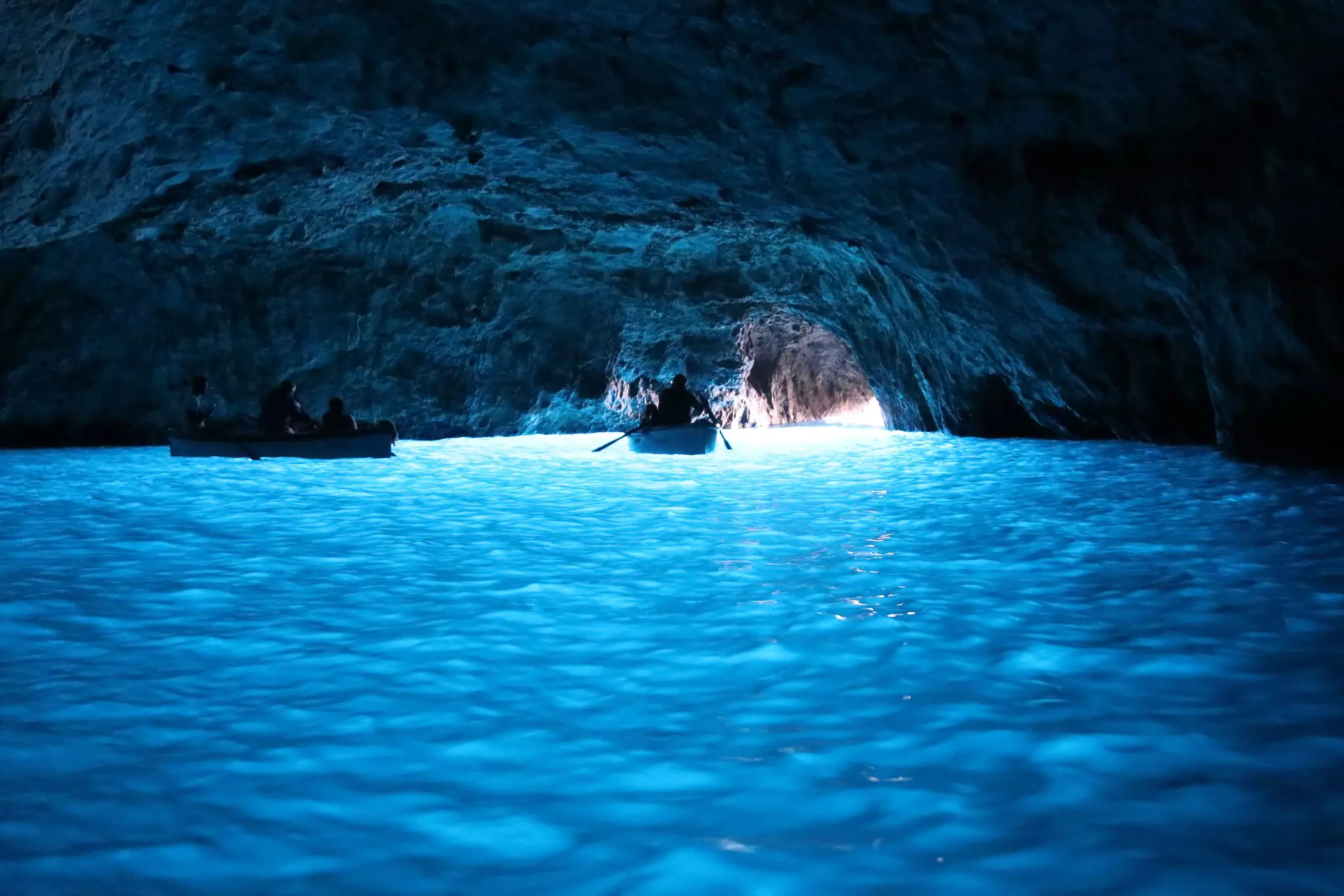
Arguably, the most beautiful place in Capri is the Grotta Azzura (Blue Grotto). People often think pictures of this cavern-set pool are edited because the seawater looks so impossibly blue, but they're wrong. Sunlight passing through an underwater cavity creates this enchanting effect by illuminating the brilliant blue water.
Once you reach the outside of the Grotta Azzurra, you'll need to hop onto a smaller boat with oars, as motorboats are not allowed inside the cave. Within the grotto, swimming or diving is forbidden, but just admiring the colors is a magical experience.
Two thousand years ago, this grotto was the Emperor Tiberius’ personal swimming pool, also serving as an underwater temple. The statues that were once at the entrance of the grotto are now displayed at the Casa Rossa museum in Anacapri.
Planning tip: Note that the grotto can sometimes be closed due to poor weather conditions, so always check with boat operators at Marina Grande before purchasing a ticket. The best time to visit is when the water is at its brightest, between noon and 2pm.
9. Take the Path of the Gods to Positano
On the other side of the peninsula sits the charming village of Positano in the province of Salerno. You’ve probably already seen colorful photos of its lively alleys, cafés and umbrella-filled beaches. You can get to Positano by ferry (the easiest way), or by car or bus (expect terrible traffic), but by far the most rewarding option is to come on foot.
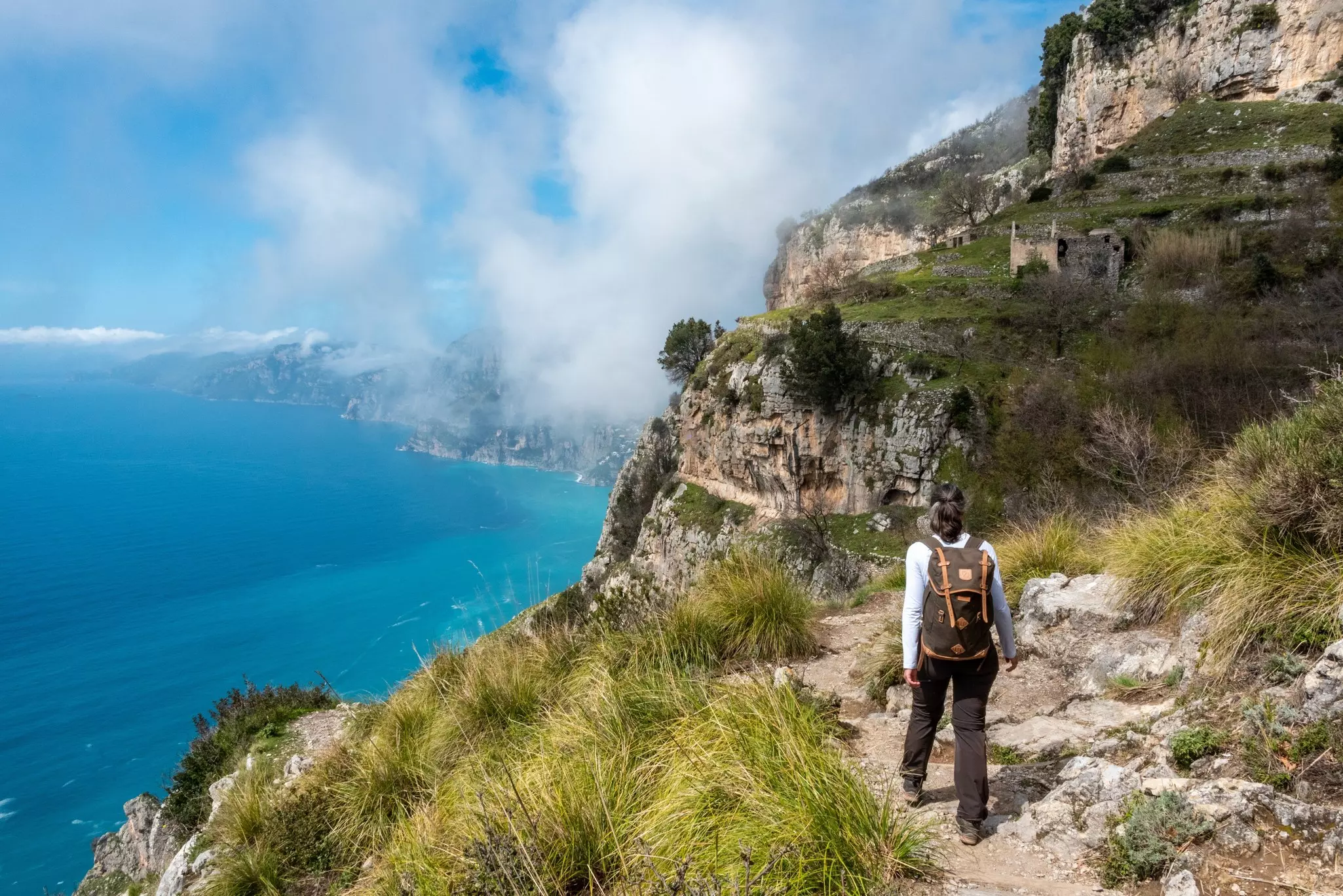
If you’re up for the trek, take the path known as the Sentiero degli Dei (Path of the Gods). The starting point for this moderately challenging, 3-hour hike is the village of Bomerano, which is famous for fior di latte, a type of mozzarella that you can buy locally to snack on along the way. You'll also get to enjoy the coast in relative peace before reaching busy Positano (another place that is best enjoyed outside of the peak season).
The trek serves up breathtaking views of the landscape with the backdrop of the glistening sea. At the hike’s summit, right above Positano, is Montepertuso – a literal hole in the mountain that the legends say was created by the Virgin Mary herself. Afterward, explore the lovely alleys of Positano and treat yourself to a delicious meal with a sea view.
Planning tip: If you brave the climb to Montepertuso, pose for a picture inside the hole. If you time your trek correctly, you can capture the moment when the sun sets on the horizon with the hole as a natural frame.
10. Dive into the deep Fiordo di Furore
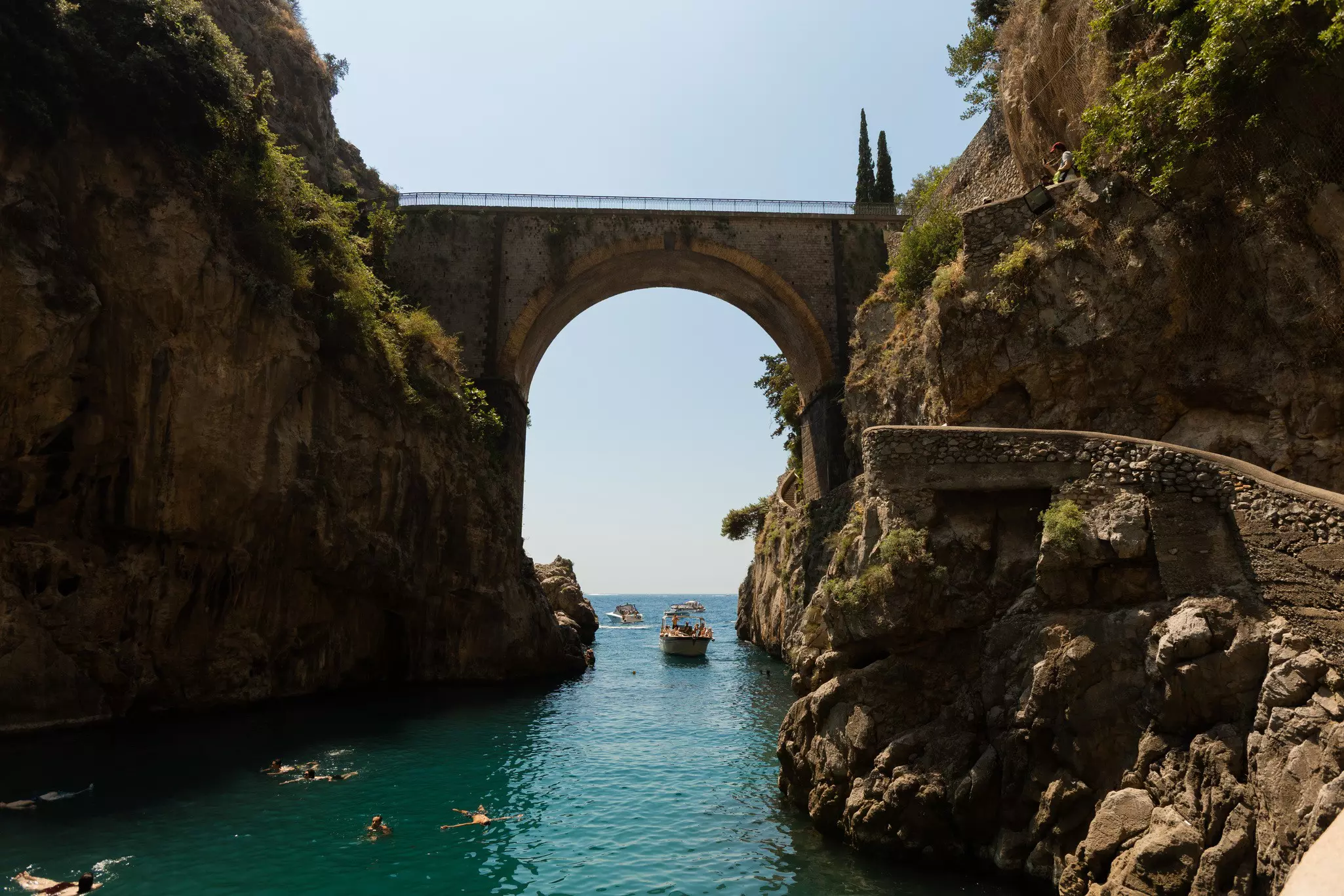
Between Praiano and Amalfi, the scenic Fiordo di Furore is located by one of the smallest beaches of the Amalfi Coast – only 25m wide. Framed by olive vines and lemon trees, this narrow gorge is a perfect place to unplug and reflect on the experiences you've had so far on your trip.
In fact, the name is misleading; rather than being carved by a glacier, Fiordo di Furore is a gorge that was created by a fast-flowing stream. It's still an extremely scenic spot, and a popular place for cliff divers, who plunge from the 28m-high bridge into the deep water. However, the beach can get very crowded during the high season, so it's best to go in the early morning.
Planning tip: You can reach the fjord by car, though finding a parking spot can be difficult. It’s best to take the Sita bus – disembark by the bridge over the fjord, then take the staircase down to the beach.
11. See an underwater Nativity scene at the Grotta dello Smeraldo
Regardless of whether you make it to the Blue Grotto in Capri, you should visit the splendid Grotta dello Smeraldo in Conca dei Marini, an enchanting village between Praiano and Amalfi. The inside of this mystical cave is the closest thing you’ll ever find to stepping into Oz; its flooded interior glints like tiny emeralds shining brightly, while the walls are covered in dramatic stalactites and stalagmites.
Like a typical Italian presepe (Nativity scene), statues of the Virgin Mary, St Joseph, baby Jesus, an ox and a donkey sit at the bottom of the pool. At Christmas, local scuba divers organize an underwater procession to celebrate Jesus’ birth and pay homage to the Holy Family. For the rest of the year, tourists are forbidden to bathe inside the grotto or touch its walls to protect the grotto’s delicate ecosystem.
Planning tip: You can get to the Grotta dello Smeraldo by car or bus and take a lift down to the boat platform, or you can travel here by sea. Either way, you will arrive at the grotto by rowboat and be able to peer down at the Nativity scene that’s been sitting at the bottom of the cave since 1964. Keep in mind that the cost of your boat journey won't include a ticket to the grotto itself; you'll need to purchase that separately before boarding a rowboat.
12. Explore the Cattedrale di Sant’Andrea in Amalfi
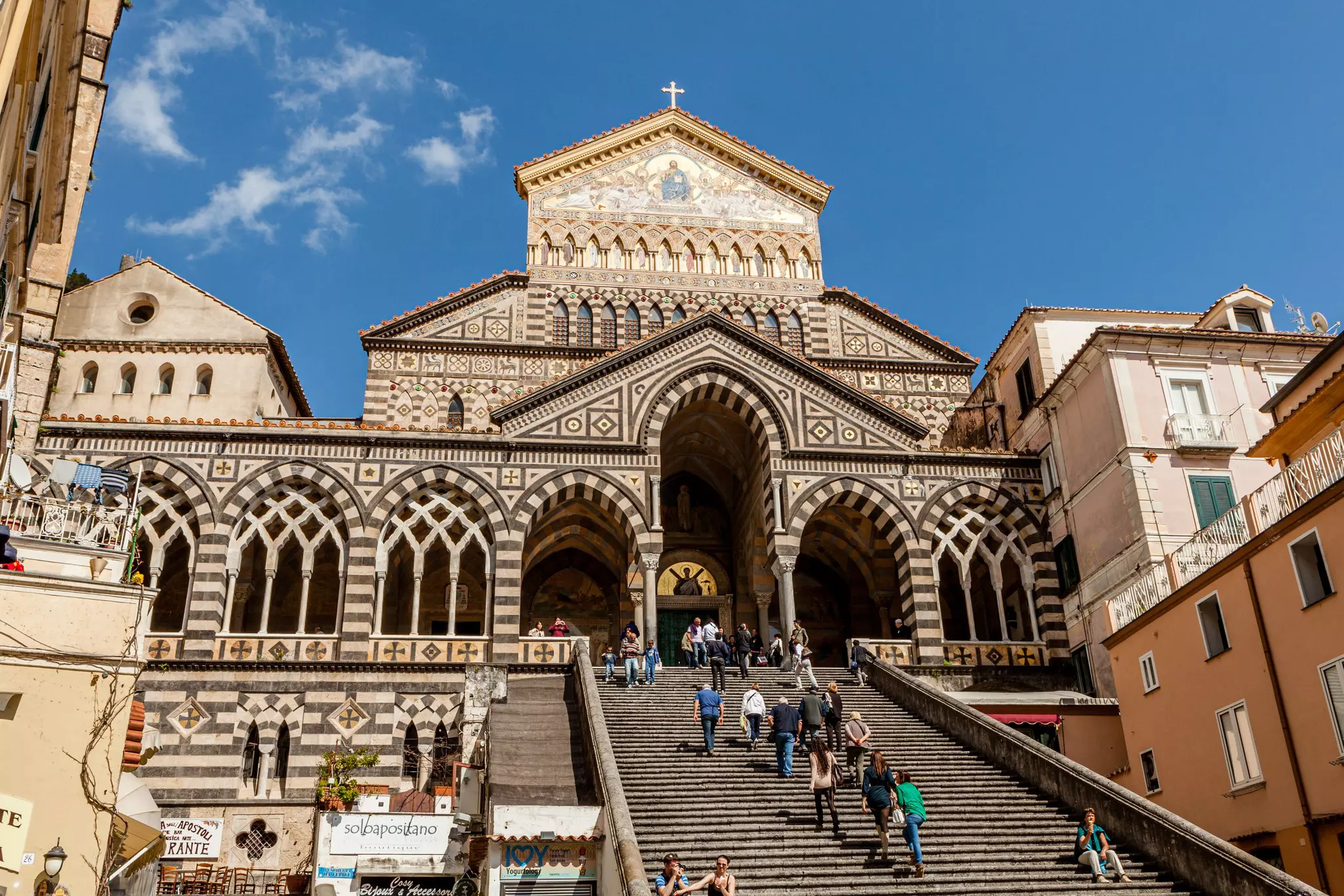
Amalfi's most famous landmark, the Cattedrale di Sant'Andrea, undoubtedly deserves all the hype it gets. The original structure dates back to the 6th century BCE, but it was annexed to a newer building in the 13th century to house the relics of St Andrew that arrived from Constantinople (now Istanbul) in 1208 after the Fourth Crusade.
Don’t limit yourself to snapping the almost mandatory photo of the duomo (cathedral) from its majestic steps. The view is just as impressive in the other direction, looking down over the square and the fountain of St Andrew.
Entry to the cathedral is free, but head to your left and purchase a ticket to access the rest of the complex – you won’t regret it. After the ticket booth, you’ll find yourself in the Chiostro del Paradiso (Paradise Cloister), a small square garden surrounded by a stone colonnade offering a unique view of the cathedral’s majolica-tiled bell tower.
Proceed to the Basilica del Crocefisso, the original 6th-century cathedral, and to the museum. The best part of the experience is down a set of stairs in the crypt. According to locals, this is the real heart of Amalfi, where the relics of St Andrew are kept. Lastly, head back upstairs and enter the actual cathedral; rich in gold and polychrome marble, it’s a fine example of Baroque art.
Planning tip: Take your time soaking in the details of the cathedral – look up at the fine paneled ceiling, and don’t forget to walk by all the side chapels.
13. Make your own paper in Amalfi
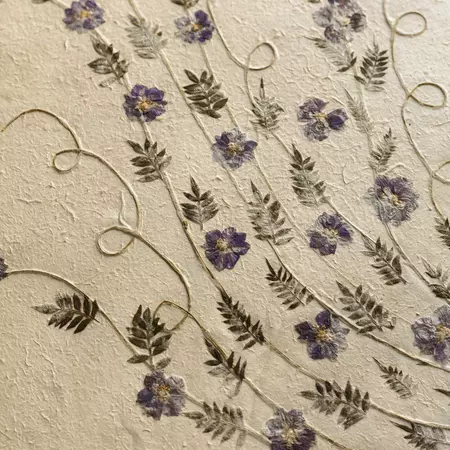
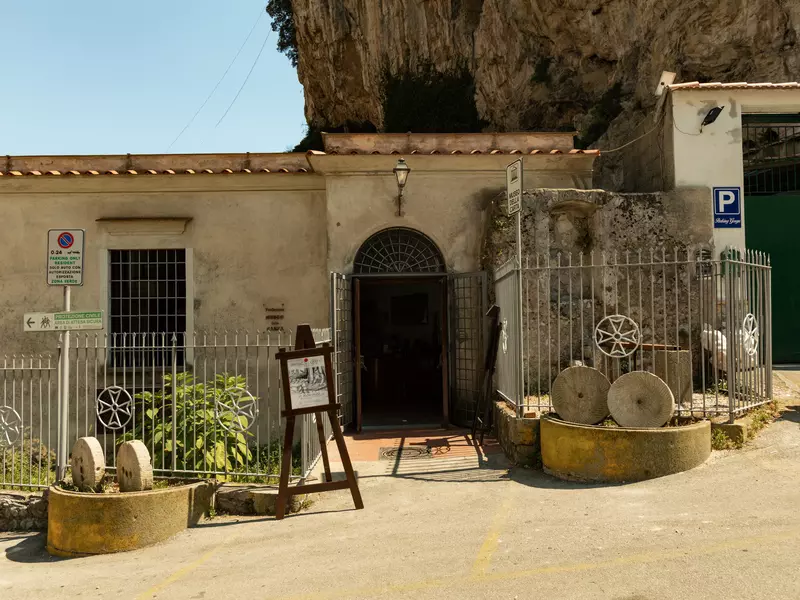
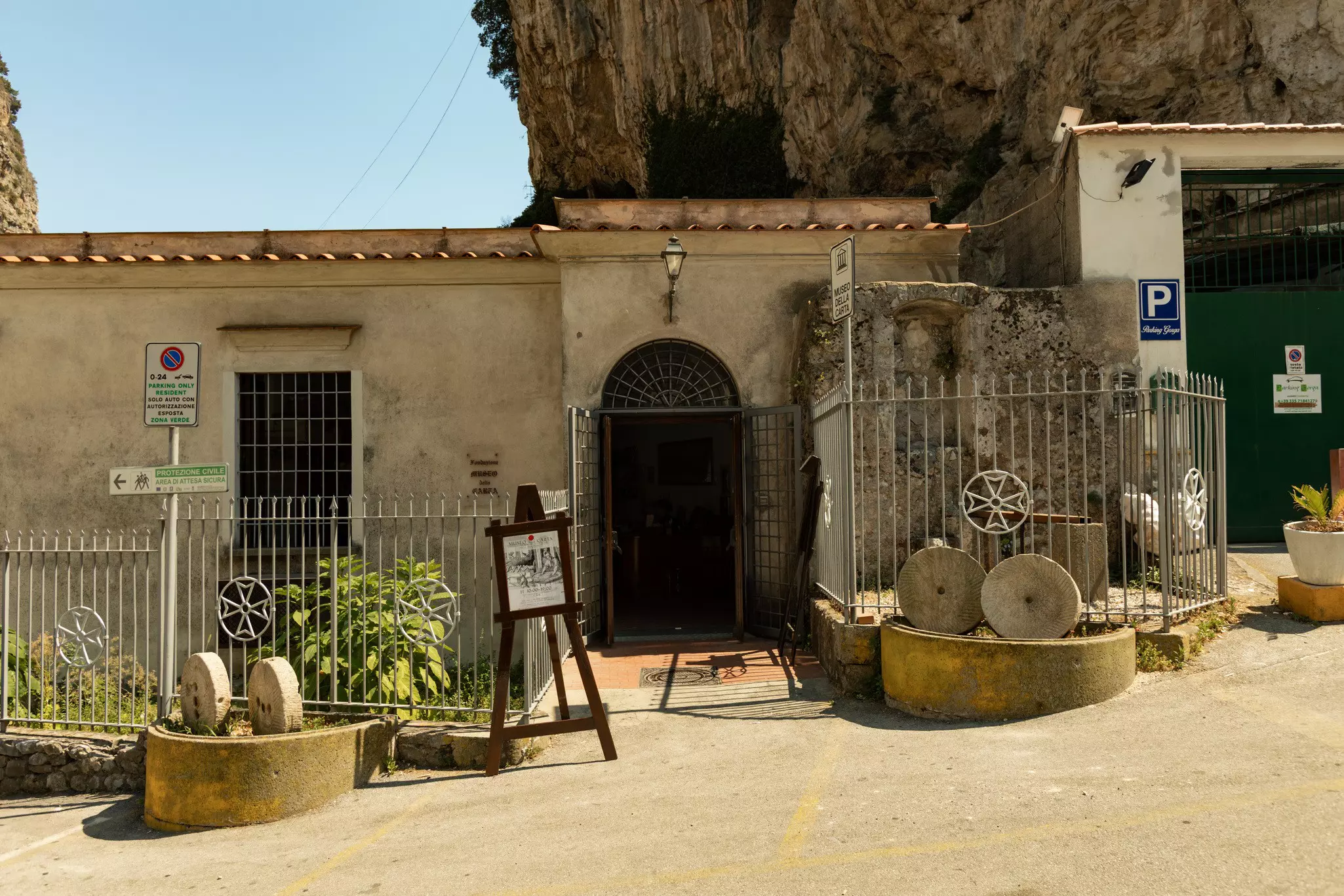
At Museo della Carta, housed in a historic former paper mill, you can learn how paper was made nearly a millennium ago and try your hand at making some as well. Amalfi is the oldest of the Maritime Republics – a group of mighty seaports that dominated Mediterranean trade during the medieval period. Paper was invented in China, but Amalfi’s trading network was so vast that its ships brought the art of paper-making back to Europe.
At the museum, you can see the original machinery, witness the paper-making process, and have a go at making paper yourself (the museum recycles all waste and unused materials). There are guided tours and workshops every day, and prices vary depending on the experience you choose.
Planning tip: Afterward, drop into the Bar della Valle just south of the museum for coffee and pastries, a spritz, or a more substantial meal.
14. Enjoy the quiet of Italy’s smallest town, Atrani
Leave your car in Amalfi and visit an enchanting place that flies under the radar of most tourists – tiny Atrani. The smallest municipality in Italy covers just 0.2 sq km, and it's an easy detour on the Sita bus from Amalfi. Once upon a time, Atrani was a considerable power and a significant ally to the Republic of Amalfi; you can still see traces of the city's medieval prosperity in its architecture.
It’s impossible to get lost as you explore the town’s alleys and characteristic scalinatelle (stairways), so travel without a map and let Atrani surprise you. You’ll stumble upon churches that have stood here for almost a thousand years, like the beautiful Chiesa di San Salvatore de' Birecto and Collegiata di Santa Maria Maddalena Penitente. You may recognize parts of the town from the Netflix series Ripley, based on the Patricia Highsmith novel, which was filmed here in 2021.
After spending a day in Amalfi, Atrani is the perfect place to escape the chaos while still enjoying the natural beauty of the coast. Sit at a café or restaurant in the main square and order a lemon granita or some seafood while looking out at the blue horizon.
Planning tip: If you’re traveling with children, Atrani’s beach is a lovely alternative to Amalfi’s crowded seaside; it may only be 130m long, but it’s a perfect sandy escape for families.
15. Get lost in the beautiful villas and parks of Ravello
Ravello is one of the few towns on the Amalfi Coast that doesn’t directly touch the sea. Built on the hill above the seaside towns of Amalfi, Minori and Maiori, Ravello dominates the bay, and there are breathtaking sea views from this elevated position. Many famous writers, celebrities and public figures have sought refuge and solace here or found inspiration for their masterpieces, including Virginia Woolf and Greta Garbo, who eloped here with her lover, Leopold Stokowski.
Ravello is dubbed the "City of Music," and it hosts an annual international music festival in the charming Villa Rufolo, famed for its sea-facing gardens. When you visit, pay special attention to the Garden of Klingsor; it inspired composer Richard Wagner to write Parsifal following a trip there in 1880.
If you want to feel like you can simultaneously touch the sea and the sky with your fingertips, visit the splendid Villa Cimbrone, 10 minutes and a maze of alleys away from the main square. Explore the gardens and linger on the aptly named Infinity Belvedere, probably the most beautiful terrace on the whole coast, adorned with marble busts. Don’t miss Villa Cimbrone’s semi-hidden inscriptions, temples, cloister and crypt.
Planning tip: Ravello is easy to explore on foot; cars are not allowed in the center, but you can drive as far as the hill just outside Piazza Duomo. From here, you can walk to reach the various villas and gardens – the vistas will leave you speechless.

16. Walk the Lemon Way from Maiori to Minori
The easy, one-hour walking path known as the Sentiero dei Limoni ("Lemon Way") offers the chance to walk through miles of lemon orchards near the town of Minori and take in their heavenly scent. There are panoramic views on the walk between Maiori and Minori, once the only road connecting the two towns, weaving between groves of sfusato lemon trees.
You can start in Maiori and walk back towards Minori for 2.5km, passing picturesque steps, slopes dotted with lemon trees and the occasional farmhouse. The hike is especially beautiful in spring and summer, when you can watch the farmers picking hundreds of lemons, and imagine what the scene was like in ancient times when local women carried the harvest on their backs down to the bay to be shipped across Europe.
Planning tip: The trail is well marked, but the pavement can become slippery, so wear comfortable shoes and don't go when it’s raining. In summer, the path doesn’t provide much shade; it’s best to walk early in the morning or late in the afternoon.
17. Shop for artistic ceramics in Vietri
Vietri sul Mare is the last town on the Amalfi Coast, and for centuries, the local economy has been based on the production of pottery. An ancient craft tradition, ceramica vietrese is marked out by geometric patterns and natural designs adorned with bright colors – usually blue, yellow and red. You’ll see local ceramics just about everywhere in Vietri.
The inhabitants of Vietri have been ceramic experts since at least the 5th century, when they sold their pottery to the Etruscans, but it was in the medieval period, from around 1200 CE, that ceramica vietrese (Vietrese ceramics) became a valuable and popular commodity exported throughout the Mediterranean. If you’ve been to Sicily, you might notice they have similar pottery traditions to Vietri.
For a unique view of Salerno and the Amalfi Coast, visit Vietri’s colorful Villa Comunale and explore the historic center. The town is a work of art, decorated with ceramic and majolica designs on its walls, steps and railings.
Planning tip: Ask a local artist to explain why the town has so many asinelli or ciucciarielli – tiny statues of donkeys that are sold in every store. Most potters have been in the ceramics trade for generations, and they will proudly answer all your questions.
Advertisement