Advertisement
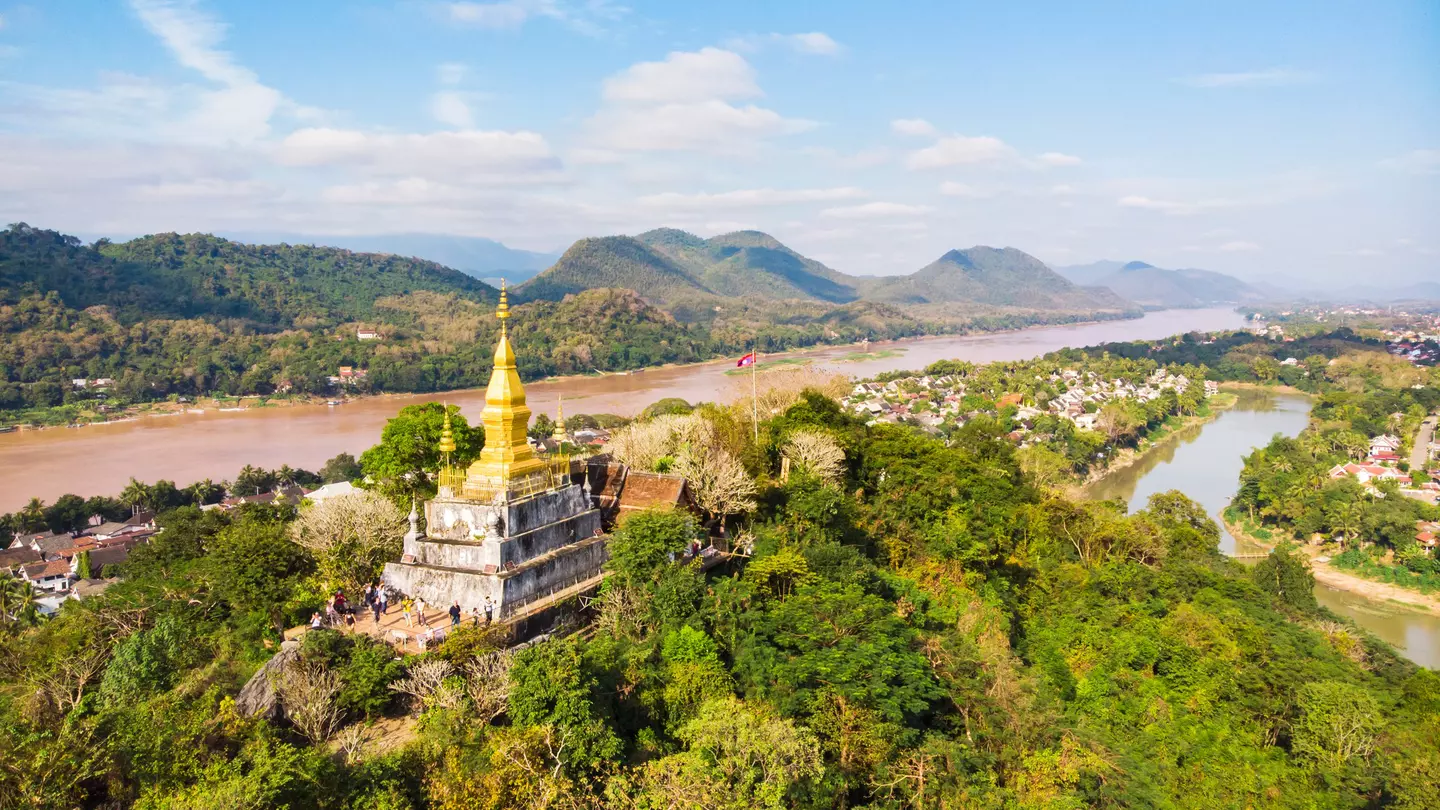
View of town and surrounding countryside. golden pagoda of Wat Chom Si on the top of Mount Phou Si.
The story of an isolated town on the Mekong forgotten by time has captivated travelers since Laos opened to international tourists in 1989. Word slowly spread about Luang Prabang and its pretty blend of French-colonial and traditional Lao architecture, golden temples, jungle waterfalls, mountains and elephants, all blanketed in a somnambulant atmosphere.
A place this special is impossible to keep under wraps, or unchanged. As Luang Prabang develops and strains with a new high-speed train bringing in Chinese visitors on package tours, it's more important than ever to seek out sustainable, intimate experiences that connect you to, and help preserve, Laos’ history, culture, ethnic diversity and biodiversity. Here are the best experiences to inspire a more conscientious itinerary.
Advertisement
1. Go on a gastronomic adventure
Once under-the-radar, Lao cuisine is gaining global recognition, with both Anthony Bourdain and Gordon Ramsay having championed it. Cooking classes and guided tours through Phosi Market are excellent ways to learn about the unique ingredients, flavors and national dishes, such as spicy green papaya salad and a herbaceous minced meat salad known as laap. It’s also easy to venture out on your own to slurp up specialty noodle soups like khao piak and khao soi.
Eat your meal the Lao way, which means family-style, using balls of sticky rice to pick up morsels of meat, fish, vegetables or spicy dips, or using lettuce leaves to make wraps. Try a Lao-style barbecue/hot pot feast called sindad, with rounds of Beerlao or rice whiskey lòw-lów as the locals would. The French left their legacy, and you’d be remiss to not indulge in a fresh croissant, baguette or crepe with your coffee. Laos grows excellent coffee beans, brought by French colonialists who introduced the crop and cafe culture.
Planning tip: Leave space for dessert of kanom kok, mini round cakes made from rice flour and coconut milk; find vendors griddling them at the entrance to the night market. Leave space in your suitcase for bags of Lao-grown coffee from Saffron or Joma.

2. Cool off at Kuang Si Waterfall
A picnic and a swim in the refreshing turquoise waters of Kuang Si are the perfect remedy to hot Luang Prabang days. Don’t miss the bear sanctuary, one of two Free the Bears rescue centers in Laos. As one of Luang Prabang’s star attractions, Kuang Si does get crowded. Arriving early and entering the park when it first opens buys you some quiet time before the tour buses arrive, as does going 2 hours before close, when visitor numbers start to thin.
Detour: Outside the park entrance, it’s a 5-minute walk to Carpe Diem, a restaurant next to its own set of small waterfalls; go in the morning and you may have it all to yourself. On the way back to town, stop at the innovative Laos Buffalo Dairy for a farm tour or to enjoy cheese and ice cream made from water buffalo milk.
3. Get hands-on at Living Land Farm
A Lao meal wouldn’t be complete without a basket of steamed sticky rice. You’ll come to appreciate every single grain of it after a morning at Living Land Farm. Prepare for a mucky, sweaty and enlightening experience trying the 14 steps it takes to go from seed to table, including working the fields with a water buffalo.
Detour: Living Land Farm is on the road to Kuang Si Waterfall, so it’s possible to combine both in one day.
4. See the bears at Luang Prabang Wildlife Sanctuary
Get behind-the-scenes access on the Bear Care Tour at Luang Prabang Wildlife Sanctuary and assist keepers in preparing food and enrichment for more than 150 rescued bears. The sanctuary, the newest by conservation organization Free the Bears, is also a haven for rescued leopard cats, monkeys and red pandas. Spend a day out in beautiful countryside while learning about how deforestation and the illegal wildlife trade threaten moon bears, sun bears and other native species.
Advertisement
5. Take a boat trip on the Mekong
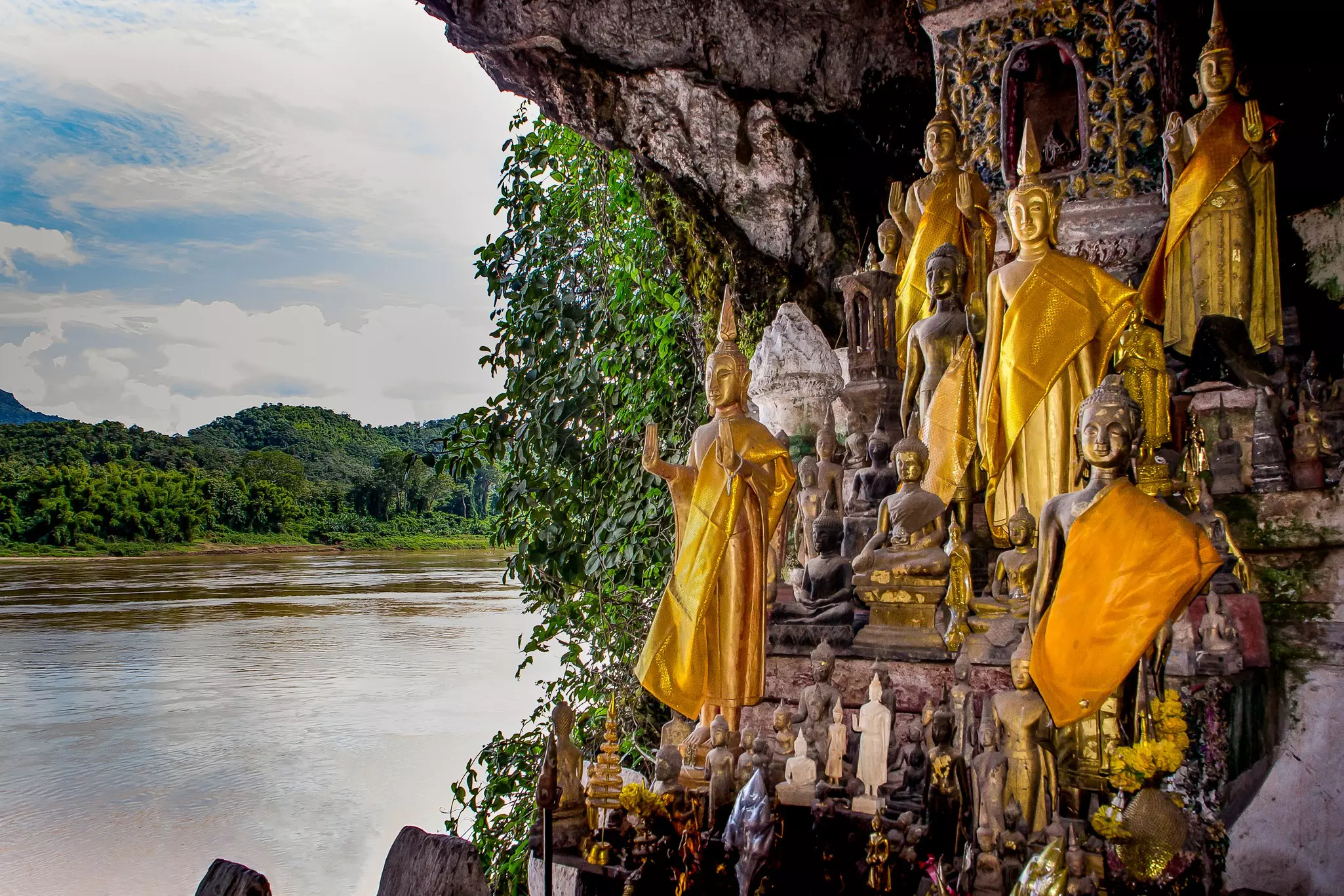
For centuries, the Mekong was the country’s lifeblood. People relied on it for fish, transportation and agriculture, with the seasonal flooding depositing soil nutrients on its banks. Trains, planes and dams are changing the dynamic, but a day on a boat reminds you how the river shapes the Lao way of life. Do a boat trip to the culturally significant Pak Ou Cave, which is filled with Buddha statues, and to villages making pottery, mulberry bark paper and rice whiskey. Or simply cruise around to enjoy a glowing sunset.
Planning tip: The majority of half-day Pak Ou tours go in the morning; arrange for a tour in the afternoon to beat the crowds, combining it with a sunset cruise back to town. Boats run the gamut, from basic (which are easily hired at the boat landing) to luxurious. Banana Boat is an excellent, comfortable midrange option for a private tour.
6. Connect with Lao Buddhist culture – by skipping the alms giving
If there’s one iconic image of Luang Prabang, it would be the hundreds of monks and novices in orange robes filing out of the temples to humbly collect sticky rice from kneeling villagers. The centuries-old ritual of tak bat or morning alms is highly symbolic, where the giver’s act of devotion in providing sustenance earns them merit. Unfortunately, what should be a peaceful and contemplative ceremony has taken on a circus-like atmosphere with tourists taking videos and photos, and tour groups participating in the giving.
Instead of tak bat, go on Orange Robe Tours, guided by former novices and monks; learn about Lao Theravada Buddhism and how young boys from across the region join the temple to receive both a spiritual and academic education. Drop in at Big Brother Mouse at 9am or 5pm, when locals come to practice English with visitors. There’s a good chance you’ll meet someone who has spent time as a monk. It’s an opportunity for cultural exchange and to ask questions.
Planning tip: If you would like to see the morning alms, keep back and simply observe; try the wats off of the main street, where the procession may only have a handful of monks but there are far fewer tourists. If participating in the morning alms feels meaningful to you, then avoid the pushy street vendors who exploit the ceremony and tout sticky rice at scam prices. Ask your hotel the day before; it can usually provide a basket of sticky rice, a pha bieng (the sash worn over one shoulder) and show you the etiquette, which includes appropriate attire of covered shoulders and legs. Otherwise, donate money or staples directly to the temple, such as uncooked rice, noodles, eggs, vegetables, cooking oil, new sandals or blankets.
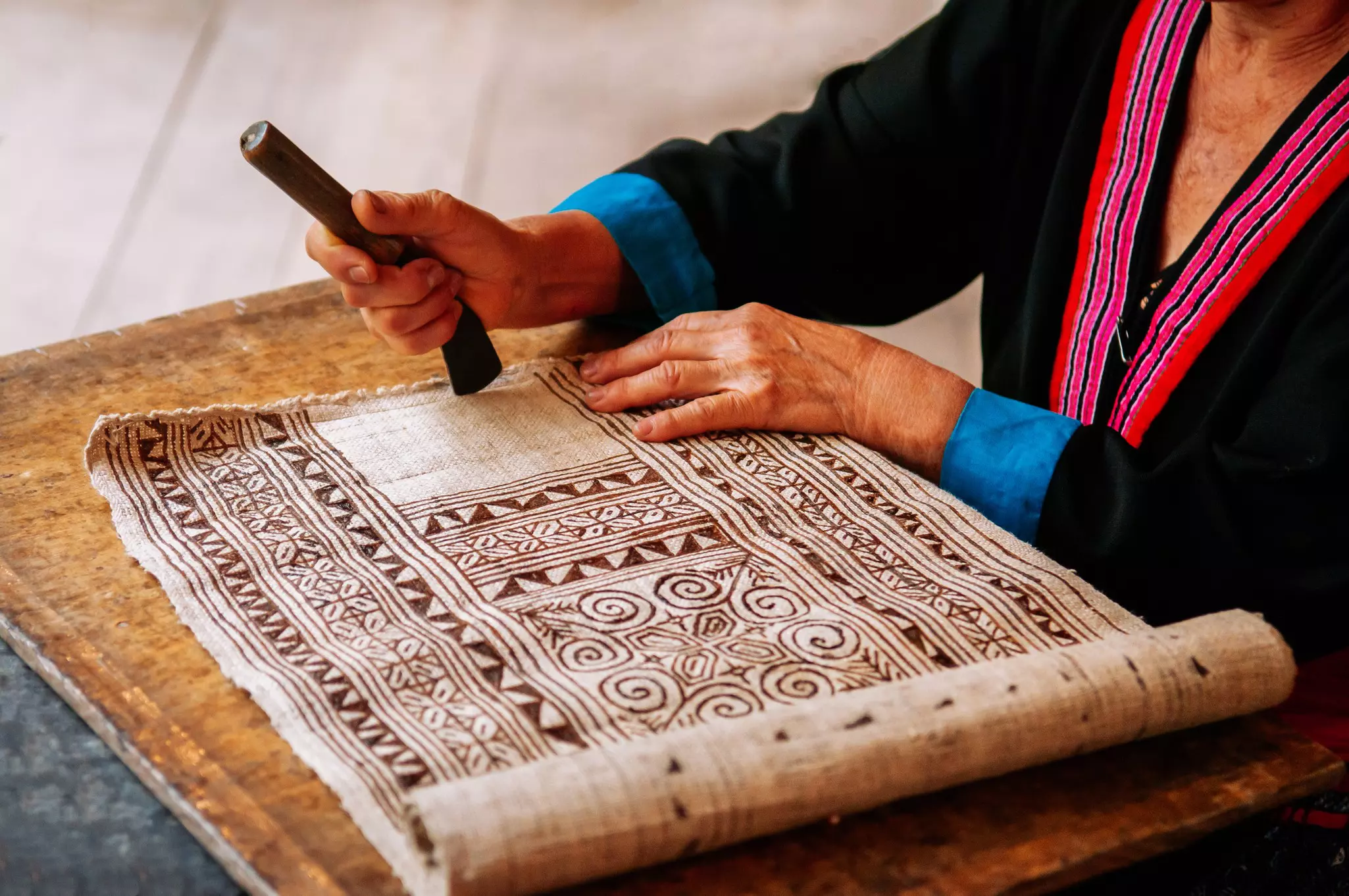
7. Learn traditional Lao arts and crafts
Weaving and other traditional arts are an essential part of Lao culture, especially the rural ethnic minority communities who rely on it for income. A handwoven textile expresses the weaver’s heritage with unique designs, techniques, colors and symbols. This generational knowledge and skill are under threat as cheaper, machine-made textiles flood the market and younger generations lose interest in continuing the craft, looking for better income elsewhere.
Help keep the tradition alive and support handicraft by shopping at fair-trade boutiques and learning from master artisans. Through social enterprise Ma Te Sai, learn Hmong embroidery, mulberry bark (saa) paper making, back-strap loom weaving or silversmithing. Learn the Kmhmu art of bamboo weaving at Traditional Arts & Ethnology Centre (TAEC), a museum dedicated to the country’s 50 ethnic groups. Ock Pop Tok’s classes cover all things textile, including natural dyes, silk production and batik; getting hands-on makes for a memorable experience but those short on time can drop into its Living Craft Center for a free tour and demonstration. It’s also pleasant to cycle or scooter 4km to the paper and weaving villages Ban Xang Khong and Ban Xieng Lek; pop into the studios in the morning and there’s a good chance you’ll see artisans at work.
8. Understand the legacy of America’s Secret War
Charmed by Luang Prabang’s peaceful, laid-back atmosphere, many visitors are shocked to learn of the horror Laos suffered during the Second Indochine War, and what it continues to endure to this day with unexploded ordnances (UXO). Laos is the most bombed country per capita in history. From 1964 to 1973, the US secretly dropped 2 million tons of ordnance, with 30% of the 270 million cluster munitions failing to detonate. Since the war ended in 1973, an estimated 22,000 people have been killed or injured by these weapons, with over 50% of casualties being children. According to the organization Legacies of War, there were at least 46 reported casualties in 2024. The small, informative UXO Lao Visitor Center is a must to understand the history, the impact on survivors and the dangerous work of de-mining.
Planning tip: Admission is free; allot 30 minutes for the visit.
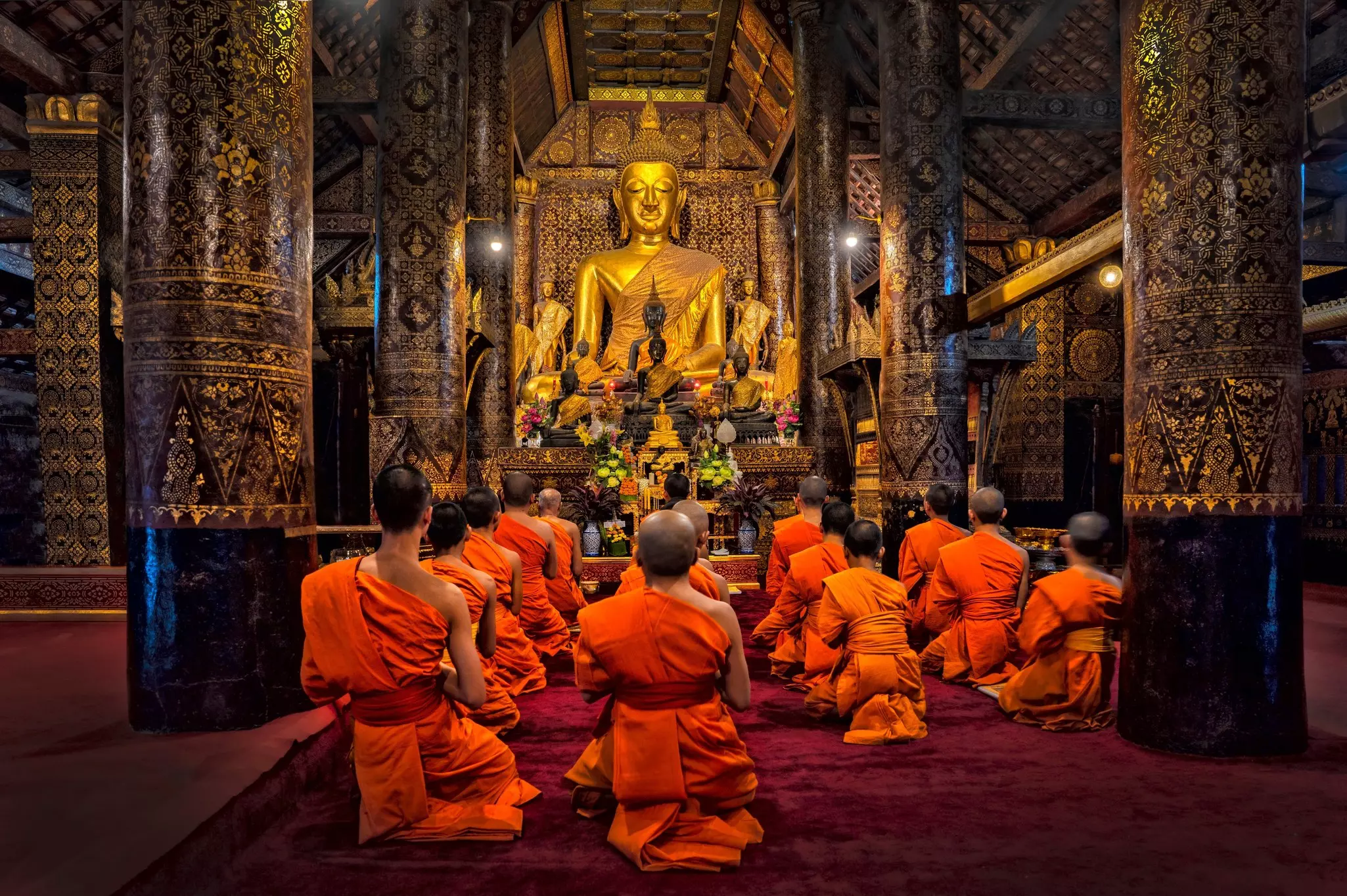
9. Visit some temples
With 34 wats within Luang Prabang’s town center, you have some holy ground to cover. Located at the end of the peninsula and decorated in glittering mosaic, Wat Xieng Thong is Luang Prabang’s most important temple and often considered the most beautiful. Dominating the center of town, the Ho Pha Bang houses the sacred Pha Bang, a gold Buddha statue that is the town’s namesake and palladium. Hoards of visitors make the climb up to That Chomsi, the stupa on top of Mt Phu Si, for sunset views.
Do take time to seek out minor temples, often hidden down alleyways. They may not be as grand, but they make for peaceful meanderings. My favorites are That Makmo (the Watermelon Stupa), Wat Xieng Mouane and Wat Siphoutthabat Thippharam. I try to be at Wat Sop Sickharam at 4pm to hear drumming along the row of temples, summoning monks back for evening prayer.
Planning tip: Follow proper etiquette and cover shoulders and legs if entering the temple grounds. Visit Wat Xieng Thong early morning or late afternoon to avoid the crowds.
10. Trek alongside rescued elephants
Laos was formerly the kingdom of Lan Xang, “land of a million elephants.” Asian elephants once freely roamed the country’s vast jungles; today, estimates suggest less than 400 remain in the wild. Loss of habitat and protected land, human-elephant conflict, illegal wildlife trade and their use in logging or entertainment have contributed to their rapid decline.
MandaLao represents one solution for a difficult conservation predicament where money, land and resources are limited. The elephant camp, 20km outside of town, has 12 elephants rescued from exploitation. Instead of riding, visitors trek through the forest alongside the elephants, and the income from tourism ensures their welfare and survival.
Planning tip: With any elephant tourism in Southeast Asia, it is important to be diligent and ensure the organizations you visit are in good standing. As of 2025, MandaLao is listed on World Animal Protection’s list of elephant-friendly venues.
Advertisement