Advertisement
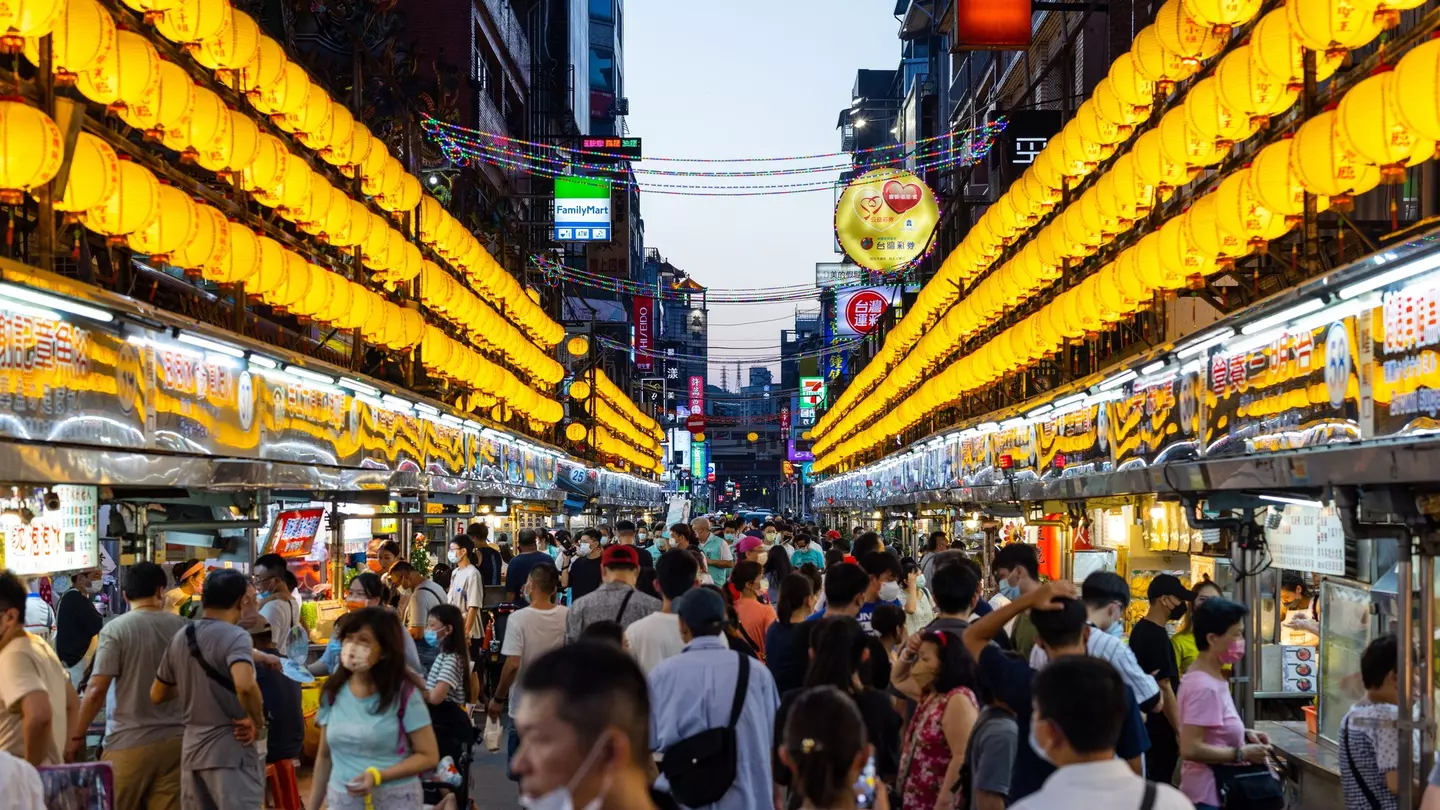
Miaokou Night Market, Keelung, Taiwan. leungchopan/Shutterstock
A favorite destination of savvy travelers, Taiwan has it all. Its easy-to-navigate transport systems make it easy to explore the compact yet geographically diverse island. Handy convenience stores at every turn mean you can stock up on just about anything on the go, avoiding heavy bags. And endless restaurants and food stalls – from Michelin-starred fine dining to raucous night markets – always hit the spot.
As easy (and delightful) as Taiwan is to explore, you’ll never regret doing a bit of preparation before you set off. Here are some tips from a Taipei resident of 7 years – everything you need you need to know before you visit Taiwan.
1. Book accommodation early
Taiwan’s wide range of accommodation options means you can lodge like a multimillionaire or a monk. It’s at the midrange hostels and B&Bs that you’ll get the best deals.
Advertisement
Rooms sell as quickly as hot dumplings during summer, Lunar New Year and national holidays; book at least 2 months ahead. In Kenting, Jiufen and Alishan – spots favored by local vacationers, campers and glampers – reserving as early as you can is key. Aside from pitching a tent, the cheapest lodgings are at temples with guest rooms.
To hike Taiwan’s highest mountains, you’ll need a permit or two, and the process can take weeks. If you want to stay in campgrounds and cabins in national parks, you’ll need to apply for those as well. The process may not be a walk in the park, but Taiwan’s breathtaking high mountains will reward you generously.
2. Make restaurant reservations or risk FOMO
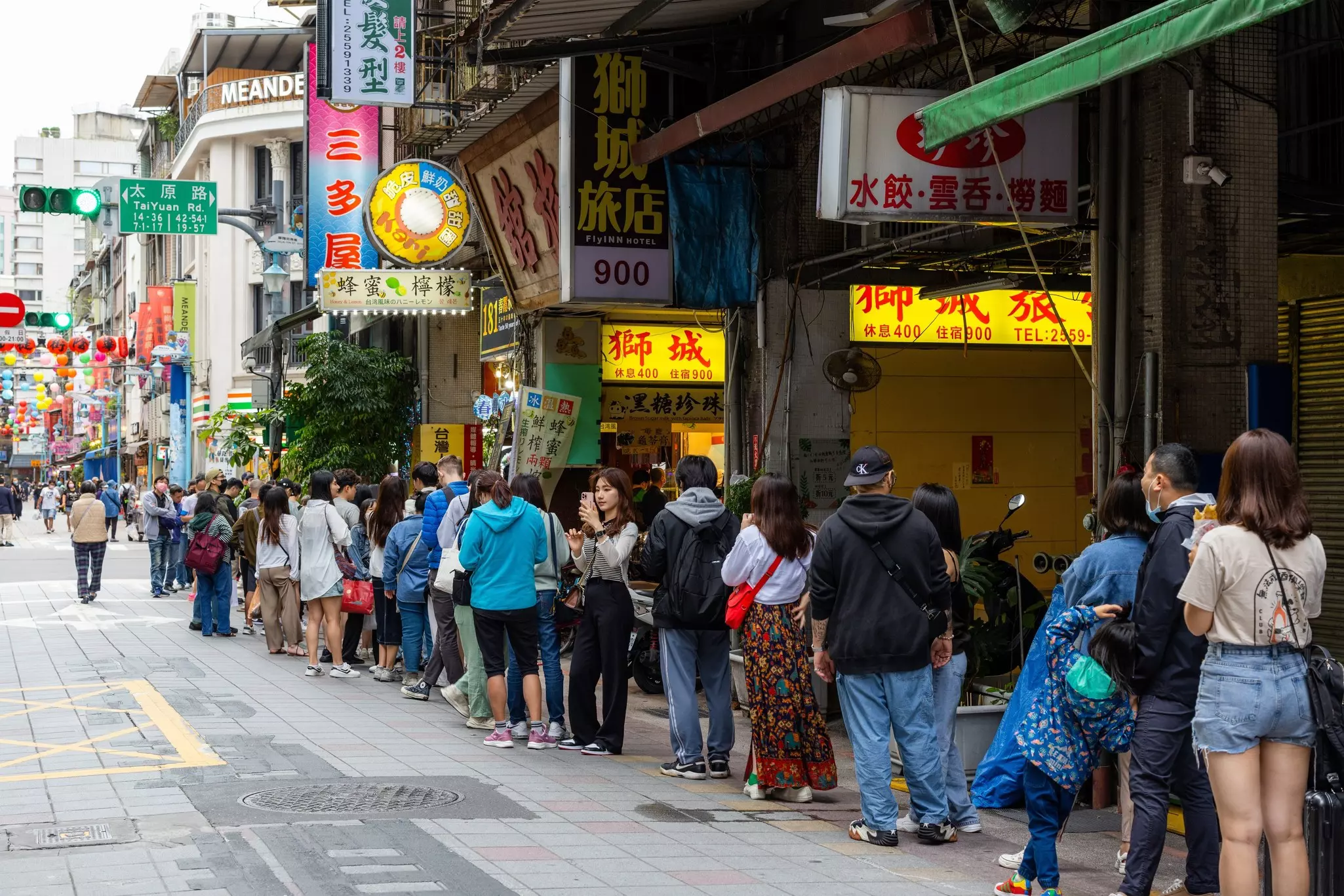
Eating will be an important part of any trip to Taiwan, and reservations are strongly advised for weekend dining. A few days will do for most restaurants, though Michelin-starred tables, such as RAW and Le Palais, both in Taipei, need to be reserved a month or two in advance. (Book by phone or on Facebook; a growing number of places will also let you reserve with Google. )For walk-in-only hotspots, get there early or get ready to see Taiwan’s famous queuing culture in action.
Dinner service usually begins at 5:30pm and starts winding down less than 3 hours later. This means your restaurant options grow thin after 8pm – making street-food-filled night markets a delicious necessity.
3. Tap and go with EasyCard or iPass
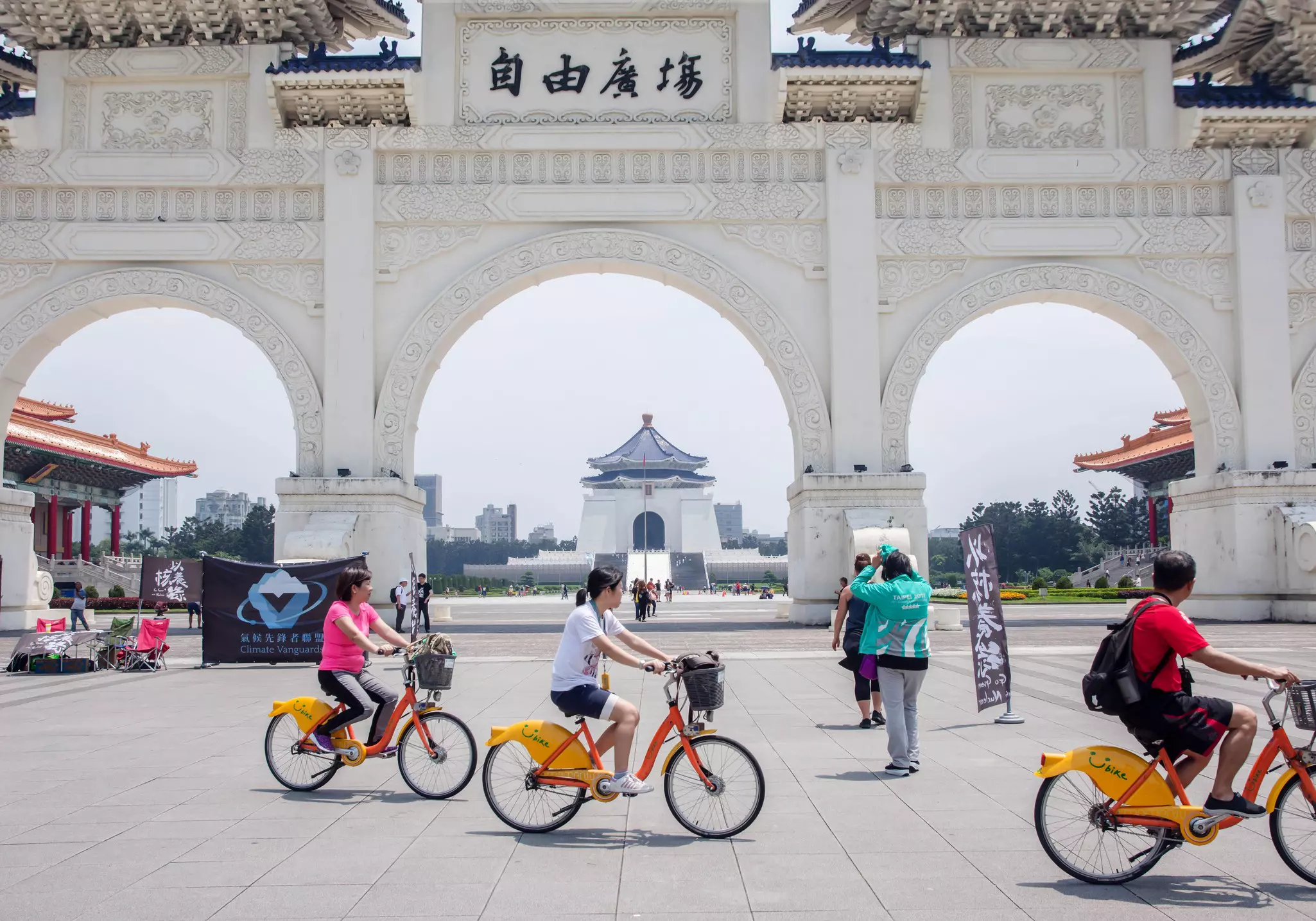
EasyCard is the contactless smart card that you can use on Taipei’s metro, local buses and trains (except high-speed rail), as well as at convenience stores and supermarkets. You’ll also need it (as well as a local phone number) to use YouBike, the bike-share service found in cities throughout Taiwan. The card itself costs 100 New Taiwan dollars; from there, you can top up at any metro station or convenience store to pay your fare. Any unused money is refundable, so don’t lose your card.
Kaohsiung has its own card, iPass, which is interchangeable with EasyCard.
4. Download a few transportation apps
The government’s bilingual apps are wonderful for checking routes, fares, arrival and departure times, and just what you’re allowed to bring on board. You can purchase digital train tickets via T Express (for high-speed rail) and 台鐵e訂通 (for railway), or simply use the apps for information and buy tickets at the station counters.
While Taiwan’s metro systems are straightforward, apps like Taipei’s 台北捷運Go can help you make better decisions about whether to get a day pass or pay a single bus fare. Taiwan’s bus apps give similar information to Google Maps, only with more-accurate arrival times.

Advertisement
5. Convenience stores are little shops of wonder
Taiwan’s convenience stores let you buy prepaid phone cards, make print-outs and photocopies, buy train and concert tickets, send and pick up local packages and use the ATMs. Oh, and you can buy snacks, too.
As you purchase your services at an automated kiosk, you’ll bask in the aroma of tea-infused eggs, roasted sweet potatoes or whatever decent-tasting rice or pasta dish a fellow customer happens to be reheating for indoor-seated enjoyment. Bear in mind not all kiosks have full English translations, so ask a staff member for help if you need it. Many convenience stores have toilets open to the public, too. Another key amenity: garbage cans – for you’ll find next to no waste bins in public spaces in Taiwan.
6. Pack enough prescription meds for your trip
If you’re on a specific antidepressant drug, blood pressure medication or contraceptive pill, bring enough with you to be safe. If you need flu and cold medicine, head over to Watsons or Cosmed for Tylenol or its local equivalents.
Sanitary products can be easily purchased from supermarkets and drugstores. Some cafes and restaurants even provide them for free in the women’s toilets.

7. Be considerate on public transport
Taipei’s metro and the national buses have priority seats marked in a different color from the others. Most Taiwanese who are not elderly, pregnant or physically challenged would never think of sitting there – though in recent years, some have questioned whether age and appearance are accurate reflections of need, arguing that it’s fine for anyone to use the seats until someone needier comes along. Whatever you choose to do, it helps to be aware of these dynamics.
Taiwanese metro commuters take the “no eating and drinking” rule very seriously. Chewing gum and even taking sips of water are frowned upon. Carriages are also quiet – which means that though your ride will be pleasantly calm, the chances of overhearing someone’s life story are disappointingly low.
8. Tipping is not customary but always appreciated
You are not expected to tip at restaurants in Taiwan, whether or not they levy a 10% to 15% service charge (as many do). Taxi drivers don’t expect tips, but you may hear a brighter “xie xie” (thank you) if you round up to the next dollar. It is courteous to give the porter at better hotels NT$100. If you’re happy with a massage or a tour guide, add 10% to the bill.
9. Take off your shoes when entering homes
Taiwanese do not wear outdoor shoes inside their homes. If your host offers you a pair of slippers, accept or propose going with socks.
It is not customary to remove shoes before entering a temple, especially in urban temples, though the rule may apply in a pavilion housing a sacred relic, say, or in a fragile heritage building.
10. Wear whatever you like, but dress respectfully at temples
While middle-aged Taiwanese tend to dress conservatively, young urbanites in Taipei and Kaohsiung are sartorially quite open-minded. That said, clothes that show more skin, such as crop tops or halter tops, are much less commonly worn than in other world capitals, and may get some stares.
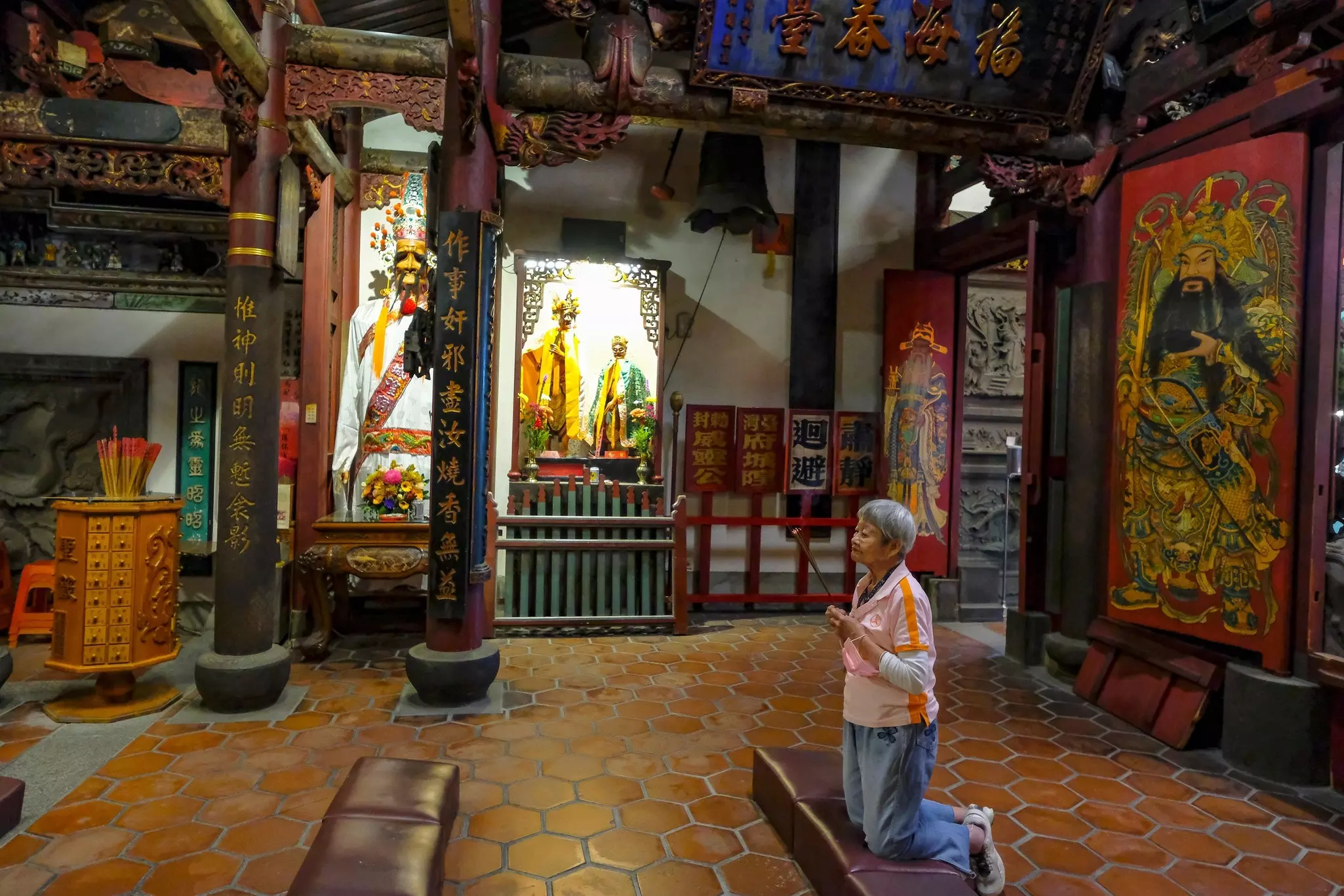
It’s a different story when you visit a temple. In these sanctuaries, wearing clothes that cover the thighs, shoulders and midriff is considered a sign of respect.
11. You can get by without much Chinese
Most Taiwanese in the major cities know at least some English. As everywhere, the further you get from the metropolitan areas, the less prevalent the foreign language is. Yet thanks to Taiwan locals’ overall friendliness and hospitality (plus some help from Google Translate), you can get pretty far.
12. Bring your reusable water bottle
Taiwan’s tap water is officially deemed safe to drink – but it’s hard to know in the pipes of any one particular building are up to par.
Using your own drinking water bottle is by far the cheapest, greenest and safest way to hydrate. There are water fountains in all metro and train stations; public facilities, such as information centers, libraries and museums; and even temples. When checking in at your lodging, ask reception where the water dispenser is.
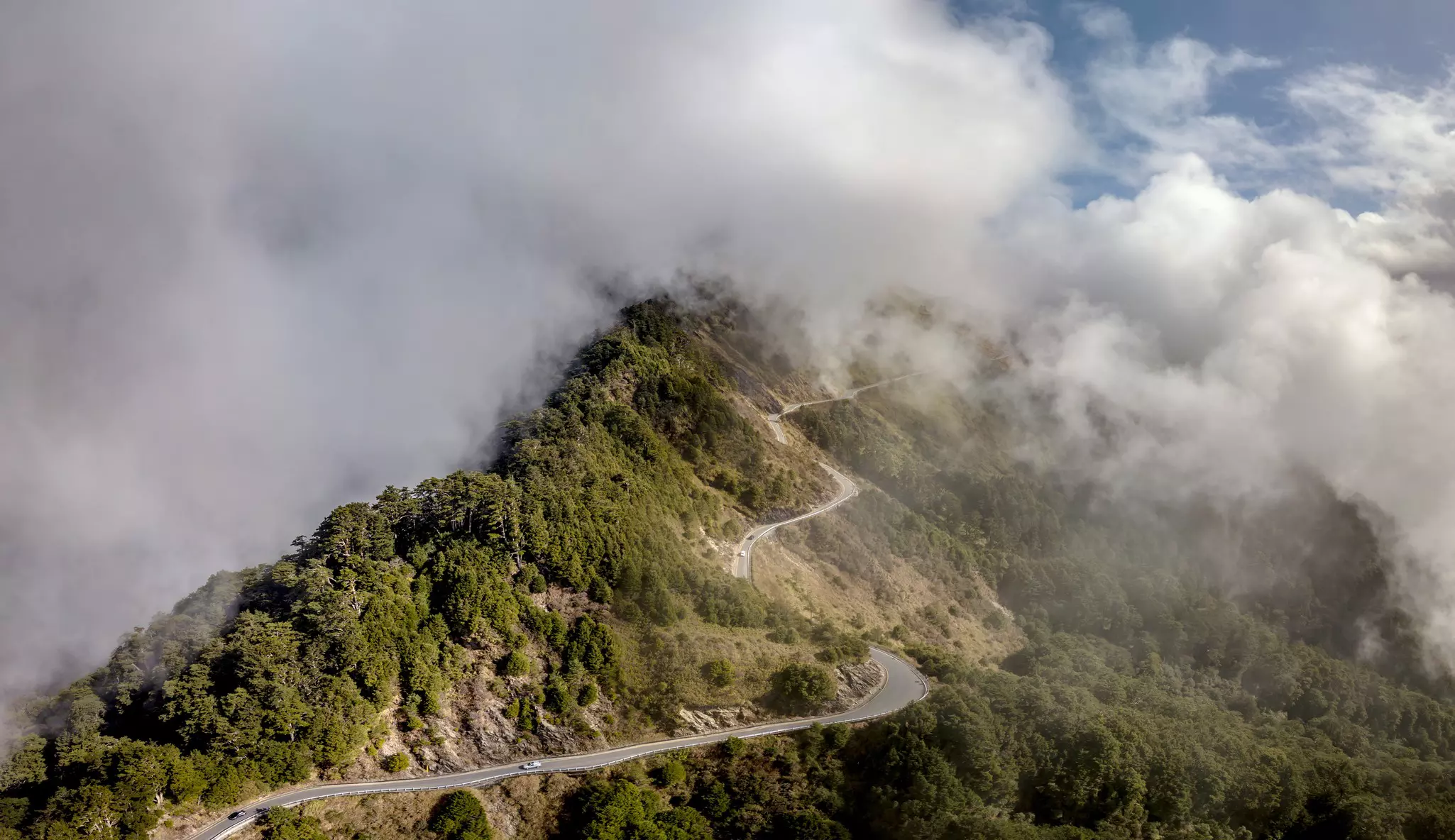
13. Taiwan is affected by frequent natural disasters
Just west of the “Ring of Fire” tectonic zone and directly exposed to the Pacific Ocean‘s weather systems, Taiwan experiences earthquakes, typhoons, floods and landslides. While this doesn’t (and shouldn’t) deter most travelers, you should always avoid mountainous areas after quakes and heavy rains. Strong winds often mess up sailing schedules to and from Taiwan’s islands, while cross-island buses may stop running after a landslide. Check with the relevant authorities before heading to the station or pier with your umbrella.
14. Be wary of where you smoke
Smoking is banned in all indoor public places, such as hotels, restaurants, shopping malls and metro stations, and this is strictly enforced. Smoking at alfresco cafes is common – something to keep in mind if you don’t smoke.
15. Taiwan is excellent for solo women travelers
Taiwan has a very low crime rate, and many solo women travelers report feeling safer here than in other destinations. Some train and metro stations even have nocturnal women-only zones where female travelers can wait after hours.
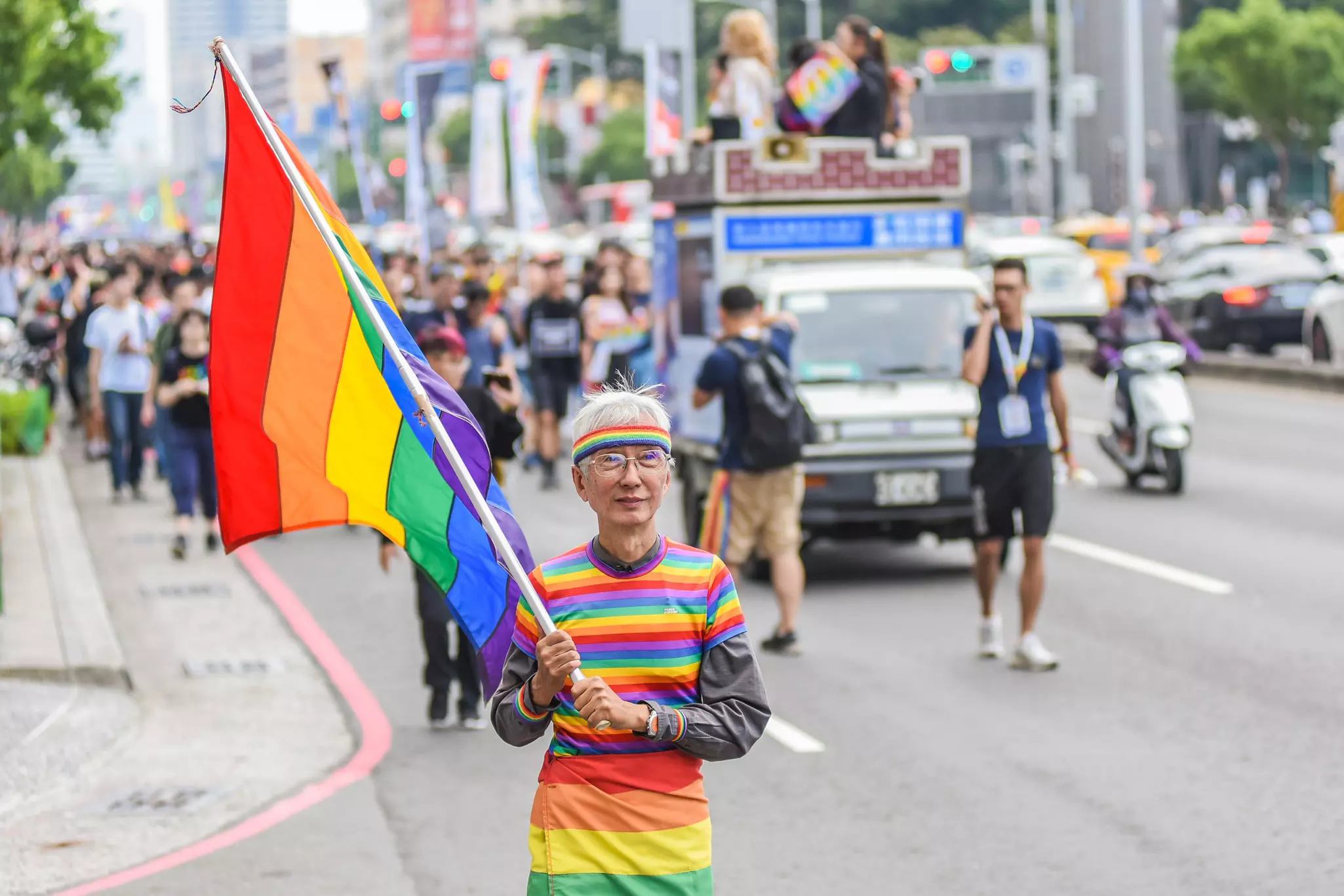
16. Taiwan is a welcoming place for LGBTIQ+ travelers
The first country in Asia to legalize same-sex marriage, Taiwan is friendly and progressive – especially Taipei, home of the Chinese-speaking world’s most vibrant Pride parade and a range of LGBTQ+ nightlife hot spots. Kaohsiung, which has its own Pride, comes a close second. Useful resources include Utopia, Taiwan Tongzhi (LGBTQ+) Hotline Association and Taiwan LGBT Pride.
17. If you need a toilet on the go, you’re in luck in Taiwan
Free and usually spotlessly clean facilities are everywhere in Taiwan. While most public toilets are squat-style, there are usually at least one or two stalls with sit-down facilities. They often also have toilet paper. Western-style toilets are standard in hotels and apartments. Note that restaurants will often ask you not to flush used toilet paper but rather deposit it in the wastebasket beside the basin.
Advertisement
Explore related stories

Mar 31, 20258 min read
How to get your cell phone connected in Taiwan: eSIMs, wi-fi and mobile networks