Advertisement
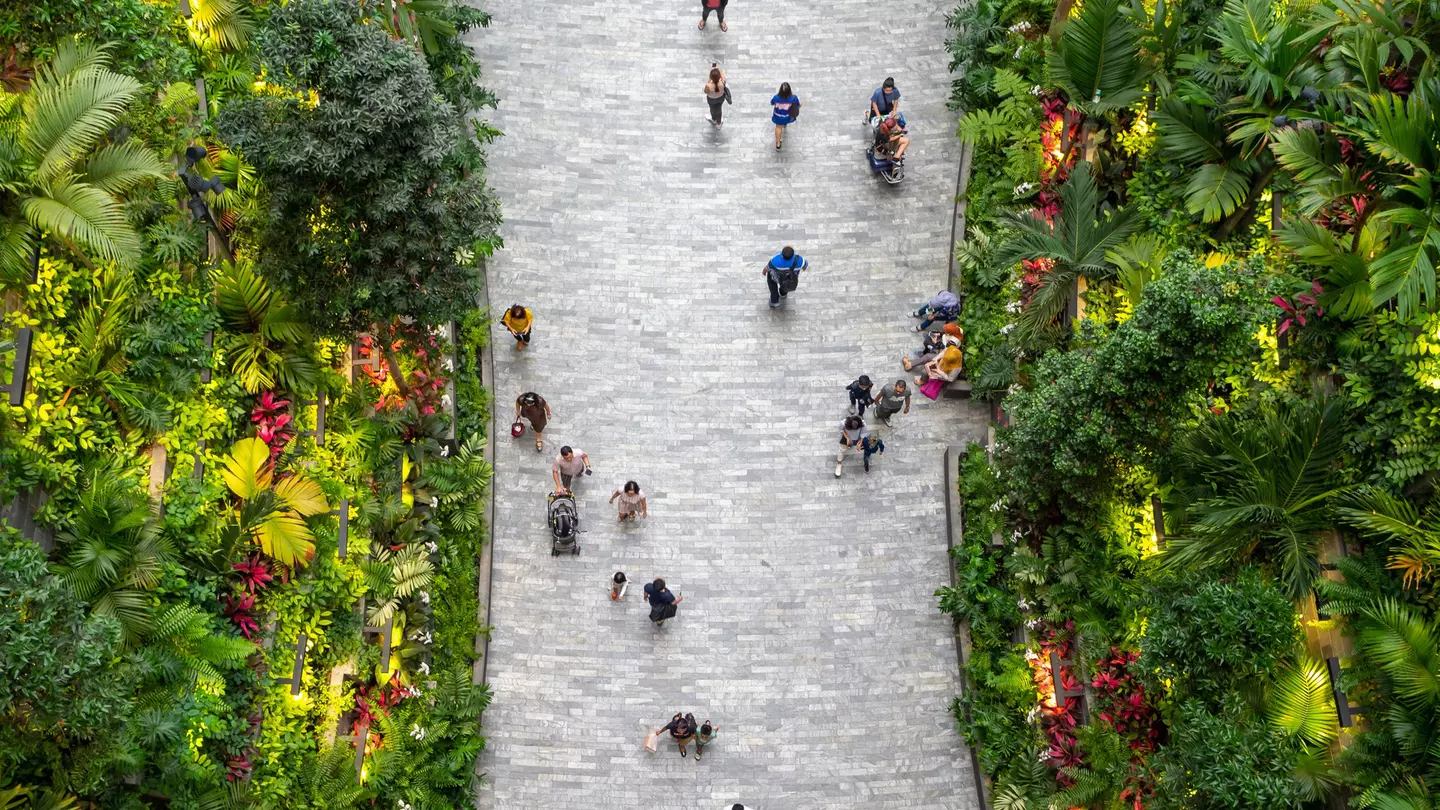
Plan for your trip to Singapore with these things you should know and insider tips © Jakub Zajic / Getty Images
Singapore has a carefully cultivated its image as one of the safest countries in the world.
Many visitors appreciate the city-state’s clean streets and manicured gardens amid skyscrapers – along with the intriguing mix of people that make up Singapore’s multifaceted culture. Others, though, often balk at its infamously strict rules and fines for flouting them, and the sanitized feel of all those towers and plantings.
As a Singaporean who’s lived here all her life (and who has spent many hours explaining the country to fellow travelers abroad), I can tell you that both sides have a point. Yet by making yourself aware of a few key aspects of life in the Little Red Dot before you set off, you can arrive able to fully maximize your time in this special destination.
From its cultural landscape, local customs and quirks, to practical information about payments, safety and more, here’s all you need to know before you next trip to Singapore.
Planning for your trip to Singapore
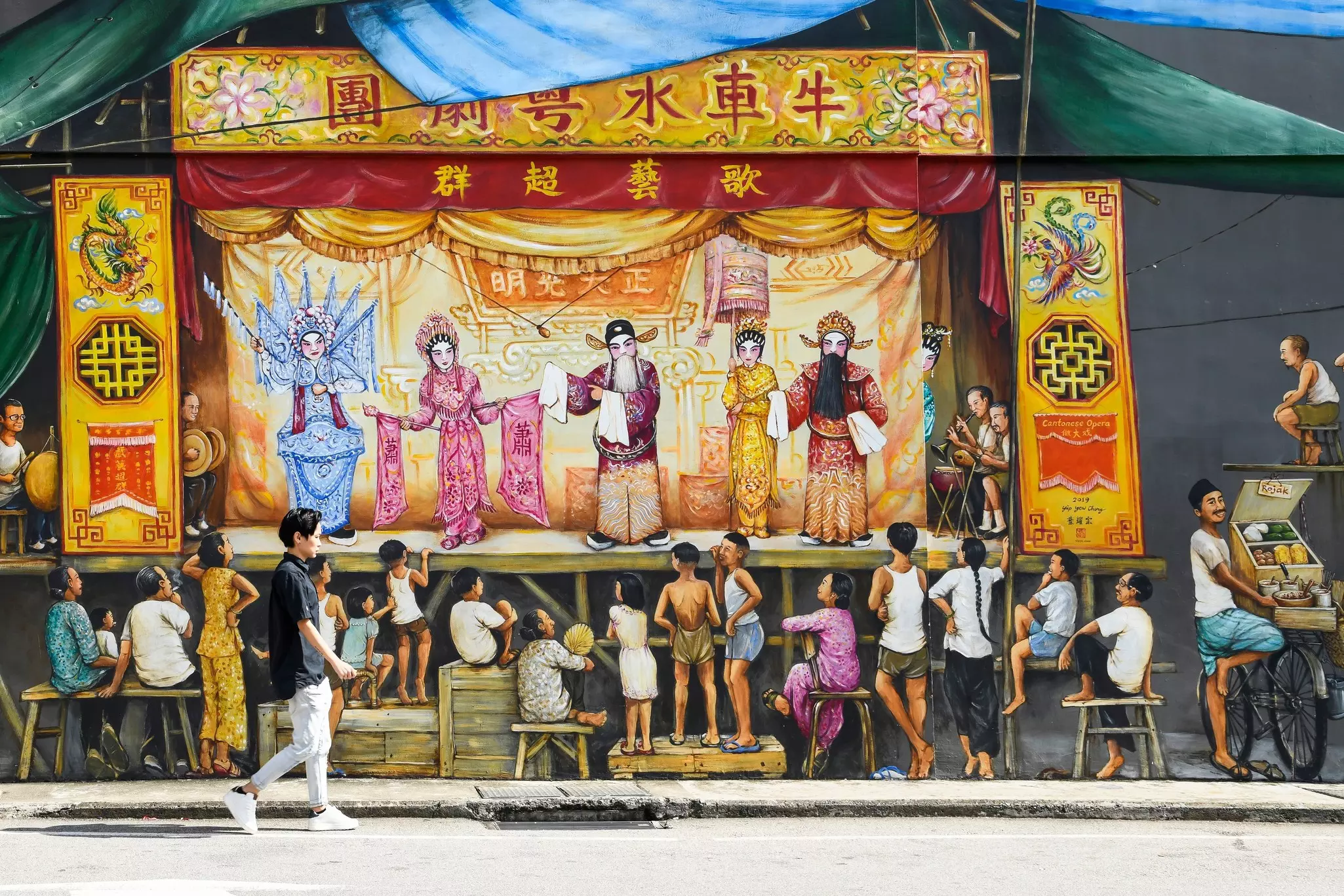
1. Though Singapore is small, there is lots to see and do
At just 284 sq miles (736 sq km), compact Singapore takes less than an hour to drive from end to end. Yet there is a whole lot packed into this densely populated country.
For a first-time visitor, we recommend three to four days to see the main highlights and get a feel for life here. Yet even if you’re really short on time, a layover with at least 5. 5 hours lets you join one of three free transit tours organized by the excellent Changi Airport. Expect an exciting introduction to what the country has to offer – and to be planning a (longer) return visit soon.
2. Prebook attractions to avoid waiting in line
There’s a joke that a Singaporean’s favorite pastime is queuing for things – but visitors shouldn’t have to waste time on this. If there’s an option to prebook tickets online or make a reservation, do it. This is key on busy weekends and peak vacation periods like the mid- and year-end school holidays.
While any given attraction’s official website is usually the best place to get tickets, you can also browse other booking platforms before you check out as these sites may offer special seasonal discounts or bundle pricing. Also, always visit the Visit Singapore website as it sometimes runs incentive programs for tourists.
3. Singapore is an independent country
Some people mistakenly assume that Singapore – with its majority-Chinese population – is a part of China. This is certainly not the case. Most Chinese Singaporeans are descendants of southeastern Chinese immigrants who sailed across the seas decades and even centuries ago.

Lonely planet’s trusted travel insurance provider
Travel with confidence. Protect your trip and your wallet.
We don’t represent World Nomads, we receive a fee from quotes using this link. This is not a recommendation to buy travel insurance.
Singapore may be hard to spot on a map, but you’ll find it just south of the Malay Peninsula in Southeast Asia, four hours away from China by plane. On that note, despite its geographic proximity and aspects of shared culture and history, Singapore is also not a part of Malaysia (though it was very briefly back in 1963, before Singapore became fully independent in 1965).
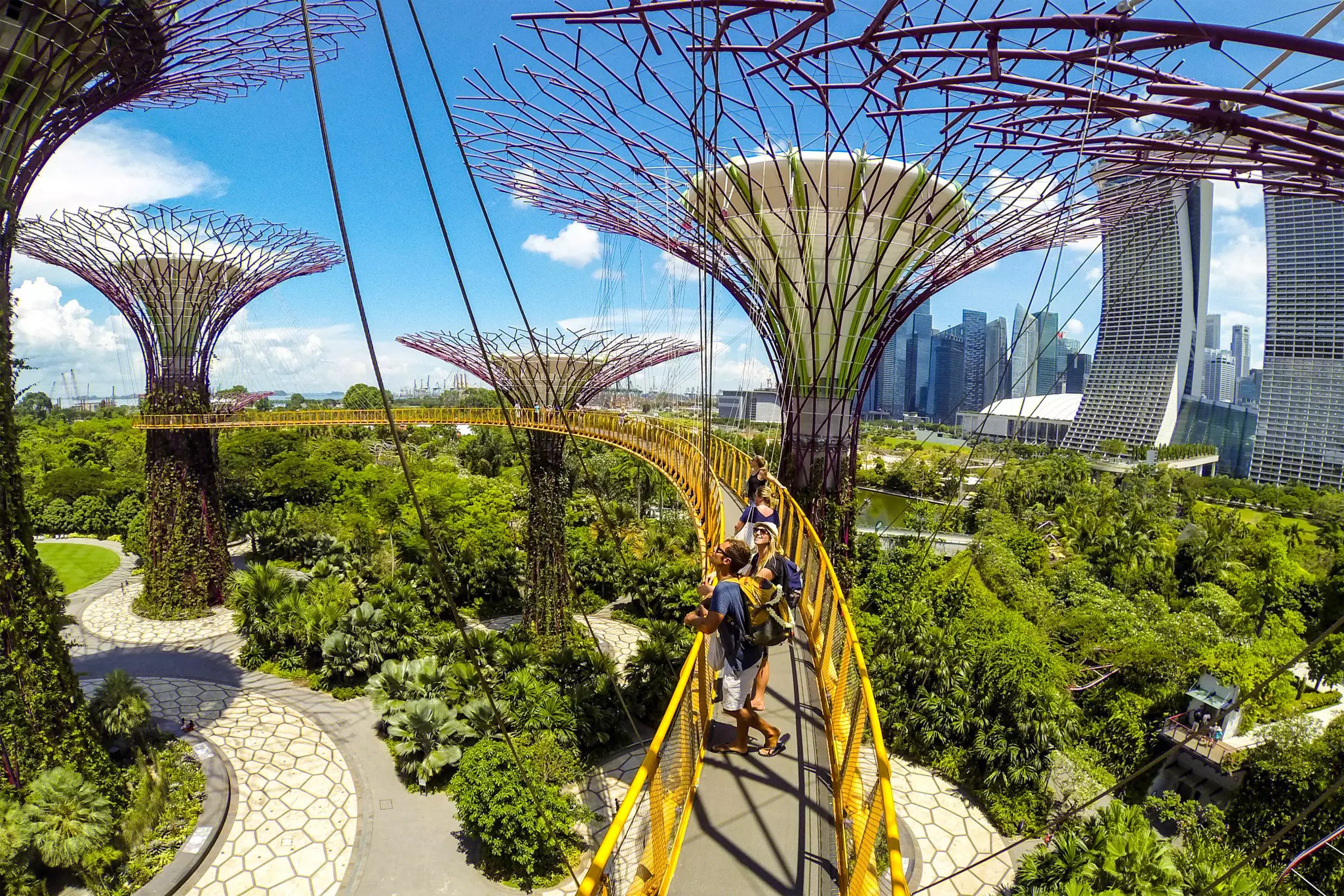
4. Pack for the tropics
Located practically at the equator, Singapore delivers hot, tropical weather ranging from 25 to 35ºC (77 to 95ºF) almost every day of the year. A small umbrella is essential, both for cover from scorching rays and sudden downpours.
Singapore’s high humidity – 60 to 90% on average throughout the year – can be tough for those used to more temperate climates, so arrive prepared to sweat it out. Pack light clothing, and carry a small fan or hankie around with you. Singaporeans know that anyone basking in the afternoon sun who’s not on the beach is definitely a tourist; be sure to slap on the sunblock.
In a strange reversal, conditions tend to be much colder indoors than out, since shopping malls and other public spaces use high-powered air conditioning to counter the heat and humidity.
A scarf or a light jacket will keep you warm indoors, offer extra sun protection outside, and provide an ideal cover-up if you plan to visit religious buildings.
5. Count on carrying both cash and credit cards
How many Singapore dollars you change or withdraw for your trip largely depends on where you plan to go. Most major tourist attractions and shops in malls will accept credit cards, with other cashless options like contactless payments and smart wallets also common.
Those planning to take public transport in Singapore can use their credit cards on the public buses and MRT card readers for convenience. Still, purchasing a local EZ-Link card or transport pass may be more worthwhile, depending on how much travel you plan to do.
Despite the prevalence of cards and cashless payment options, you should plan on carrying some cash around with you, for bills and coins remain the main method of payment for most small businesses, including hawker-center stalls and taxis. Try to break notes of larger denominations ($50/$100) into smaller ones ($2/$5/$10) when possible.
Etiquette in Singapore
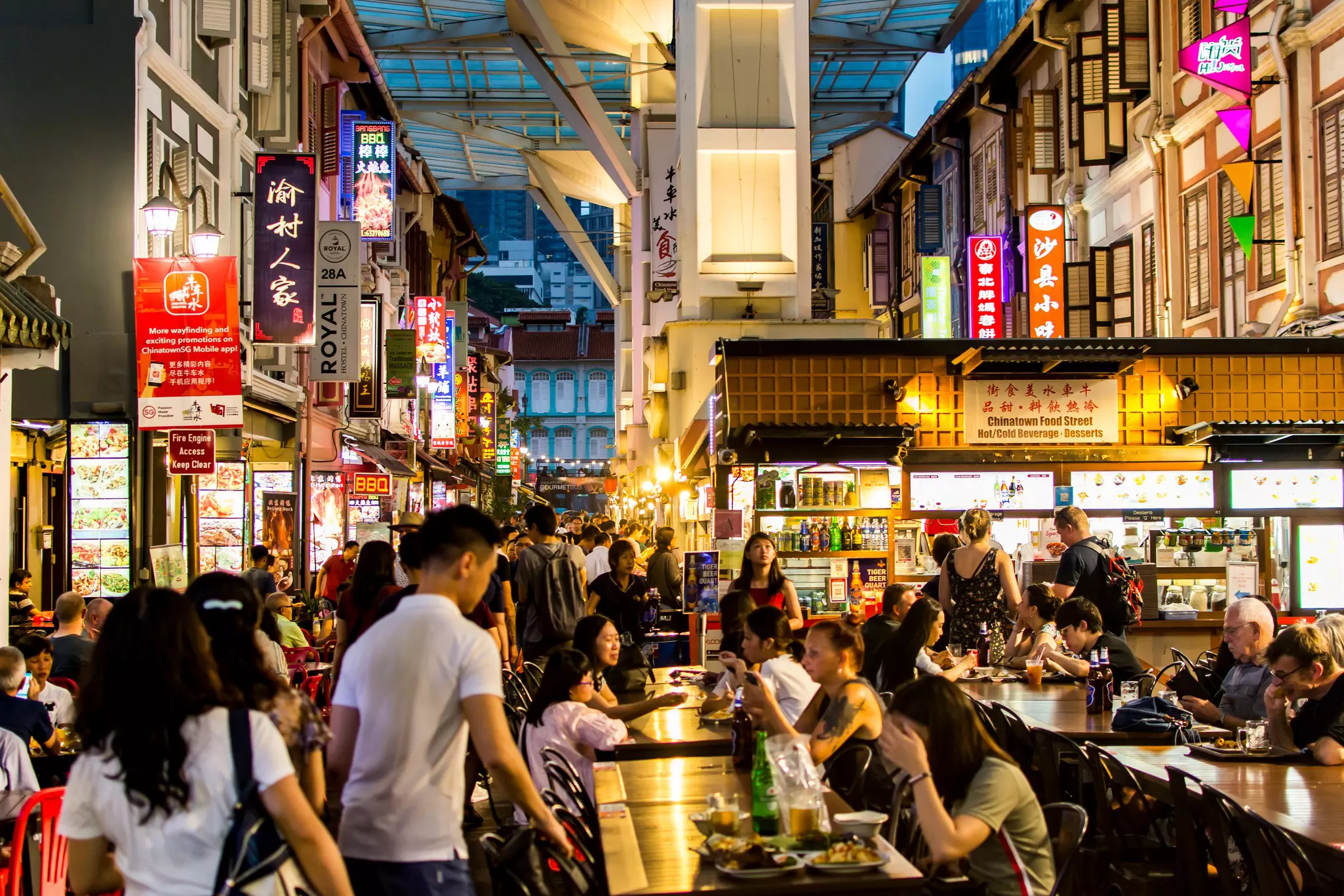
1. Most Singaporeans speak excellent English
Singapore is an easy place for non-Asian tourists to explore on their own because of the widespread use of English. In fact, Singapore actually has four official languages: with Mandarin, Bahasa Melayu and Tamil representing the country’s three major ethnic groups (Chinese, Malay and Indian, respectively). English, meanwhile, is the language used in schools and for business, which also allows for conversation across ethnicities.
2. Tipping is not expected
Tipping is not expected in Singapore. If you’re eating out in a restaurant or cafe, there is usually a 10% service charge included in the bill. Some places may have a tip box; otherwise, additional tips are not mandatory or expected, though they are always appreciated.
3. Understand the art of “chope-ing”
If you are eating at food centers or working at co-working spaces, particularly within the Central Business District, you may notice empty tables with strategically placed items like umbrellas, tissue packets or lanyards on the seats. This is a practice in which Singaporeans “chope,” or reserve a seat, while everyone is queuing up at the stalls. Most people honor this informal reservation system and will look elsewhere for available seats.
Safety in Singapore
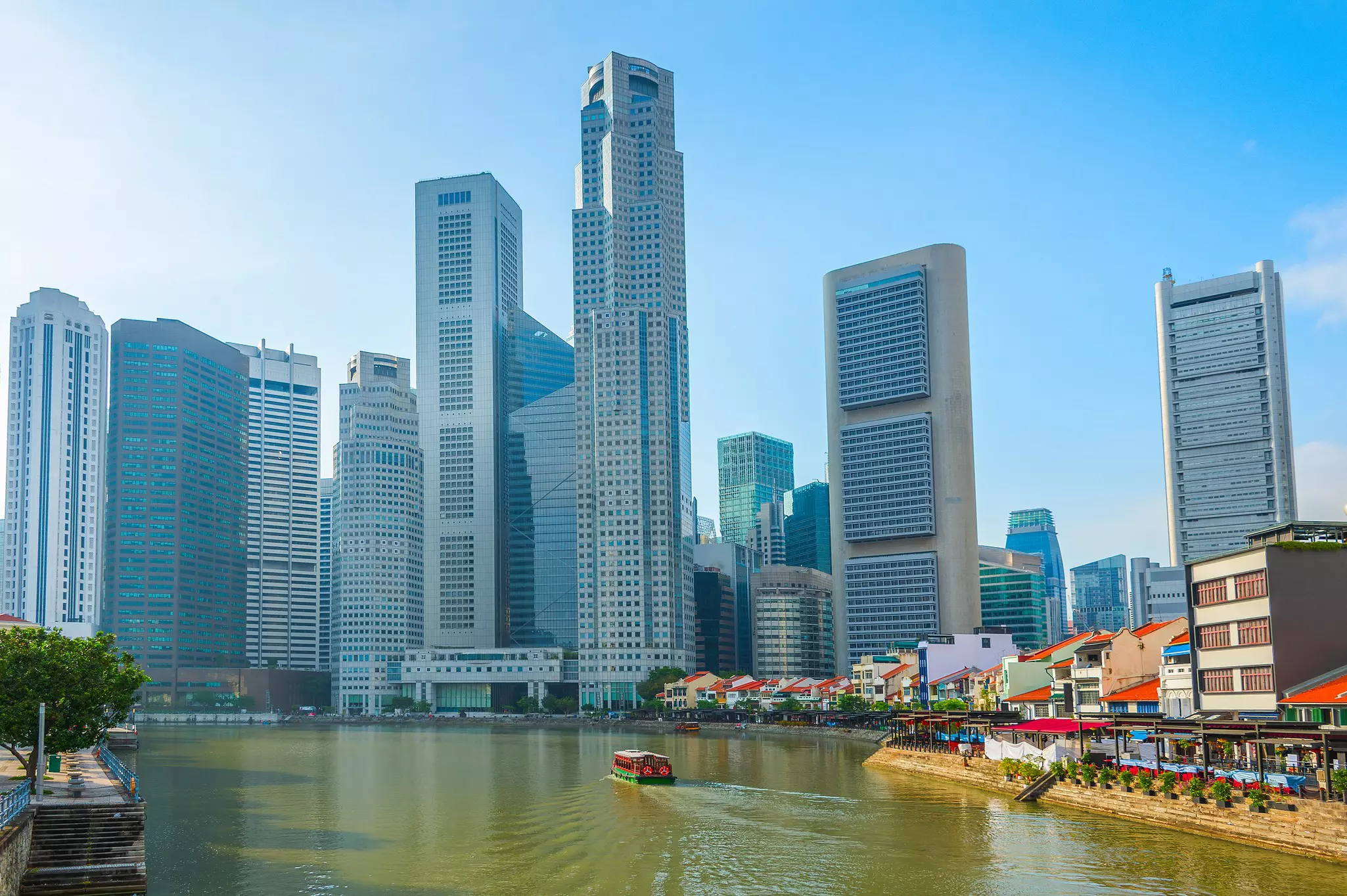
1. Natural disasters are unlikely in Singapore
Singapore may not have scenic mountain ranges or awe-inspiring topography, but this means it’s also out of the path of major tectonic movement. Other natural disasters are happily rare here, too – which means there’s no need to worry about earthquakes, volcanic eruptions, typhoons or sandstorms during your time here.
In the worst case, you may encounter flash floods during particularly rainy periods, or haze blanketing the island from forest fires elsewhere in the region. Yet these are usually minor inconveniences that dissipate quickly.
2. Singapore is a safe and stable place to visit
Singapore is known the world over for its generally stable political and business climate, and is often ranked as one of the least corrupt countries in the world. Strikes that can disrupt travel plans are practically nonexistent here.
The crime rate in Singapore is also relatively low, thanks to extensive surveillance and a police force that people trust. As a single woman, I’ve never been too worried about wandering around Singapore on my own, even at night. Still, it’s always the right move to keep aware of your own safety – for as as one of our popular slogans here goes, “Low crime doesn’t mean no crime.”
3. Feel free to drink the tap water in Singapore
There’s no need to buy bottled water in Singapore, as the tap water here is treated and perfectly safe to drink. You’ll find that most attractions have water coolers where you can refill your reusable bottles while you’re out and about during the day.
Advertisement