Advertisement
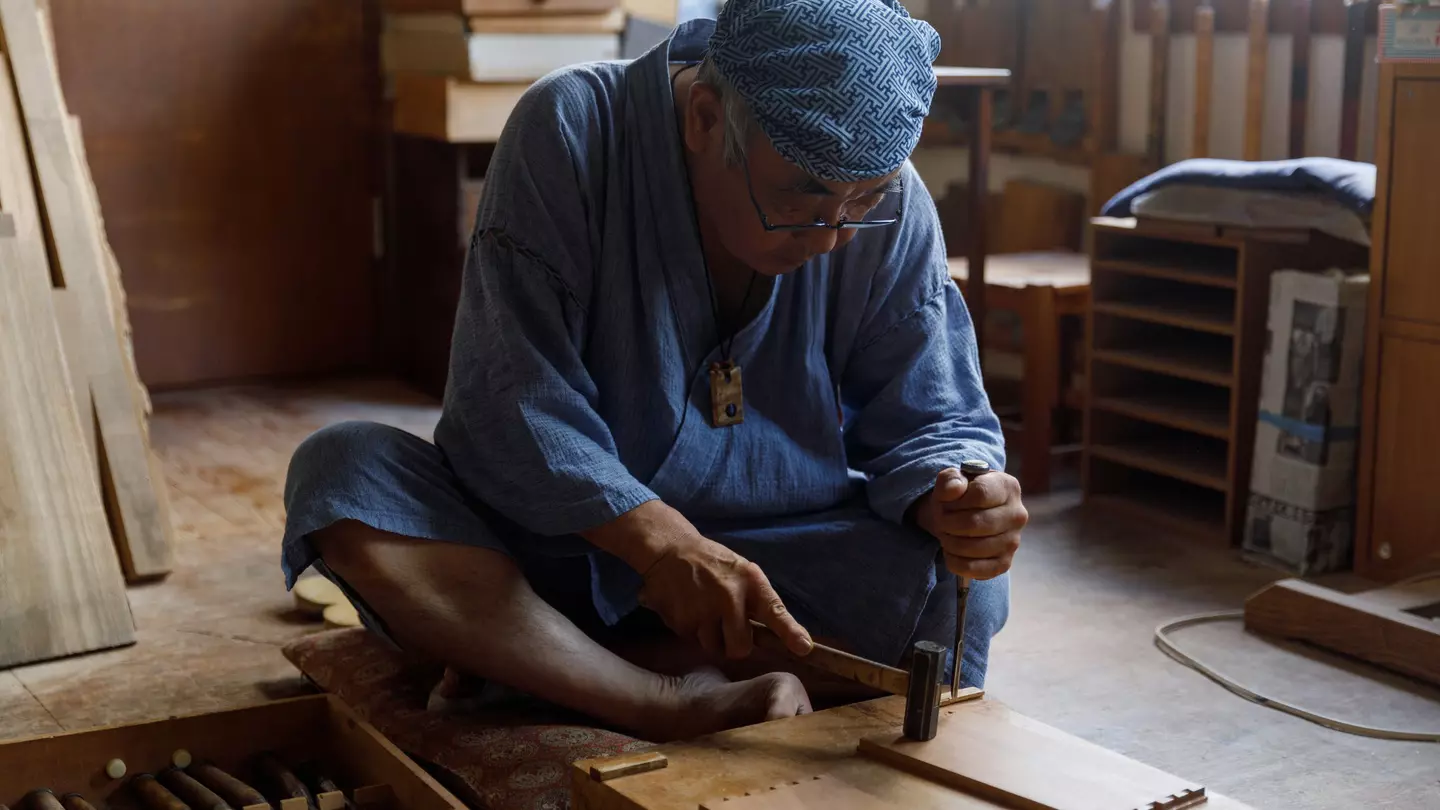
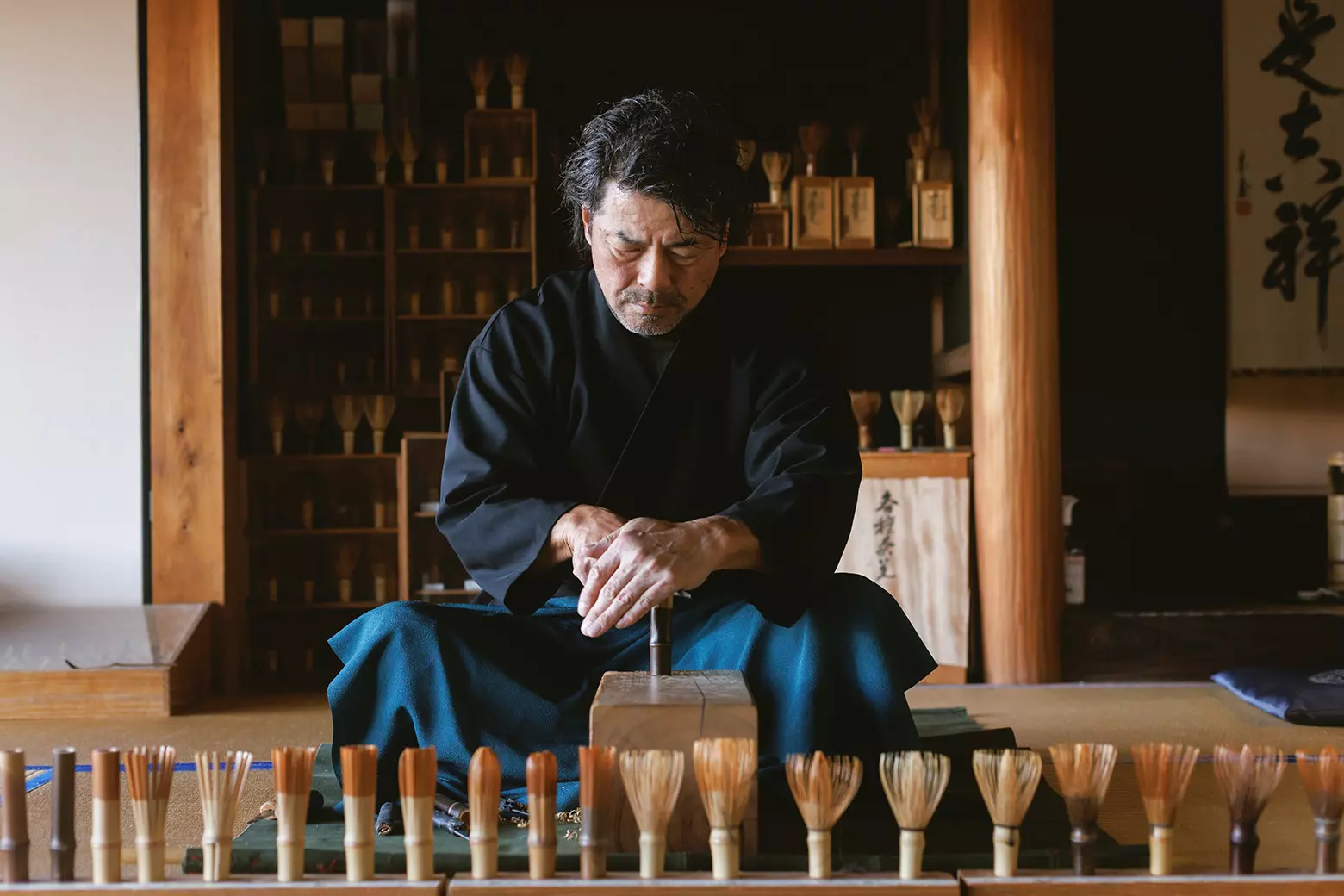
A Japanese artisan uses traditional woodworking methods. Courtesy of Wabunka
Japan's warm and enduring embrace of ancestral practices, heritage and customs is a vital connection between past and future. Here, ancient religious sites are living spaces. Local festivals use old traditions to strengthen modern bonds. Arts like chanoyu (tea ceremony), ikebana (flower arranging), kyudo (archery) and noh (masked drama) are woven throughout daily life.
But for these legacies to be passed to future generations, someone must commit to carry them forward every day. These individuals, families and small businesses are the custodians of culture. It’s a long-term commitment that requires discipline, repetition and responsibility.
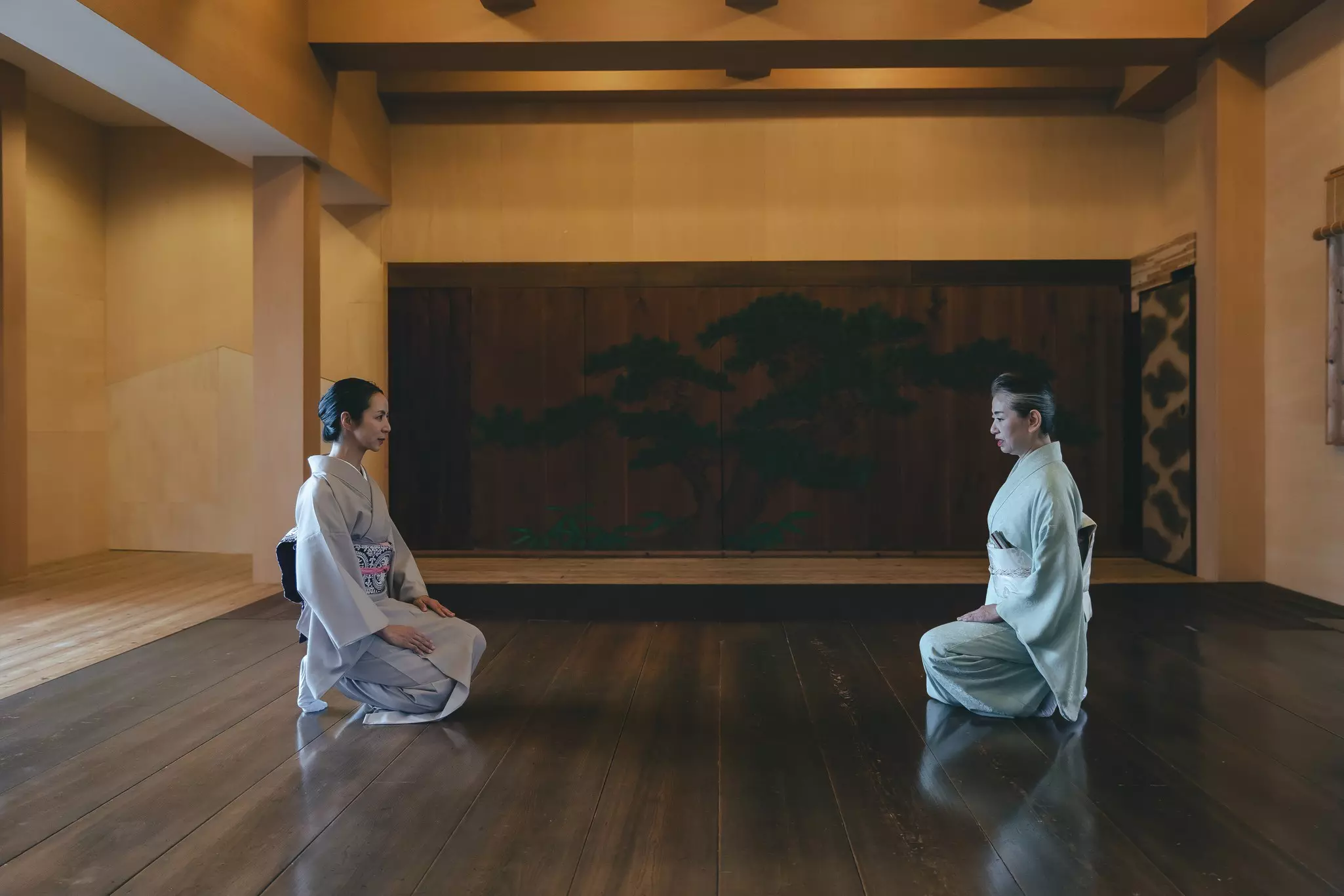
For travelers looking for a deeper understanding of Japan’s rich authentic culture, getting access is often hard. Language, etiquette and trust are barriers, and it can be hard to discern which experiences feature performers and which feature masters of their crafts for whom these practices are part of their daily life. Most travelers only get a surface-level look.
Advertisement
For this article, access to these masters was arranged through Wabunka, a Japan-based travel company that creates custom private tours, experiences and itineraries – across many cultural domains – from the ground up. This means Wabunka creates the experiences in partnership with the artists, monks, chefs and other masters who carry these traditions forward daily, helping to give back to cultural preservation.
Let’s meet some of these custodians of culture, and see how their work preserves these traditional values, while offering direct engagement and meaningful cultural exchange.
Craftsmanship and aesthetic traditions
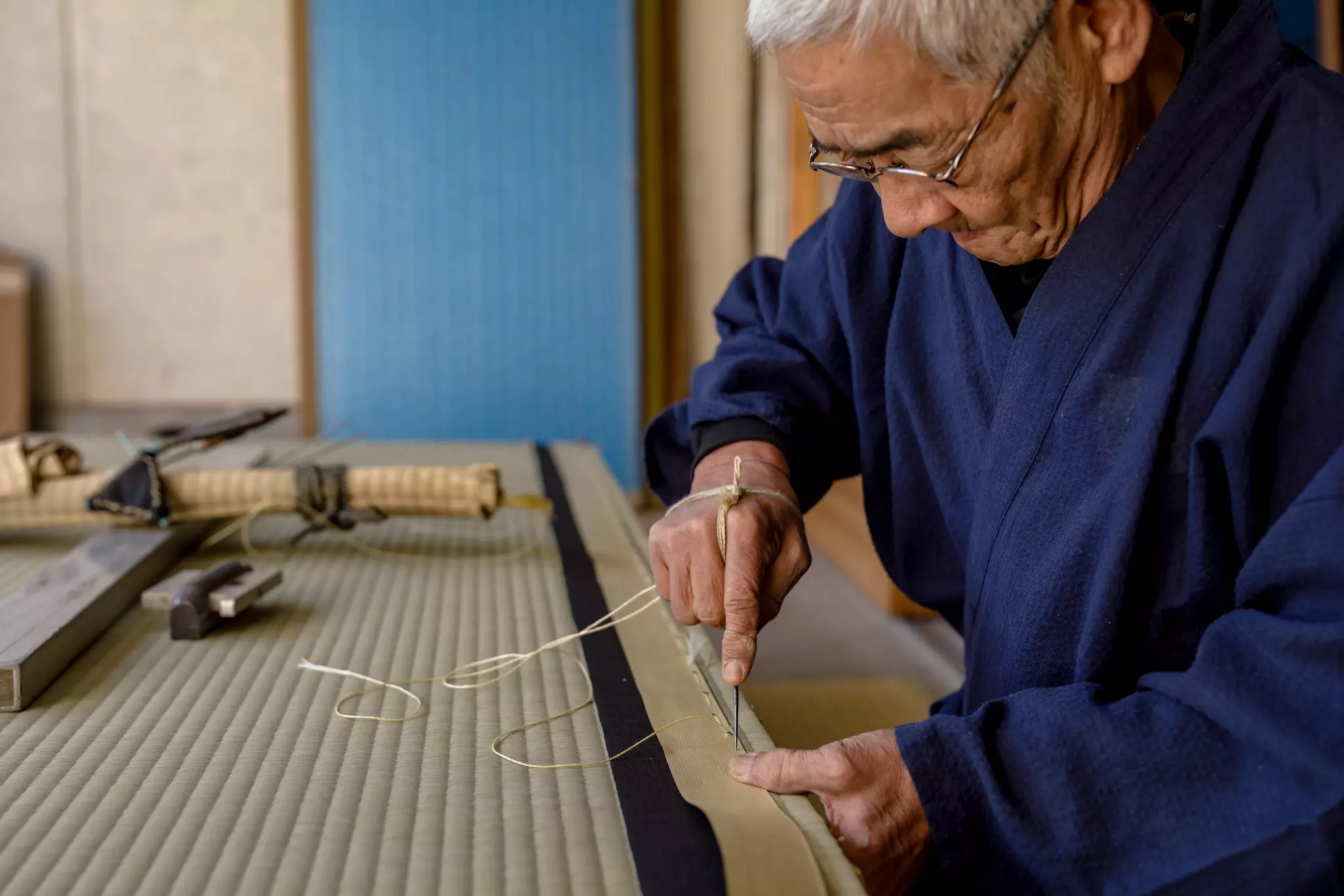
Few embody the essence of Japan’s traditional culture more than the shokunin (artisans) who create the country’s crafts: everything from sumi-e (ink painting) and shikki (lacquerware) to bonsai and katana (single-edged swords). These people possess not only technical ability and unwavering commitment to quality but also a lifelong dedication to mastery and a deep sense of responsibility to honor their materials, preserve techniques and contribute to society.
The future of their craft, though, is at risk. Due to a lack of successors, an aging population and economic pressures from mass-produced goods, the number of people employed in Japan in traditional crafts has fallen from 288,000 people in 1979 to around 50,000 today.
Woodblock printing
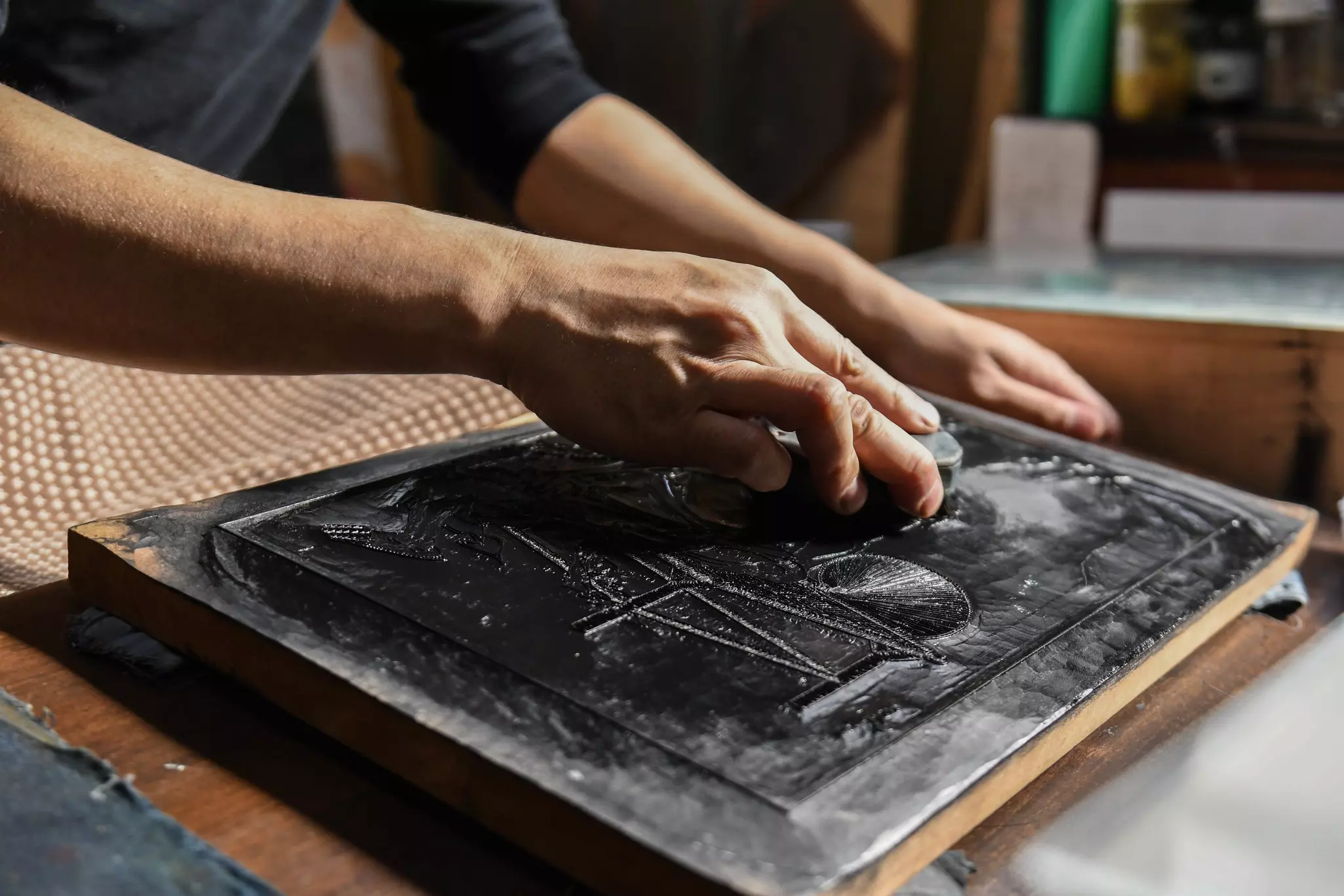
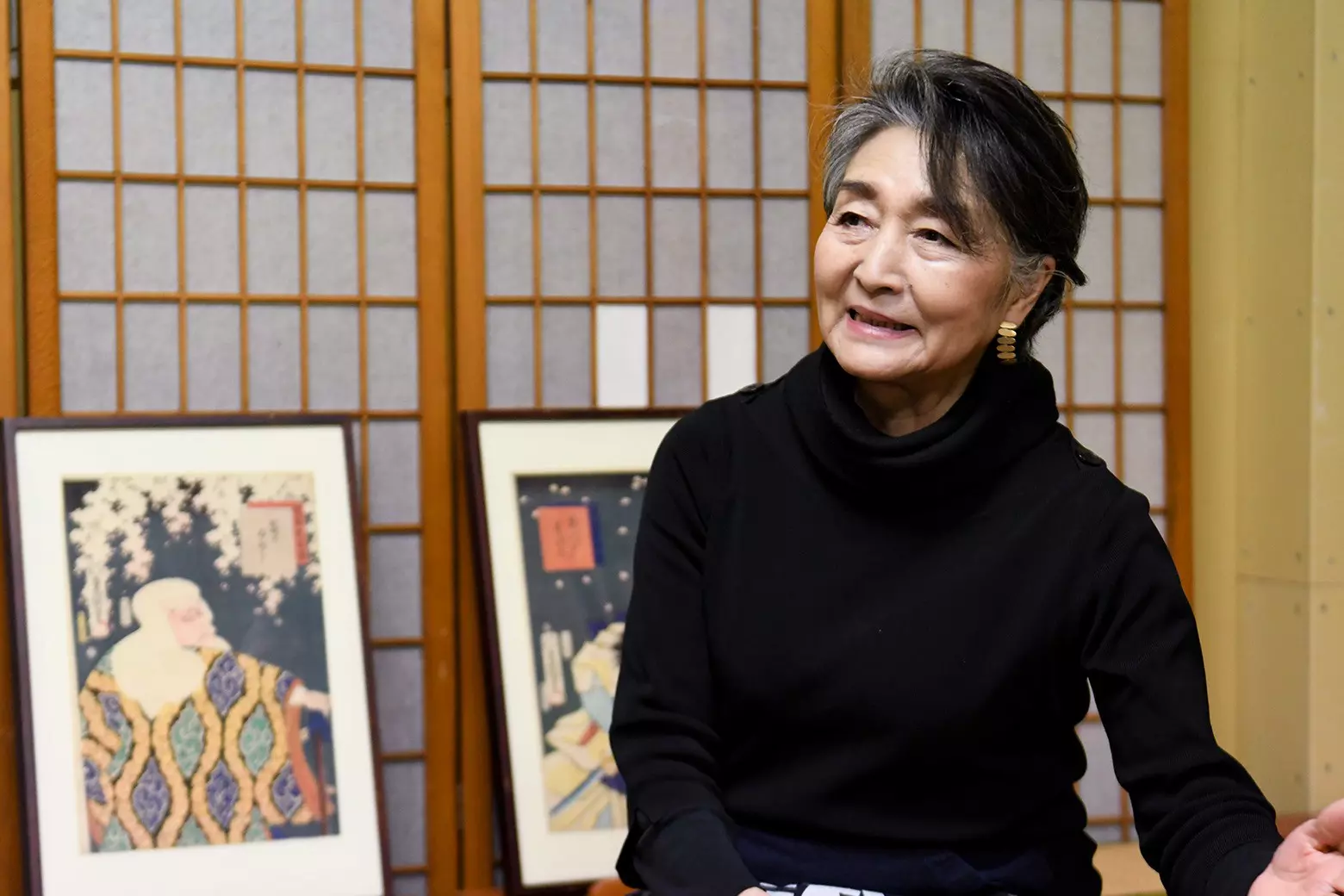
Yukiko Takahashi is the sixth generation of shokunin to head up operations at the 160-year-old woodblock print studio Takahashi Kobo in Tokyo's culturally rich district of Sumida. She is president of the Tokyo Traditional Woodblock Prints Association, and has spent decades understanding the different stages of woodblock printing. Today, she is the only woman in Japan with responsibility for reproducing woodblock prints, including for prestigious customers like the Tokyo National Musuem, Tokyo Metropolitan Government and British Museum.
In one Wabunka experience created in partnership with Takahashi, travelers are invited into the world of ukiyo-e, an art movement that flourished during Japan’s Edo period (1603–1867). Depicting urban life, actors, women and landscapes, the genre became hugely popular among the public thanks to the development of woodblock printing, which made a picture accessible for the same price as a bowl of soba (buckwheat noodles). Throughout the experience, travelers are supported by a professional guide, helping to translate and connect with the master.
The process begins with a painter, who creates the image. Next, a carver etches the outlines of the picture onto boards of mountain cherry, dried for several years to increase its durability. Depending on the complexity and number of colors used, carvers may need to create up to twenty different boards. Finally, a printer places washi paper made from mulberry fibers over each board in sequence and applies plant- or mineral-based pigments combined with glue, beginning with the lightest color and smallest areas to be printed, before applying pressure with a baren (a disc-shaped, hand-held tool) to transfer the ink to the paper.
At the 160-year-old printing studio (the oldest one remaining), Takahashi’s team guides Wabunka participants through the printing stage to reproduce a simplified version of Katsushika Hokusai’s renowned print The Great Wave, it becomes clear that creation of ukiyo-e prints is painstaking, requiring specialization at every step. Even more remarkable is that, as a government-certified preservation organization for conservation techniques, the studio uses only tools, substances and equipment that were used centuries ago. Travelers therefore gain insight into the work of the first woodblock printers and take home a truly authentic souvenir they made themselves.
Metalworking
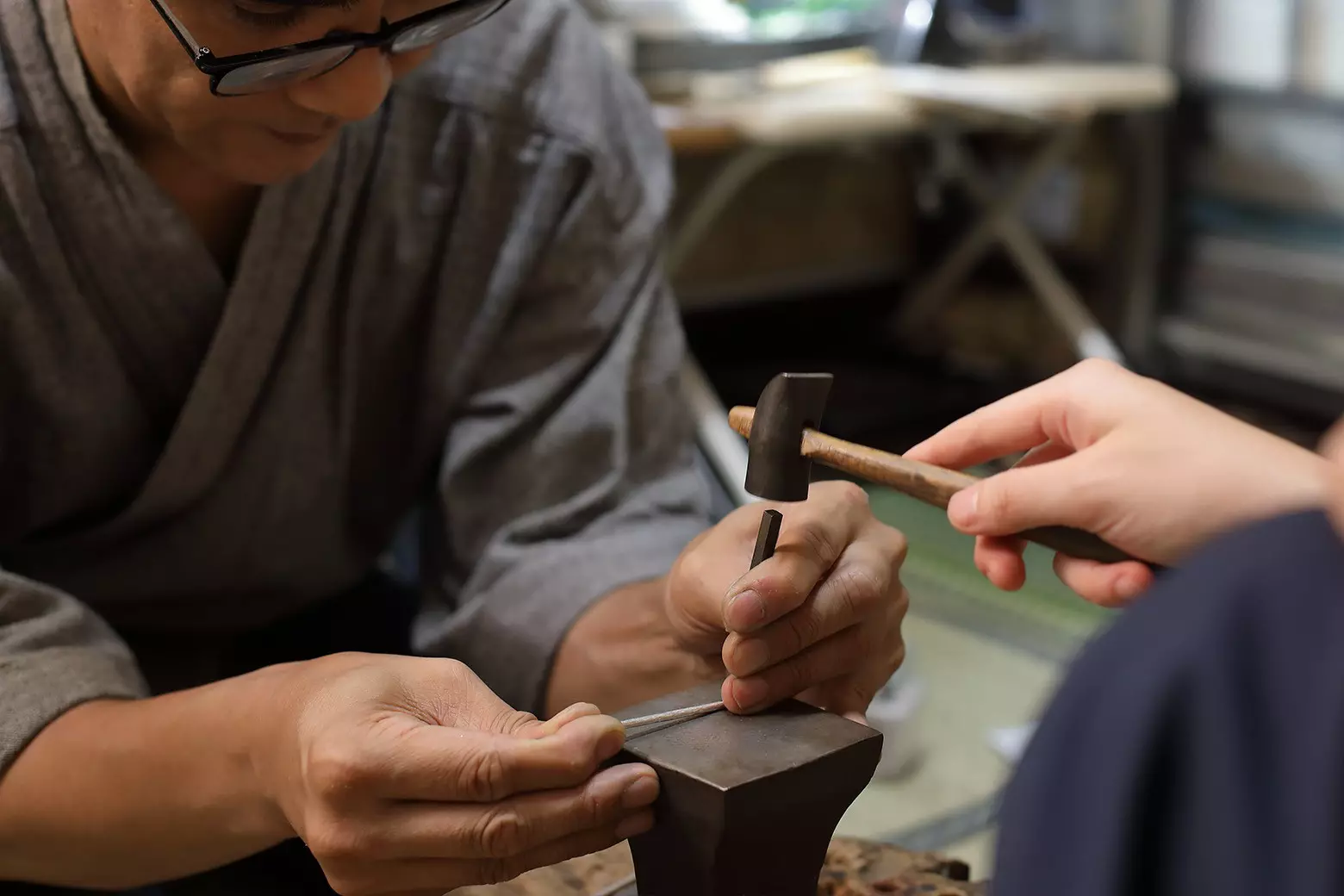
In historic Asakusa, meanwhile, twelfth-generation silversmith Yoshitsugu Kamikawa utilizes historic methods while initiating a new approach to silverware creation at his workshop Nisshin Kikinzoku.
Advertisement
Tokyo has been a significant center for silver production and craftsmanship since the Edo period, aided by the Tokugawa shogunate’s establishment of an official silver mint in Ginza in 1612. As demand rose for everyday silver goods, powerful wholesalers dictated designs and placed orders with silversmiths based on what they thought wealthy individuals would buy. At the same time, silversmiths became increasingly protective of their techniques, sharing them only with family members who would succeed them.
These trends remain largely unchanged to the present day, but Kamikawa believes silversmiths should be entrusted to dream up new items for customers and to share their skills with fellow shokunin, thereby supporting the future of silversmithing. At Nisshin Kikinzoku, whose first master began crafting with silver in the mid-19th century, he and his adult children make traditional spoons and sake cups, as well as innovative items like earrings and bookmarks.
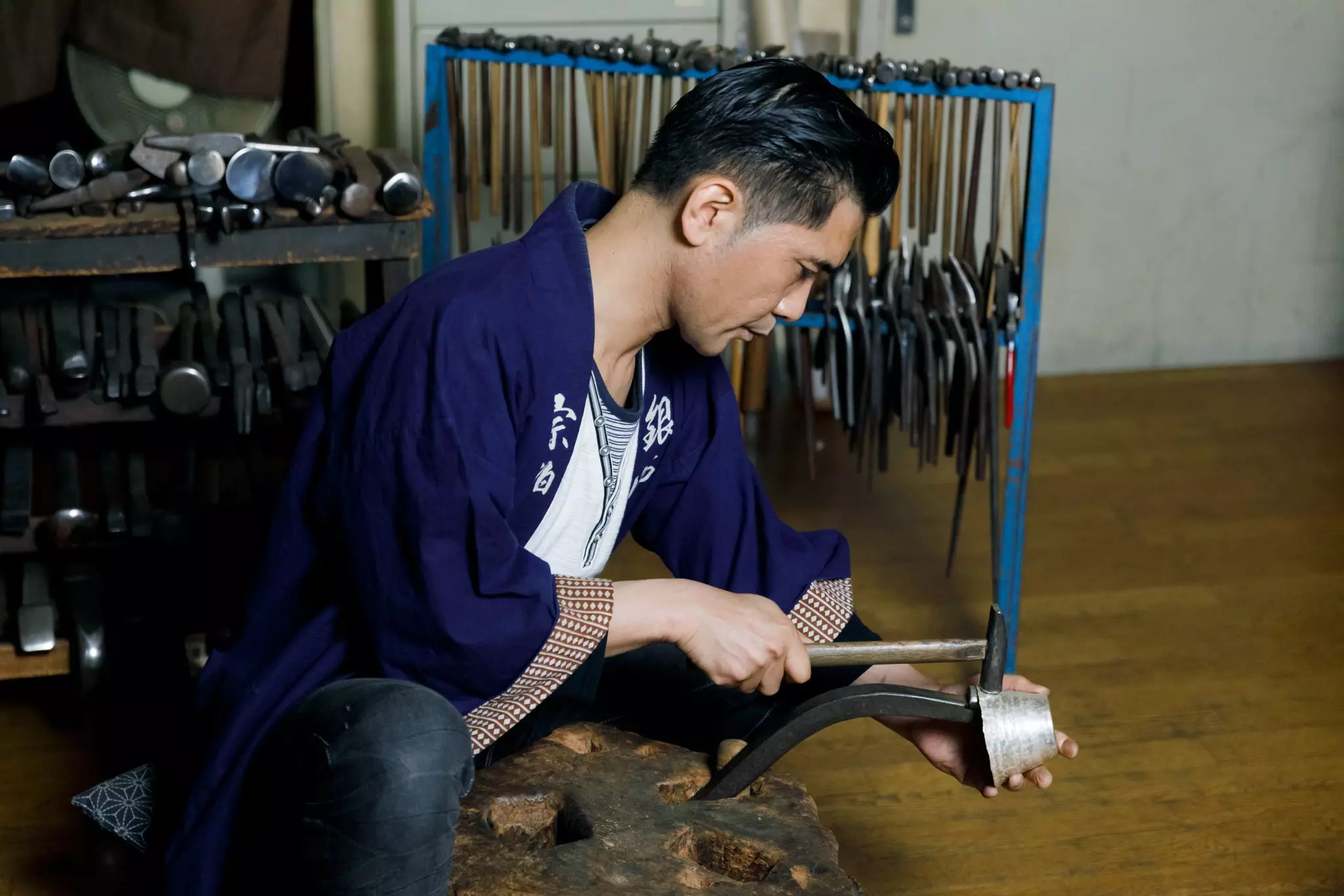
Each piece is crafted with 99.9% pure silver using techniques passed down from previous generations. Indeed, one of Kamikawa’s fondest memories is sitting in the lap of his grandfather and listening to the continuous tap of hammer against silver. It’s this action, combined with time, that bestows the metal with strength, texture and shine.
In a private Wabunka experience at Nisshin Kikinzoku, participants make a silver bangle by using various repetitive hammering methods, which date from the Edo period, on a thin strip of silver – with a professional guide assisting as needed to translate and explain each step. Next, Kamikawa guides in the use of a punch to create a personalized hallmark and custom shapes the bangle to the participant’s wrist. Finally, the bangle is burnished to create a high-luster finish and polished with a cloth, creating a sparkling, mirror-like appearance.
The wonder of this silver bangle, according to Kamikawa, is that regular handling – from both wearing and polishing – creates a soft, warm glow and distinctive look that becomes more unique to the wearer over time. It’s the epitome of the Japanese philosophies of yo-no-bi (beauty of use), the idea that beauty in crafts arises from their practical use in everyday life, and wabi-sabi, the aesthetic of finding beauty in natural processes, aging and impermanence.
Beyond the craftsmanship
Daily life and social customs
Traditional culture extends beyond ways of thinking to everyday actions as varied as lining up neatly for trains, adding the respectful word san to a person’s name and receiving a wet hand towel to refresh before meals.
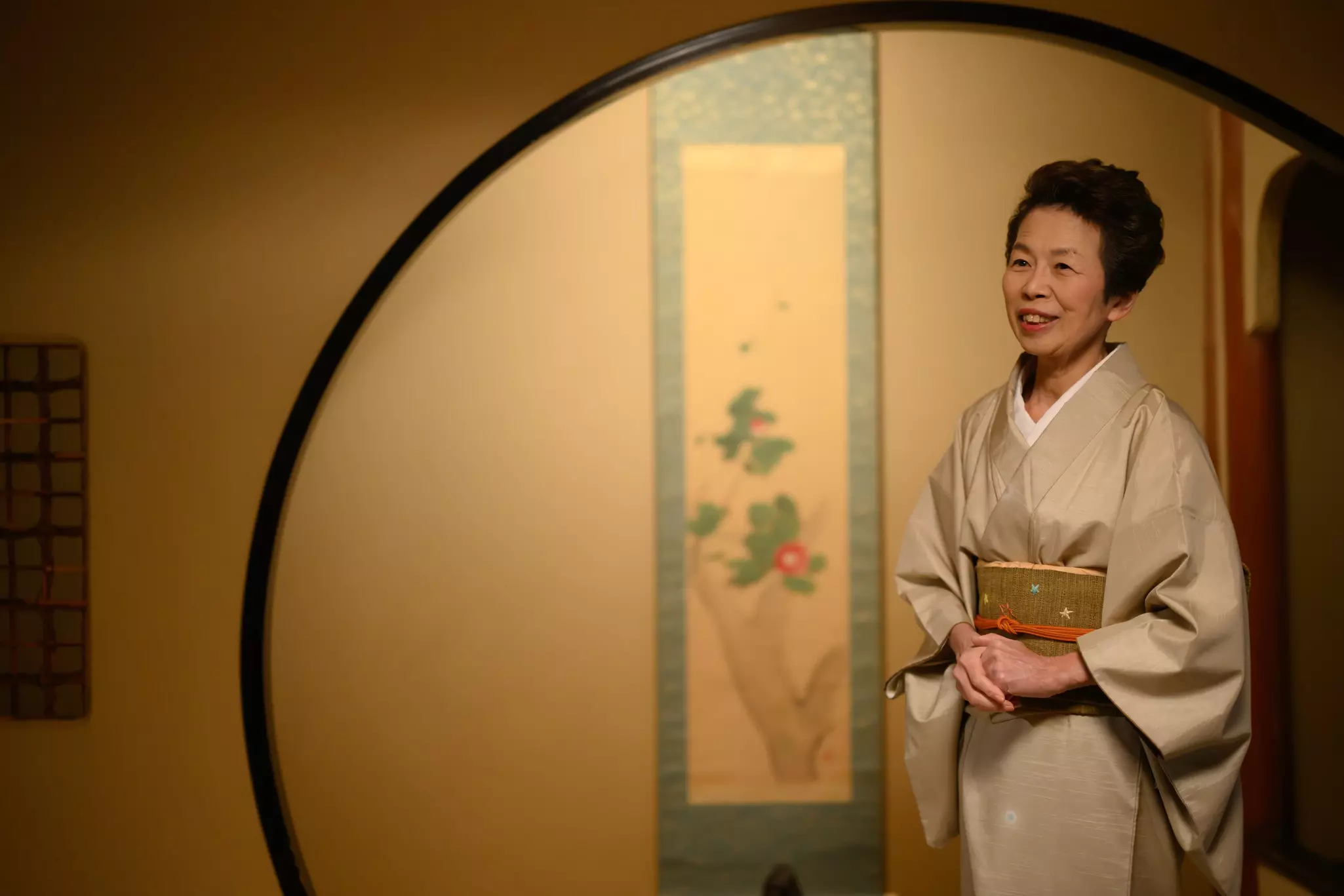
Perhaps most renowned is Japan’s omotenashi (hospitality), exemplified by the owners of traditional ryokan. It is evidenced in the attention to minute details, including the presentation of food and wrapping of purchases; the anticipation of needs before they are expressed; and the importance of interactions as part of the concept of ichigo-ichie (a once-in-a-lifetime moment), all without the expectation of a tip.
For instance, at a Wabunka experience in Kyoto, you can stay at the nearly 500-year-old Sumiya Ryokan, talk directly to proprietress Hiroko, and have a private tea experience as well.
Spiritual and religious traditions
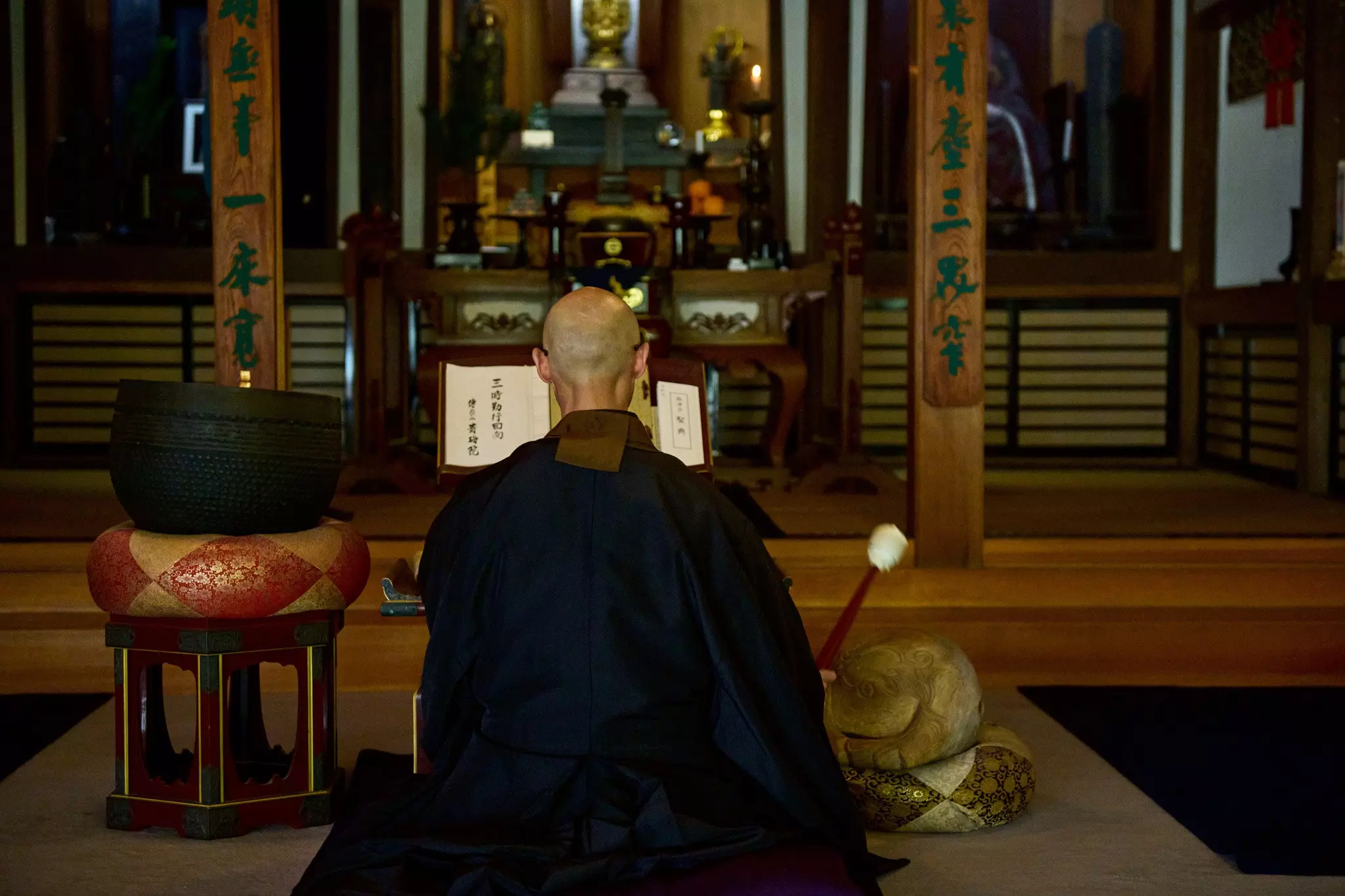
Shinto monks are the cultural custodians of the ancient and indigenous religious practice in Japan. You can learn directly from them, and experience zen in body and mind, in Fukuyama City, Hiroshima, where Wabunka has crafted an experience infusing art and tea with philosophy at the Shinshoji Zen Museum and Gardens.
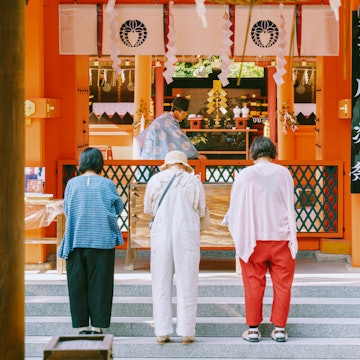
In Shinto, kami (deities) are believed to inhabit living things, such as animals and trees, reflecting people’s reverence for nature. Torii, the gates that mark the entrance to shrines, can often be seen in stunning natural settings, winding through forests as at Fushimi Inari-taisha in Kyoto or built in water like at Itsukushima Shrine on Miyajima Island in Hiroshima, symbolizing the harmonious union between human spirituality and the environment.
Culinary traditions
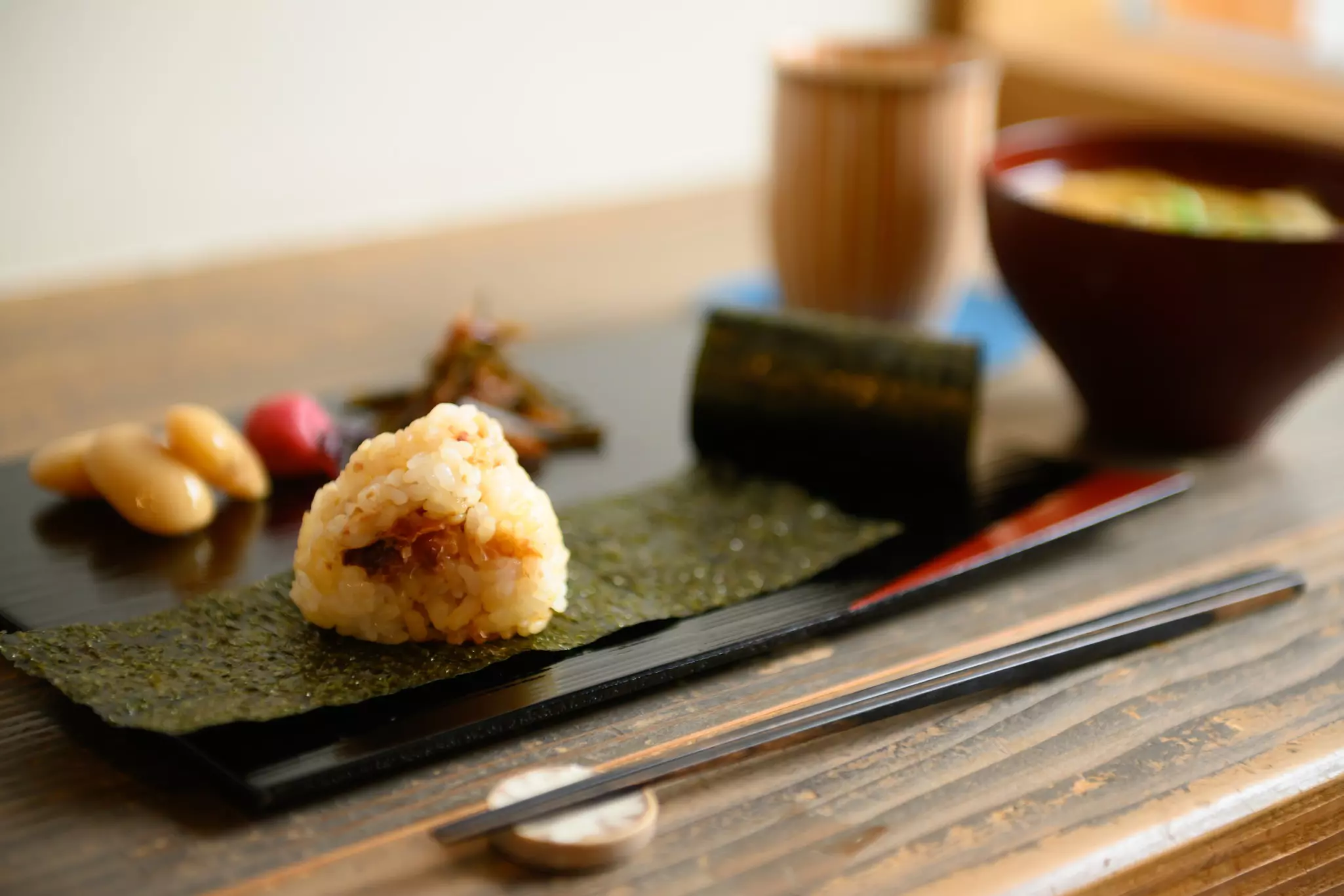
In 2013, UNESCO recognized washoku (Japan’s traditional cuisine) as an Intangible Cultural Heritage of Humanity not only for the food, but also its preparation, presentation and related traditions. Renowned chefs are building on the legacy of ancient ingredients and techniques, putting Japanese culinary traditions into the global spotlight.
In Kyoto, Wabunka has crafted a tasting and cooking experience at Uneno, a dashi dried goods store spanning four generations. Talking to the instructors and shop owners reinforces what Japanese people have always known: that culinary traditions reflect core cultural values. These include harmony, balance, simplicity, seasonality, gratitude, respect for resources, avoidance of waste and connection to festivals and rituals that honor community.
Martial & disciplinary traditions
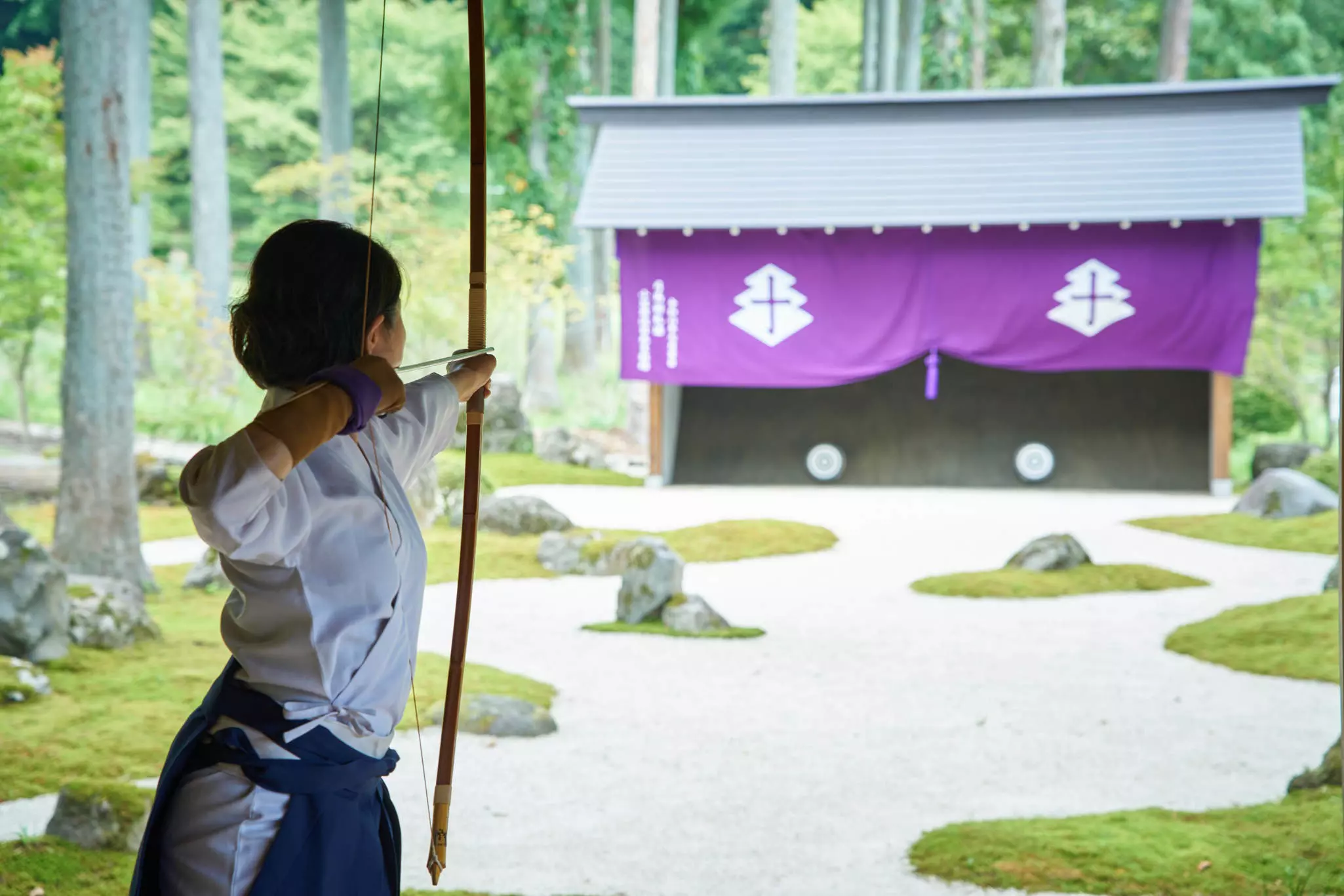
Shogun and samurai might belong to an ancient era, but the spirit lives on. The custodians of many of Japan’s martial arts, including judo, kendo, karate and aikido, preserve the essence of Japanese culture as they were born out of budo (the way of the warrior). This form of movement culture originated from the samurai’s moral code of Bushido, designed to polish character by fostering virtues like courage, respect and self-discipline.
In Nikko, a historic town with deep ties to Japan’s historical samurai government, Wabunka has crafted an immersion into kyudo and yabusame archery techniques. Grandmaster Kiyomoto Ogasawara and his team go beyond the movements and into the etiquette and conduct of the art, and you can also offer prayers and take a guided tour at the Nikko Toshogu Shrine.

Seasonal and festival traditions
Finally, overarching all these traditions is Japan’s consideration of its four seasons and their associated festivals. Spring, summer, fall and winter are celebrated with appreciation of their fleeting beauty (mono no aware); gratitude to nature; and their important role in honoring kami (deities), unifying communities and preserving traditional culture.
It would be hard to pinpoint exactly who the custodians of festival traditions might be, because there are so many and they're so varied. But a good place to start might be the masters behind the stunning pyrotechnic displays that often accompany local celebrations. In a Wabunka experience in Yamanashi, master craftsman of traditional fireworks Gen Sasaki will help you craft skyrocket fireworks and sparklers in the wabi tradition, and set them off under his watchful gaze.
Exploring the real Japan
Every region, every city, every discipline, has a different landscape, tradition, and culture – and people who sustain them. But they’re often hard for travelers to access. That’s where Wabunka comes in. With pre-designed and custom itineraries, it helps travelers put together a complete Japan experience from accommodations to cultural exploration, giving access to places, experiences and people they would struggle to plan or meet on their own.
For example, you could:
Explore the Seto inland sea with a tour of a historic soy sauce brewery led by third-generation brewer Yasufumi Okamoto, and an overnight stay at a private traditional inn.
Stay at a historic ryokan inn maintained by a family now entering its ninth generation, and taste local sake in Hida Furukawa, where history and nature intertwine
Stay amidst history, culture and local bounties at a traditional Kominka Folk Inn in Gokasho, Omi Merchant Town
Whether a traveler is embarking on their first journey to Japan or returning for the umpteenth time, Wabunka experiences reflect the rich and living culture of Japan. Crafted hand-in-hand with these custodians of culture, they offer deep dives into areas as diverse as traditional arts, craftsmanship, gastronomy and mindfulness. It's the perfect way to immerse yourself in traditional culture through hands-on experiences.
Advertisement
Take your Japan trip with Lonely Planet Journeys
Time to book that trip to Japan
Lonely Planet Journeys takes you there with fully customizable trips to top destinations – all crafted by our local experts.