Advertisement
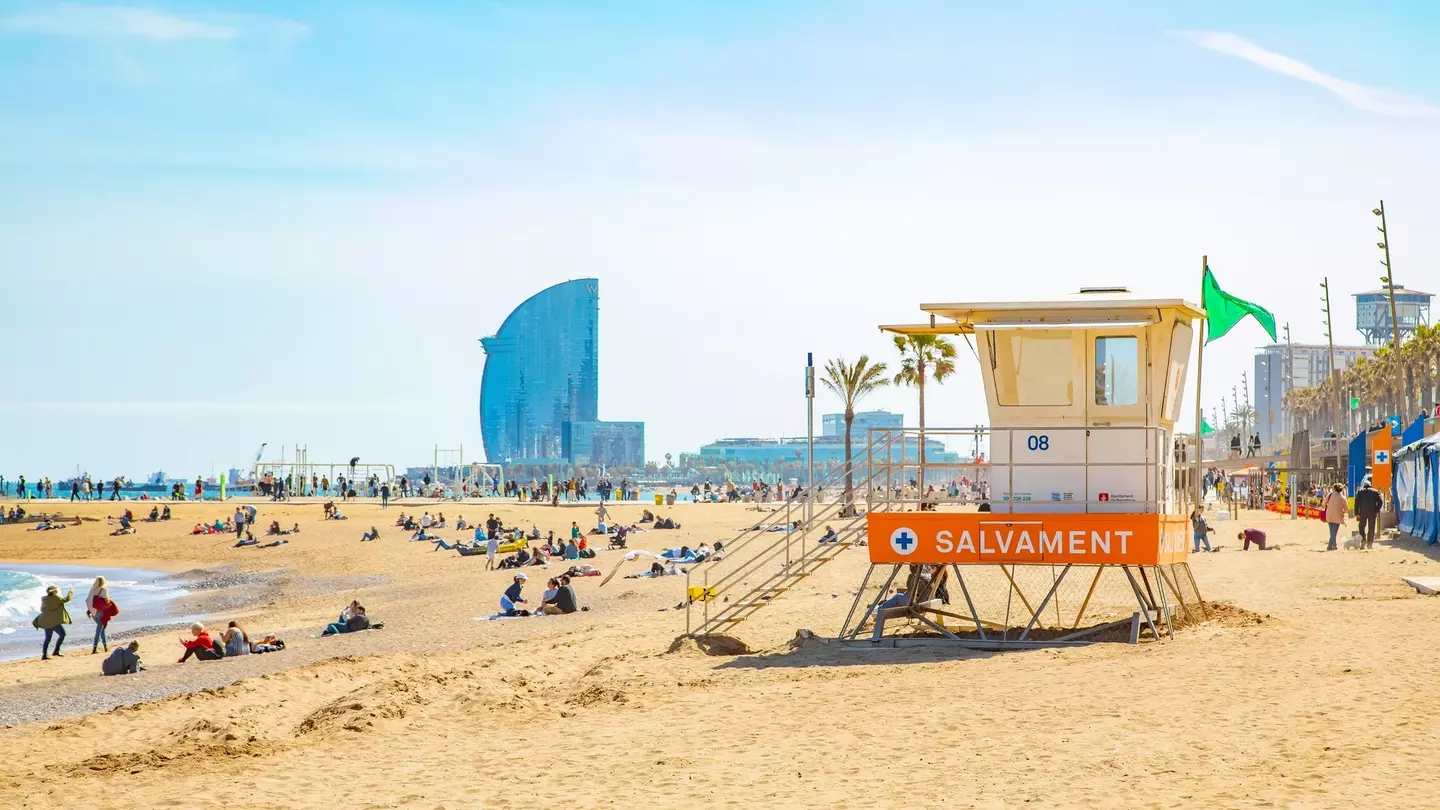
People on the sand at Platja de la Barceloneta in Barcelona, Spain. Arcady/Shutterstock
One of Europe's favorite city-break destinations, Barcelona is technically Spain’s second-biggest city, but it attracts almost as much attention as the capital, Madrid. Getting around in Barcelona is easy, thanks to a walkable city center and efficient public transport running to many of the top sights.
Whatever you plan to do when you get here, whether that's relaxing on the beaches, admiring the architecture of Antoni Gaudí, visiting museums or feasting on Catalan cuisine, you'll find it simple to get around. The center is fairly compact, and commuter trains, buses, trams and taxis can zip you further afield to sights such as the Sagrada Família, Park Güell and Montjuïc Hill.
Whether you're here for a weekend break or staying longer to explore in more depth, here's the lowdown on the best ways to get around in Barcelona, from riding the metro to bus and tram lines.
Advertisement

Ride the metro for fast and easy journeys around Barcelona
Run by two companies, the Barcelona metro is the easiest way to get around. The network covers most of the city and many of the main tourist sights, including the Sagrada Família, and it's a cost-effective way to explore, too. The ticket system is fully integrated, so the same ticket works for both operators.
The city's fast and efficient metro network is made up of 12 lines; most are operated by Transports Metropolitans de Barcelona (TMB), along with the Montjuïc funicular, but some lines are run by Ferrocarrils de la Generalitat de Catalunya (FGC). The network is split into seven zones, with most places in the center falling into Zone 1.
The metro can get you to every corner of Barcelona, with around 180 stations that extend from the center into the suburbs. Trains run from 5am to midnight from Sunday to Thursday, until 2am on Fridays, and all night on Saturdays, so it's a good option for a night out in Barcelona.
A single ticket costs from 2.90 euros (€), but if you’re going to be traveling around a lot, you can save money with a T-casual card that gets you 10 journeys for €13. Transport cards can be purchased from machines in the city's metro stations and can also be used on the buses, trams, Rodalies and FGC trains. Machines take payment by card and you can select a menu in English; to ride the metro, validate your ticket at the turnstiles.
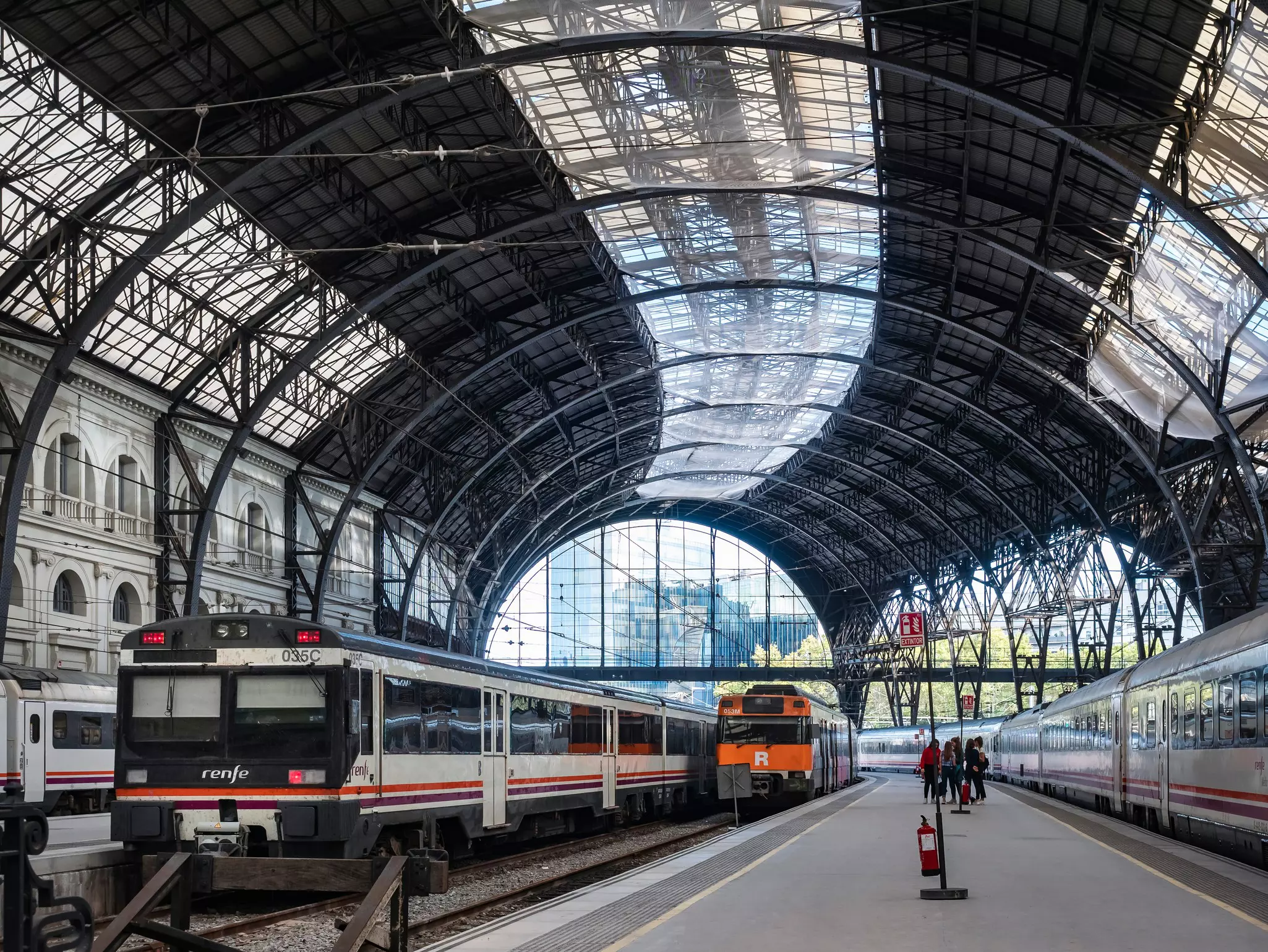
Take the Rodalies train to get across the city quickly
If you need to get across the city quickly, skipping over several metro stops at once, the commuter trains run by Rodalies de Catalunya are your best option. The main Rodalies stations that are useful for visitors are Sants, Passeig de Gràcia, Estació de França and Estació d’Arc de Triomf, with routes fanning out across the city. Prices are similar to the metro for rides in the center.
Rodalies trains also run throughout the Catalunya region, making it easy to take day trips to other towns and explore the countryside or visit nearby beaches. Be aware that a ticket for Zone 1 can't be used for travel outside the center; for longer trips, you will need to buy a separate ticket from a ticket machine.
Advertisement
Trains are the most convenient way to reach the airport
Rodalies trains are also the quickest way of reaching the airport, although you will need to buy a separate €5.90 airport ticket. The airport line R2 runs to Passeig de Gràcia and Sants, taking 22 to 30 minutes to reach the center. Metro trains on Line 9 Sud also serve the airport, and also require a dedicated airport ticket.
Other options include (quite pricey) taxis and the Aerobús, which runs every 5 minutes to Plaça de Catalunya from around 5:30am to 12:30am, taking around 35 minutes to reach the center. A one-way ticket costs €7.45. If you arrive on a cruise ship, the T-3 Portbus connects the terminals to the center, or you can take a taxi.
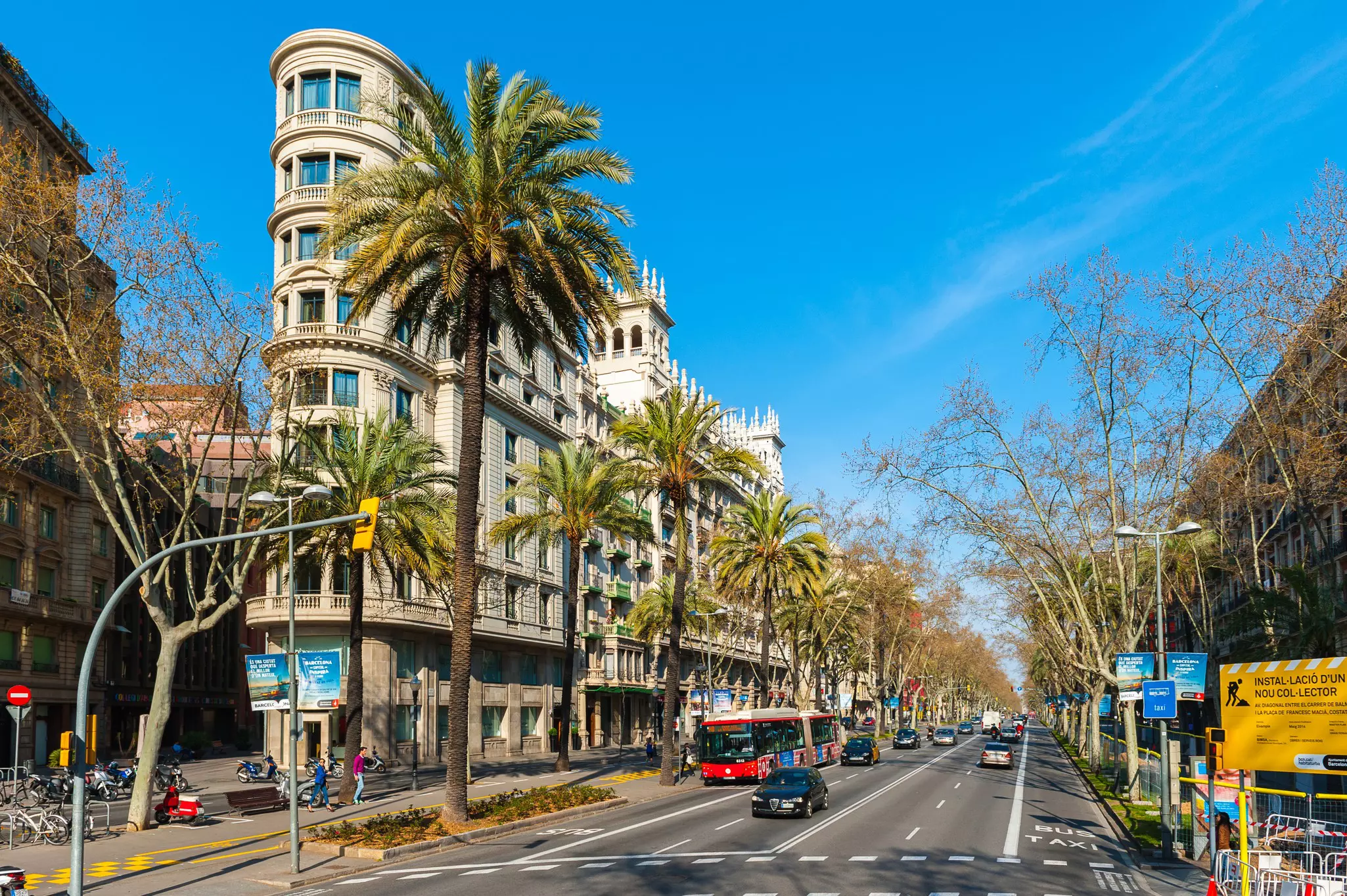
Buses cover non-metro areas and run all night
Buses are handy in areas where the metro stops are few and far between, or if you’re trying to get from the coast to locations inland, and they use the same integrated tickets as the metro. They’re particularly useful when getting up to Park Güell or down to the beach areas, and the streets around Poblenou and Diagonal Mar. Bus timings are similar to the metro, with slightly fewer services running on weekends.
Night buses are the best way of getting around after the metro and day bus services have stopped. They run all through the night from around 10pm to 6am. All-night bus lines pass through Plaça de Catalunya, so this is the best place to head to if it’s late and you need to get back to your hotel.
Trams can get you to some of the beaches
Trams are another option in Barcelona, using the same integrated tickets as the metro and buses, though the network is much reduced from its heyday. The Trambaix system has three lines connecting Plaça Francesc Macià to the towns of Esplugues de Llobregat, Cornellà de Llobregat, Sant Joan Despí, Sant Just Desvern and Sant Feliu de Llobregat.
The Trambesòs network also has three lines, connecting Barcelona with Sant Adrià de Besòs and Badalona. Trams run from 5am to midnight Sunday to Thursday, and until 2am on Friday and Saturday. For visitors, trams are most useful for reaching Diagonal Ave (and the beaches near Diagonal Mar) and the Glòries neighborhood.
FGC trains will bring you to the Zona Alta
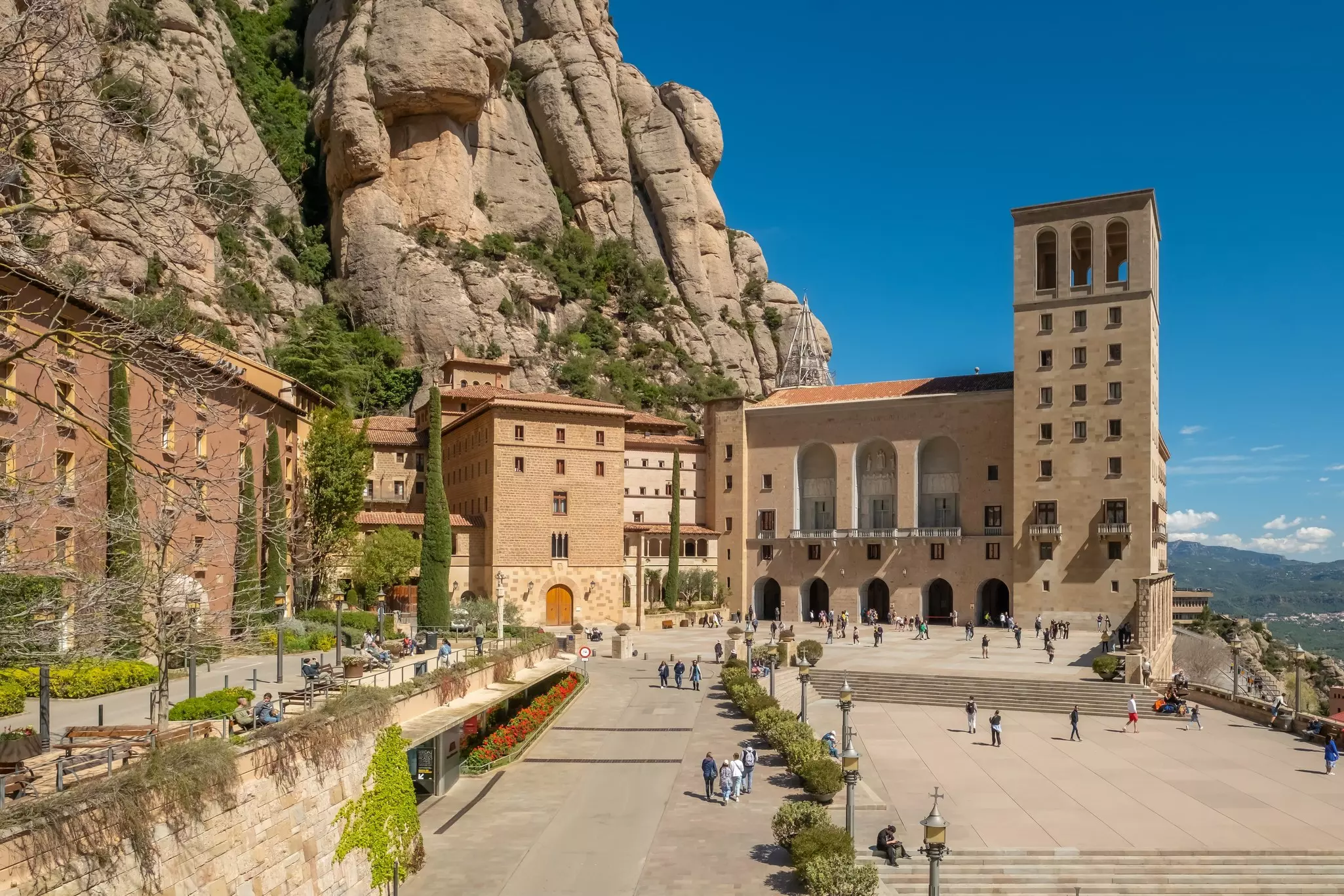
As well as the Rodalies, Barcelona also has suburban trains operated by FGC, which run from Plaça de Catalunya to Zona Alta neighborhoods such as Sarrià on the edge of the Serra de Collserola hills – handy if you're heading to the Reial Monestir de Santa Maria de Pedralbes – and to nearby towns beyond the city limits.
Trains also run from Plaça d'Espanya to towns southwest of the city. This is also where you’ll take the train to reach Montserrat and its famous monastery. You can use the same ticket as for the metro, provided you complete the trip inside Zone 1; if you go out to another zone or visit towns outside Barcelona, you will need to buy a separate ticket from a station ticket machine.
Rent a bike for short hops in Barcelona
Barcelona has a popular bikeshare scheme known as Bicing but it is set up for locals and no subscriptions are available for tourists. To explore the center, you can hire a bike from bike-tour operators such as Ocean Dream and Terra Bike Tours and some bike shops. Alternatively, a suburban system known as Ambici operates in 15 municipalities beyond the center, with passes covering unlimited journeys of less than 30 minutes for 1 to 3 days, costing from €5.
Use alternative modes of transport for epic views
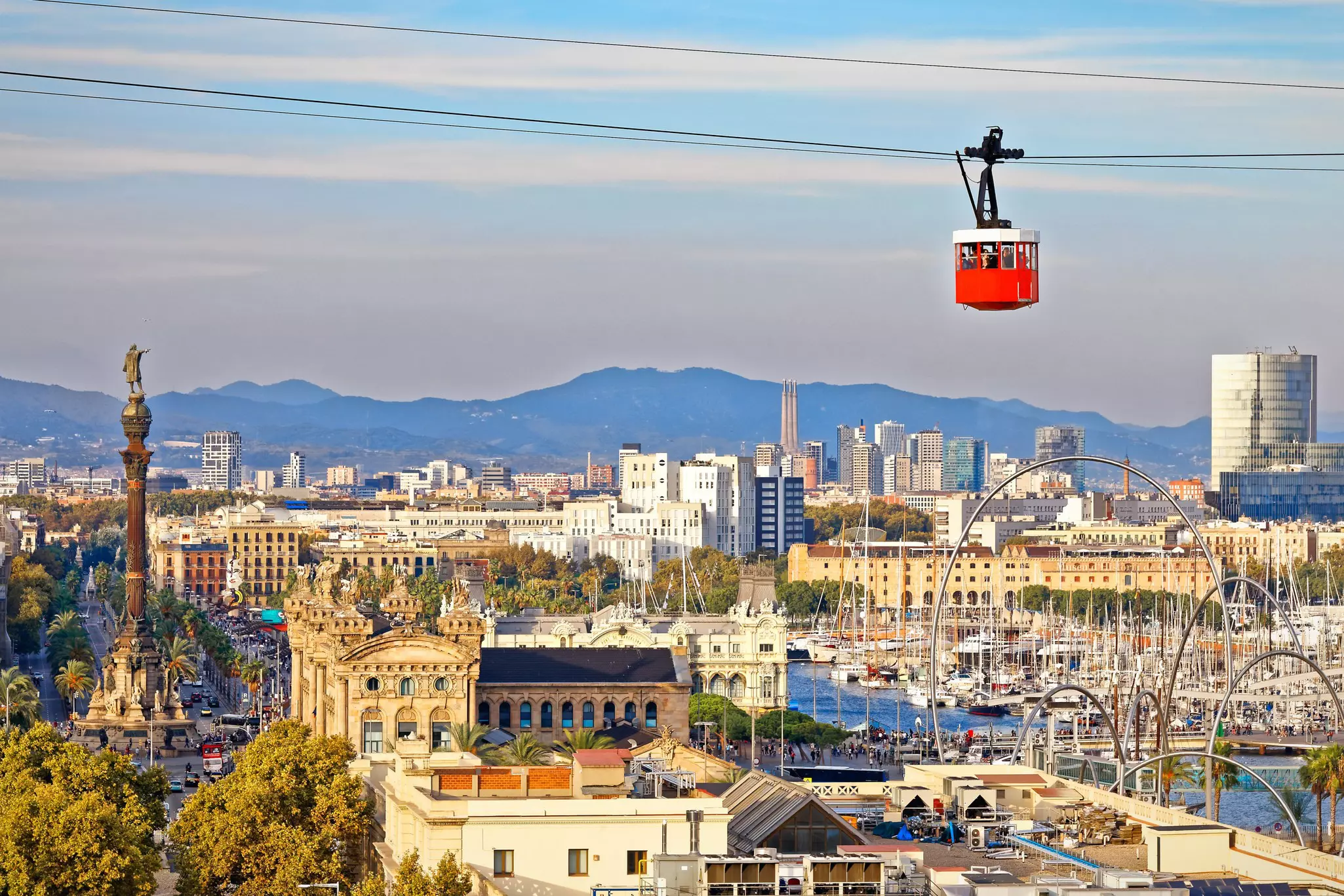
Barcelona offers a couple of fun ways to get up to higher elevations. Take the Telefèric Barcelona cable car from the port to reach Montjuïc Hill with its many museums and sports facilities from the 1992 Olympics. Montjuïc also offers some of the best views of the city. A second cable car takes you from the slopes of Montjuïc Hill up to the castle at the very top. You can also reach Montjuïc via the TMB funicular train, which leaves from the Paral·lel metro stop (on the L2 and L3 lines).
Funiculars can also take you up into Parque Natural de Collserola, surrounding the upper parts of the city. The Vallvidrera Funicular departs for the town of Vallvidrera from Peu del Funicular in the neighborhood of Sarrià. Another funicular line connects San Gervasi with Mount Tibidabo, with its old-fashioned amusement park and fascinating church.
Uber is a little different in Barcelona
While Uber operates in Barcelona, it works very differently from how you may be used to in other countries. You can use the app to book and pay for a ride as normal, but only registered drivers of conventional taxis are allowed to offer rides.
Not all taxi companies in Barcelona are signed up to Uber and there are regular protests against it; the Cabify app is a good alternative that works here. If you want to find a cab without using an app, you can telephone the city's taxi companies or flag down a taxi in the street – they're easy to spot with their distinctive black and yellow livery.
Accessible transportation in Barcelona
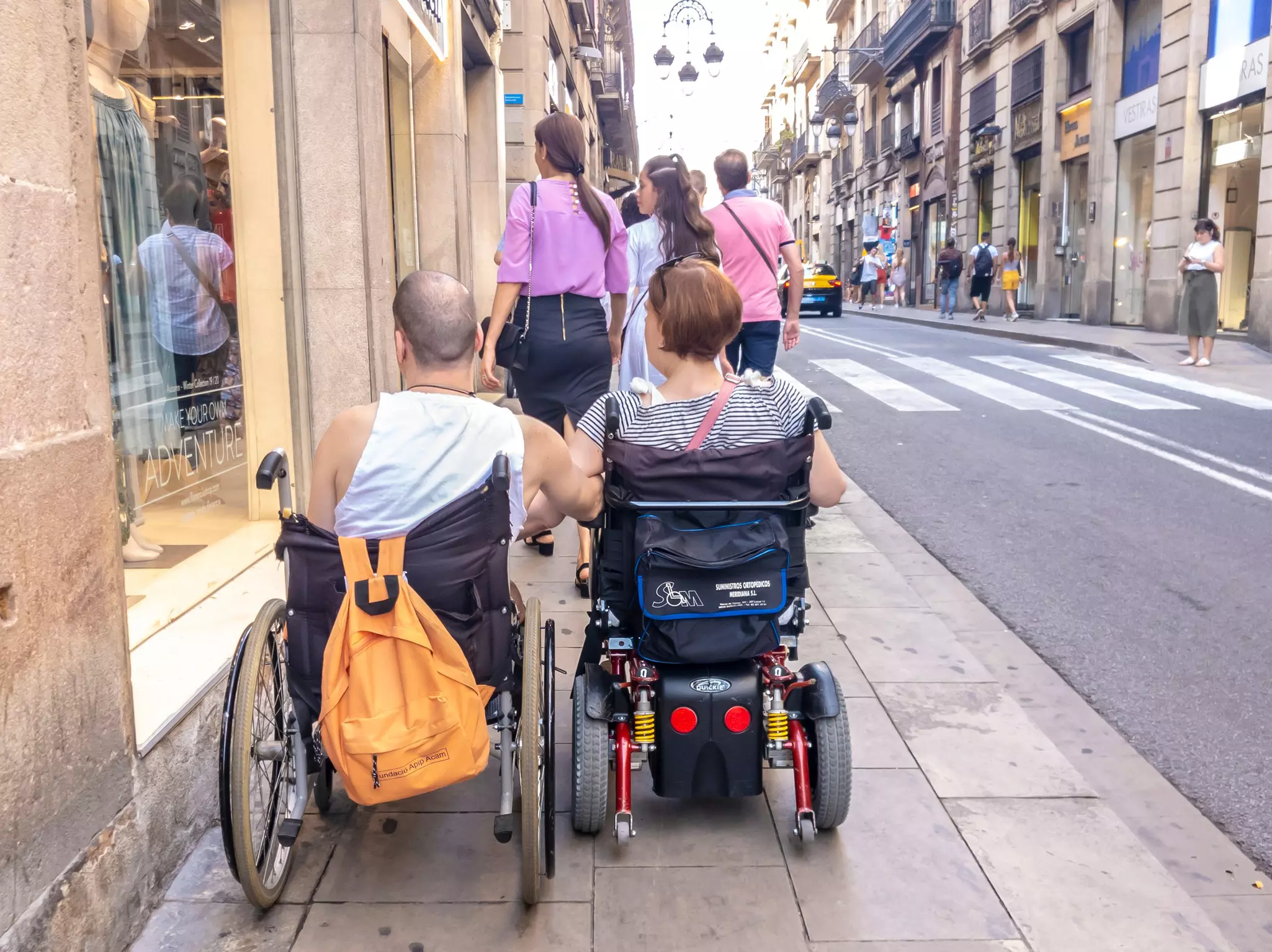
Barcelona’s public transport system is very accessible and easy to use – elevators and ramps for wheelchair users, route indicators for blind people, braille maps and voice navigation systems have been rolled out in many areas. There are currently only 9 metro stations that are not accessible, and city buses have ramps and dedicated spaces for wheelchair users. Barcelona Tourism has some useful online resources for travelers with disabilities.
Transport passes
If you’re in Barcelona for a city break and plan to travel a lot by public transport, the Hola Barcelona Travel Card covers unlimited trips on buses, trains, trams and the Montjuïc funicular for 2, 3, 4 or 5 days, with one return trip to the airport included. Cards cost from €18.70 for two days.
Advertisement