Advertisement
8 of the best places to visit in the Dominican Republic

Jackie Gutierrez-Jones
Dec 7, 2025 • 7 min read
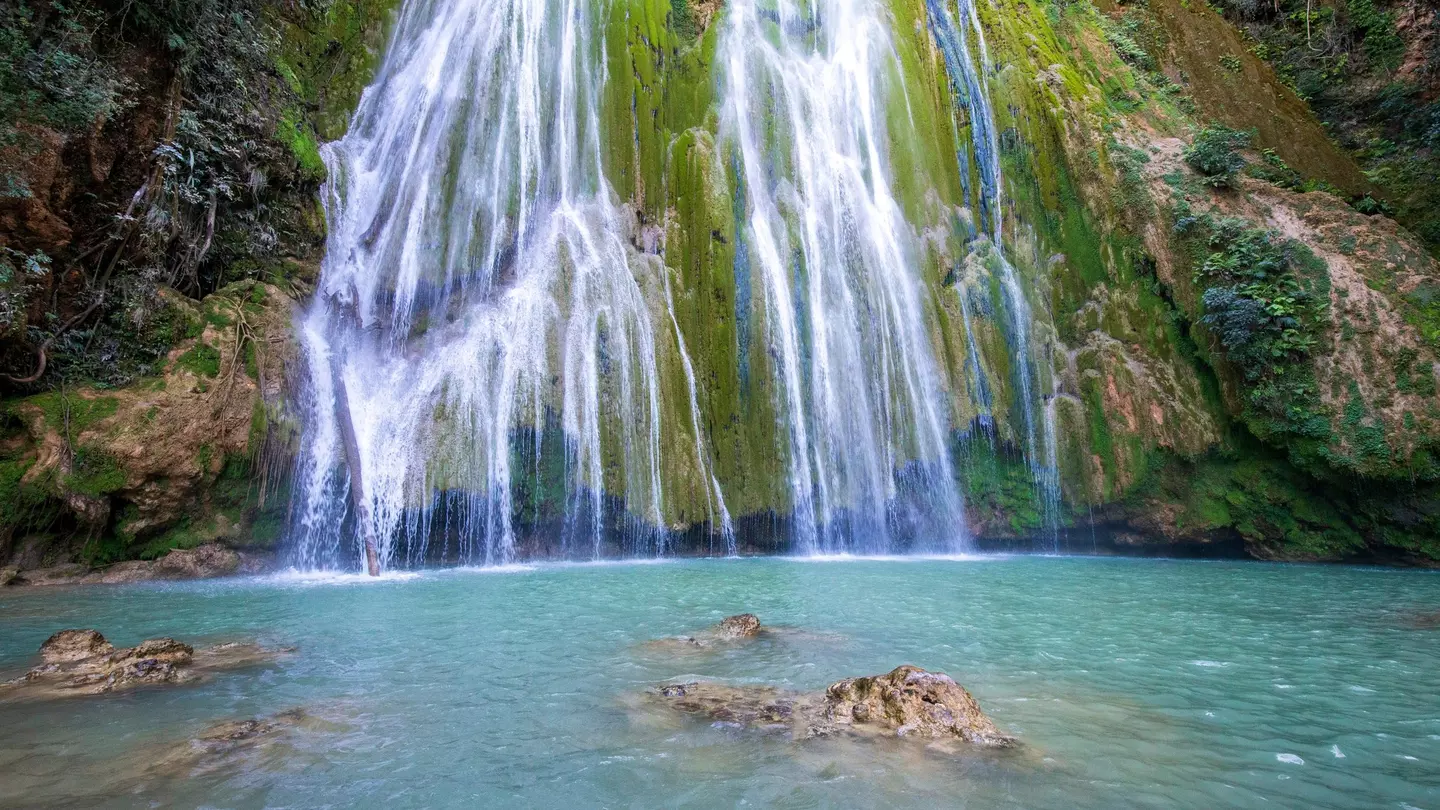
Cascada El Limón in the Dominican Republic. Piper VanOrd/Shutterstock
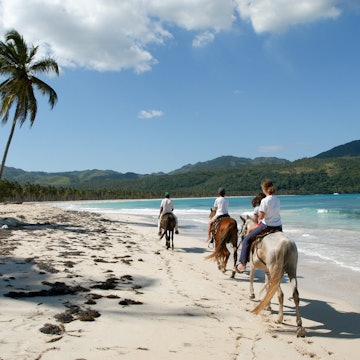
With rollicking turquoise waves, swaying palms over sandy beaches and some of the finest rum on the planet, the Dominican Republic is as famous for its natural beauty as its abundant all-inclusive resorts.
After settling on the best time for your visit to the DR – stay mindful of the Atlantic hurricane season from June to November – you'll find no shortage of accommodations offering swim-up bars that are perfectly willing to keep you occupied for hours and hours of serenely lounging by the water. But to truly experience the best of the DR, actually leaving hotel property is required.
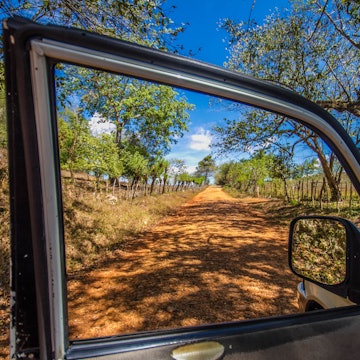
Spend some time in major cities like Santo Domingo and Santiago de los Caballeros to sample the island's culture. Then those visitors who venture off the beaten path and explore less-developed enclaves are rewarded with waterfalls, whale watching and flora-filled rainforest hikes.
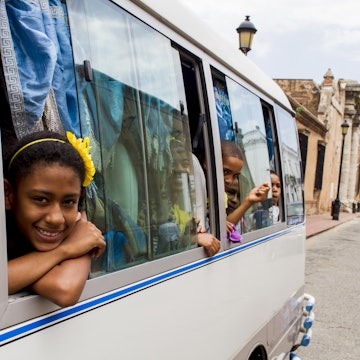
National carrier Arajet is expanding its low-cost routes between the DR and Puerto Rico and the DR and USA, and traveling from region to region is fairly common; you’ll see Dominicans commuting for business, visiting family around the country and navigating their way to school and work. Taxis can be found just about everywhere, and ridesharing services are available in three major cities: Santo Domingo, Santiago and Puerto Plata. Public buses are an affordable and memorable way to experience island life.
Advertisement
If you aren't sure where to begin your trip, here are eight of the best places to visit in the Dominican Republic.
1. Punta Cana
Best for all-inclusive resorts
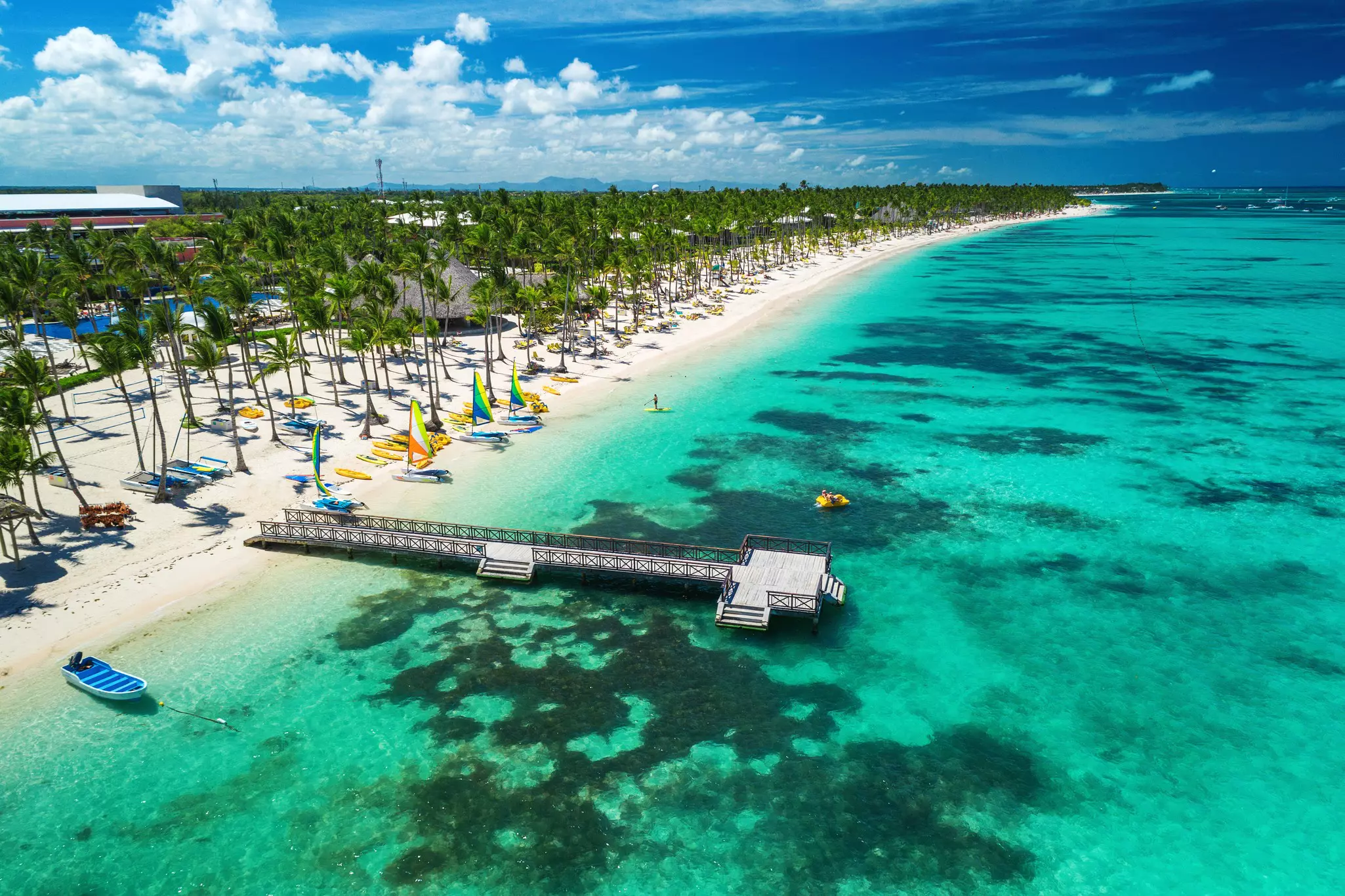
For many people, when they think of the Dominican Republic, it’s Punta Cana they have in mind. The resort capital of the island has an avalanche of all-inclusive resorts catering to the bottomless-bar set.
But beyond the tourist-focused, theme-park-level accommodations, Punta Cana has beaches that rival some of the Caribbean's best. The 97km coastline faces both the Atlantic and Caribbean, inviting you to hop on a catamaran, go deep-sea fishing or get lost in a book while baking under the warm sun.
Planning tip: The area's party scene pulsates late into the night, thanks to the resorts’ casinos and clubs.
2. Santo Domingo
Best for urban culture
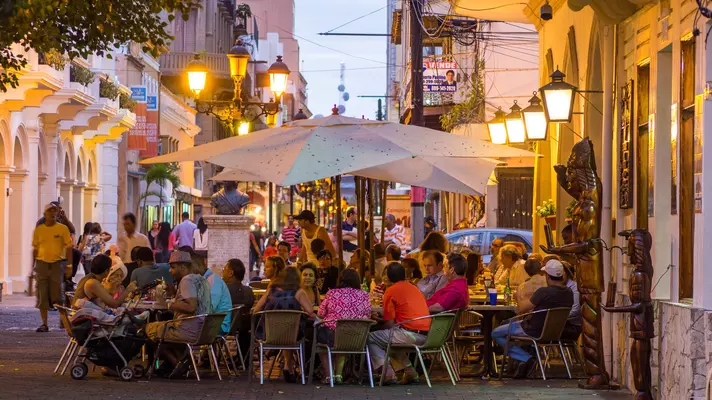
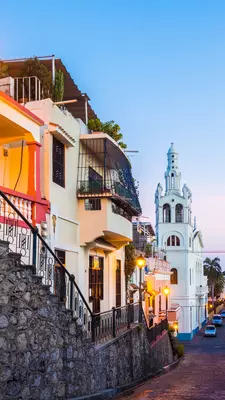
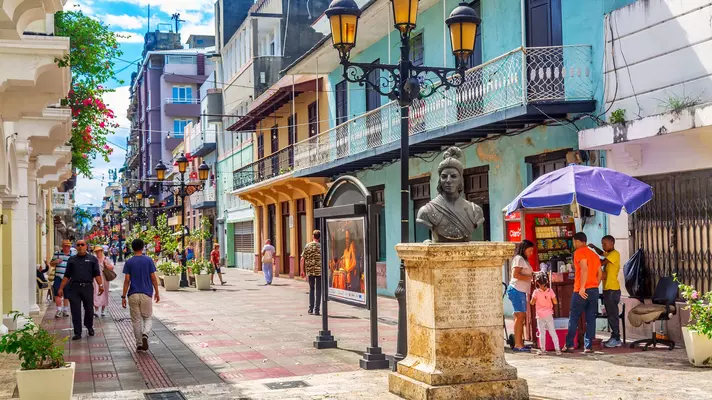
The gritty hustle and bustle of city life collide with vibrant Dominican culture in El Capital, Santo Domingo. It’s one of the Caribbean’s oldest cities, making it ideal for history aficionados looking to dive into the country’s past.
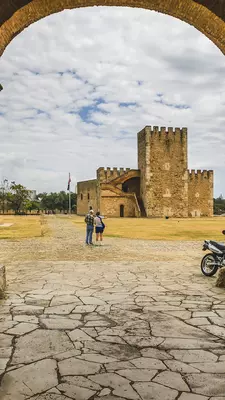
In Zona Colonial, in the city's center, the island's oldest church, a European fortress, a monastery, a university and a hospital await. But step outside the cobblestone streets of the Zona, and you'll embark on a metropolitan joyride, with elegant restaurants, raucous nightclubs and plenty of cultural institutions to add to your itinerary.
Planning tip: Reserve a table at the elegant El Mesón de la Cava for dinner in an ancient Taíno cave, and afterward, hit the edgy, strobe-lit club Jet Set; Onno’s, a local bar chain, is also popular for a casual night of beer and cocktails.
3. Samaná
Best for whale watching
Advertisement
The Península de Samaná is where the unspoiled natural beauty of the Dominican Republic mingles with friendly small-town sensibilities – a stark contrast to the glitzy resorts of Punta Cana and the bustling grind of Santo Domingo.
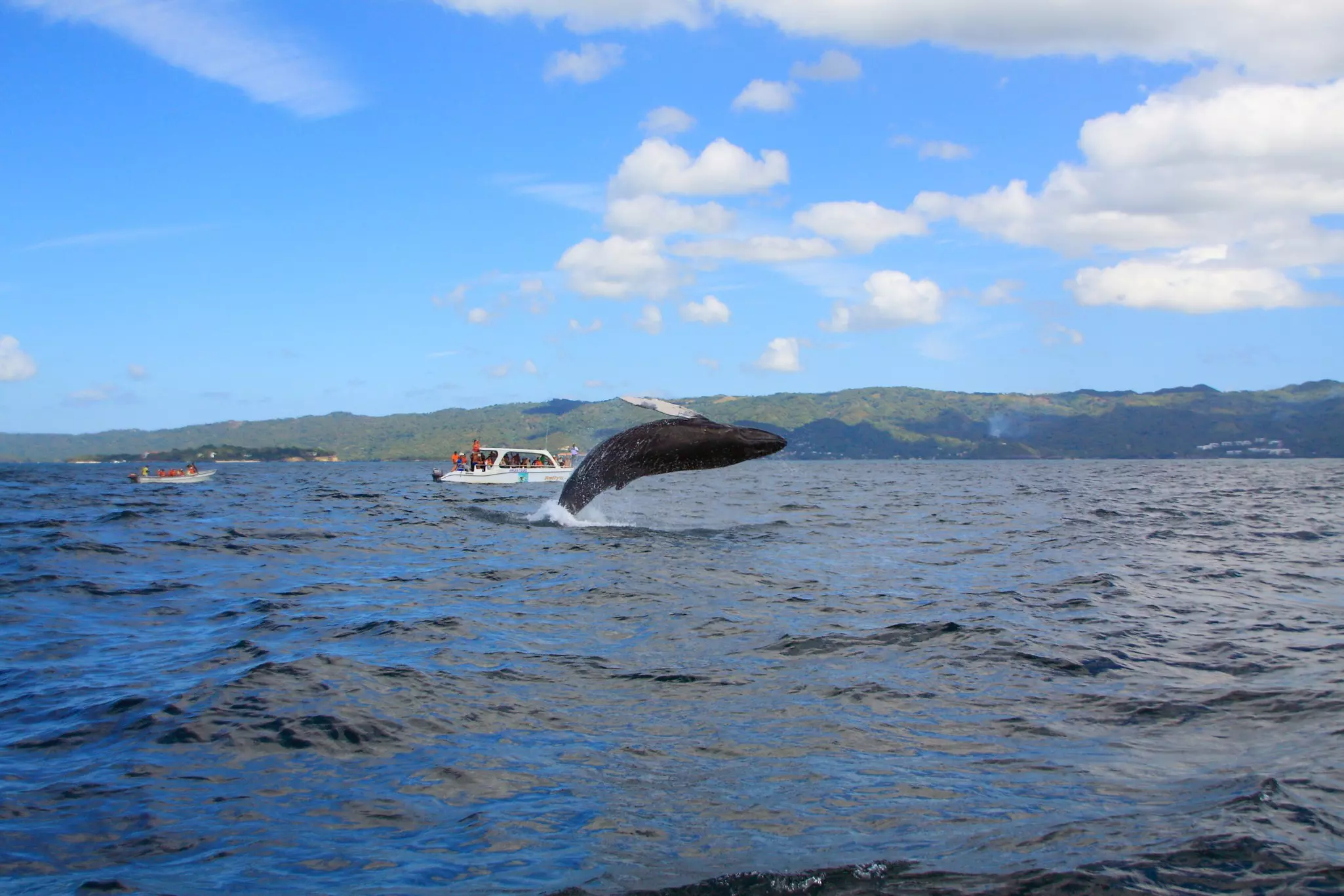
The capital of this peninsular province is the eponymous Samaná, located in northern Samaná Bay. Ecotourism is predominant here, with one major star attraction: whales. The best time to go whale watching is between January and March, when thousands of humpbacks descend upon the bay to give birth to their calves.
El Museo de las Ballenas in the neighboring town of Salinas is an attraction in its own right, with guided tours of marine mammal exhibits, handcrafted souvenirs and a full 12m skeleton of a humpback whale found along the rocky coastline between Las Galeras and Santa Bárbara de Samaná in 1993.
Detour: Parque Nacional Los Haitises covers 1600 sq km of rainforest with rocky hills, multiple bays, ancient Taíno caves with pictographs, karst islets, sinkholes and tangled mangroves. Its knolls formed up to 2 million years ago, when tectonic drift buckled the thick limestone shelf that had formed underwater. It’s a worthy day trip by boat from Samaná; excursions often include hiking, kayaking, zip-lining or boating.
4. Sosúa
Best for partying
By day, Sosúa is your typical sleepy beach town: large swaths of sandy shores gently lapped by the Atlantic’s cerulean waves. It’s also the island’s dairy and cheese capital, courtesy of a 1938 presidential decree that allowed 100,000 Jewish refugees to settle here. Some 800 people took up the offer and launched a dairy and cheese factory, many of whose products you can still purchase today.
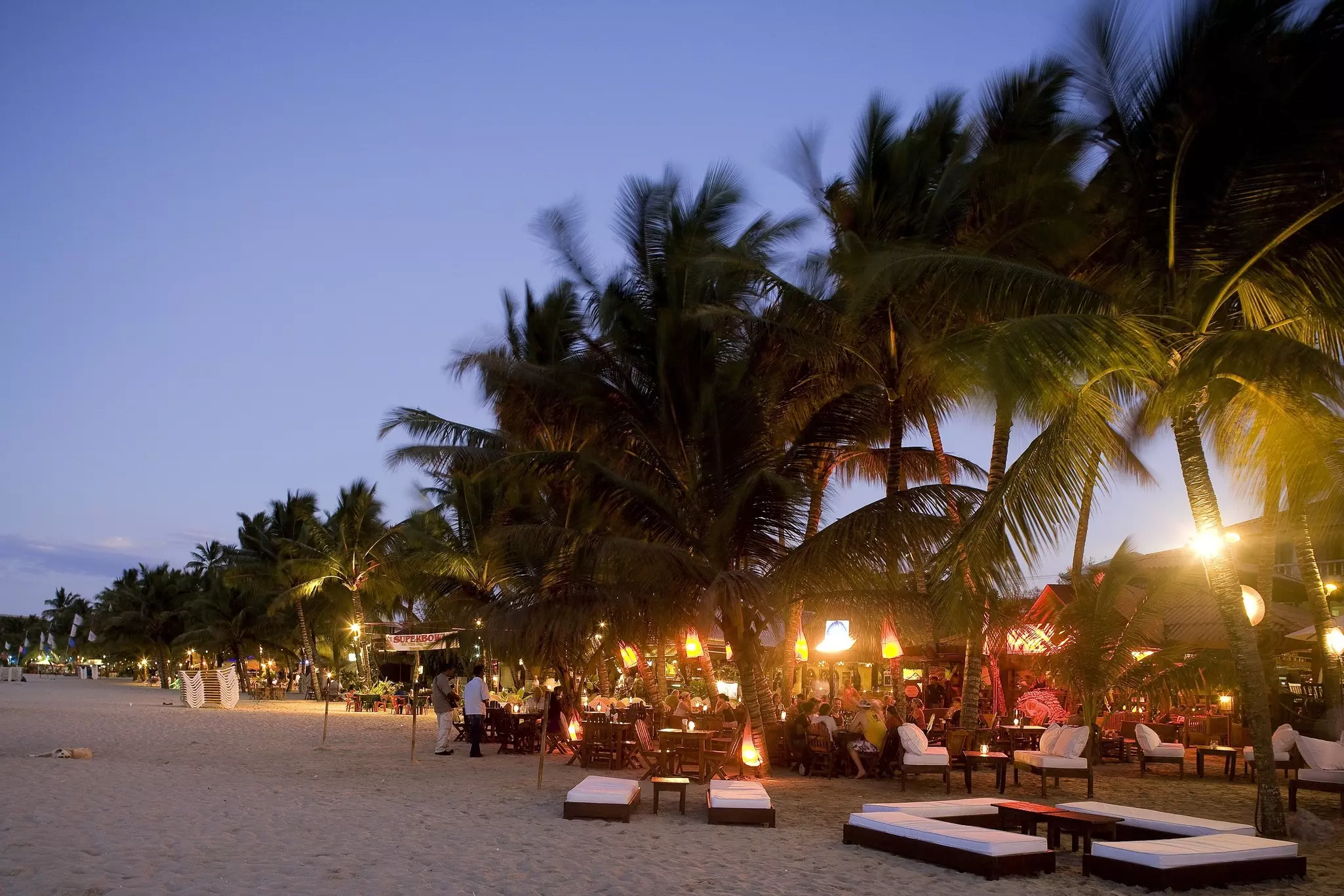
While this all seems quite bucolic and mellow, Sosúa by night is an entirely different beast. After dark, the main strip (Calle Pedro Clisante) closes to traffic. Revelers spill onto the streets from the bars, lounges and nightclubs, many of which feature local live music, including the Blue Ice Piano Bar and the favored Jolly Roger.
Planning tip: The area is also known for sex tourism. Dominican and Haitian sex workers have approached and propositioned tourists in the area, so practice a fair amount of caution.
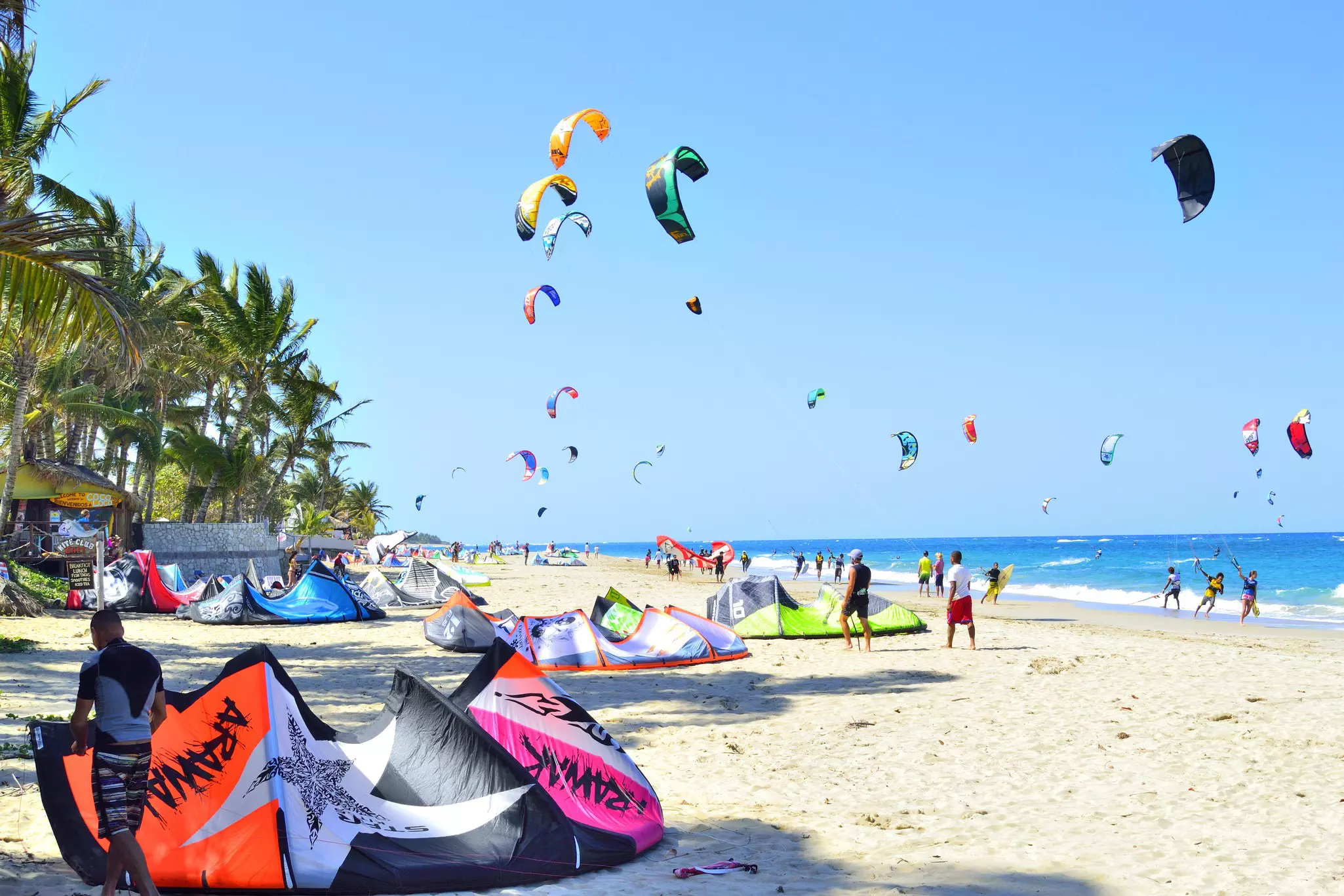
5. Cabarete
Best for water sports
Sure, sipping cocktails by the beach is nice. But there’s only so much relaxing you can do. When you’re ready to shift your vacation into high gear, set your coordinates for Cabarete, a beach town on the Caribbean coast of the Dominican Republic.
An adrenaline junkie’s dream, Cabarete welcomes kayakers, snorkelers, windsurfers and kite surfers (several international competitions are hosted here). It’s also a popular spot for surfers, thanks to some of the best winds and tides in the Caribbean.
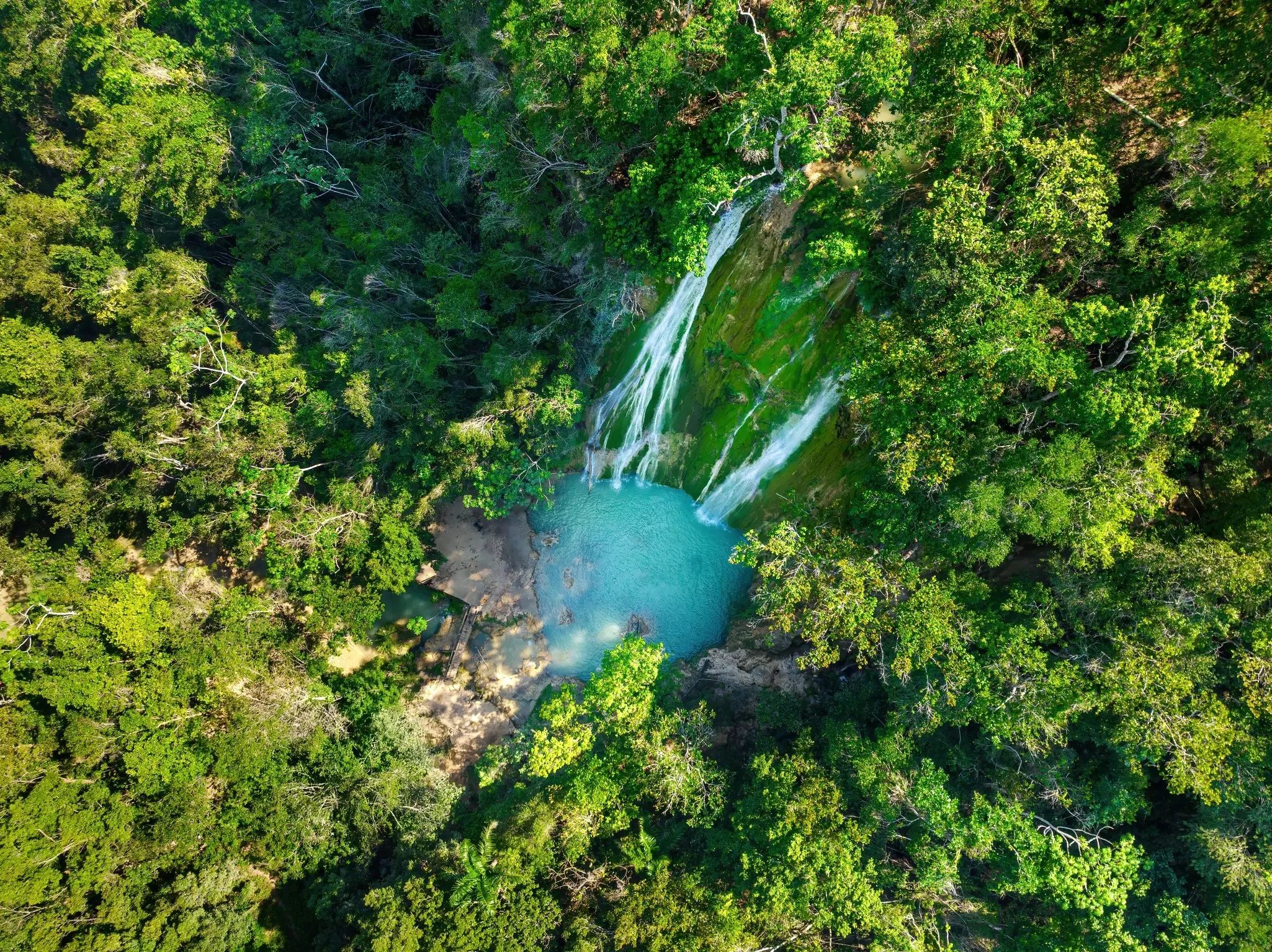
6. El Limón
Best for hiking
Tighten your shoelaces and summon your balance: the 2.4km trail to Cascada El Limón is wet and rocky. Most visitors traverse the terrain on horseback, but you can do it on foot – you’ll cross rivers and hop over muddy rocks to reach your destination, so be sure to pack rubber footwear. After a 30- to 60-minute walk or ride from the small town of El Limón, you’ll arrive at the spectacular 46m waterfall, which flows into the cool waters of an expansive swimming hole.
Planning tip: Book a tour with one of the companies in Las Terrenas, a 30-minute drive from El Limón; the excursion typically includes a guide, horse and lunch.
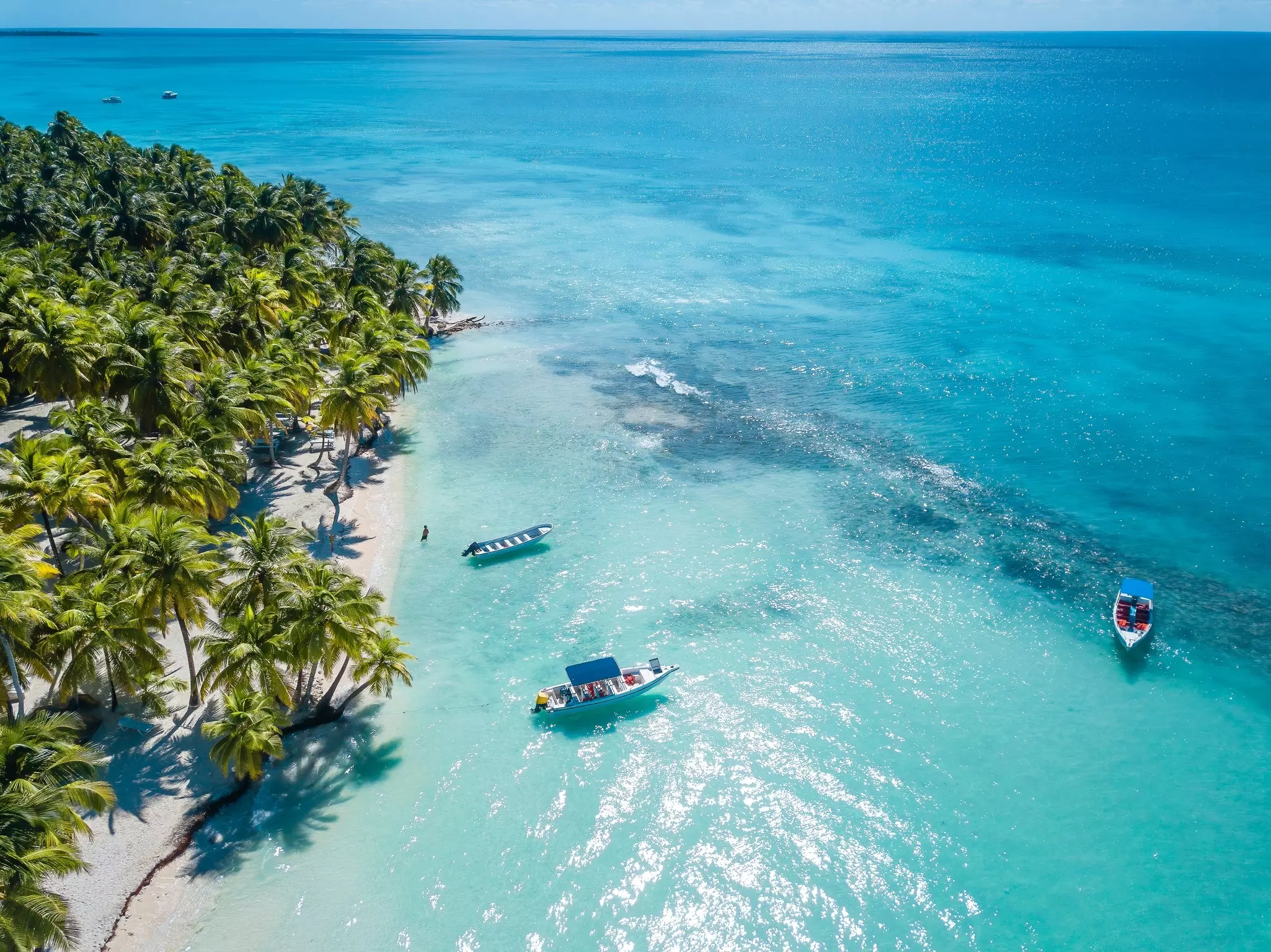
7. Bayahibe
Best for scuba diving
Situated on the Caribbean coast of the Dominican Republic, Bayahibe is a former fishing village turned quiet resort town with access to some of the island’s most lively (and spectacular) beaches.
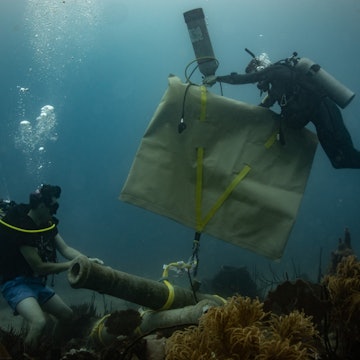
Just a few miles from town, you’ll find Playa Bayahibe, Playa Dominicus and boat launches that ferry you to Isla Saona, a national park that’s more booze-cruise layover than uninhabited sanctuary. Your best bet: stay in Bayahibe and take advantage of one of some 20 dive sites in the area – it’s one of the most active areas for scuba divers in the country.
Planning tip: If scuba diving isn’t in the cards, try your hand at stand-up paddleboarding or snorkeling the reefs instead.
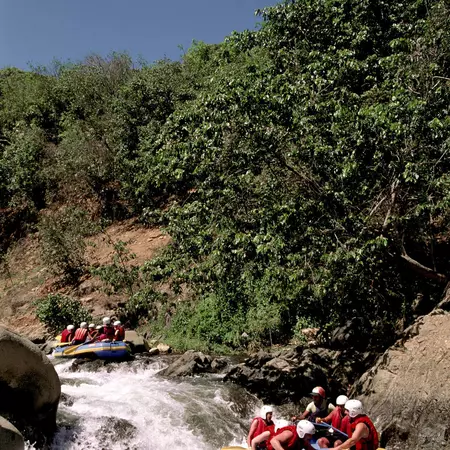
8. Jarabacoa
Best for white water rafting
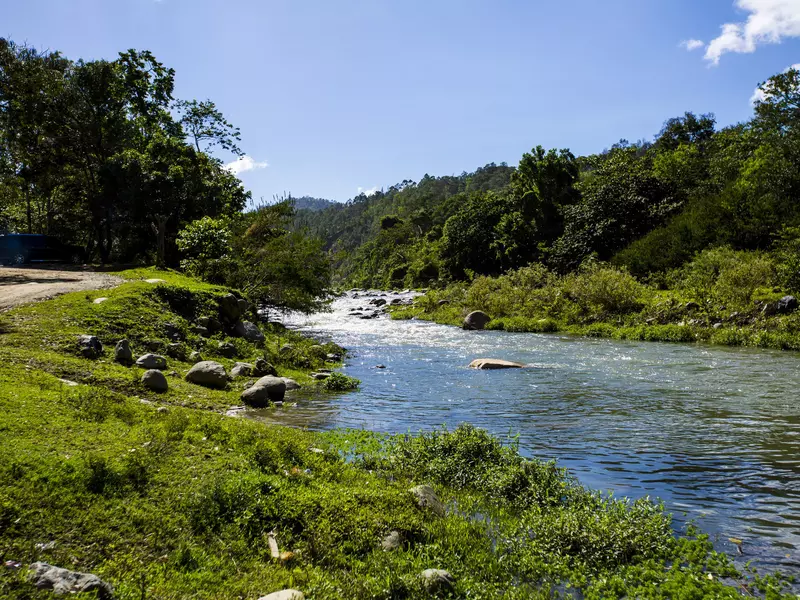
Jarabacoa is the antithesis of the Dominican Republic’s oceanside towns, with soaring peaks for verdant hikes, white water rafting on a roaring river and warm mugs of irresistible Dominican coffee on cool, misty mountain mornings.
Known as the City of Everlasting Spring, Jarabacoa has no shortage of activities: waterfall hikes, rope-bridge crossings over the Jimenoa River, plentiful rounds of golf and visits to the Cistercian monastery of Santa Maria del Evangelio.
Detour: The area is home to the Reserva Científica Ebano Verde, where more than 600 species of flora and fauna populate one of the most humid areas on the island (arrange a tour of the reserve ahead of time). Jarabacoa is also known for its Carnaval festivities in February, one of the most famous celebrations in the Dominican Republic.
Advertisement