
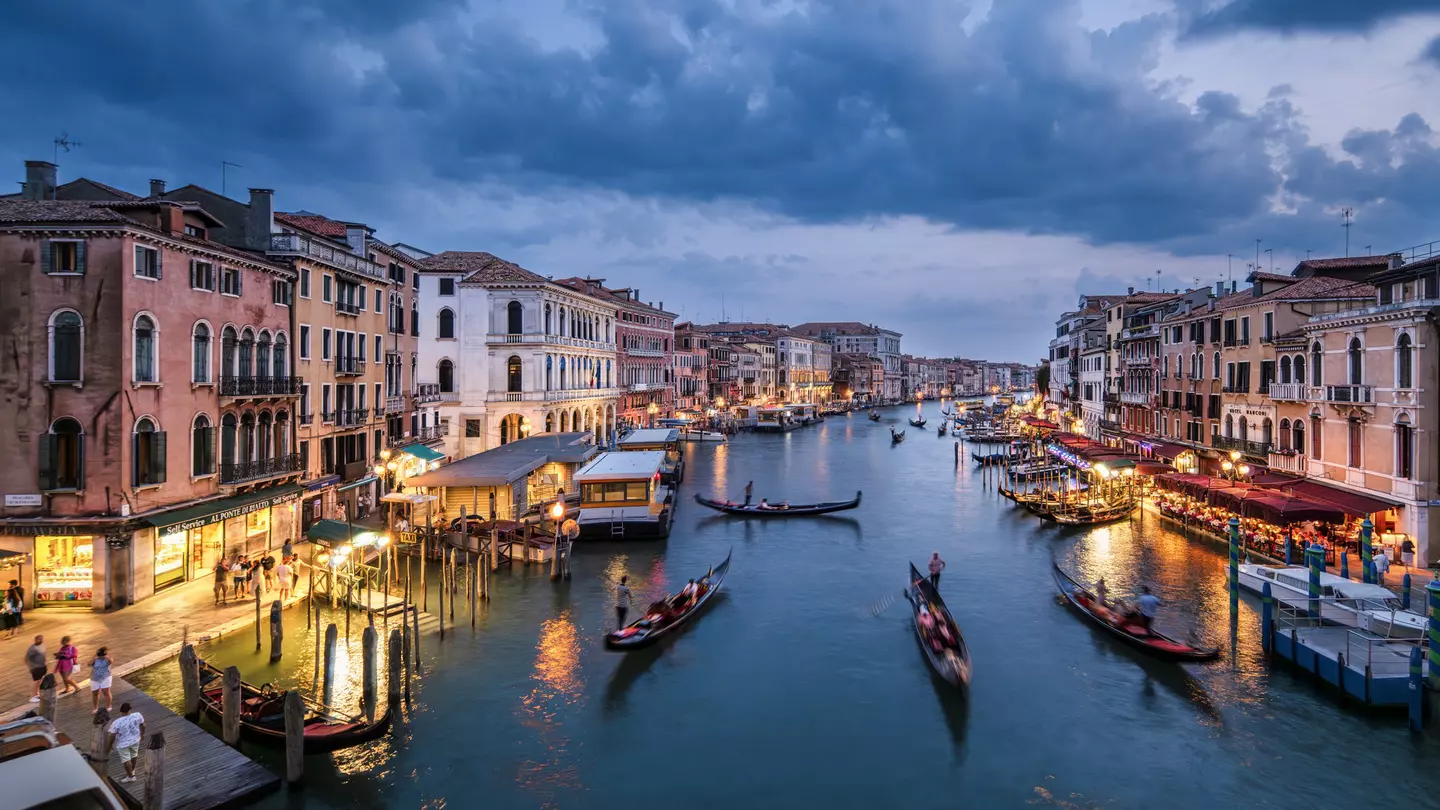
A nighttime view of Venice. Harald Nachtmann/Getty Images
Is Venice an expensive destination? In some ways, sure, but not in others.
Hotels and restaurants charge premium rates in this small city (where there’s little room to build anything new); be prepared for eye-watering public transport tickets.; and, if you're visiting on a day trip, you'll have to fork out an extra €5 for the new city visitor tax.
But then there’s the good news! The main sights around Venice are free, cheap bar snacks are nutritious, and the city center is very walkable, meaning you only need to set foot on a vaporetto (passenger ferry) if you’re heading further afield.
So put aside what you may have heard. You absolutely can visit Venice on a budget, and you don’t have to do it in an unsustainable way. Instead of being a day tripper, take your time in this magical city, all without breaking the bank.
Here are my top tips for visiting Venice on a budget.
1. Work out which airport really is the cheapest to arrive in
Venice’s airport, Marco Polo, sits north across the lagoon, about 13km by road or a straight shot across the water. Then there’s Treviso Airport, a budget airline hub about 37km, or a 40-minute drive, north. But these are not your only options, thanks to the excellent (and cheap) railway system in this part of Italy.
Arriving in Verona (also a low-cost airline base), Trieste and even Bologna are viable options for getting to Venice, if you’re happy to get on a train or bus for a couple of hours.
2. Visit Venice in the depths of winter
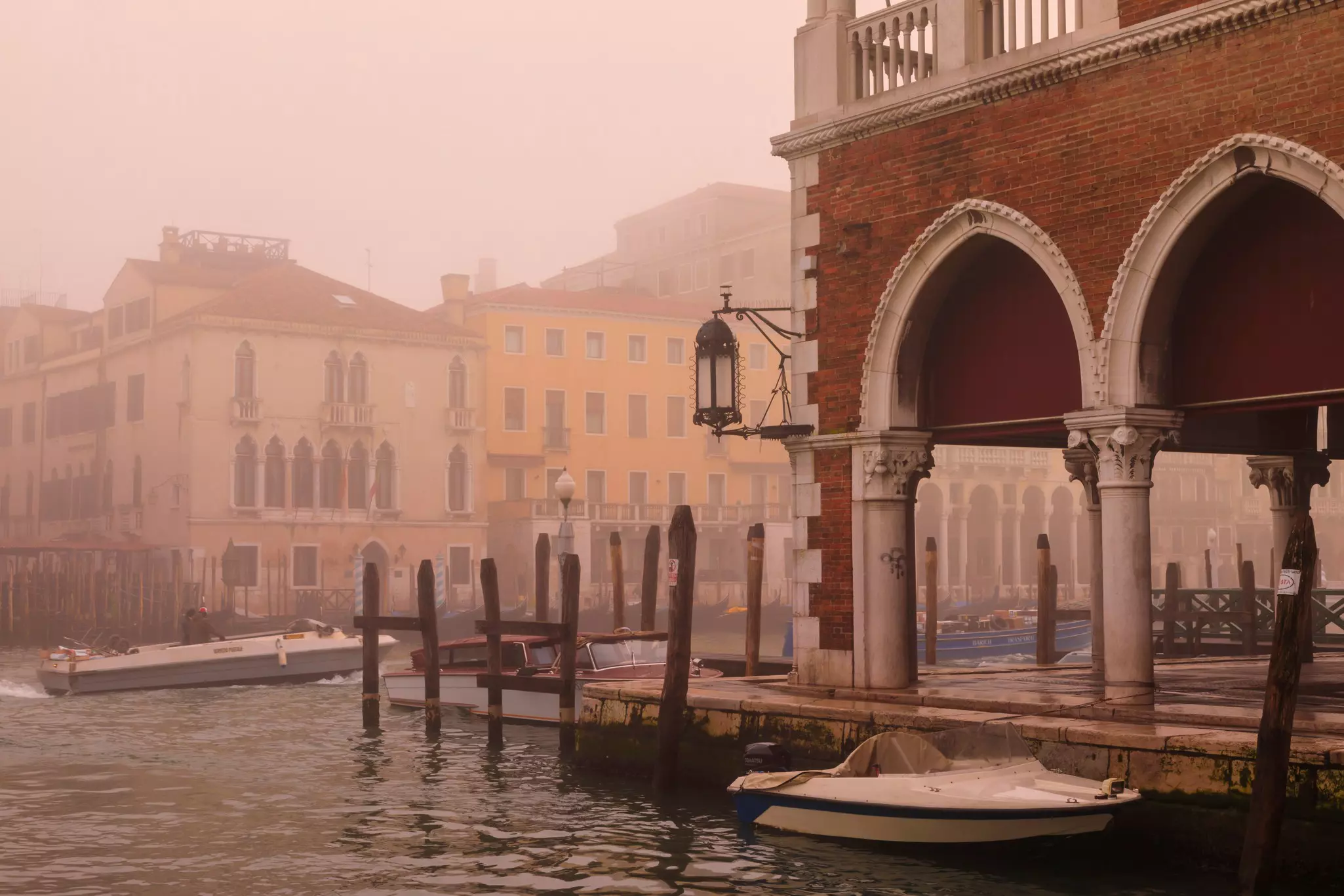
Unfortunately, there’s no real off-season in Venice these days, but the second half of December through to Christmas, and then New Year through to the start of Carnevale (Venice Carnival, usually late January or early February), generally see the fewest tourists. The downside is that some restaurants are closed in January. Whatever time of year you go, aim for midweek – weekends in particular see vast numbers of day-trippers.
3. Calculate the best way into town – for you
If you’re flying into Marco Polo, many people will tell you it’s cheaper to get the coach into town than the Alilaguna ferry. That might be the case, but it depends on where you’re staying.
The coach drops you at Piazzale Roma, the vehicle terminus on the very outskirts of the city; from there, you’ll likely have to get a vaporetto to your hotel. However, the Alilaguna ferries offer a range of routes and stops, which will probably get you within walking distance of your hotel. Check a map before deciding on the best, most cost-effective route for you.
4. Where to stay depends on what you want to do in Venice
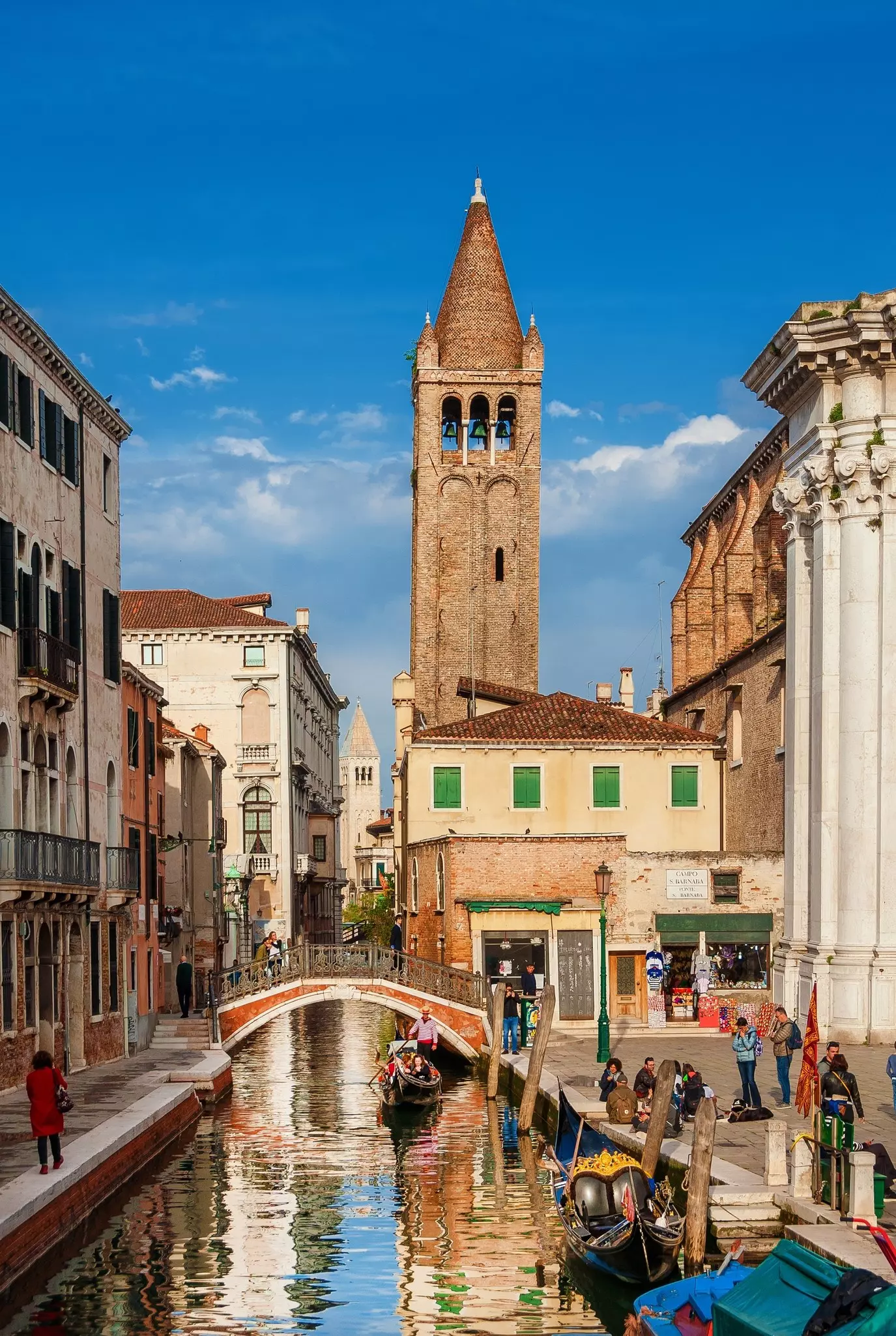
In a similar vein, beware of false economies when choosing where to stay in Venice when you're on a budget. Yes, it’s often cheaper to stay farther from the city center, but if it means taking the vaporetto into town every day, that will add to your budget.
Staying on Giudecca or Murano, for example, means paying €9.50 every time you want to get off the island (or €25 for 24 hours/ €35 for 48 hours) – and even staying in the further afield parts of the sestieri (six districts) may mean you prefer to get a vaporetto into town rather than walk (especially in summer). It's best to work out the whole cost before you book what looks like the cheapest accommodation at first.
In a similar vein, accommodation on the mainland is usually cheaper – but you have to pay to come into Venice, first by tram, bus or train, and then by vaporetto. And now there's the extra Venice Access Fee in the peak season. If you’re concerned about making your visit sustainable, pick somewhere where your money will stay in the fragile city, not swill around on the mainland.
5. Do without Airbnb in Venice
Many people have an image of Venice in their head as super-expensive and automatically assume that booking an Airbnb will help keep costs down. Not necessarily. Airbnb prices are high here, and groceries are artificially expensive since supermarkets have to pay to have them transported to the mainland and loaded onto a boat, which means self-catering isn’t a bargain.
Venice restaurants are expensive, but there are ways to eat cheaply. Once you add it all up, a basic hotel can be a better value.
It’s also more ethical to stay in a hotel – the explosion of Airbnbs and vacation rentals has decimated the housing market, meaning many Venetians have had to leave the city. Don’t be part of the problem if you can help it.
Hostels and monasteries are another option. Several of Venice’s many monasteries and convents rent rooms, although there’s usually a curfew.
6. Fuel up on bar food
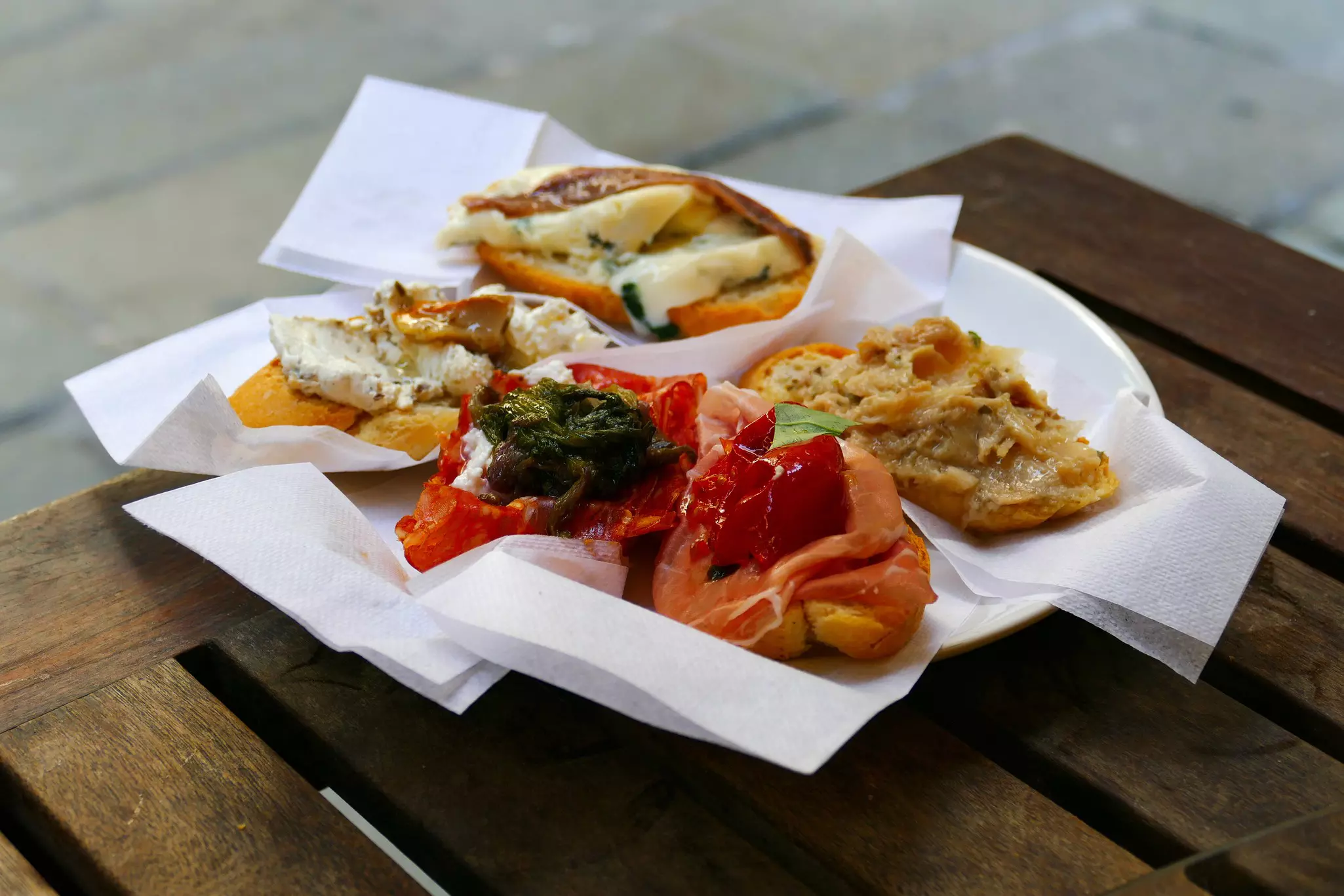
Venice is famous for its cicchetti – bar snacks that bear more than a passing resemblance to Spanish tapas. Like tapas, they’re varied enough to make a meal in themselves, and you can order a platter for two for the price of a starter in a formal restaurant. Most bars these days serve cicchetti as innovative toppings on thin slices of baguette.
While that’s fine for lunch, if you want something more substantial for dinner, try somewhere that offers a more varied selection, such as Ca’ d’oro alla Vedova, known for its sublime meatballs, or Osteria al Portego, which has a great selection of seafood cicchetti.
Another lunch tip if you’re wanting food on a budget: tramezzini. These overfilled sandwiches are delicious and perfect for lunch on the run. Try local variations such as tuna with cipolline (mini pickled onions).
7. Walk everywhere
Because it is a complicated city, it’s easy to “read” Venice through its vaporetto maps: your hotel is two blocks from this stop, the restaurant is a five-minute walk from that one, and to get from the railway station to Zattere, you’ll need to take the boat all the way around the city.
Actually, though, Venice is a small place, and it’s easy to walk everywhere, apart from the islands. Walking saves you the expensive vaporetto fares and the stress of getting on uncomfortably busy boats.
Don’t be put off by people talking about getting lost in Venice. Although that’s easy to do (and a lovely experience), the main routes around the sestieri are pretty easy to follow, and there’s always another church, bar, or artisan shop to stop in.
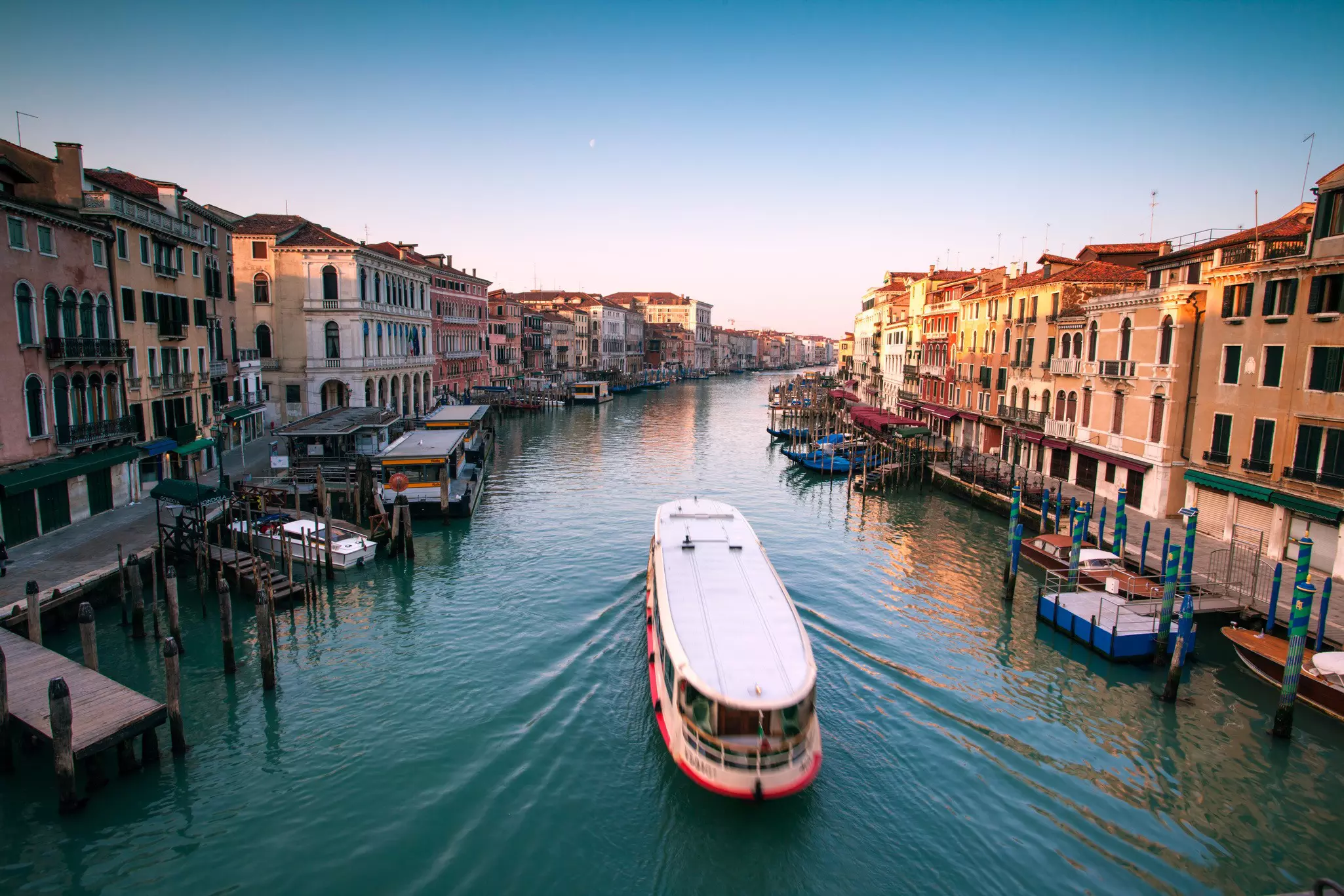
8. Work out how much you’ll use the vaporetto
If you've followed the advice above, you might not need to use the vaporetto unless you're going out to the islands. But if you'll be using it several times or more during your trip, it could be worth buying a timed pass, which gets cheaper the longer you stay. A 24-hour pass costs €25, a 48 hours is €35, 72 hours is €45, and it's €65 for a week.
Going to be staying longer or making regular visits? Consider a Venezia Unica City Pass. Available at the Piazzale Roma and Rialto ticket booths, it’s valid for 5 years and costs €100 upfront, but gives you discounted transport fares.
9. Decide your sight-seeing itinerary before you buy a City Pass
Don’t assume the Venezia Unica City Pass is a great deal. Unlike those in many other cities, the Venezia Unica pass does not include free transport. It gets you into the Civic Museums and the Chorus churches, but if you’re only really planning to see the Doge’s Palace, it’s better value to book a single ticket and buy the Chorus pass separately.
A reduced cost Venezia Unica card includes the San Marco museums – the Museo Correr, and its conjoined archaeological museum and Marciana Library, as well as the Palazzo Ducale. Unless you want to see it all, it’s really not a bargain.

10. Go to church
Yes, many churches in Venice are free, but many are worth paying for, even when you’re on a budget. The Chorus collection of 18 churches offers some of the city’s finest art and architecture. Don’t miss Santa Maria dei Miracoli, a tiny, jewel-like church clad from inside to out in precious marble, or San Sebastiano, which was frescoed and painted all over by Veronese and is known as his “Sistine Chapel.”
11. Eat standing up
If you know Italy, you’ll already be aware of this rule: wherever possible, eat and drink standing up at the bar instead of sitting at a table. Bar prices are fixed and are fairly cheap, even in Venice. Take a seat, however, and you’ll be charged more – and probably subjected to mandatory table service for those extra euros.
Even notoriously expensive places like Gran Caffè Quadri in Piazza San Marco become affordable if you stay upright.
12. Drink a shadow of a spritz
Sure, everyone thinks they have to drink a spritz in Venice – not least actress Florence Pugh, who made an instantly iconic entrance to the 2022 Venice Film Festival clutching a goblet of lurid orange Aperol. But spritzes – usually prosecco, some kind of bitter liqueur like Aperol or Campari, and soda – can be pricey, especially if you’re speaking English at the bar. (Yes, you will be charged tourist prices.)
Instead, ask for an ombra – literally a “shadow” of wine. It’s essentially a small serving of house wine, named after the booze stalls that used to set up in the shadow of Piazza San Marco’s bell tower, and it can cost as little as €1. By the way, if you insist on a spritz, the Venetian aperitif of choice is Select, not Aperol.
13. Hit the beach
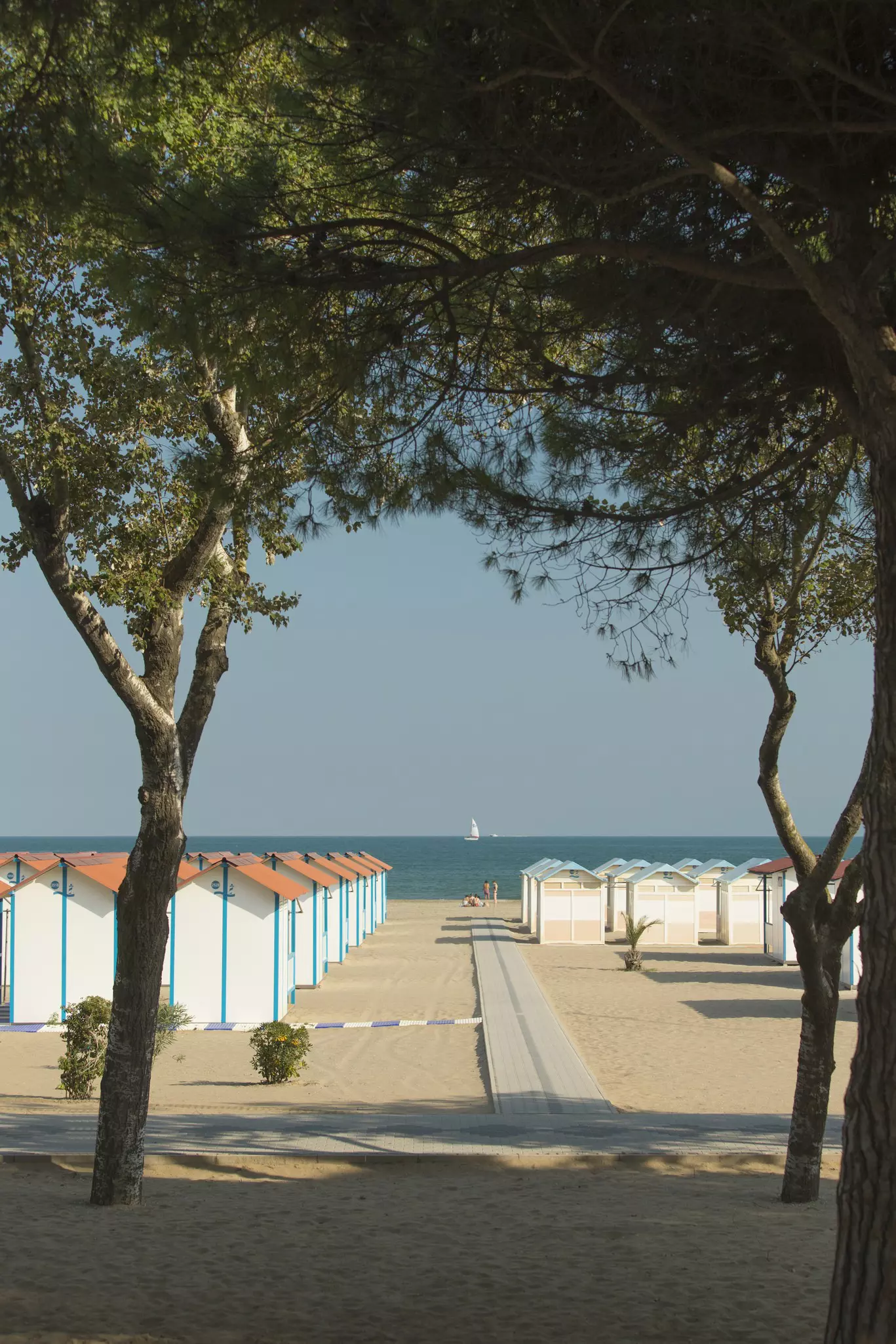
The Italian coastline is notorious for private beach clubs that charge for access, blocking off much of the natural heritage unless you’re willing to pay. Venice is no different, but there is a nice stretch of public (meaning free) beach at the western end of Lido island.
The Lido is actually one long beach, kilometer after kilometer of perfect sugary sand. If you need a rest from the sightseeing, don’t sit at a bar and shell out for a spritz – just take the vaporetto across to the Lido and find some sand to lie down on.
14. Avoid the icons
There are some things everyone says you must do in Venice. Drink a Bellini cocktail at Harry’s Bar. Sit down at Caffè Florian for a drink in Piazza San Marco. Have a lazy lunch at Locanda Cipriani on Torcello. If you’re on a budget, do not do these things.
These places are iconic for a reason, of course – but they’re also full of tourists and prices are sky-high. Instead, follow the sound of the Venetian dialect to nearby places that are just as memorable but a fraction of the cost.
In Piazza San Marco, try Caffee Aurora, which is not as posh but much cheaper, or stand at the bar at Quadri, run by the Michelin-starred Alajmo brothers. On Torcello, swap the wildly expensive Locanda Cipriani for the Taverna Tipica Veneziana, an outdoor buffet where you order at the counter and eat in the garden. And instead of going to Harry’s, slide over to Giudecca, where, right by Harry’s Dolci (sister restaurant to the original Harry’s Bar), are some other bars by the vaporetto stop at Palanca. Sit outside – the views are the same, but your bill will be in single figures.
15. Swap the gondola for a traghetto
Yes, you want to ride a gondola. Yes, you want to see Venice from the water. No, steaming down the Grand Canal on a vaporetto isn’t quite the same. But before you shell out €90 for a half-hour daytime gondola ride, notice those low-slung black boats being rowed across the Grand Canal and full of people.
They’re traghetti – kind of like communal gondolas – which cross the canal at six points along its length. The great thing about a traghetto ride? You’re getting the same on-the-water experience as a gondola, but it only costs €2.
The catch? You share it with as many people as can be squeezed on board. And, of course, it’s much shorter, taking a couple of minutes to cross the canal. But we’ll take that over an awkward and pricey serenade.
16. Shop responsibily
You already know that fragile Venice is being destroyed by overtourism. Sometimes, it feels like being on a budget means you can’t help but be part of the problem – you think you can’t afford to eat in a nice restaurant, buy a sumptuous handmade mask, or stay at a locally owned hotel.
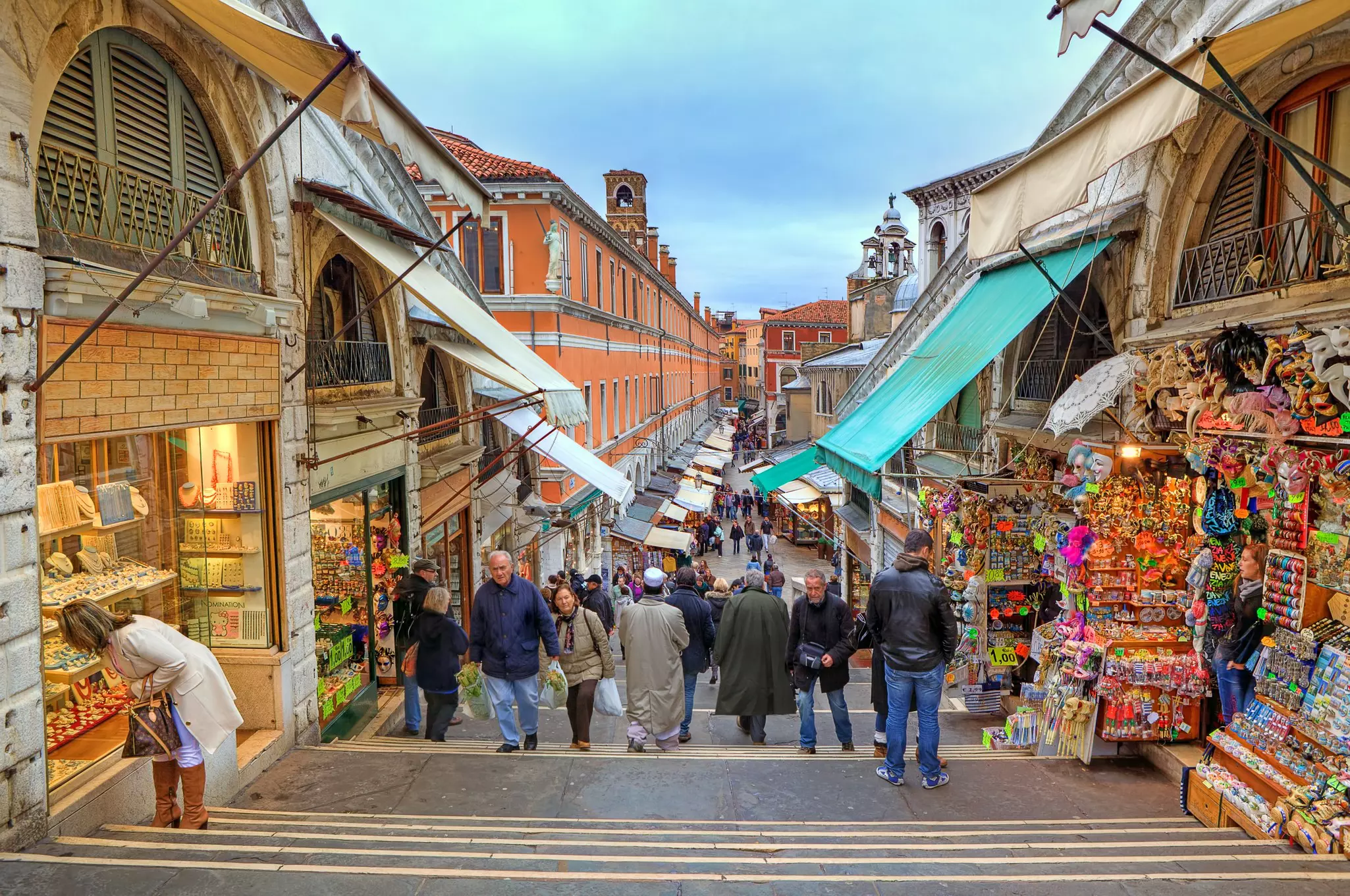
But that’s not true! OK, the fancy restaurant and hotel may be beyond your budget this time, but start small – with souvenirs. Don’t touch the crappy plastic magnets and masks you see on thousands of stalls around town; go for something handmade and memorable.
Most Venice artisans make entry-level stuff as well as top-drawer items, and a little hand-stitched notebook, marbled pencil or hand-blown glass bead for €3 makes far better memories of your trip than a factory-made snow globe. If you see a workshop you like, feel free to ask about their cheaper items – artisans are always thrilled to meet people who value their work and history. And it’s easier on the planet than shipping in that plastic stuff from abroad, too.
17. Enjoy the experiences that are free in Venice
Don’t forget that while restaurants and hotels in Venice may be expensive, the main sights you’re going for are free.
The Rialto Bridge and Piazza San Marco are, of course, free, as is the glorious Salute church on the Grand Canal. The Basilica di San Marco is now charging for entry, but that’s a paltry amount to see a gold-filled church, and you shouldn’t skip it. Book online in advance to avoid the long queue.
18. Don’t break the rules in Venice
One easy way to save money in Venice: don’t treat the city like your personal playground. Most visitors are by now aware that there are strict rules in place: no picnicking, no sitting on bridges or in Piazza San Marco, and certainly no swimming in the canals. And yet many people decide the rules don’t apply to them.
Venice is an extremely fragile city. If all 100,000 visitors a day decided to sit on that bridge or lay out a picnic in that square, it’d be a major issue. This is why people get fined, even for what may seem like minor infractions – and sometimes after the fact, thanks to a top-notch CCTV system that means police can track down tourists after they’ve left.
Fines can run into thousands of euros, and if you’ve got that kind of money to blow, you should be using it to go all out at the Gritti Palace in the first place.
Daily costs in Venice
Hostel dorm bed: €25–40
B&B double room: €80–180
24-hour public transport ticket: €25
Traghetto trip: €2
Espresso: €1–1.50 (standing at the bar)
Sandwich: from €3.50
Two-course dinner with wine: €35–45
Museum admission: €15–18
Average daily cost: €80–150 per person