
Advertisement
The 11 best things to do in Agadir, Morocco


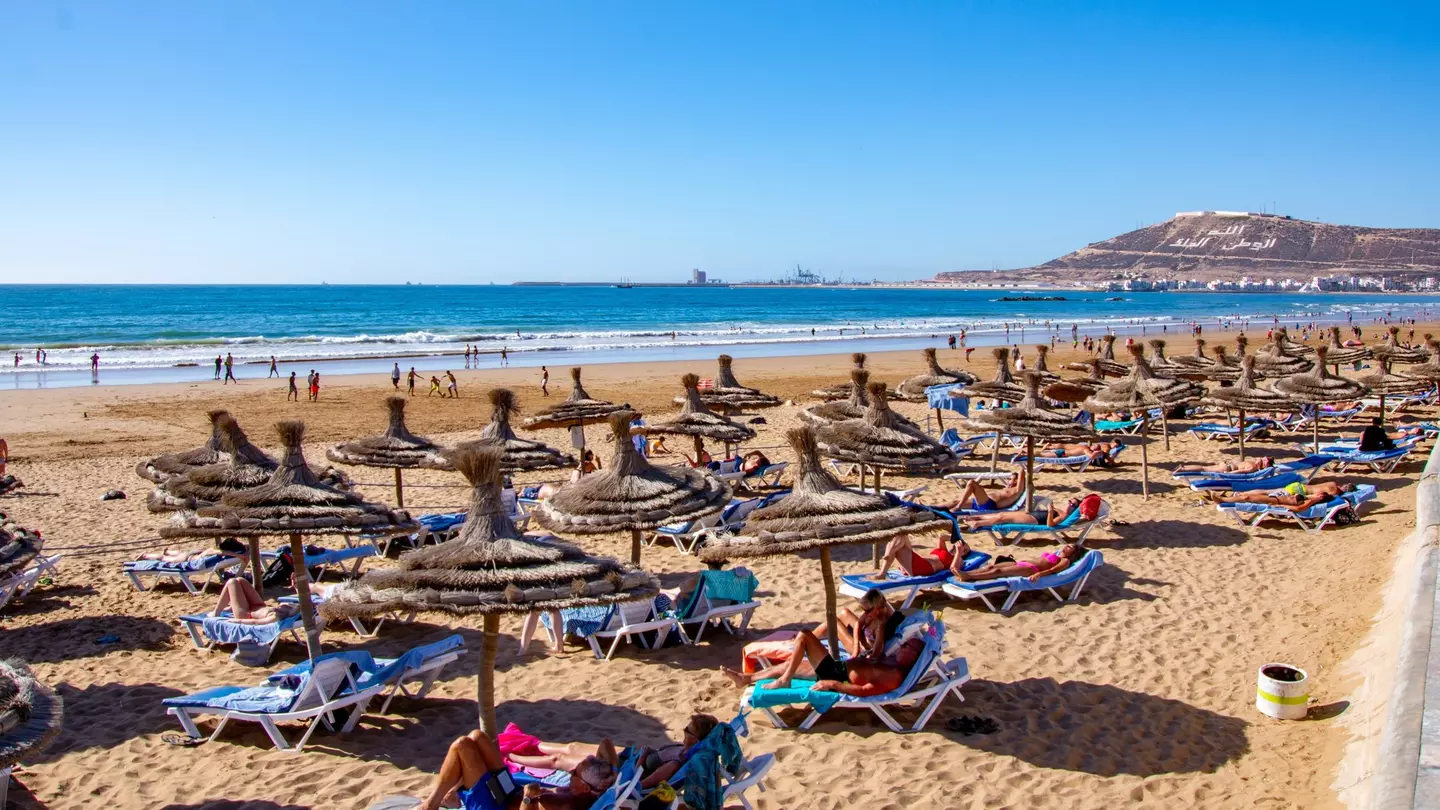
Sunseekers enjoying the city beach at Agadir. Gilles Rivest/Shutterstock
After a devastating earthquake in 1960, the coastal city of Agadir was completely rebuilt. Today you’ll find a modern city with a busy port and sweeping beach, all sprawling beneath an ancient kasbah.
Central neighborhoods such as Talborjt, with its leafy gardens and pedestrianized streets, have been regenerated, and locals promenade the long main beach during the evening. Locals from neighboring towns and villages come to shop in Agadir's varied traditional souqs, malls, designer boutiques and artisan medinas.
Agadir is one of Morocco’s key spots for holiday-making Europeans looking for all-inclusive stays where sunshine is almost guaranteed, even in winter. It's also the main entry point to the vibrant Souss-Massa region (wildlife lovers, take note).
Here are the best things to do in the cosmopolitan city of Agadir on Morocco’s Atlantic coast.
Advertisement
1. Hike to a hilltop kasbah, or take the cable car
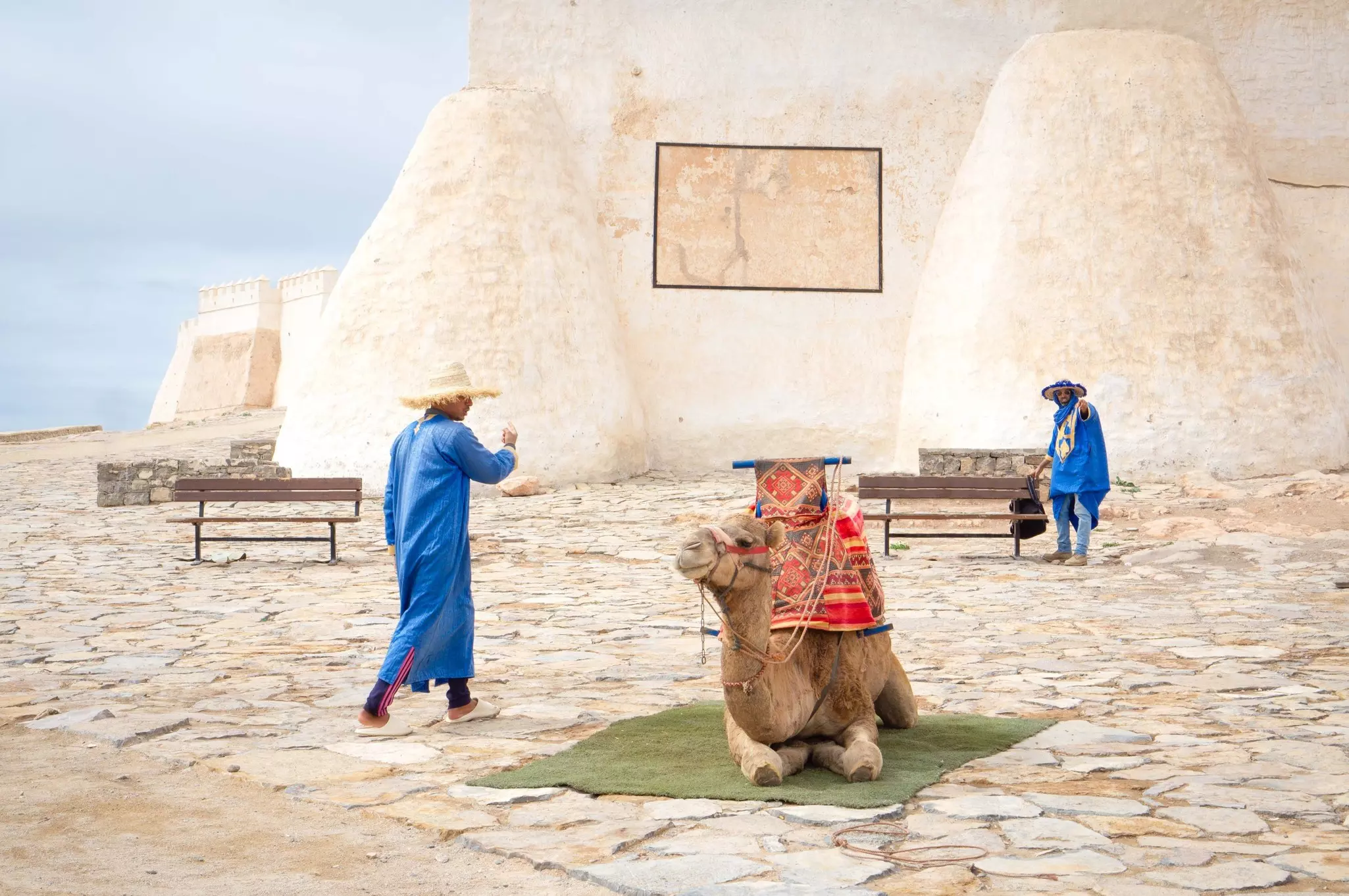
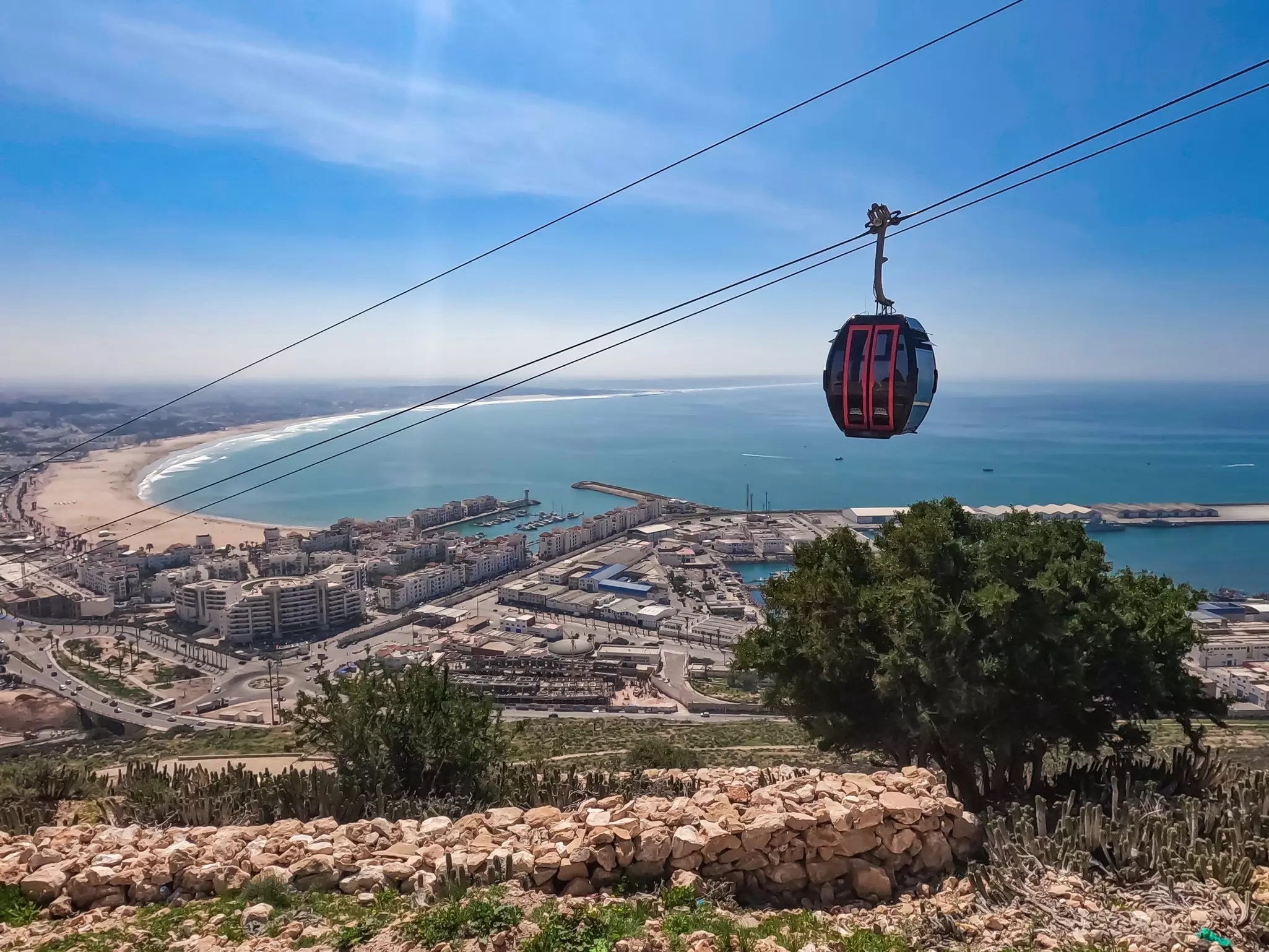
Rising 148m over 1.8km, the 6-minute cable-car ride to Kasbah Agadir Oufella offers breathtaking views over the city, port, marina and beaches. If you're fit and up for the challenge, you can hike up the hill from Route Agadir Oufalla, with views all the way up. You can also get a taxi up to the kasbah and then hike back down.
At the top you enter the walled 16th-century kasbah, once an impressive fort that served as a stronghold for great empires controlling the trade between the Western Sahara and the Atlantic. It was at one point used by the Portuguese, then by the Sultan of Morocco, followed by the French, before being returned to the people of Morocco in the 1950s.
However in February 1960, 90% of the fortress was destroyed by an earthquake, with only the southern wall surviving. Sixty years later, the citadel was reconstructed, using the original layout (and keeping the original wall), with decking that follows the framework of the old streets, squares and alleys before the tragic earthquake struck.
Planning tip: The kasbah is open from 10am to 7pm most of the year (there are shorter opening hours during Ramadan), with the last entry 30 minutes before closing time. You’ll want more than 30 minutes to wander the site and take in the views. This is also a good spot to watch the sunset.
2. Hit Agadir’s surf beaches
One of Morocco’s largest beaches is here, and it's popular year-round. The Plage d’Agadir (Agadir Beach) is a 12km golden-sand stretch adjacent to the marina and the upmarket Talborjt neighborhood. In summer Moroccans come from northern cities where temperatures can be unbearably hot. In winter, the beachfront resorts welcome European travelers escaping the cold.
You can easily explore the 10km beachfront promenade on foot, with plenty of cafes and ice-cream stops along the way. If mobility is an issue, or you’re traveling with children, the Petit Train runs a 45-minute sightseeing route along the front. You can buy tickets at the white kiosk on Boulevard 20 Août near Jardins des Oiseaux. Rental bikes and horse-carriage rides are also available.
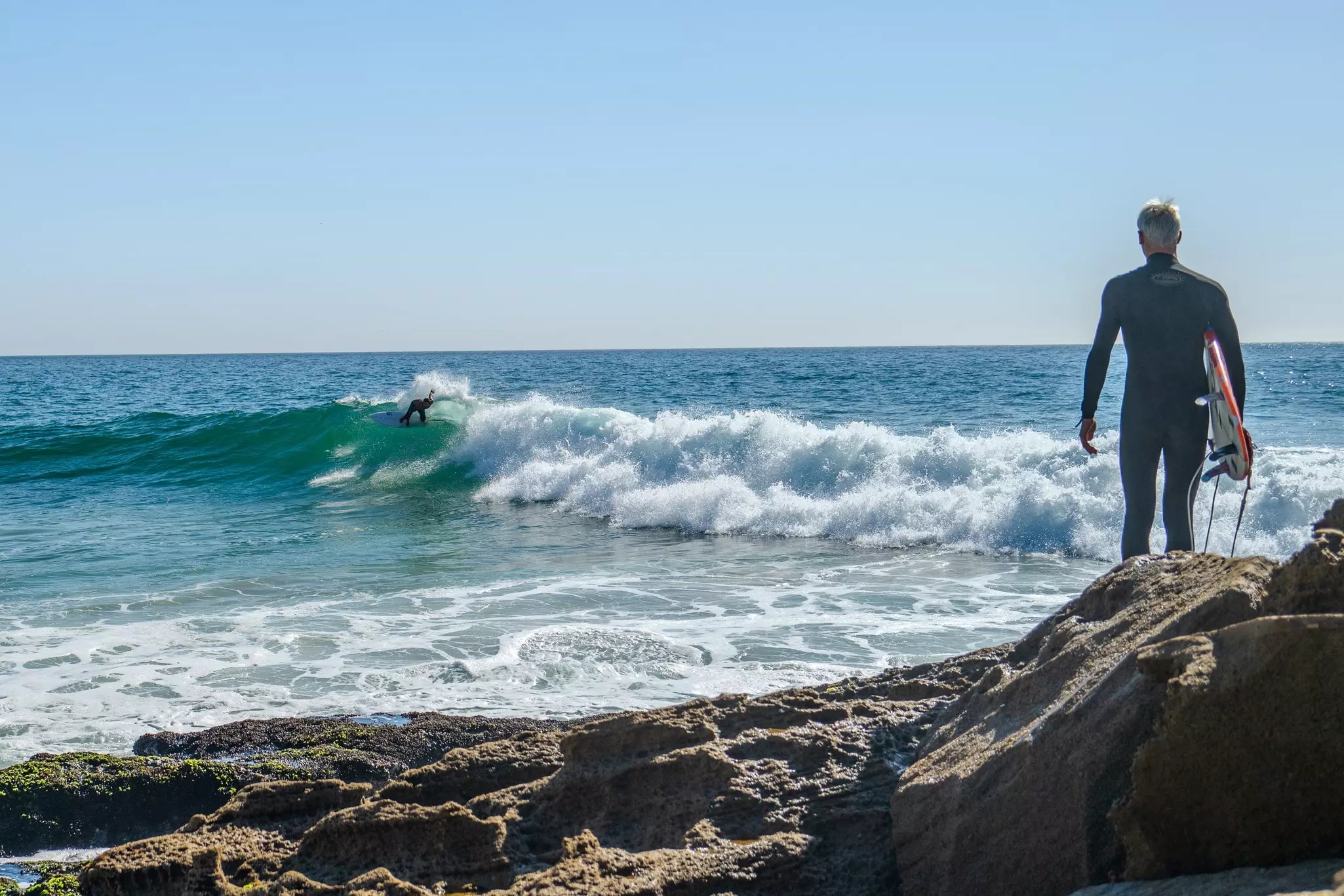
On the beach itself, you can take a camel ride, rent a sunlounger, hire jet skis or a surfboard and hit the waves. The cove picks up regular swell in the winter when waves are pumping to the north.
The beaches of Anza and Taghazout, to the north of Agadir’s city beaches, get bigger waves and are the surf spots of choice for Agadir residents as well as international visitors.
Planning tip: Several surf shops, including the New Generation Surf Academy and Anza Surf Shop and School, rent out boards and offer lessons. Blue Waves Surf House Anza is a full surf retreat with sleek natural decor and a cafe overlooking the waves.
3. Mess around on boats
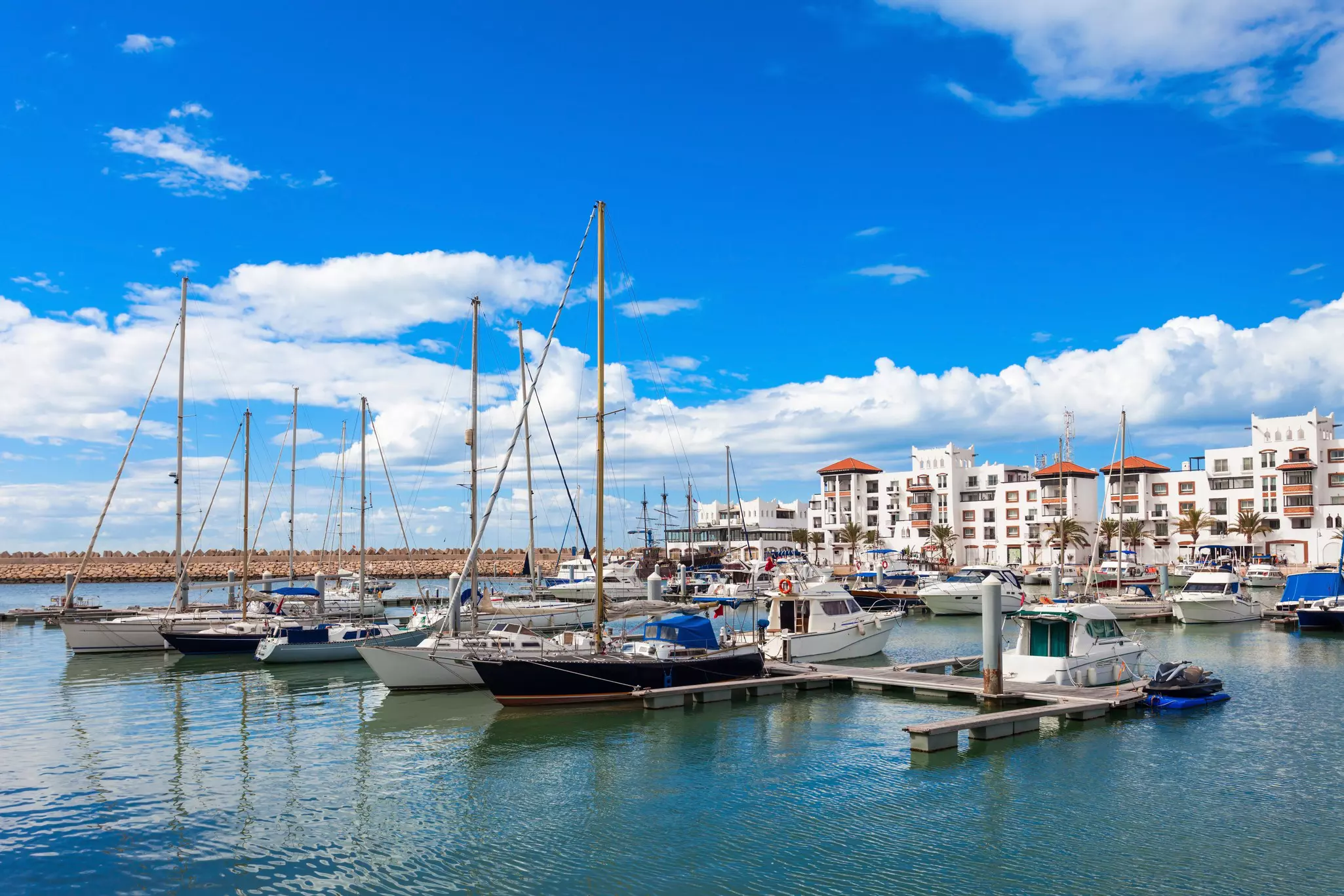
Agadir Marina is a picturesque spot with high-end shops and apartments, plus many waterfront cafes where you can watch the world sail by while tucking into plates of Moroccan specialities including fresh seafood.
Speak to one of the boatmen on the jetty about taking a short boat cruise in the bay. Local outfits will also take you on a half-day fishing tour with swimming opportunities and a barbecue fish lunch (including the morsels you catch).
The Jack Sparrow is an old wooden boat docked at the end of the jetty that offers sailing experiences that families will enjoy – it's the closest thing you’ll get to a pirate ship, with high masts, long rigging and gold-painted embellishments. Sunset tours leave daily around an hour before the sundown.
Detour: The busy commercial port next door to Agadir Marina has an entirely different feel – it's home to container ships and a cruise terminal. The afternoon seafood auction can be a lively and smelly affair.
4. Admire some modern art
The captivating Agadir Musee d’Art opened in 2023, and is the place to get a good look at works from the Agadir region and beyond. The sleek modern gallery space features more than 150 important works, divided into five sections over two floors. These are split into cultural identity over the centuries, modern urban scenes, abstraction and memory, landscapes and figures and bodies.
View paintings from striking colorful modern pieces and Impressionist works to portraits, tapestries and jewelry, all offering a social commentary on the local area. All the work was donated by local art patron El Khalil Belguench.
Advertisement
5. Go shopping for local designs
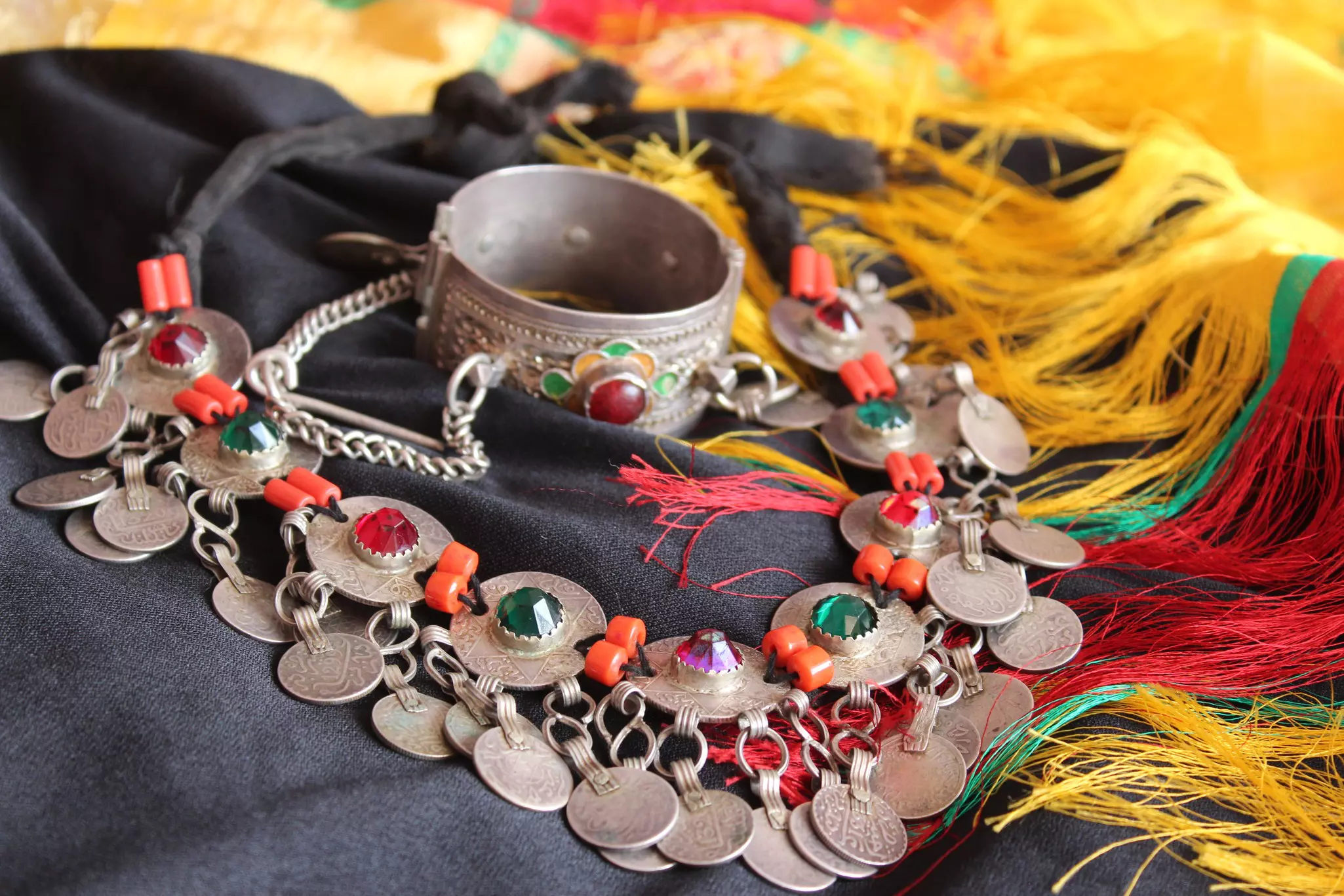
Agadir is home to many gifted artisans who have inherited traditional craft skills from previous generations. You can find wood-carved furniture, ceramics, woven goods and ornate Amazigh jewelry in the city's souqs and in its new wave of independent boutiques.
Located on Blvd Abderrahim Bouabid, Souq Al Had is the best known of the city's souqs – it's a humongous walled venue with 12 gates and a labyrinth of 6000 traders touting everyday goods, from spices and Moroccan furniture to pottery and vegetables. It's a superb place to pick up some argan oil or amlou paste from the region – you can watch it being ground right in front of you.
If you prefer to shop in smaller markets, the Marché Central, with its brutalist architecture, is marginally prettier inside than outside. It has a selection of stalls selling specialist foods and souq titbits, plus leather goods and clothing.
In Bensergao, Kasbat Souss is a midsize artisanal souq with around 70 traders, offering a relaxed shopping and meet-the-makers experience, and well-laid-out boutiques selling throws, rattan baskets, candles, glassware and jewelry. The on-site potters and weavers proudly demonstrate the making of their products, and take custom orders.
Local tip: Agadir Marina is the go-to place for big-brand fashion names such as Zara and Lacoste, plus local boutiques like Amazzin. Luxury-designer boutiques such as Nola and Yves Rocher have moved into the trendy Talborjt quartier.
5. Take the kids for a fun day out
Agadir has plenty to entertain travelers with children. For playgrounds, Jardin Ibn Zaidoun in Talborjt and Agadir Medina Coco Polizzi have good-sized children’s play areas.
Older children who want to climb trees (and their parents) might enjoy the Accrobranche Souss Park, a treetop adventure park with rope bridges and zip lines (there are different levels by age or experience).
Agadir Karting has a 1.2km track, with special karts for children (over 1.2m tall) featuring roll bars and shock absorbers, plus there is an Xtreme Base kids area here with cargo nets, obstacles to climb and trampolines to bounce on.
Next door, you can team up and splat each other at Go Paintball Park Agadir. Meanwhile, Domaine Villate Limoune offers day access to its small zoo with 250 wildlife species. On the same site, there's a beach club with a restaurant and a large swimming pool.
6. Roam a replica medina
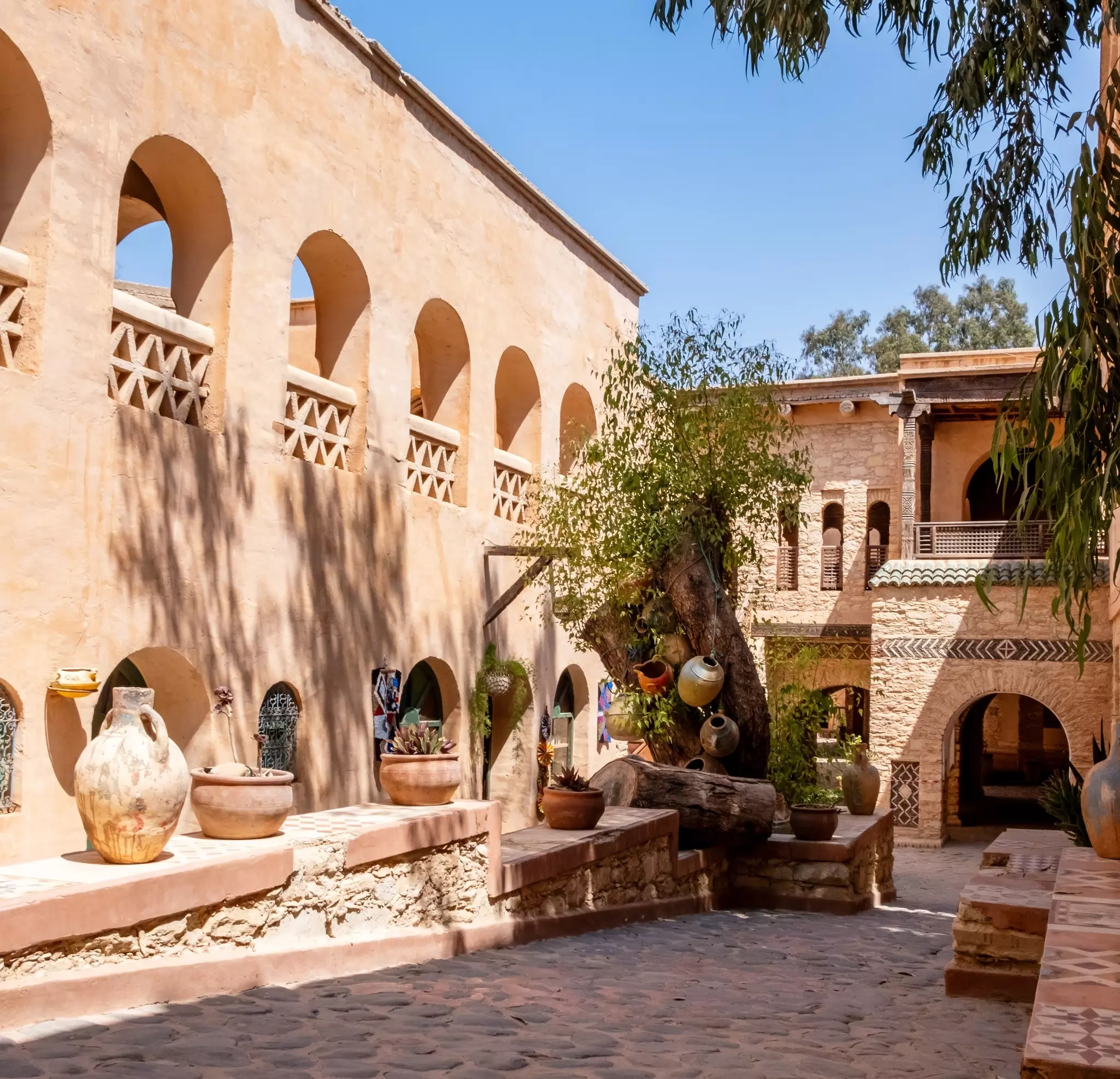
The city’s original medina was destroyed in the 1960 earthquake, but you can get an inkling of what it may have been like at Agadir Medina. The space recreates an original medina, with courtyards, small cobbled passageways, an amphitheatre and artisan traders throughout.
Opened in 1992 and designed by artist Beato Salvatore (aka Coco Polizzi), the striking complex includes traditional features and building materials – white stone from Agadir, green slate from Anzi, red stone from Argana, ochre from Taliouine, plus eucalyptus and laurel wood – with designs influenced by the Amazigh, Greeks and Romans. Admire the details such as wrought-iron, engraved stones, mosaics and stained-glass windows. Spend a morning perusing the palm-tree-scattered streets and artisan workshops, buy leather bags, jewelry and patterned plates, or enjoy a traditional Moroccan meal or mint tea.
Planning tip: Keep an eye on the website for upcoming performances and festivals at the full-size amphitheater within the medina's walls.
7. Enjoy a traditional steam and scrub at a hammam
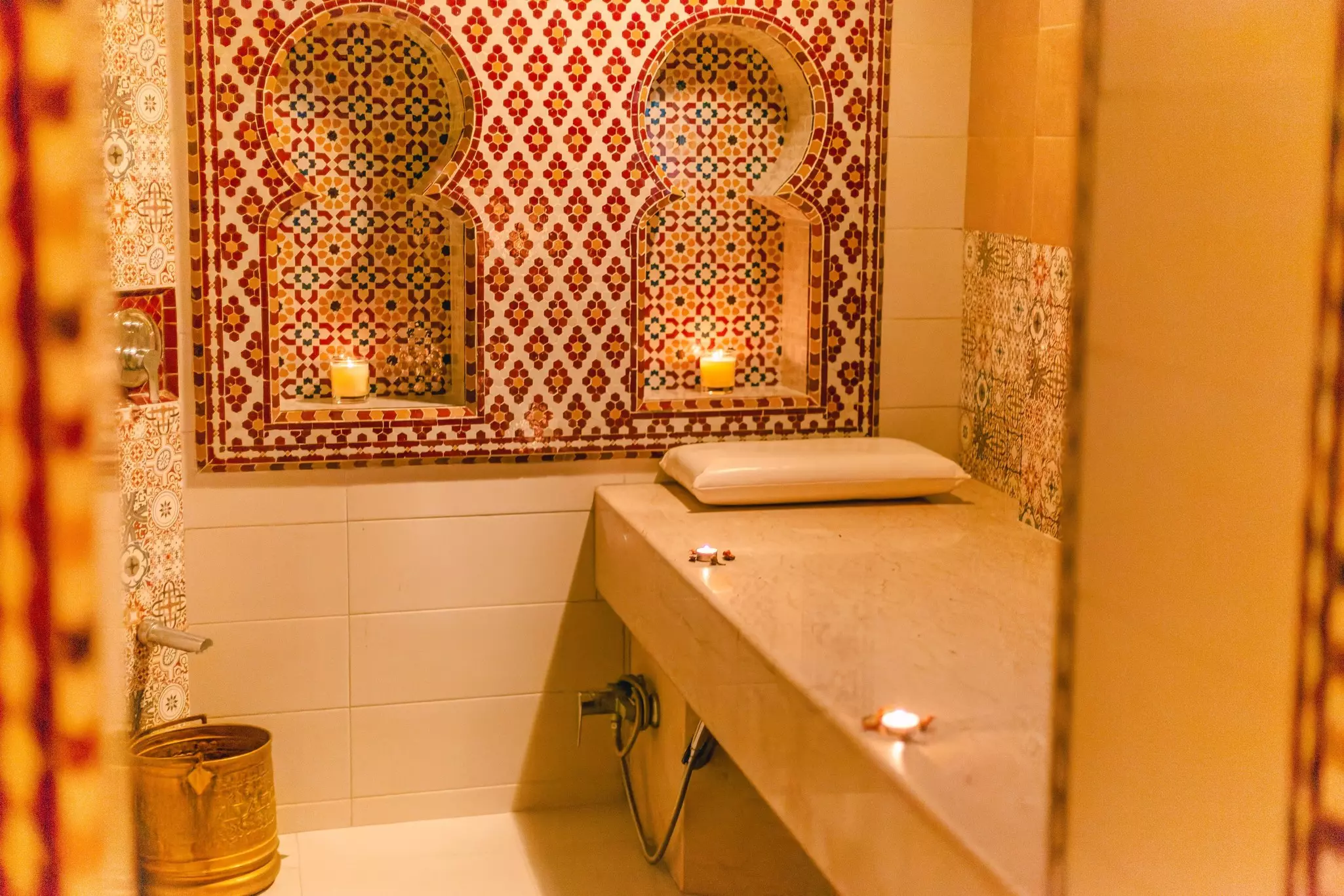
Dating from a time when people didn’t have their own bathrooms at homes, a trip to the hammam remains a weekly ritual for many Moroccans. This is where locals meet friends for a chat while enjoying a relaxing break from daily life.
One of my favorite hammams is Argan Phyto House, a welcoming place with traditional decor, big wooden doors and Amazigh embellishments. The hammam uses local argan products during its services, including massages. At Musée de l'Argan, you can book hammam scrubs and argan-based massages, and there are unisex treatment rooms for couples (a rarity in Morocco). Itrane Spa is a little city sanctuary, with good-value massages, plus body scrubs and facials. A traditional tiled hammam, Le Boudoir Oriental Agadir, also does a broad range of beauty treatments, including Ayurvedic-inspired hammams with amber and vanilla scents as well as black soap scrubs.
8. Go for a walking tour of Talborjt
This 2-hour walking tour starts at Lebanon Mosque, with its majestic minaret and charming architecture, and ends at the top of the hill at Kasbah Agadir Oufella (via the cable car).
From Lebanon Mosque, cross Ave des FARS to Jardin de Olhão, which has pretty gardens with tropical plants, water features and interesting architecture. Pass the Institut Francais and turn left onto Ave du Prince Moullay Abdallah. Near the post office, take a moment to reflect by the Mur de Souvenir (Wall of Remembrance); these Arabic-script engravings are dedicated to the victims of the 1960 earthquake, and are a reminder to citizens to accept destiny without getting discouraged.
Duck into the charming Librairie Al Mouggar Livres for an interesting selection of books on Moroccan art and culture. Continue to Jardin Ibn Zaidoun (closed Mondays), with 1.6 hectares of gardens, shaded seating, a playground, fountains and eucalyptus trees. Nearby Rue de la Foire is a tree-lined avenue with streetside cafes and patisseries such as Cafe Tafernout, one of Agadir's finest cafes.
From here, it's a brisk 20-minute walk along Ave Hassan II to the cable-car station. This high-tech cable car will take you up to the original Kasbah Agadir Oufella and the site of the old city, offering 360-degree views over Agadir and beyond from the top.
9. Learn about ancient crocodiles at Crocoparc
West African crocodiles roamed Morocco less than a century ago, but are now extinct. However, 300 Nile crocodiles (a protected species) live in a botanical garden setting at the zoological Crocoparc, 15km southeast of Agadir. It opened in 2015 as an educational facility and is ideal for families. You can view the crocodiles here from the safety of a raised boardwalk over a lagoon.
Several dozen Nile crocodiles languidly swim and bathe in the sun on the banks and beaches of three lagoons. West African crocodiles lived in southern Morocco (in the Gueltas of the Draa river) until the 1970s, before hunting and droughts caused their complete disappearance from the country – they can still be found in Mauritania, Mali and Chad. Crocoparc houses the first two West African crocodiles returned to Morocco.
Information boards along the boardwalk explain more about these cold-blooded predators – how they give birth, how they can gallop over short distances, and how they feed (it takes them three days to digest food).
Planning tip: Stick around long enough and you’ll likely see them being fed – they can eat up to five times a day, depending on the temperature.
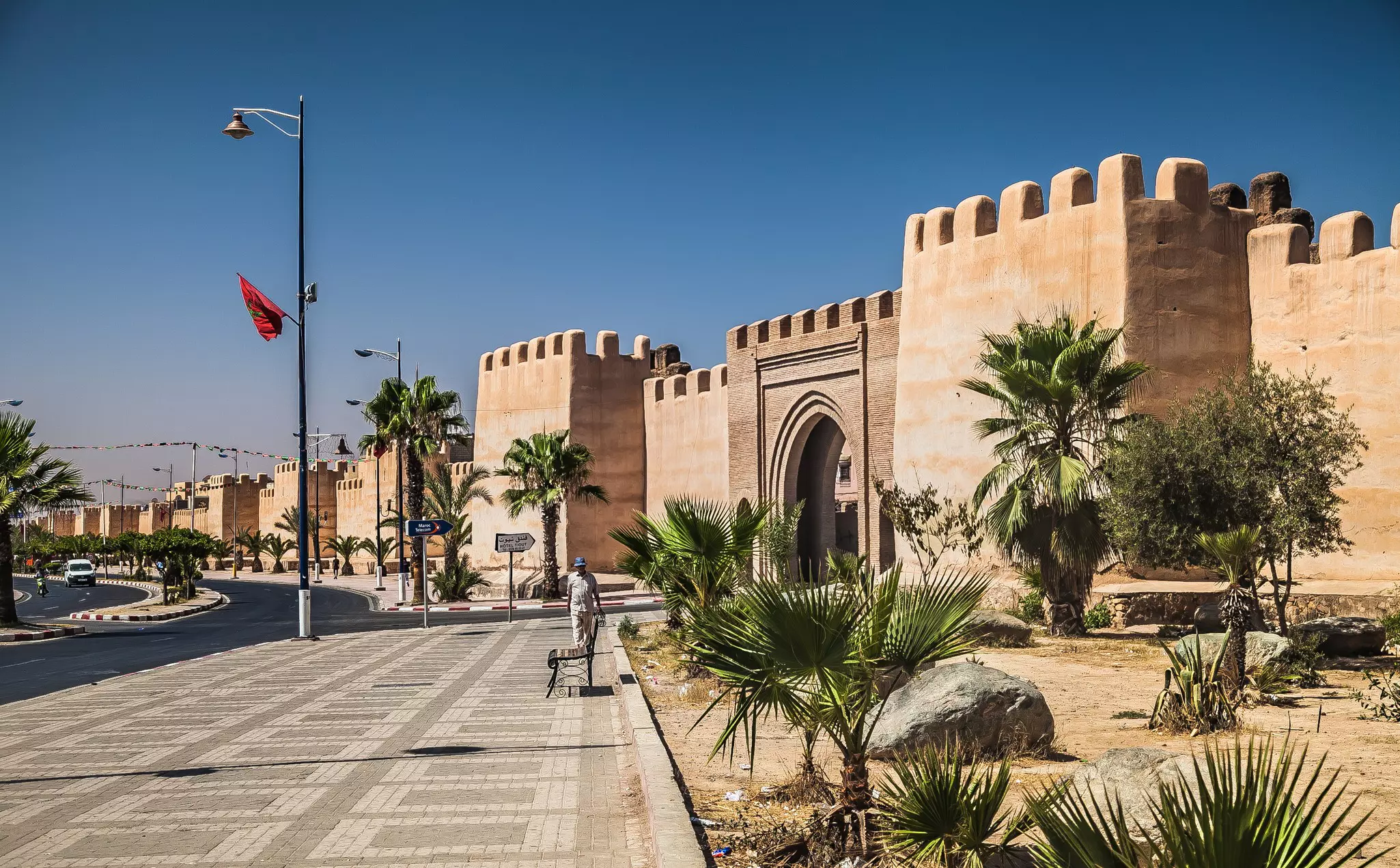
10. Take a day trip to majestic Taroudant
Taroudant’s medina was constructed by the Saadians in the 16th century, but only the ramparts are still intact. They are among the best-preserved rammed-earth walls in Morocco, with nine gates and 130 towers. The city has 7km of pink walls and a maze of alleyways. It’s all easily explored on foot (allow 2 hours), preferably in the late afternoon. Alternatively, give your feet a rest and take a bike or calèche (horse-drawn carriage) and see the walls at sunset.
Bike tours run by Thami Bike and carriage tours operated by Taroudant Tours last an hour through the vibrant streets, markets and landscapes. Inside the medina, Souq Arabe (the grand souq) and Souq Berbère are small and easy to navigate, selling the usual market produce and some hidden gems. Place Assarag is a central meeting point with ATMs, cafes, juice bars and seating under trees.
In the renovated neighborhood of Bab Targhount, at the Tannery Dar Al Dabbagh you can find a guide at the entrance to walk you through the details of how animal skins are turned into usable materials at this tannery via laborious natural methods. There's an option to purchase handbags, wallets, slippers, belts or make a donation at the end.
Planning tip: Outside the medina, Complexe el Kasbah, close to the original kasbah and tourist information bureau, has garden tables for shaded outdoor eating.
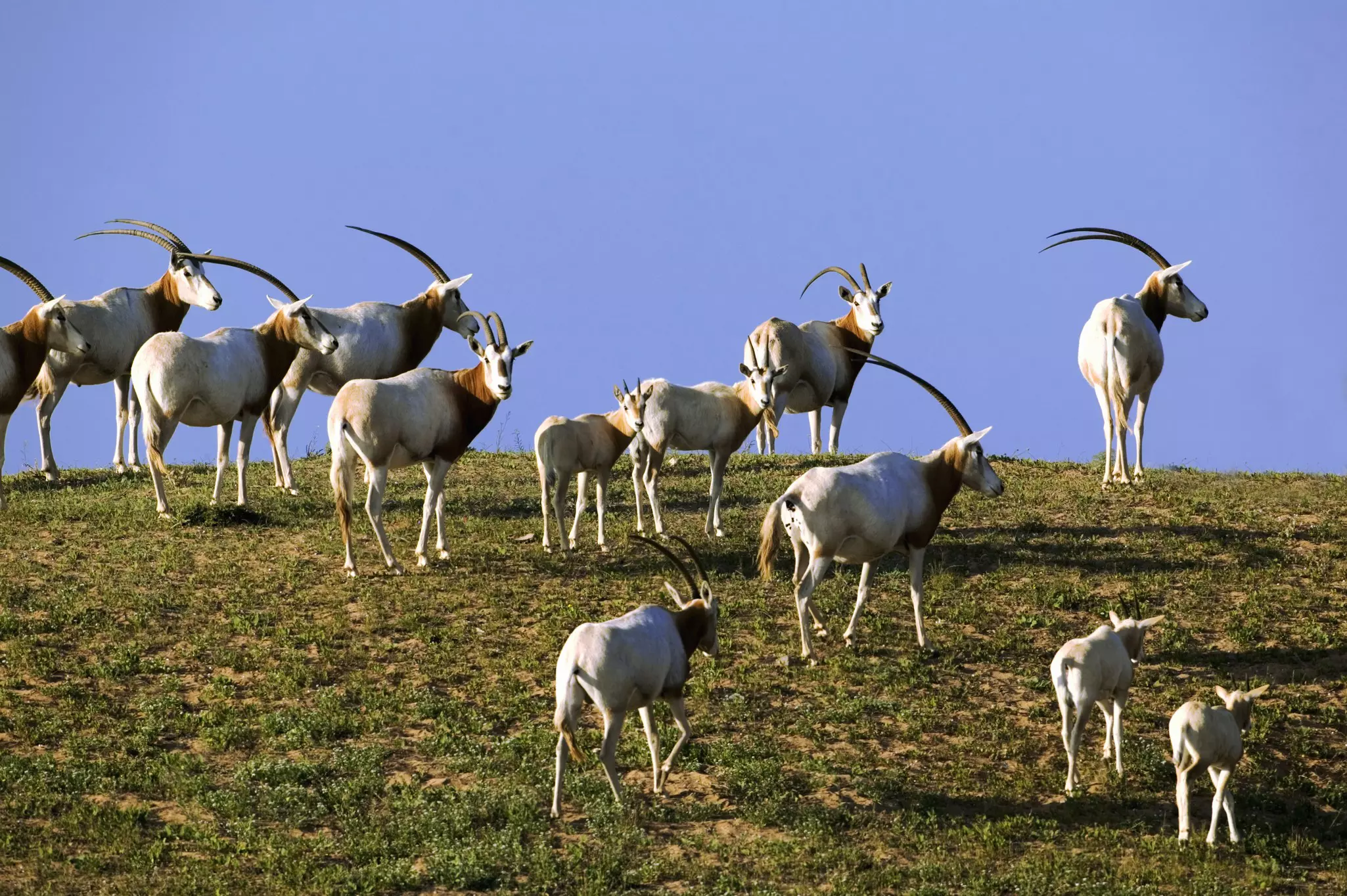
11. Spot wildlife in Souss-Massa National Park
Set 20km south of Agadir on the Atlantic coast, amid sand dunes, fertile valleys and coastal steppes, the 33,800-hectare Souss-Massa National Park is one of Morocco's most significant wildlife reserves. This is a refuge for several gazelle species, red-necked ostriches, the scimitar-horned oryx and the North African ostrich, plus rare birds such as the northern bald ibis.
Several captive breeding and conservation programs have helped increase the populations of scimitar oryx, addax, dama gazelle, dorcas gazelle and North African ostrich. All can be spotted during a drive around the park. Guides will explain about the park’s work and species as you drive, with a chance to get out of the car at viewing pavilions for a closer look at the free-roaming wildlife (some of which is only meters away).
Planning tip: There are two ways to discover the park: along 30km of dirt roads (where visitors self-drive with a park ranger) or on a prearranged 3km hiking tour with a guide, which you can book via the Rokein Information Center.
This article was adapted from Lonely Planet’s Morocco guidebook, published in November 2025.
Advertisement

