Advertisement
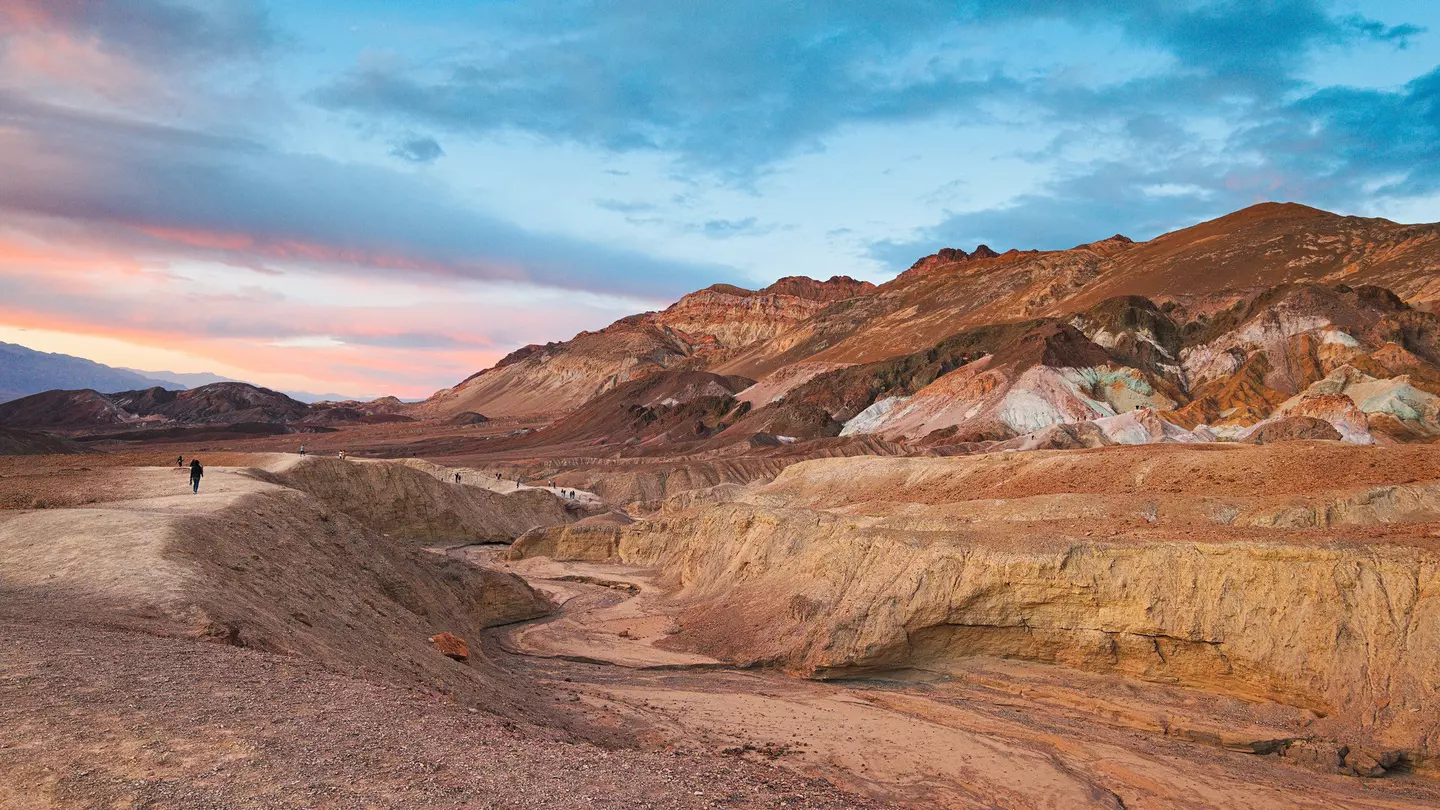
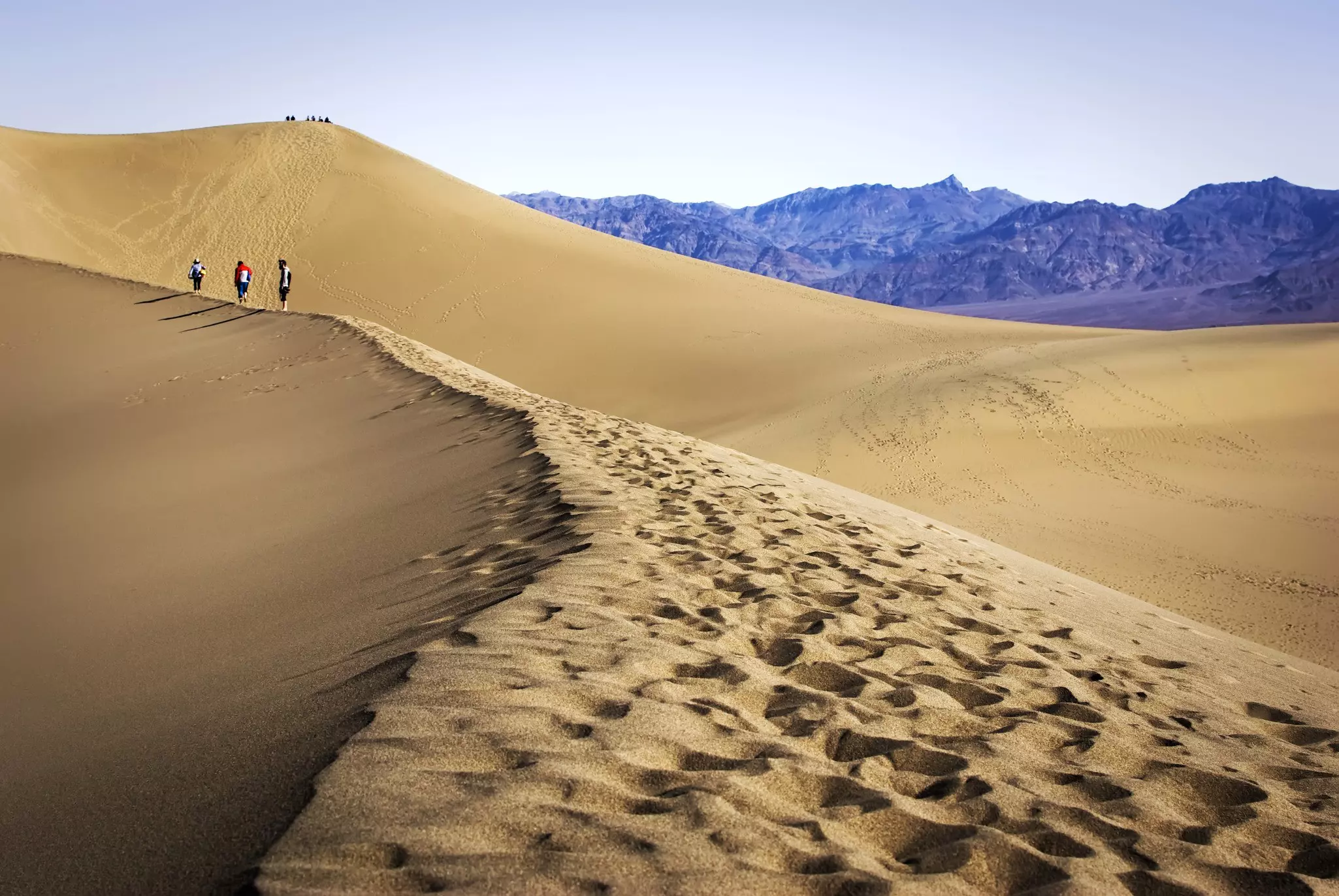
Hikers in the desert at Death Valley National Park. Mohsin Hasan/500px/Getty Images
Welcome to Death Valley, where the mesmerizing desert landscapes are as extreme as the name suggests. Spanning some three million acres across California and Nevada, this park is a playground of surreal salt flats, winding canyons, towering sand dunes and geological formations straight out of a sci-fi movie. It's also the hottest, driest and lowest national park in the United States.
This is a destination that promises – and over-delivers on – adventure, solitude, and truly awe-inspiring natural wonders. Plan your time, budget and activities with this guide to visiting Death Valley National Park.
Advertisement
When should I go to Death Valley National Park?
Death Valley doesn’t mess around with its heat. Summers are like standing in front of an open oven. It’s known as the hottest place on Earth, having recorded its hottest month ever in July 2024, with an average daily high of a scorching 121.9°F (49.9°C). Seriously, this can be a tough place to be in summer.
The best time to visit, certainly for the most comfortable weather, is late fall (October to November) and early spring (March to April). This is when daytime temperatures hover between a manageable 60–85°F (15–29°C). Winters are also mild and pleasant, with temps from 40–70°F (4–21°C), though you may get a sprinkling of rain. These cooler months allow you to hike, explore and enjoy the views in relative comfort when compared to the overbearing heat of summer.
If you visit in summer, you'll be rewarded with lower hotel rates and fewer crowds. Bring gallons of water with you on every outing, wear a wide-brimmed sun hat and plan to venture out early or late in the day.
How much time should I spend in Death Valley National Park?
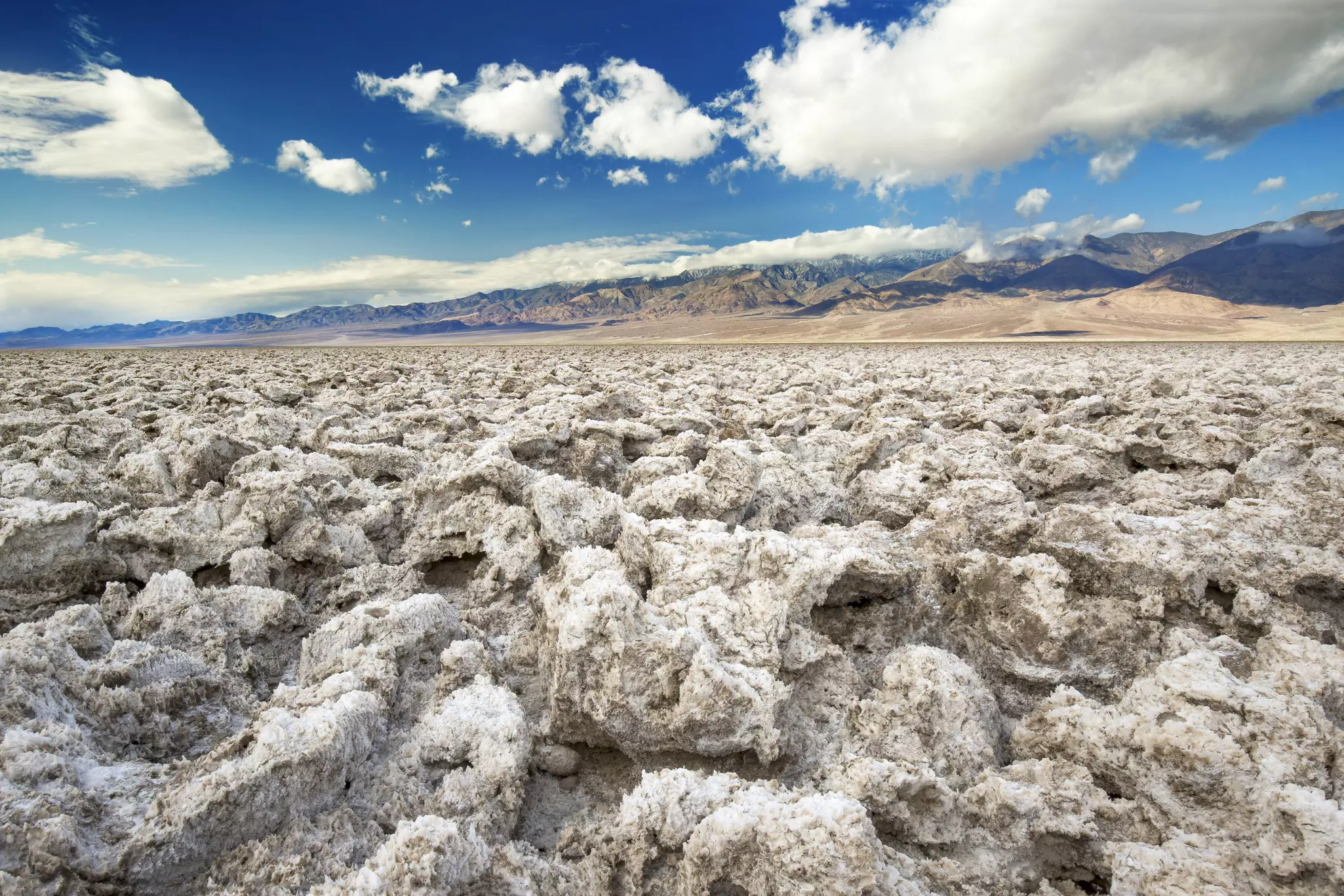
You could hit the highlights of Death Valley National Park in 2 days to explore iconic spots like Badwater Basin, Dante’s View and the Mesquite Flat Sand Dunes. If time permits, take a short hike in Golden Canyon, then experience Devil’s Golf Course, which is known for its jagged salt formations. These are the absolute must-sees that you’ll be asked about upon your return home.
But, if you’ve got 4 days to spare, you’ll be able to savor the quiet solitude of less-traveled hiking trails and enjoy breathtaking vistas without feeling rushed. Plan to wake up early and stay up late so you can catch a sunrise at Zabriskie Point and soak up the stars at night. The stargazing here is legendary and should not be missed (or slept through).
Is it easy to get in and around Death Valley National Park?
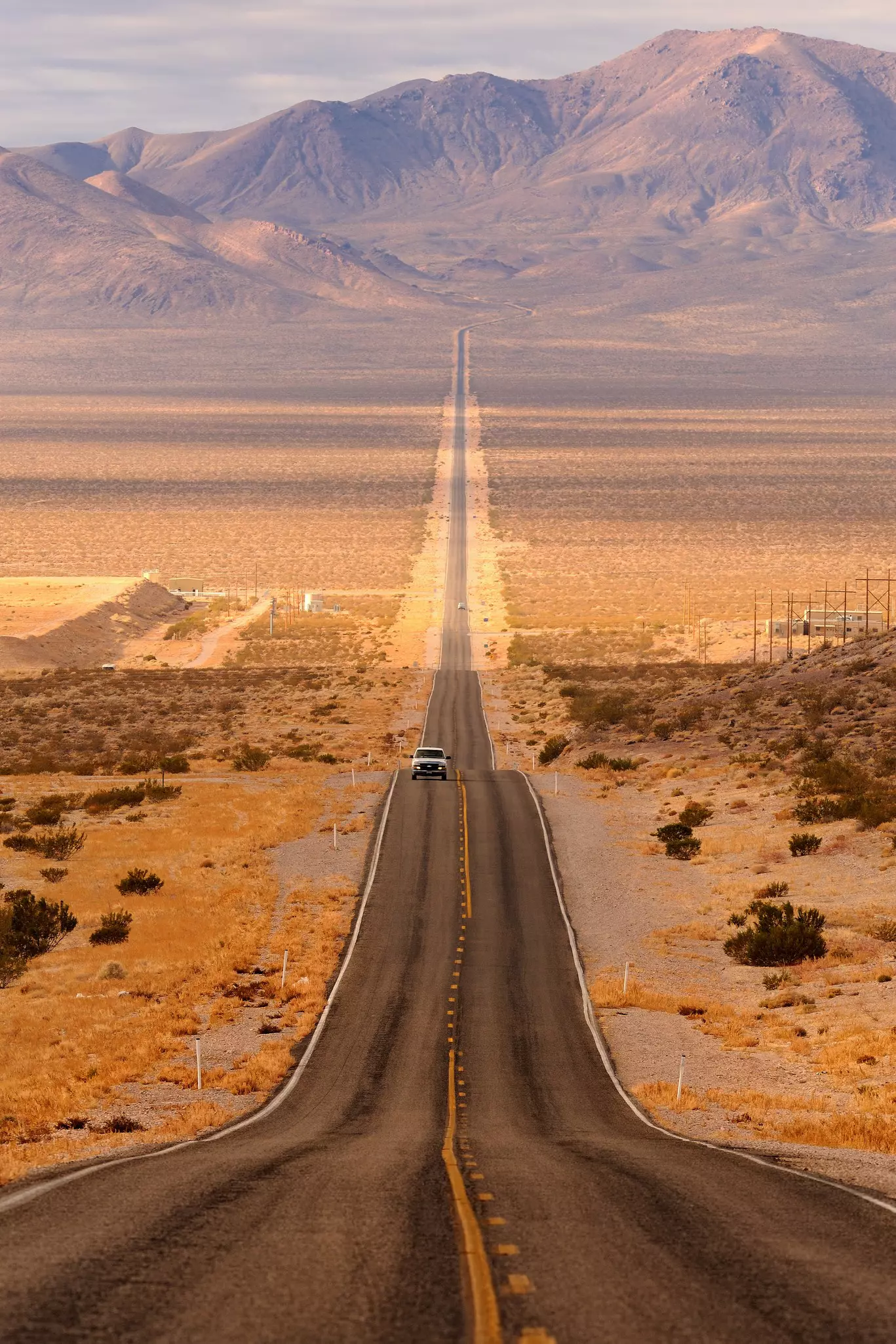
The park’s relative isolation is its charm, but this does make planning a bit more of a challenge. The closest major airport is Harry Reid International Airport in Las Vegas, which is about 2 hours away from the eastern entrance at Death Valley Junction. From here, it’s another 30 minutes to the Furnace Creek Visitor Center, which has a park film, trail maps and nature exhibits.
Advertisement
From Los Angeles, you’re looking at a 5-hour road trip to the western entrance, near Panamint Springs. Either way, you’ll need your own wheels. Death Valley is enormous, and there’s no in-park shuttle service. Fill up on gas before you reach the park since the prices can make you do a double-take (think $5–6 a gallon). There are EV chargers in the park, but not rapid chargers.
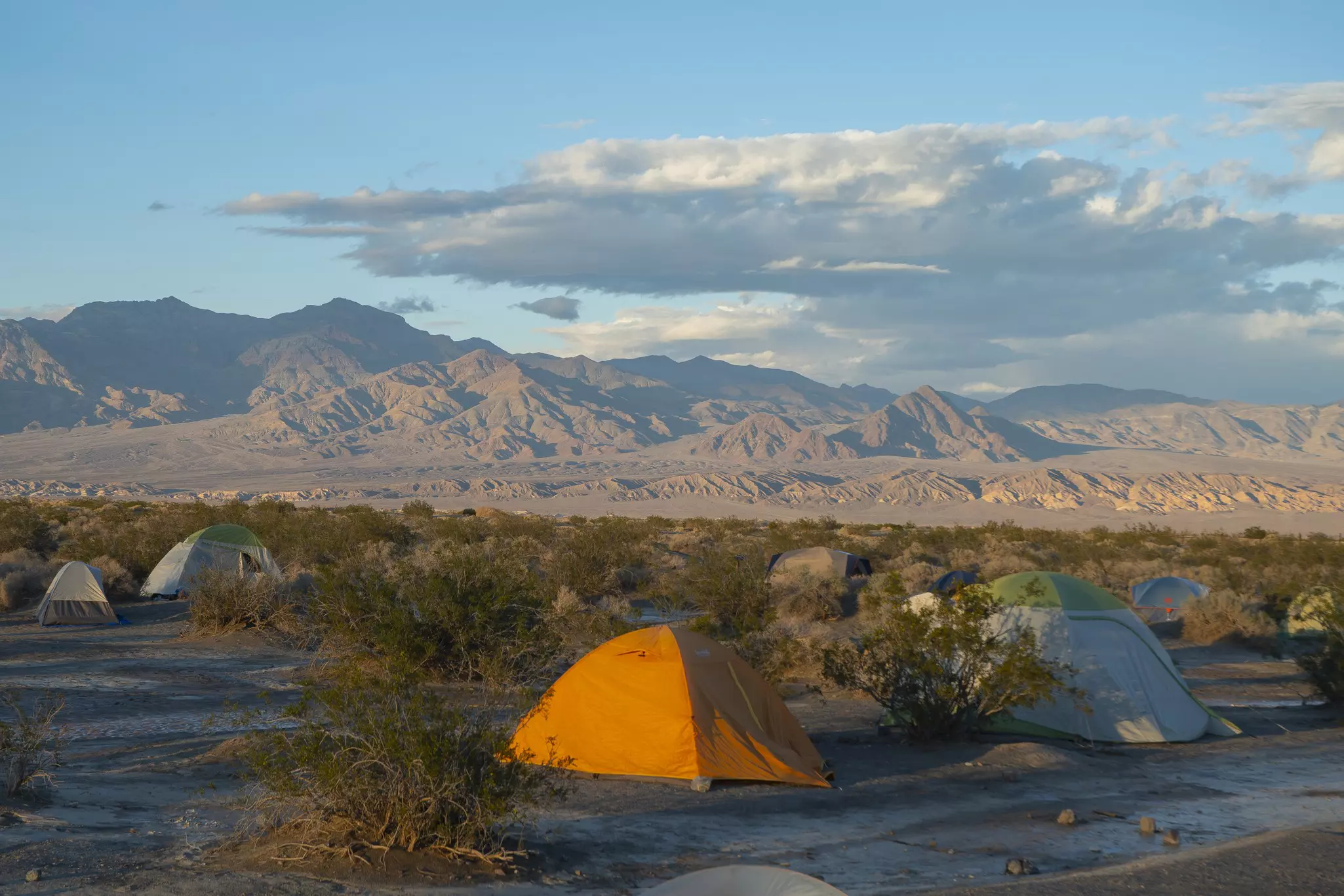
There are several developed campgrounds with flush toilets at Death Valley National Park, most of which accept RVs and travel trailers. There are also five primitive campgrounds with no amenities, including drinking water. There are four lodging options with restaurants in the park, including the Oasis at Death Valley and Stovepipe Wells Village.
Top things to do in Death Valley National Park
Explore Badwater Basin
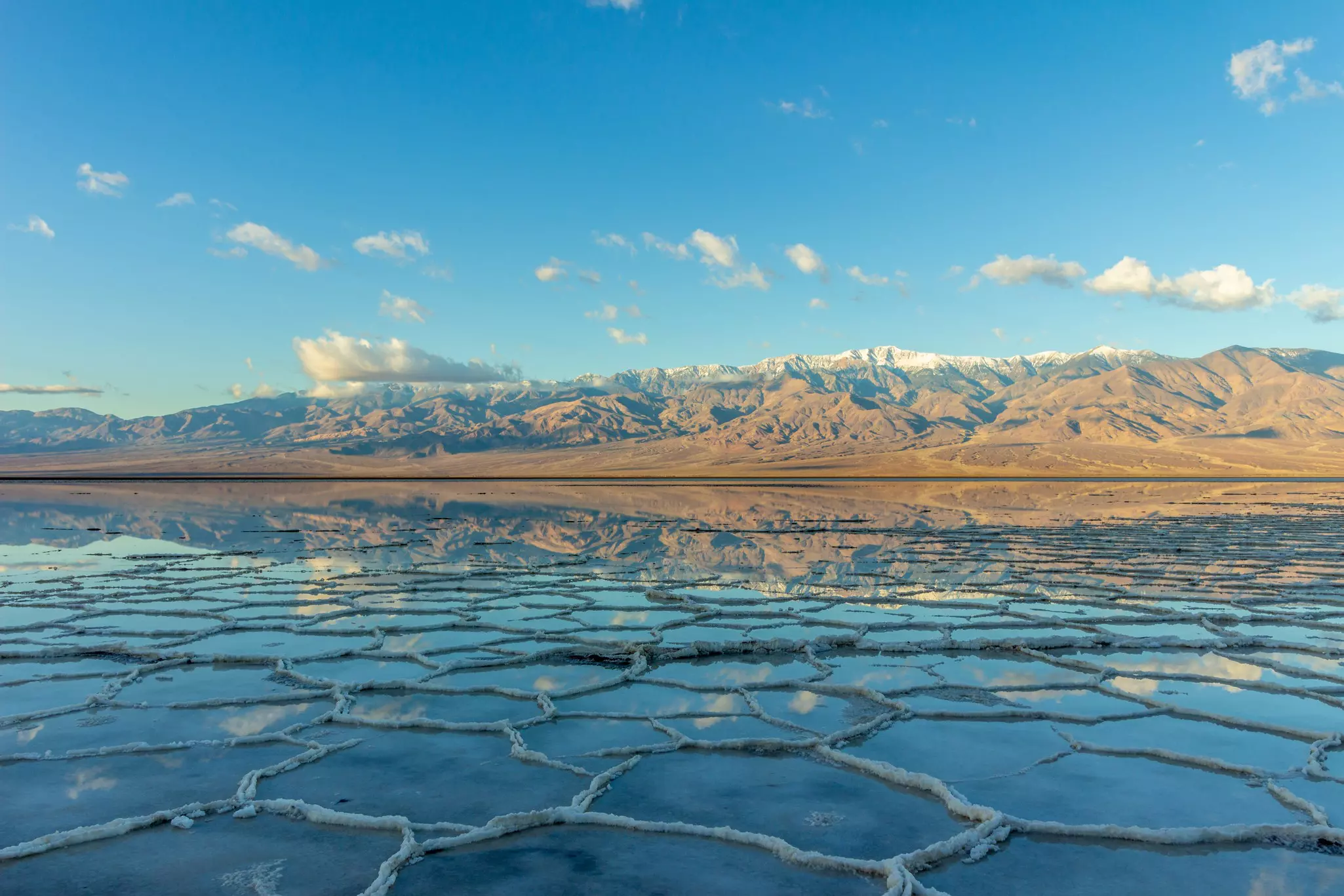
At 282ft below sea level, Badwater Basin looks like another planet with its seemingly endless and eerily beautiful salt flats. Walk out onto the cracked salt surface, and it’s just you, the silence, and a landscape that feels like the end of the world. Despite its name, there’s no drinkable water, though after a rare rainfall, it can transform into a shallow lake.
Sled at Mesquite Flat sand dunes
The wind-sculpted dunes at Mesquite Flat are among the most accessible and photogenic dunes in the park. The rolling sands stretch across the valley floor, creating endless opportunities for exploration, even sledding or sandboarding (though you’ll need to bring your own sleds and boards). Go at sunrise or sunset when the shifting light casts shadows across the sand.
Revel in the colors of Artist’s Palette
Artist’s Drive is a scenic 9-mile loop that winds through volcanic and sedimentary hills. A short hike leads to Artist’s Palette, where mineral deposits have painted the hillsides in pastel pinks, reds and greens. It’s a short detour off the main road, but it’s well worth your time, especially in the late afternoon when the colors are at their most vibrant.
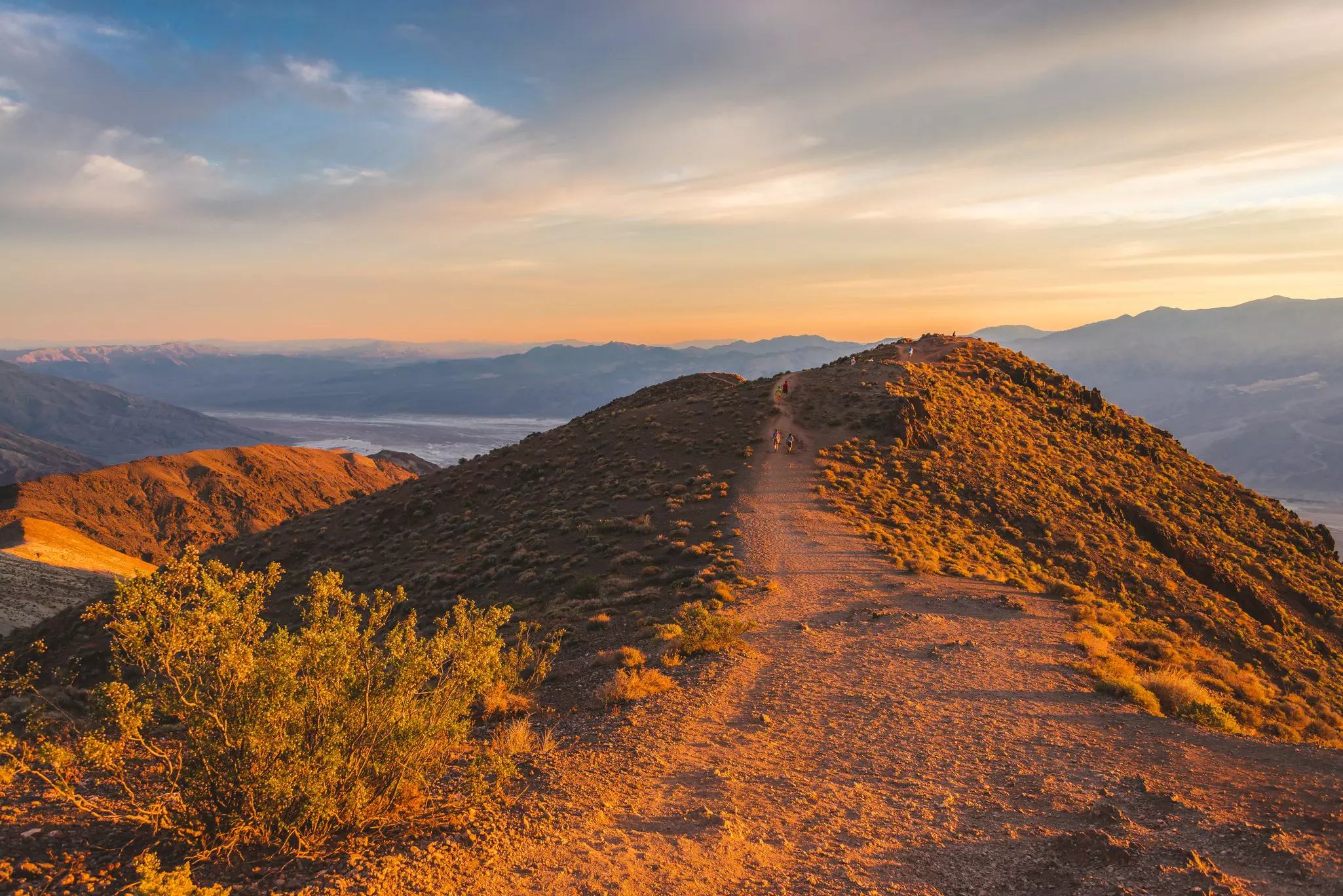
Savor the views from Dante’s View
Perched 5475ft above sea level, Dante’s View offers stunning panoramic vistas across Death Valley, showcasing the salt flats of Badwater Basin and the towering Panamint Mountains. On clear days, you may even catch a glimpse of Mt Whitney, the highest peak in California. The cooler temps at this perch also provide a refreshing escape from the valley’s intense heat.
Stargaze at Harmony Borax Works
Death Valley’s remote location and lack of light pollution make it a prime spot for stargazing. The sky is so clear, you may feel like you’re floating through the Milky Way. In winter, the park offers ranger-led night sky programs, including the annual Dark Sky Festival in February. Among the best spots for stargazing is Harmony Borax Works, as well as Badwater Basin. Time your visit around a new moon for a dazzling celestial show.
My favorite thing to do in Death Valley National Park
One of my favorite stops in the park is Zabriskie Point, which is not just for fantastic sunrises. The views of the otherworldly badlands are absolutely breathtaking at any time of day. You’ll quickly snap a dozen photos to capture the vibrant colors and unique formations. Hiking the 2.5-mile Badlands Loop Trail that winds through the badlands is a must, allowing you to experience their rugged beauty and fascinating geological features up close.
How much money do I need for Death Valley National Park?
Visiting Death Valley National Park is relatively affordable, even with the entrance fee of $30 per vehicle ($25 for a motorcycle), which is good for 7 days (note: this park does not accept cash). Here’s a breakdown of what you can expect to spend during your visit, but keep in mind that prices can fluctuate with the mercury in the thermometer:
Camping: $0–44 per night
Basic hotel: $130–250 per night
Luxury hotel: $350–450 per night
Simple dinner (for two): $50–80
Gasoline (per gallon): $5–6
What do I need to pack?
Be prepared for extreme conditions. Death Valley is notorious for its heat, but the temperature can also drop significantly at night. Bring layers, plenty of water, sunscreen and a hat. Heatstroke is no joke.
What else should I prepare for?
Wildlife encounters: Expect to see wildlife, like roadrunners, squirrels and lizards. But stay safe and don’t get too close – especially with rattlesnakes. Always admire wildlife from afar.
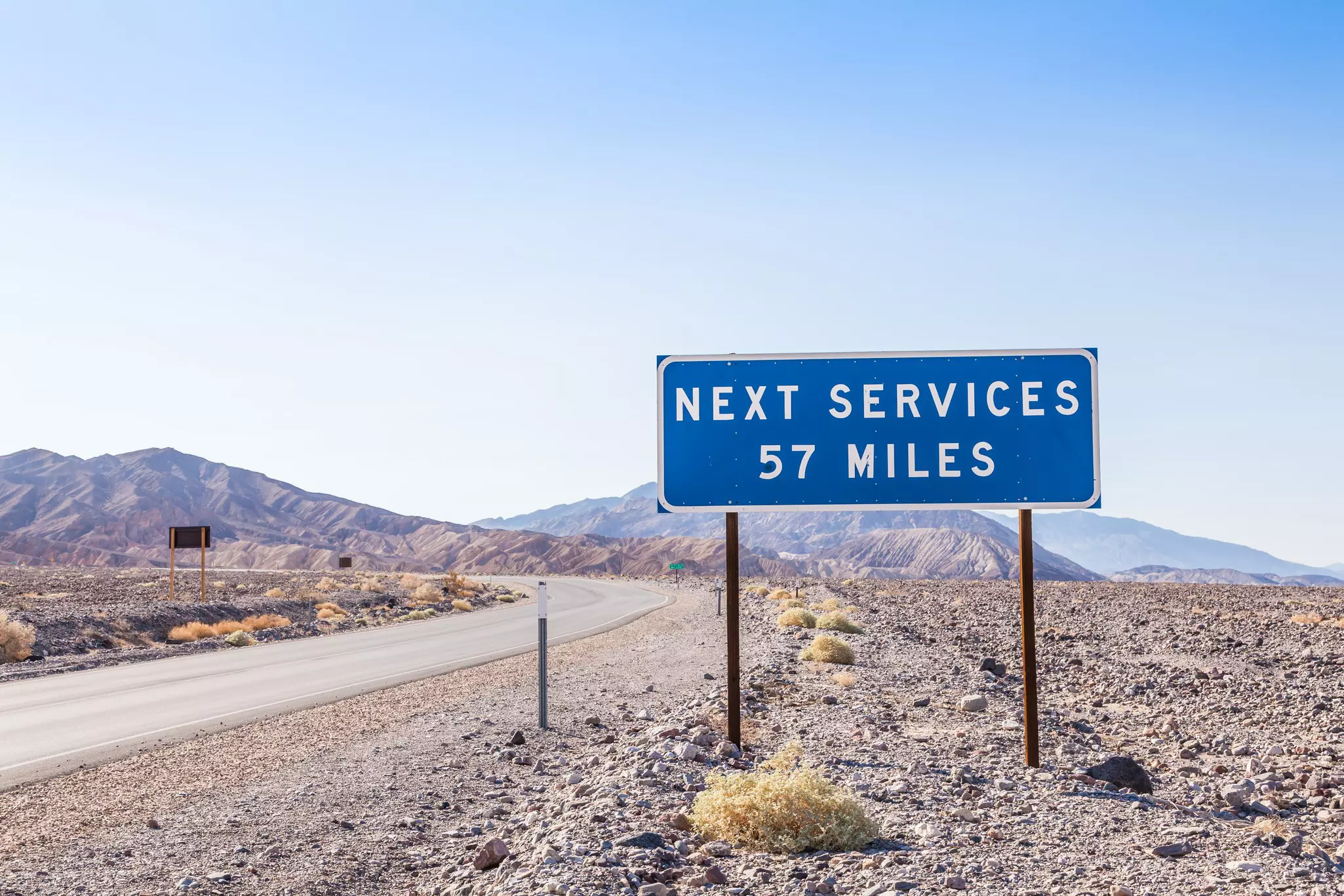
Intermittent cell service: Don’t count on your phone working in most of the park. Make sure someone knows your itinerary before you venture into more isolated areas.
Photo op: No matter the temperature, make sure to capture a shot of the digital thermometer display in front of the Furnace Creek Visitor Center.
Advertisement