Advertisement

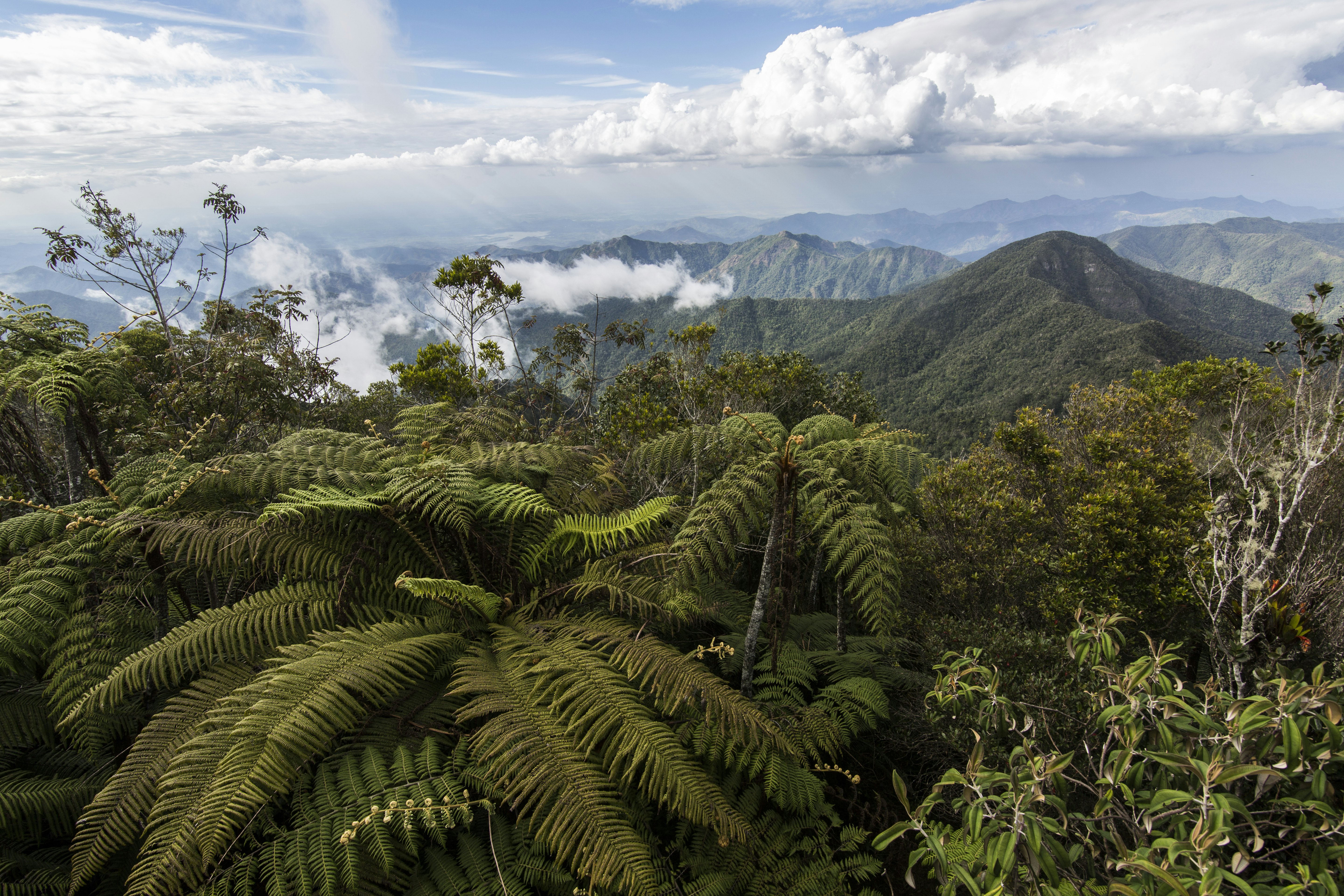
Pico Turquino. Rafal Cichawa/Shutterstock
Cuba has some of the Caribbean’s best-protected ecosystems, so visitors can take in the natural beauty and native wildlife at their most unadulterated.
Usually associated with Havana's many temptations and beach resorts like Varadero, the island has more than 200 protected areas, and its national parks aren’t well known – but should be. At reserves throughout the country, travelers will find verdant hills, isolated coastlines and turquoise-encircled islets, plus wilderness with incredible natural features.
Here are our picks for seven national parks in Cuba that you shouldn’t miss.
Advertisement
1. Parque Nacional Turquino
Best for hiking
Parque Nacional Turquino displays monumental ferns and exuberant foliage in lush, mountainous landscapes. Straddling the Santiago de Cuba and Granma provinces, the park includes the island’s highest elevations – Pico Turquino (1975m), Pico Cuba (1872m) and Pico Suecia (1734m) – all of which have a range of choices for hiking. From Villa Santo Domingo, whose shops and accommodations make it a hub for visitors, you can hire a guide (mandatory to explore the park) and wind your way up the road to the park’s base at Alto del Naranjo, stopping midway to gaze at the pebbled beaches at the foot of the stunning Sierra Maestra mountainscape.
A 3km hike from the entrance to the park leads to Comandancia de la Plata, the guerrilla headquarters in the late 1950s, where Fidel Castro’s command post is still exhibited as a minimuseum in a forest clearing.
Planning tip: To reach the summit of Pico Turquino, you’ll have to camp for the night at the mountain’s base. In addition to lightweight clothing and hiking shoes, you’ll need insect repellent and nonperishable snacks and food. This is Cuba’s hottest and most humid region, so it’s best visited during spring (March to May) or fall (September to November).

2. Parque Nacional Guanahacabibes
Best for marine life
One of Cuba’s largest national parks, Guanahacabibes encompasses a sweeping coastline with rocky formations interrupted by a dozen unspoiled beaches. A UNESCO Biosphere Reserve, these protected lands on the spur of western Cuba extend across 400 sq km of the Cabo de San Antonio peninsula.
From May to September, four species of marine turtles come to Guanahacabibes to lay their eggs on the sand dunes, mostly around Playa La Barca. Multiday tours are best arranged through specialized travel agencies. You’ll need 4WD transportation and expert advice to explore a park that’s vast and magnificent but lacking in tourist-friendly signage. Start your journey at the visitors center in La Bajada.
The peninsula also hosts 200 of the 368 bird species known in Cuba, including migrant birds during the winter (December to February). Keep an eye out for kestrels, herons, pink flamingos, brown pelicans and native zunzuncitos (hummingbirds).
Advertisement
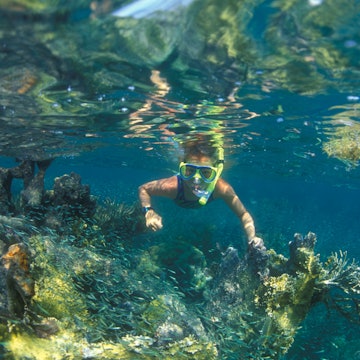
Planning tip: For a day of diving or snorkeling, visit the María La Gorda diving center, close to some 50 diving spots. Gear up to enjoy the colorful tropical fish in one of the world’s best diving areas and the Caribbean’s largest reef of black coral.
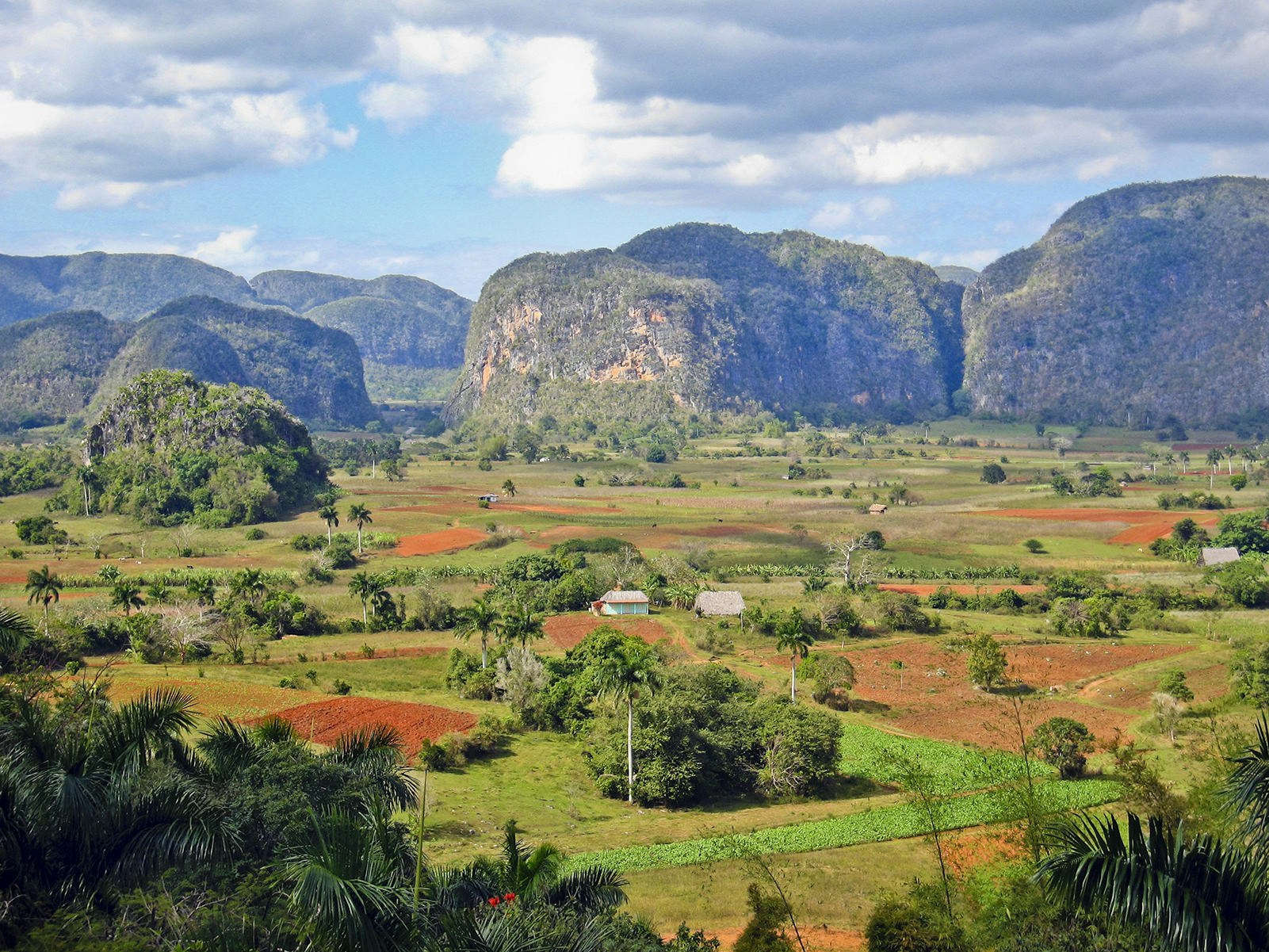
3. Valle de Viñales
Best for cycling
Just 3 hours from Havana, Viñales is a dreamland for outdoor adventurers. The road trip to get here zigzags around steep hills and fields of pine trees before depositing visitors in a red and green landscape dotted with dramatic round-topped limestone formations known as mogotes. Pack your days with activities, or opt to relax on a porch watching the sun set behind forested mountains.
In addition to hiking to Valle del Palmarito or the isolated Los Acuáticos community, one of the park’s biggest attractions is cycling. North of Viñales town, decent, moderately flat roads go around verdant tobacco farms and muddy back routes pass by thatch-roofed houses.
Planning tip: Unless you’re day-tripping from Havana, base yourself in the picturesque town of Viñales, which has an excellent array of casas particulares (private homestays). Owners will hook you up with local guides to take you hiking, cycling, horseback riding and even climbing in Gran Caverna de Santo Tomás.


4. Parque Nacional Ciénaga de Zapata
Best for bird-watching
Extending over 300 sq km, Parque Nacional Ciénaga de Zapata contains the Caribbean’s largest wetlands and a coastal area rich in coral reefs and tropical fish. You’ll find the visitors center in Boca de Guamá, a hub from which to head out on excursions. You might ride a motorboat to Laguna del Tesoro or visit a crocodile farm that also has guinea-pig-like hutias, freshwater turtles and endemic majuarí (Cuban gar).
The Ciénaga is crossed by several bird-watching trails, with Bermejas being the richest in endemic wildlife. Located about 3km from Playa Girón on the road to Cienfuegos, Bermejas is home to 19 endemic bird species (out of the 24 reported in the swamplands). Look out for tocororo (Cuban trogon), cabrerito de la ciénaga (Zapata sparrow) and ferminias (Zapata wren). You’ll need an expert guide; casa owners and locals in Playa Girón will set you up with the right one.
Detour: While driving south toward Playa Girón, stop at the crystal-clear cenote of Cueva de los Peces, then enjoy a couple of hours at family favorite Caleta Buena and its shallow natural pools. Swim in transparent Caribbean waters at Punta Perdiz: without the need for special diving equipment, you’ll see curious isabelitas and carajuelo fish playing with your toes. Scuba fans should plan for several immersions at Playa Larga’s multiple diving spots, including shipwrecks from the Spanish colonial era.
5. Parque Nacional Los Caimanes
Best for snorkeling
Off the northern coasts of the Villa Clara and Ciego de Ávila provinces, Los Caimanes is one of Cuba’s most biodiverse marine regions, with some 658 species. Though this chain of islets was officially declared a national park in 2008, few tourists reach it – so expect truly unexplored marine landscapes.
Rumor has it that US writer Ernest Hemingway navigated his boat Pilar through these islands looking for Nazi submarines during WWII. He later reported that Cayo Media Luna inspired the seascape of his book Islands in the Stream.
Planning tip: Ninety-nine percent of the park's 288 sq km is underwater and best discovered by boat from the Cayo Las Brujas marina, where you can also arrange for snorkeling and diving excursions in the park. Ask at the marina for a visit to Cayo Media Luna, where a wrecked ship lies in shallow waters at the western tip of the islet.

6. Parque Nacional Alejandro de Humboldt
Best for native flora and fauna
Arguably Cuba’s most spectacular ecosystem, Parque Nacional Alejandro de Humboldt is also one of the island’s least explored parks, with a complex geology and dense forests. Housing an impressive number of native species, most of the mountains are still untouched and highly protected. A few trails run inland behind the town of Baracoa, with El Copal being the shortest; for an immersive experience through dense vegetation, take the 5km Balcón de Iberia trail, the longest available for a one-day excursion.
UNESCO listed Parque Nacional Alejandro de Humboldt as a World Heritage Site because so many of its plant and animal species are endemic: a third of its mammals, a quarter of its birds, more than three-quarters of its reptiles and nearly all the park’s amphibians. Manatees are protected in the waters of the Bahía de Taco, which can be explored on a 2-hour boat trip.
Planning tip: As with other parks in Cuba, using a guide is compulsory; you can arrange tours from most of the tourism offices in Baracoa. Ask your guide to help you find the Monte Iberia eleuth, the northern hemisphere’s smallest frog, measuring a minuscule 9mm when fully grown. Most tours include a 1-hour dip in Playa Maguana on the way back to Baracoa.
7. Parque Nacional Caguanes
Best for boat excursions and bats
Bathed by the Bahía de Buenavista, Caguanes is a chain of 10 islands (Cayos de Piedra) and mangrove-filled wetlands that are all but unvisited by foreign tourists. The protected 204-sq-km park features caves, archeological sites and colonies of flamingos, but it is perhaps best known for its huge bat colonies. The world’s smallest bat (the butterfly bat) and the largest in Latin America (the pescador bat) both live here.
Planning tip: To explore Parque Nacional Caguanes, check in Villa San José del Lago for boat trips around Cayos de Piedra or to the Humboldt, Ramos and Los Chivos caves. The coastal mangrove lands are home to 112 resident and migrant bird species from November to March, and a variety of reptiles and amphibians, including Cuba’s longest snake, the majá de Santamaría.
Advertisement