Advertisement

The harbor and Mt Vesuvius in Naples, Italy. Photosbypatrik/Shutterstock
Naples, Italy's third-largest city, thrives on contradictions. It is both chaotic and cultured, opulent and gritty, exuberant and understated, with architectural gems to discover around every corner. Founded by Greeks in the first millennium BCE, Naples is one of the oldest continuously inhabited urban areas in the world and has witnessed over 2500 years of history unfold from its magnificent perch along the Mediterranean Sea, with Mt Vesuvius looming in the distance.
We can thank Naples for inventing pizza, but culinary delights abound, and caffè culture is found in its many charming coffee bars. Many tourists skip this intriguing city as they make their way to the Amalfi Coast or Pompeii archaeological park, and they are missing out. Here's everything you need to know before your trip to Naples, Italy.
Advertisement
1. Visit Naples in spring or fall to avoid the summer crowds
The best time to visit Naples is late spring, before the summer crowds arrive, or early fall, when the hectic tourist season has come to a close, but the weather is still sunny and warm.
Winter is even less crowded, offering more opportunities to meet the locals, but you can expect some rainy weather. The Christmas season is hectic in Naples. However, the many festivities and holiday traditions, including the Neapolitan tradition of creating elaborate presepe (nativity scenes), make it a great time to visit despite the local crowds.

2. First-timers should stay in centro storico
If it's your first visit to Naples, consider staying in the bustling centro storico (historic center), the heart of the city. Naples' entire central district is a UNESCO World Heritage Site, complete with cobbled streets, elegant palazzos, and historic churches around every corner.
3. Chiaia has luxe hotels and high-end shopping
For a more relaxed stay, Chiaia, Naples' seafront neighborhood, offers luxe hotels with stunning views of the Mediterranean Sea. Chiaia is best known for its many independent fashion boutiques, but you'll also find high-end shops here, such as Prada and Armani.

4. Posillipo is the best neighborhood for families
Families will enjoy a stay in Posillipo, a quieter, more residential neighborhood located along the northern coast of the Gulf of Naples. Posillipo is home to several beaches and parks. Don't miss Parco Virgiliano, a green oasis in the city where terraces overlooking the whole Gulf of Naples offer vistas of the beautiful islands of Ischia, Capri, and Procida.
Advertisement
5. Italian is not the only language you'll hear in the streets
Italian is the official language in Naples. That said, most people in Naples and Campania speak the lively Napolitano (Neapolitan) regional dialect. You'll find English spoken in most hotels and restaurants, but pack an Italian phrasebook and learn a few key phrases before your trip so you can communicate with locals.

6. Carry some cash as cards aren't always accepted
The Euro is the official currency of Naples and the rest of Italy. Credit cards (Visa and Mastercard) are widely accepted, but street market vendors, taxi drivers, smaller shops and eateries may not accept credit cards and usually prefer to be paid in cash.
7. Tipping is not expected but it's good to leave something
Tipping is not standard in Italy, but it is common to add about €1 per diner to tip restaurant waitstaff for good service or round up the bill. At a coffee shop, for example, round up so you'd leave €1 for a €0.80 espresso.

8. It's easy to get around Naples on public transport
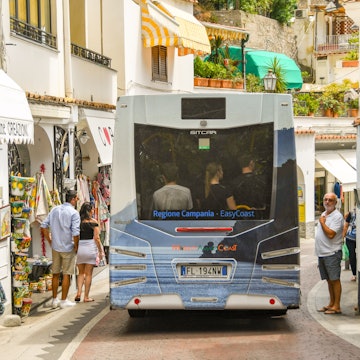
Naples' main tourist attractions are centered along the seafront and centro storico, so it's easy to get around on foot. The city has an extensive public transportation system, with Metro trains, buses, trams and even funiculars that transport riders up prominent hills in the city. Regional trains connect visitors to Pompeii, Herculaneum, and towns on the Amalfi Coast, including Sorrento. Naples International Airport is connected to the city by bus.
9. Don't rent a car or scooter while staying in Naples
Renting a car in Naples isn't advised since parking is scarce, the narrow, one-way streets can be challenging to navigate, and traffic is always an issue, so opt for walking or taking public transportation. Taxis are plentiful, but never enter one without negotiating the price beforehand to avoid being overcharged. It may seem like a good idea to rent a scooter to get around the congested coast, but the rules of the road are cutthroat, and if you’re not used to them, you’re a liability on the road for yourself and others.

10. Save money with a multi-entry museums pass
If you plan to spend a lot of time sightseeing in Naples, save money with a Napoli Artecard. The pass includes free admission to up to three museums and a 50% discount on admission to attractions thereafter, plus free travel on all public transportation. Some attractions have limited capacity, so you may need to book a few visits in advance. Another option is the Campania Artecard, which includes tourist sites and museums outside of Naples, such as Pompeii and Herculaneum.
You can buy it online and receive it immediately via email or app, but be sure to activate it manually on first use at any UnicoCampania transport network turnstile or at the ticket office of any participating museum. Visitors aged between 18 and 25 will save even more money with the Naples Artecard Young pass.
11. Naples is pretty safe, but watch for pickpockets
Naples is generally safe to visit, and most major cities in the USA outrank Naples in terms of crime levels. Violent crime is rare, but petty crime remains an issue. Pickpockets can be a problem in crowded places, around tourist landmarks, on the metro and at train stations, so keep your belongings in a cross-body money belt or secure internal pockets.
Mt Vesuvius is an active volcano, and earthquakes are also possible, so keep an eye on the news before and during your visit, and follow local advice.

12. Women may receive unwanted attention
Campania still has a very strong machismo streak, and if you’re staying alone or with other women, you might find attention turned your way. While much of it is harmless, your comfort level is paramount: be firm if the attention is unwanted. Italian authorities are significantly more sensitive to complaints by women about harassment since it’s bad for the tourist image, so use that to your advantage if the situation calls for it.
13. Know who to call in an emergency
In the case of a medical emergency, dial the free number 118 anytime, anywhere in Italy, to request emergency assistance or an ambulance. If your ailment isn’t serious, make a farmacia (pharmacy) your first stop. The pharmacist can give medical advice and over-the-counter medications, or point you in the right direction if need be.
Advertisement
Take your Italy trip with Lonely Planet Journeys
Time to book that trip to Italy
Lonely Planet Journeys takes you there with fully customizable trips to top destinations – all crafted by our local experts.