Advertisement
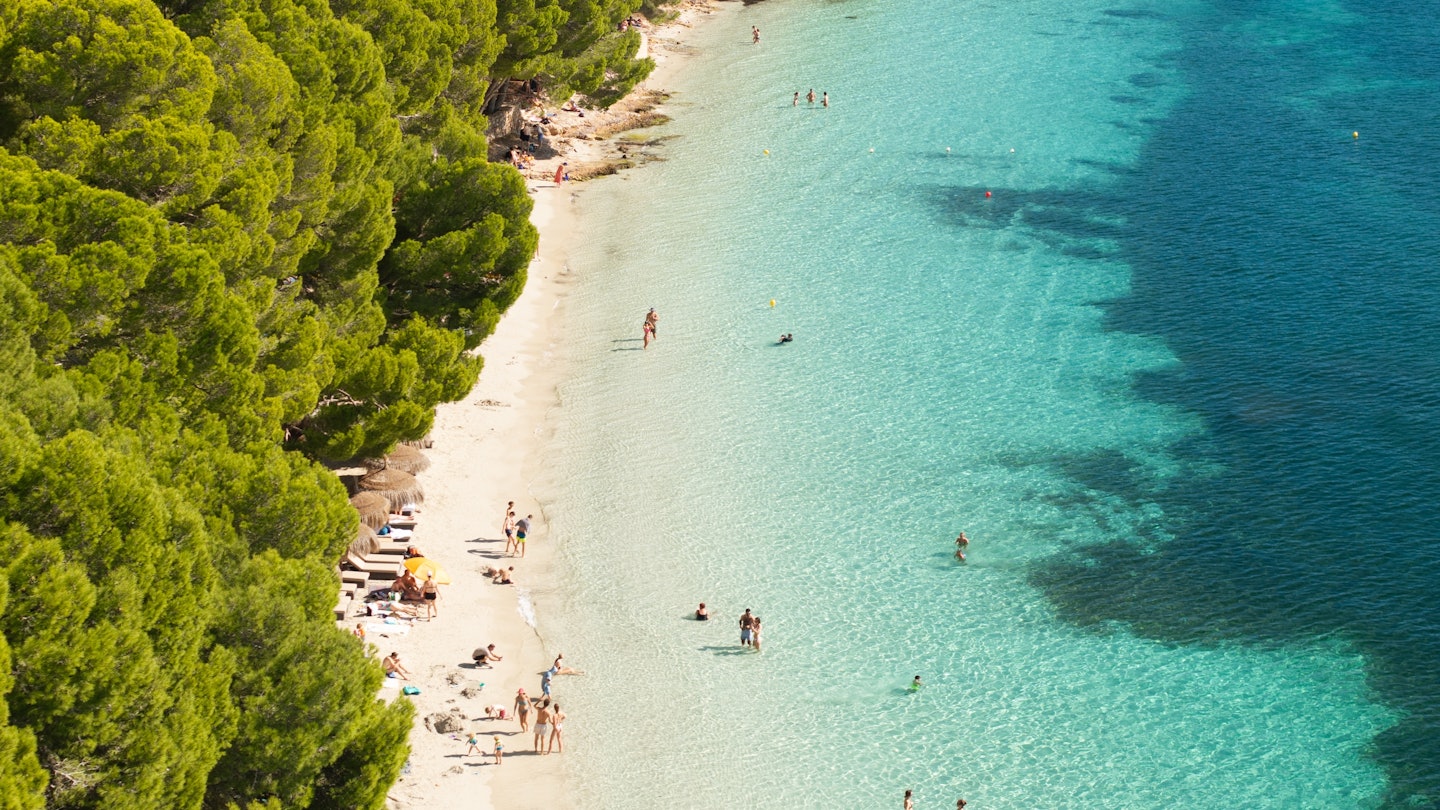
Platja de Formentor, on the northern tip of Mallorca, Spain. engel.ac/Shutterstock
With almost as many bays and calas (coves) as there are days in the year, Mallorca is famed for its coastline and a wonderful collection of glorious sandy beaches and rocky coves.
On the southern tip of the Spanish island, wash up to the wild sands of Platja des Trenc, or seek out the white sands and windsurfing of Pollença and Alcúdia in the north. The west coast boasts rocky calas and clear waters, while the east is home to sandy harbor towns and the party beaches of Badia de Palma.
Start planning your trip with this regional guide to Mallorca's best beaches.
North coast
1. Platja de Formentor
Best for kids
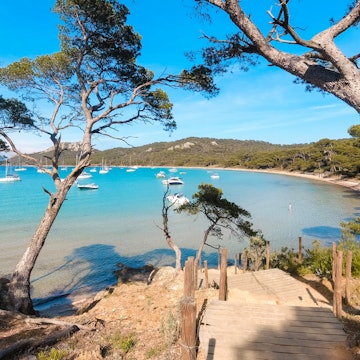
You'll find some untrampled joy on the north coast, where beaches like Platja de Formentor are rare. The narrow strip of golden sand backed by pine forests abuts a secluded, shallow bay that's great for families. Paddleboards and kayaks can be rented to explore the rocky coastline. This is the site of Hotel Formentor, a grand hotel (now a Four Seasons) that opened in 1929 and played host to figures such as Charlie Chaplin, Audrey Hepburn, F Scott Fitzgerald and Elizabeth Taylor.
Planning tip: Whether you arrive by boat from Port de Pollença or in a car via Cap de Formentor, the views will be incredible (it's worth parking the car to fully appreciate the Mirador del Mas Pas). Bring your camera for magical photo opportunities.
2. Playa del Alcúdia
Best for amenities
Playa de Alcúdia is Mallorca’s longest beach, so it never feels crowded, even on busy days. It's well developed with resorts, water sports and amenities, including a playground for children. The gentle waters are a draw for kayakers and families with young children.
Detour: Alcúdia is a laid-back resort with an excellent selection of attractions and restaurants where you can retreat when the tide comes in. Head for the Old Town and walk along the city walls.

Northeast coast
3. Cala Torta, Cala Mitjana and Cala Matzoc
Best for peace and quiet
The Levant Peninsula Natural Park has several beaches that are close enough to visit in one day. From Artà, a 10km-drive through mountainous woodland leads to the wide, sandy beach of Cala Torta, with its beautiful turquoise waters, and from there it's just a 15-minute walk to Cala Mitjana.
With sugar white sand lapped by liquid jade waters, this beach – which even in the August high season might have only a handful of people on it – is dazzlingly beautiful. Further north is Cala Matzoc. Often empty, this sandy beach is a vision of how the Spanish Mediterranean coastline must have looked a hundred years ago.
Planning tip: Bring your own supplies as you won't find many amenities around here.
4. Cala Bota, Cala Virgili, Cala Pilota and Cala Magraner
Best off the beaten track
Just north of busy Cales de Mallorca, a walking trail leads for several kilometers through woodland to a series of four pristine coves. The first – and easiest to reach – is Cala Bota; a good 30-minute walk north is Cala Virgili, then Cala Pilota. These are small rocky coves visited by a few yachts. North again is the best beach of the lot, Cala Magraner; here, a finger of transparent water juts inland to meet the sandy cove.
Planning tip: Wear comfortable shoes as you'll be doing a lot of walking.
East coast
5. Cala Varques
Best for naturists
Secluded and tranquil, Cala Varques is located in the Cales Verges de Manacor nature reserve and is accessible only by a 15-minute walk through a pine forest. Known for its clear waters and naturist-friendly vibe, what it lacks in facilities it makes up for in tranquility.
Planning tip: This beach isn't easy to find. It's accessible via a dirt path from the main road, then a short walk through the forest. Bring your own supplies.

Lonely planet’s trusted travel insurance provider
Travel with confidence. Protect your trip and your wallet.
We don’t represent World Nomads, we receive a fee from quotes using this link. This is not a recommendation to buy travel insurance.
Southeast coast
6. Caló des Moro
Best for photos
Probably the most Instagrammed of all of Mallorca's beaches, thanks to its idyllic setting, Caló des Moro is a slim strip of soft white sand between tree-lined promontories. It gets crowded in summer, so visit early or late in the day. The clear and calm shallow waters are great for snorkeling.
Planning tip: The beach is accessible through a narrow and steep flight of stairs. There are no restaurants here, so pack a picnic.
7. Cala Santanyí
Best for water sports
Around 10km from the market town of Santanyí is Cala Santanyí, a white sand cove. At its loveliest before summer is in full swing or just after the holiday crowds leave, the crystalline waters are family-friendly and perfect for snorkeling. There are hotels and restaurants by the beach, showers and toilets nearby, and umbrellas and lounge chairs to rent. You'll also find various water sports on offer.
Local tip: Paddleboarding and kayaking are popular, as are dive trips – try Cala Santanyí Diving Center.
8. Cala Mondragó
Best for families
Located in Mondrago Natural Park, Cala Mondragó is a protected Blue Flag beach with fine white sand and turquoise water. It’s ideal for families, with a beach bar and nearby parking. A limited number of sun loungers and umbrellas are available to rent, and there are some portable toilets nearby, but otherwise, it's low on amenities.
Detour: For a quieter experience, walk to the less-frequented Cala S’Amarador.

South coast
9. Platja des Trenc
Best for Caribbean vibes
Start the day early and head for the pristine Platja des Trenc – so picture perfect it has doubled as the Caribbean in several films. Backed by sand dunes and set in a natural park, this wild white sand beach with turquoise waters stretches for over 10km. There are a couple of small chiringuitos (snack bars) but little else in the way of facilities. The beach is best enjoyed for an early morning swim or to catch the evening sunset.
Local tip: Head to Colònia de Sant Jordi for lunch. Cassai Beach House and 5illes beach restaurant are good picks.
10. Cala Llamp
Best for a rocky terrace
Near the upscale resort of Port d’Andratx, with its boutiques and art galleries, is Cala Llamp, where locals swim and snorkel in the bottle green water. There’s no sand, but you can lie on a shelf of rock that tilts gently into the sparkling sea. The rugged, pine-cloaked cliffs are dotted with villas and rear up like an amphitheater behind. It’s a 30-minute walk from town, or you can drive there.
Detour: For even more tranquility, Cala Blanca lies a little further south and is – for the moment – totally undeveloped and absolutely beautiful.

11. Cala Pi
Best for snorkeling
The Caribbean-like cove of Cala Pi is sheltered by natural cliffsides and is only about 50m wide. You can reach it via a steep staircase. While it's generally low-key, its small size means it can feel a little crowded during peak times. The water is still and excellent for snorkeling. However, there are no facilities at the beach level – just rows of boathouses – so bring any provisions you’re likely to need.
Detour: Take a diversion to the nearby market town of Campos, which hosts weekly markets every Thursday and Saturday from 9am–2pm.
Southwest coast
12. Playa de Camp de Mar
Best for luxury
In the luxurious Camp de Mar resort, this beach offers fine sand, clear waters and excellent facilities, including a small playground and paddleboats for hire. A wooden footbridge connects to La Illeta, a tiny islet where you can enjoy food and drinks at its little cabana.
Detour: Take a boat trip from here to Illa de Sa Dragonera for wildlife spotting.

13. Portixol
Best near Palma
This is one of the best urban beaches in Mallorca. Portixol, a former fishing village that's now a suburb of Palma, has a boutique feel with stylish residents and trendy seafront restaurants. The sandy beach is only about 100m long and is popular with Palma locals, especially when the workday ends.
Local tip: The beach is surrounded by excellent restaurants, so you're never too far from a good meal.
West coast
14. Cala de Deià
Best for an international crowd
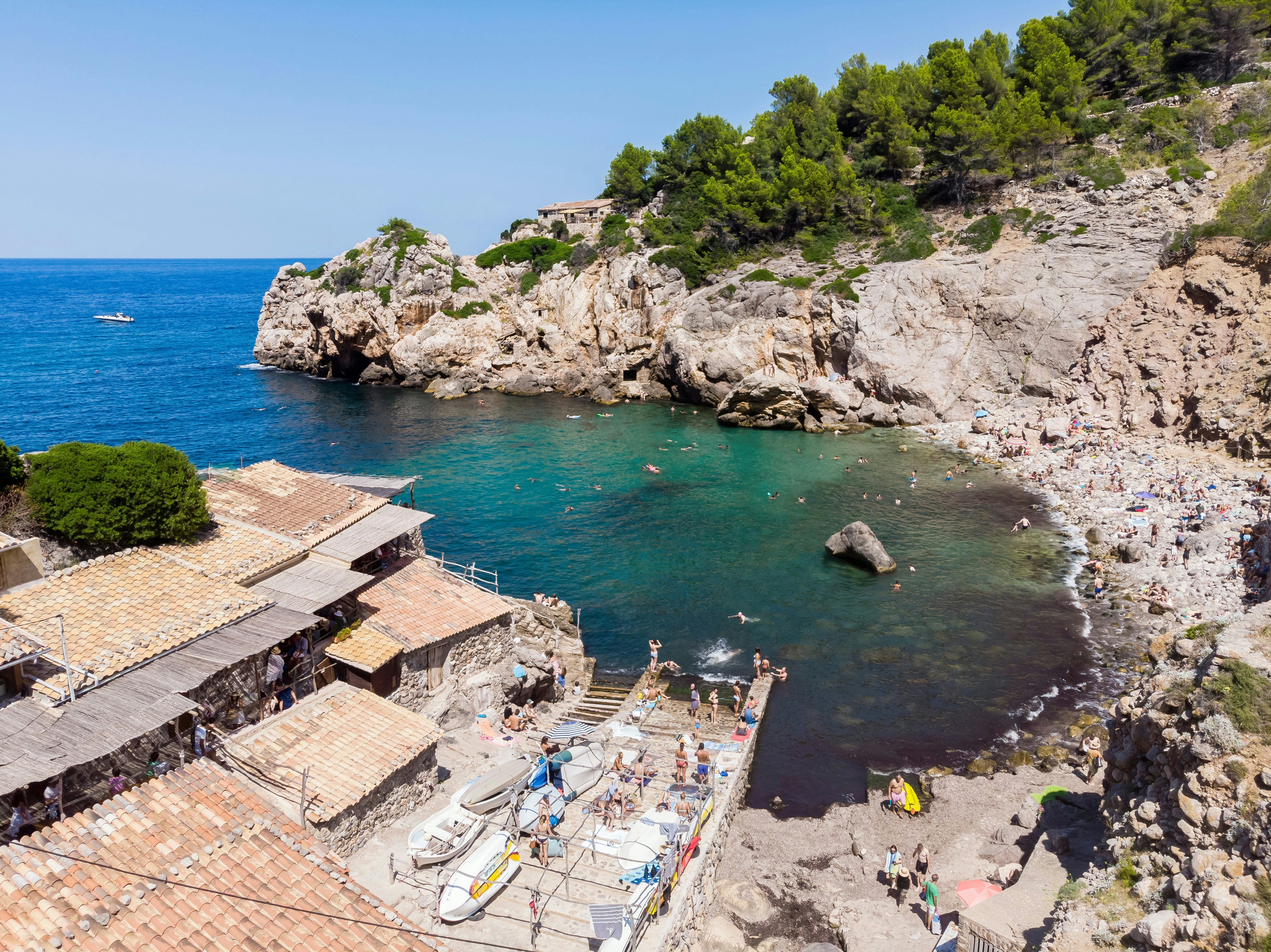
Cala de Deià is best reached via a steep 2.5km walk from the pretty village of Deià. The rocky cove is a hit with the international crowd, and rustic chiringuitos (snack bars) serve simple but pricey meals. Parking is difficult in high season, so consider hiking from the village or taking one of the buses from Deià that operate from May to October.
Planning tip: Head for lunch at Ca’s Patró March, a popular spot overlooking the sea.
15. Cala Banyalbufar
Best for waterfalls
Cala Banyalbufar is a rugged shingle-, pebble- and seaweed-scattered cove where you can swim or sip a cold one at the beach shack on the rocks and look out over the water. It's great for snorkeling, and there’s also a lovely waterfall nearby. To reach it, look for the steep steps down to the tiny harbor and traditional fishing huts.
Planning tip: Unless you arrive early, it's best to park in the village of Banyalbufar and walk down to the beach.

Northwest coast
16. Sa Calobra and Platja de Torrent de Pareis
Best pebble beach
This white pebbly bay, washed by clear waters, sits at the mouth of the Torrent de Pareis gorge. Sa Calobra actually consists of two distinct beach areas. The main cove, Platja de Sa Calobra, connects via a pedestrian tunnel to the more secluded Platja de Torrent de Pareis. The second beach lies where the imposing Torrent de Pareis gorge meets the sea, framed by 200m limestone cliffs.
Getting to Sal Calobra requires commitment. The single-access road (MA-2141) demands navigation through hairpin turns descending through the Serra de Tramuntana, which may make those with a fear of heights or prone to vertigo and car sickness feel queasy. Despite the tricky journey, Sa Calobra is incredibly popular, and in the summer, the small cluster of restaurants is usually busy by late morning.
Planning tip: If you can't stomach reaching this beach by road, you can take a ferry from Port de Sóller. The journey takes about 1 hour.
This article is adapted from the Mallorca and Spain guidebooks published in February 2025.
Advertisement
Take your Mallorca trip with Lonely Planet Journeys
Time to book that trip to Mallorca
Lonely Planet Journeys takes you there with fully customizable trips to top destinations – all crafted by our local experts.