Advertisement
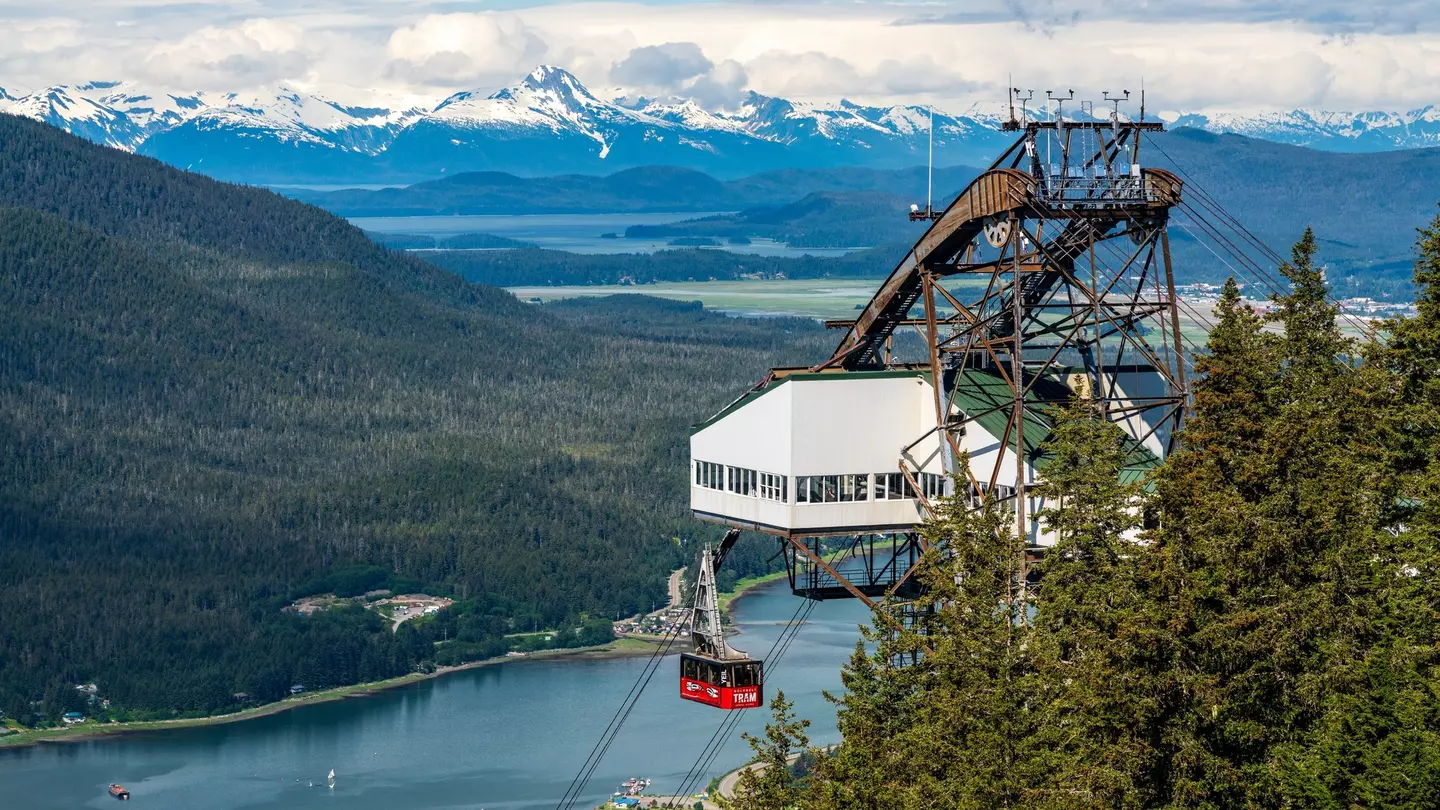
Passengers taking the Goldbelt Tram in Juneau, Alaska. Steve Heap/Shutterstock
There's no point in sugar coating it, getting around Alaska can be challenging. This the largest state in the USA with pretty extreme seasonal weather, so it can take longer than expected to get from A to B. Especially if you plan to visit coastal cities as well as the interior. The best way to see the best of Alaska is through a combination of transport options on both land and sea.
Driving around Alaska in a private vehicle provides independence, a cruise ship offers amenities and ease of travel, and the train provides a scenic route to your destination. With enough time and planning, it is also possible to get off the beaten path and experience real adventure in North America’s “Last Frontier.” Two weeks is a good amount of time to ensure you see all of the major sites.
Advertisement
Regardless of how you choose to travel, remember that the most consistent thing about the weather in Alaska is its inconsistency. Pack layers of non-cotton clothing that can be easily removed or added, and always have a good rain jacket and sturdy shoes suitable for walking on uneven terrain. Pack up your best outdoor gear and get ready for an adventure with our guide to getting around Alaska.
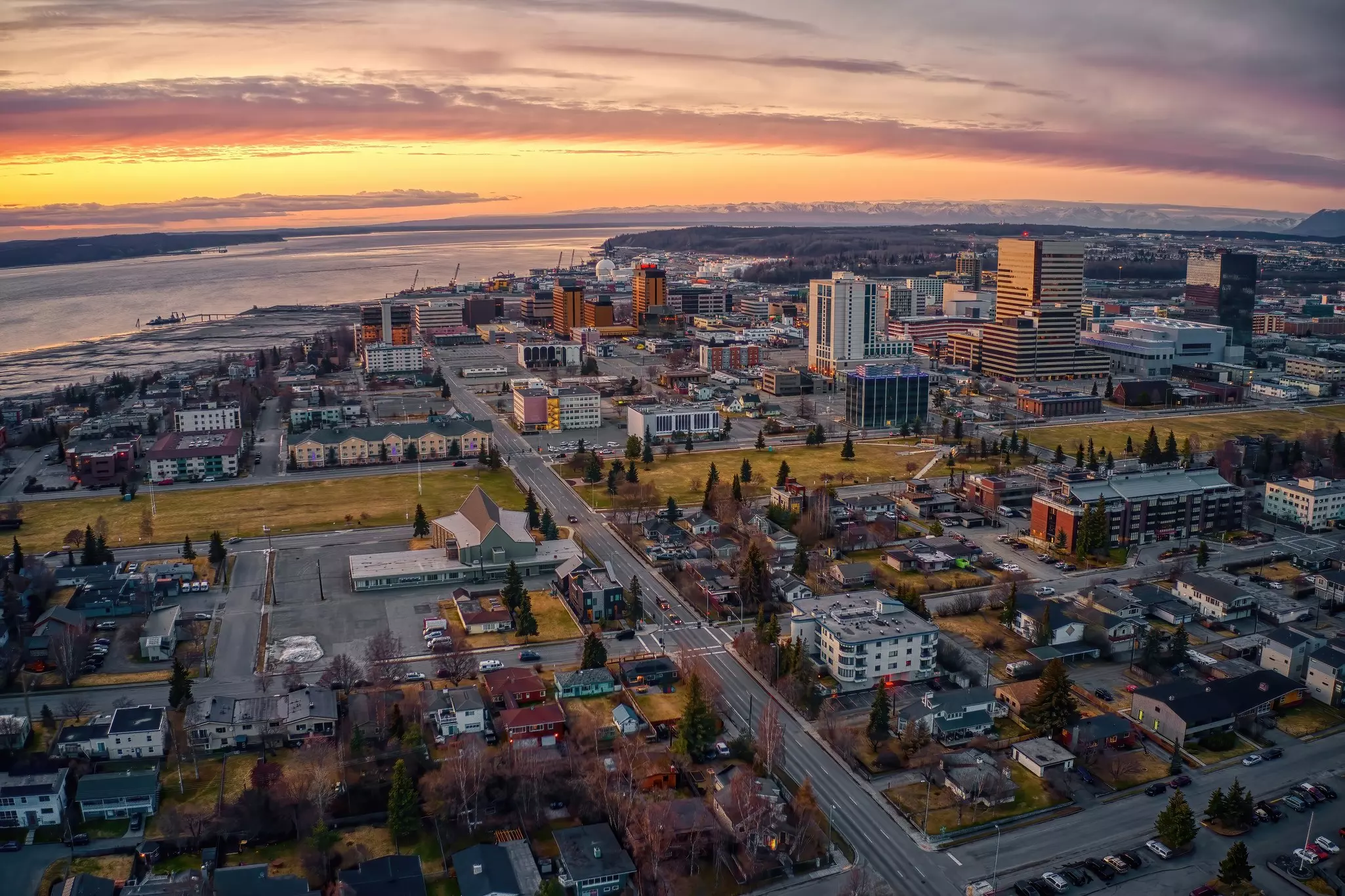
Anchorage is pretty easy to navigate
The biggest city in Alaska challenges the notion of where a city of a quarter million people ends and the wilderness begins. It’s not uncommon to see a moose wandering down the street while you’re out walking downtown, or biking and skiing the hundreds of miles of trails that are part of the city’s heart. Many trails then connect to Chugach State Park, which encompasses nearly a half million acres just outside the city limits.
The best options for getting around Anchorage are taxis, ride-shares like Uber, and a reliable bus network that serves the greater Mat-Su Valley. A one-ride adult ticket is 2 US dollars (US$); a day pass with unlimited rides is US$5.
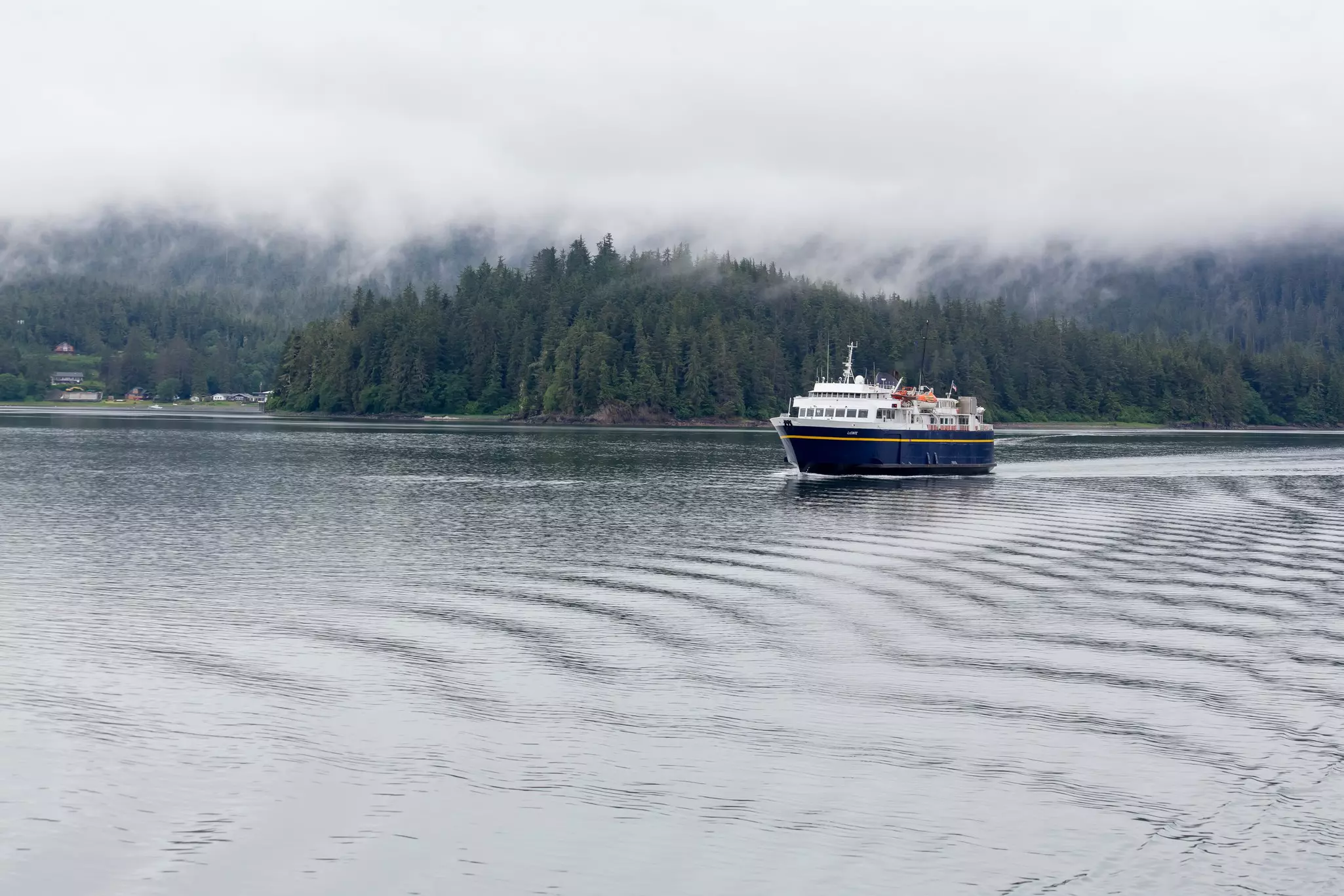
Take the Alaska Marine Highway ferry to sightsee for less
The Alaska Marine Highway System can be an excellent option if you have some extra time and can't afford a cruise. The ferry system has a terminal point in Bellingham, Washington, that traverses through the Inside Passage and is a great starting point. A walk-on ticket means just that: carrying only what you can. There are also car-ferry options throughout the southern coastal region of the state, with trip legs varying in length from a few hours to multiple days.
Alaska Marine Highway ferries are basic, offering minimum amenities for passengers – self-serve, cafeteria-style food is available for purchase. All vessels are ADA-compliant, and most offer single- or double-occupancy, bunk-style rooms for rest and relaxation.
However, you don’t necessarily have to pay extra for a cabin; instead, grab one of the first-come, first-served spaces on the top deck. Here, tents are taped down and lawn chairs become valuable real estate. The deck is transformed into a makeshift campground for the three-to-four-day journey through the remote communities in southeast Alaska and onward to Whittier – a port that also usually serves Anchorage and the Alaska Railroad. If you intend to spend time on deck, be sure to bring waterproof outer layers and non-slip, waterproof footwear, such as hiking boots.
Advertisement
While on board, keep an eye out for a variety of wildlife. Humpback whales, orcas, sea lions, bald eagles, puffins and a wide variety of fish and other birds ply the waters of Alaska. Consider traveling during the salmon runs to see bears gorging themselves in preparation for winter.
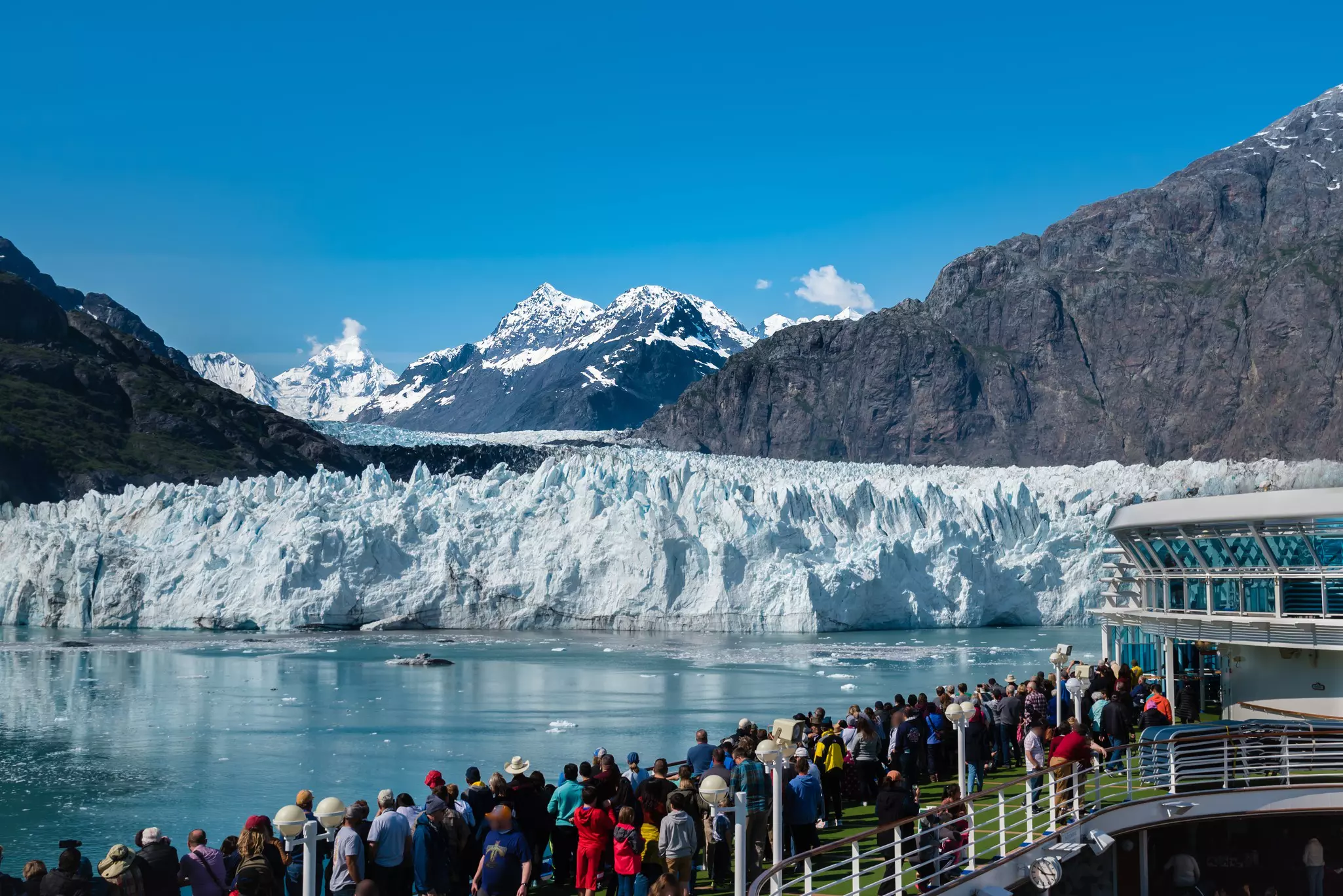
Consider a cruise if you like to travel in style
On an Alaskan cruise, you can visit a range of destinations with relative comfort and convenience, and most one-way itineraries last a week rather than the months that would be required over land. Today’s larger cruise ships stop in at least three ports, and each visit is packed with activities that give visitors an insight into Alaskan culture, history and attractions. Smaller vessels may not stop in local ports, instead anchoring at night and offering guests the chance to hike a remote shoreline or whale-watch in a kayak.
If you want to experience Alaska’s interior national parks as well, cruises can be combined with a land tour package either before or after sailing. Of course, you can also tack on a road trip of your own creation.
Summer is the peak season for cruises to Alaska, which means the highest prices, but it’s also the best time for wildlife viewing. If landscapes are your priority, consider sailing in the spring or early fall shoulder seasons to take advantage of deals.
Go on a "milk run" for scenic flight adventures on a budget
To reach more offbeat places not served by road without the cost of hiring a private plane, Alaska Air has larger aircraft that do “milk run” flights – making multiple stops through southeast Alaska to serve local communities with cargo and groceries. It's a window-seat lover’s dream as you fly above the glaciers.
Always starting in Anchorage or Seattle, there are milk runs to towns across the state, such as Cordova, Yakutat, Juneau, Sitka, Ketchikan, Wrangell and Petersburg, depending on the day. None of these towns are accessible by road; the communities are otherwise only reachable by sea. They are all interesting (and walkable) places to visit, with lodge accommodations and a wealth of outdoor adventures awaiting.
If you get as far north as Fairbanks, consider joining a flight-seeing tour over Gates of the Arctic National Park. These tours take you above the Arctic Circle and usually offer the option to land in a frontier town such as Coldfoot, or the native town of Kaktovik, known for its local polar bear population. The further north you venture, the better the chances of spotting the Northern Lights.
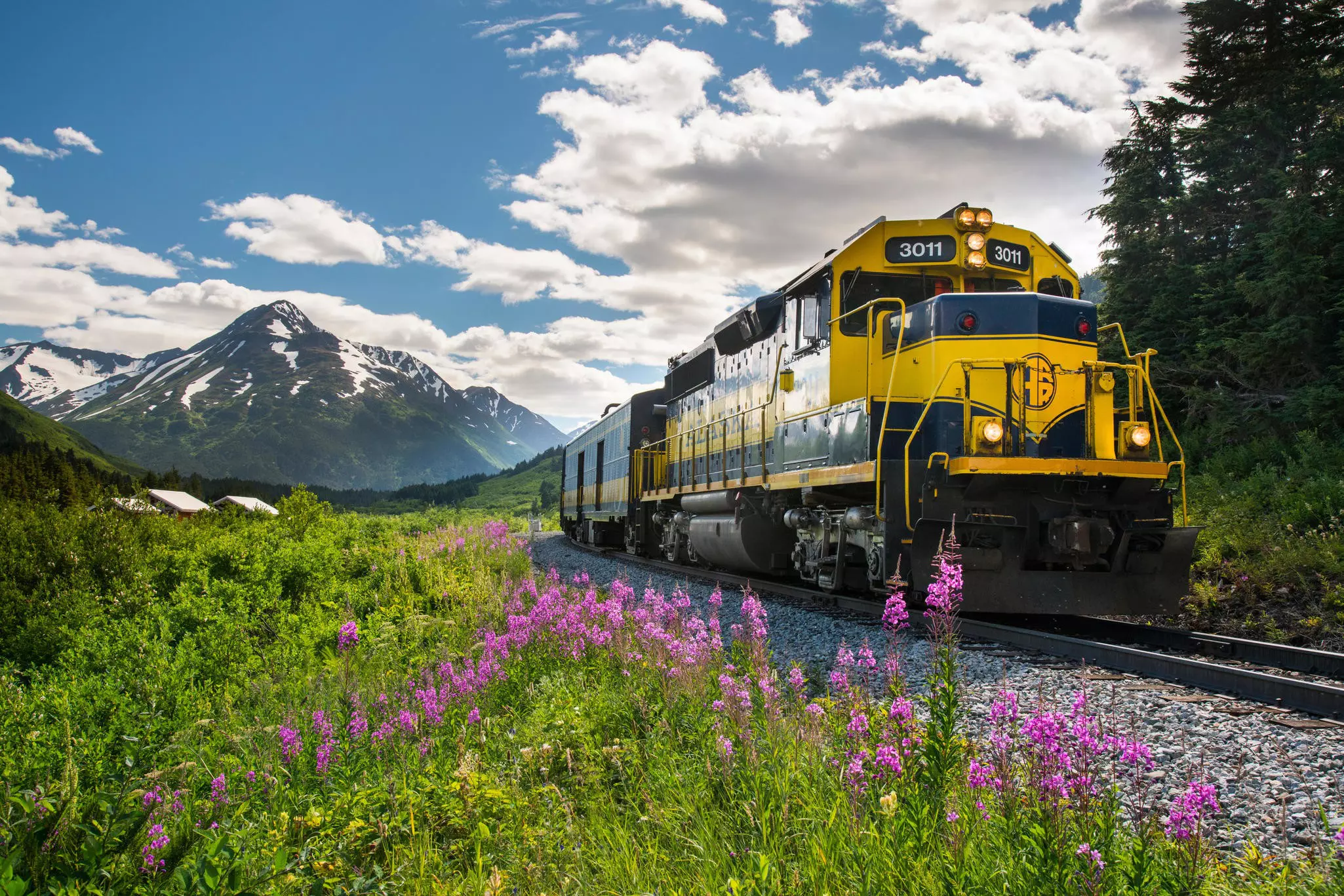
The train is a unique way to explore Alaska
The Alaska Railroad is centrally located in Anchorage and offers options both north to Denali and Fairbanks and south to Seward along the Kenai peninsula. The train is not only an ideal environmental option, it gives you an unbeatable view of the landscape (and yes, it does stop for wildlife). The leg between Anchorage and Seward is considered one of the top train rides in the world for its views.
Several trains also offer a whistle-stop service in their ticketing based on the mile marker where you want to stop, making it possible to hop-on and hop-off along many of the routes. When you wish to board you simply flag the train down on its return. It's an option that, with some planning, gives independent travelers the opportunity to reach remote communities, rivers and hikes off the beaten track – or what locals call “the rail belt.”
Don't count on buses beyond Denali National Park
Beyond the Park Connection buses to Denali National Park and a few other key towns, bus services for are limited in the state of Alaska. Within Denali itself, however, the park provides an exceptional tour service and is the best logistics solution for both day hikers and backcountry permit holders wishing to reach deep into the landscape.
If you plan to hike, and especially if you plan to camp, consider adding bear spray or bear bells to your usual gear list. Moose, bears, reindeer and caribou all call the park home, so safety is an essential factor to keep in mind.
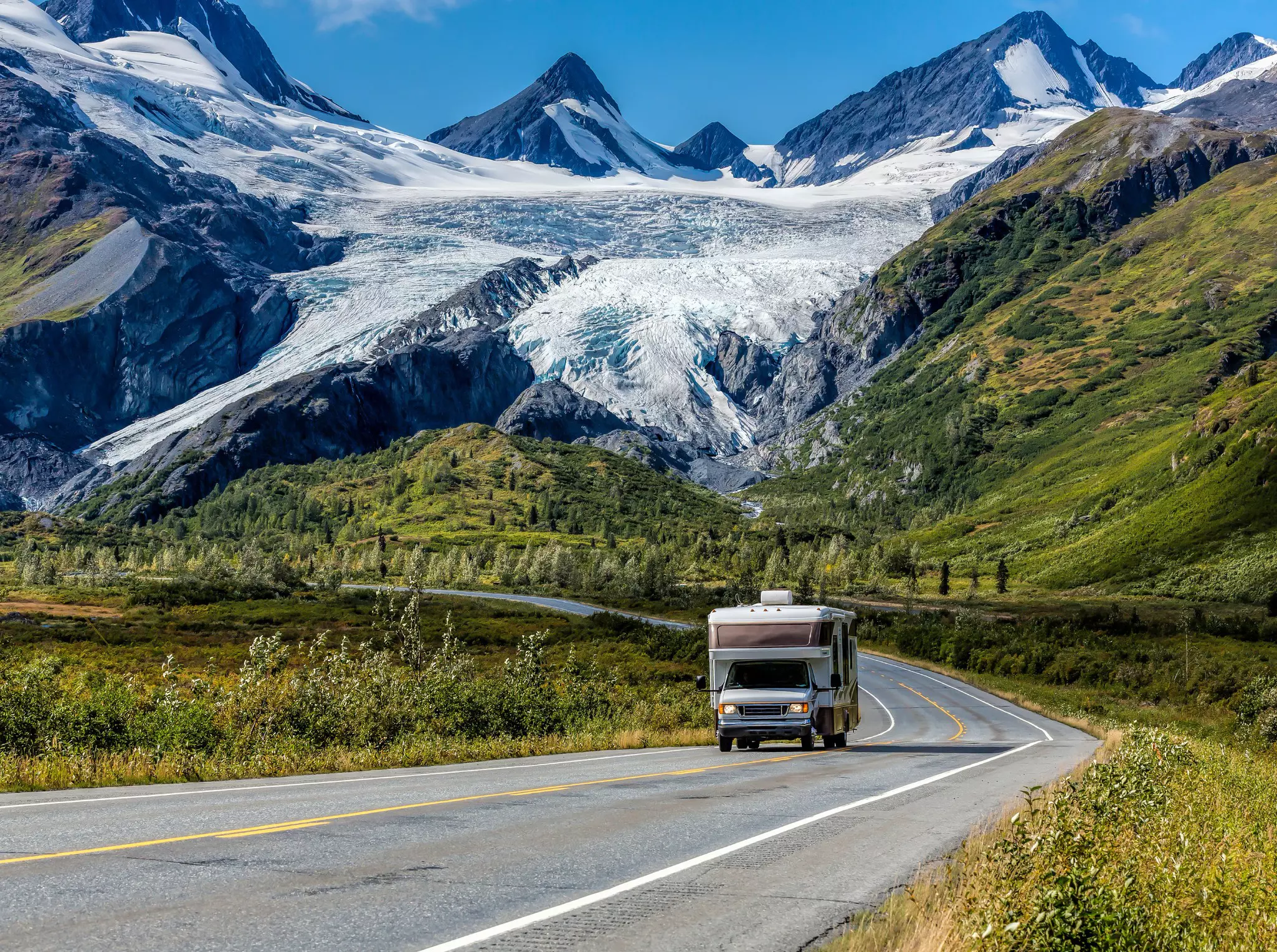
Consider renting an RV instead of a car
A road trip is hard to beat when it comes to exploring a new destination, and Alaska is perfect for this time-honored tradition. Wildlife, incredible views and charming small towns appear around every corner, the landscape is breathtaking, and there’s a never-ending list of fun things to see and do.
Car rental in Alaska is far pricier during the busy summer travel season of May through September than in more populous states further south. When you consider the additional cost of accommodation, some travelers (especially families) find renting an entire RV can be comparable. Be sure to obey all traffic laws and follow regulations to keep an appropriate distance from animals.
If you’re considering traveling to Alaska off-season, remember that winter here is especially harsh. Even in southern areas, expect snow and below-freezing temperatures.
Only a few rental companies allow their vehicles to be driven on the Denali Highway, which connects Paxson and Cantwell Junction, because most of the road is unpaved. Be sure to double-check when making your reservation. Within Denali National Park (which is not the same as Denali Highway), park buses provide transport to most trailheads and the backcountry. There is ample parking for day visitors.
Advertisement