Advertisement
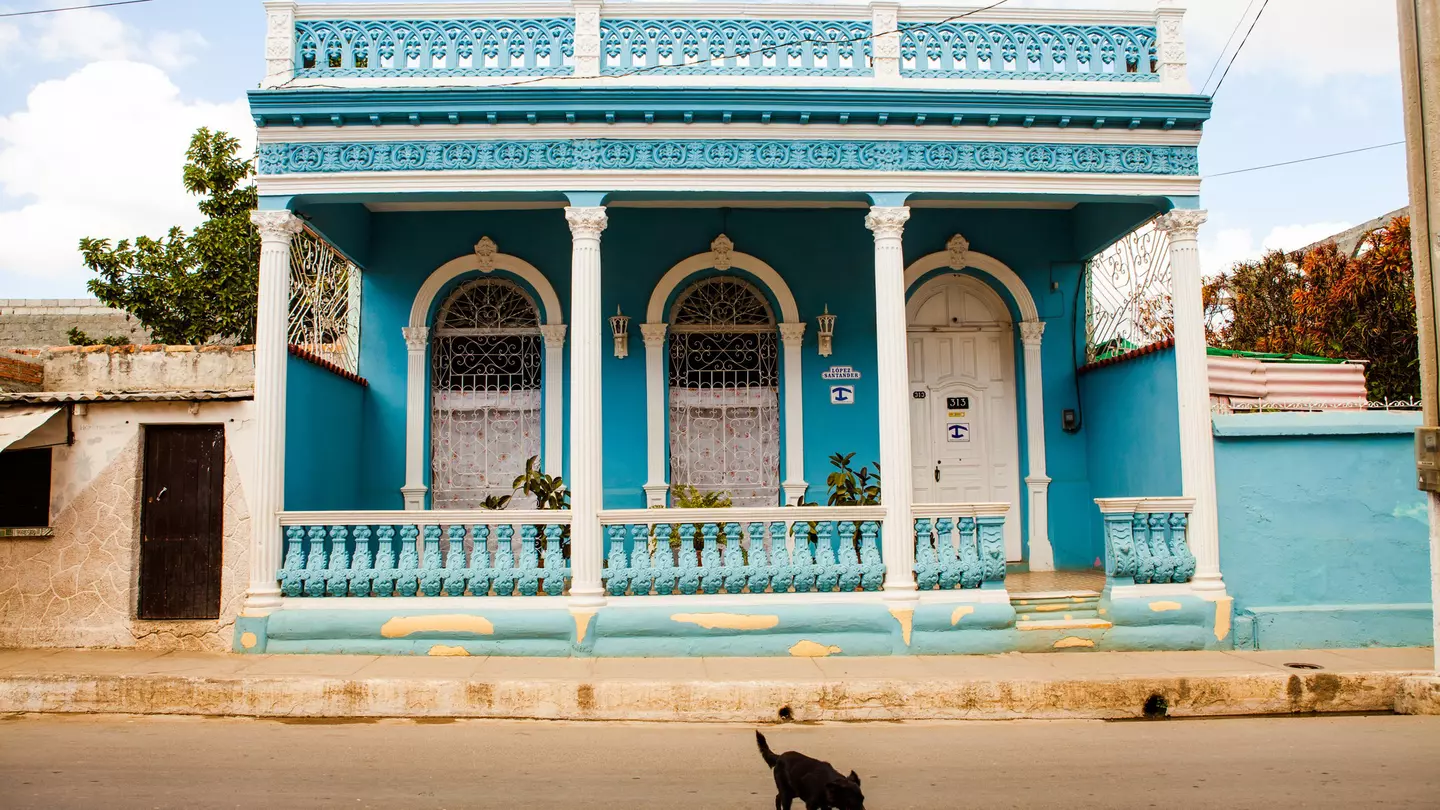
A casa particular (private accommodation) in Trinidad, Cuba. lena-wurm/Shutterstock
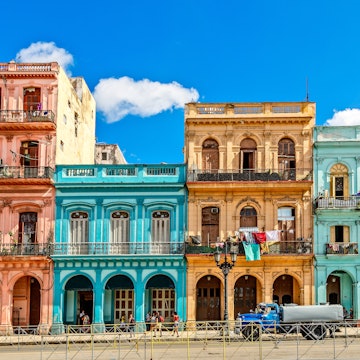
Visitors to Cuba will find a wide array of accommodation options, from Havana’s swank and historic Hotel Nacional to humble homestays in the bucolic countryside. Yet as with most aspects or traveling to this country, finding and booking the right place to stay isn’t always straightforward.
We’re here to help.
Your biggest decision will be whether to opt for a privately run casa particular (private homestay) or a state-owned hotel. Casas range from simple family homes where you may have to shimmy around a bicycle on the front porch to get to your room, to more professional self-contained apartments. State-run properties include converted colonial palaces and all-inclusive beachside resorts.
Advertisement
From there, booking isn’t always straightforward – but it’s not as hard as you might think. Here’s all you need to know about accommodation options in Cuba, and how to book them.
Casas particulares (private homestays)
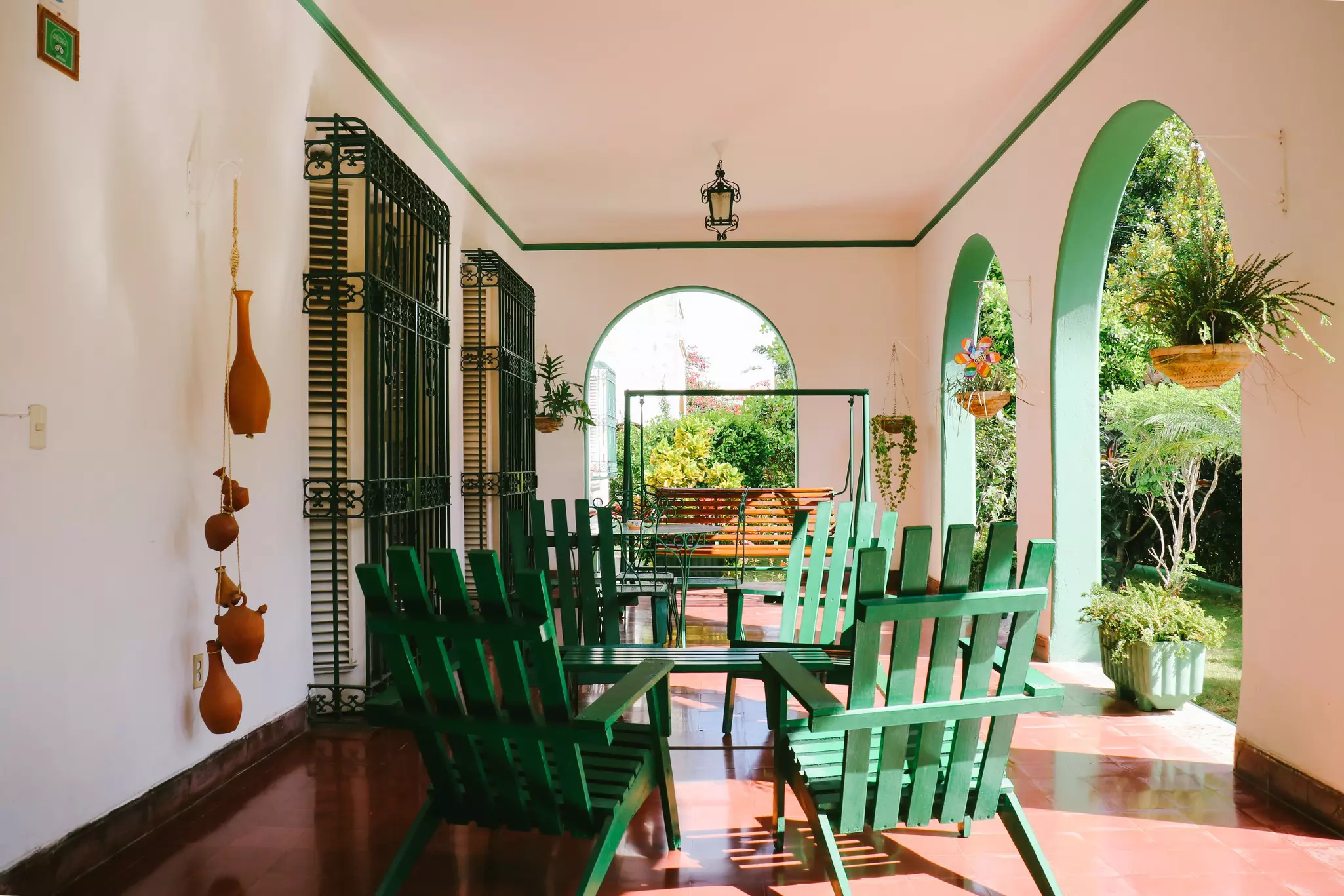
Casas particulares are arguably the best accommodation option for independent travelers in Cuba. Staying in these secure establishments, many family-run, is a great way of meeting locals and other travelers. They offer an authentic and uncensored view of an often-opaque country, and can enhance your understanding and appreciation of Cuba – and of the Cuban people – as a result.
What’s more, a stay at a casa particular puts money directly into the pockets of private individuals, many of whom have struggled to make a living during Cuba’s ongoing economic crises. Bank on relatively reasonable prices for standard no-frills casas, starting at the equivalent of US$25 a night in the provinces and going up to US$80 or US$100 in some of the nicer places in Havana.
From their inception in the mid-1990s until the early 2010s, casas were heavily regulated and limited in what they could offer. With the loosening of restrictions in 2011, the goalposts were widened. These days, you can stay in fancy penthouses and carefully restored historical homes, although most houses are still family residences that rent out a few rooms.
Casas act as important information portals, with hosts helping first-time visitors navigate Cuba’s confusing culture and economy. Owners also make excellent unofficial tour guides and can usually arrange a number of extra activities, from taxis to nature walks to private dinners.
Houses that rent generally display a blue insignia or sign on the door marked “Arrendador Divisa.” There are thousands of casas particulares all over Cuba – although some of them have ceased operating or have temporarily suspended their services given economic and political developments.
Owners pay a monthly tax per room depending on location and must keep a register of all guests. Each new arrival has to be reported to the authorities within 24 hours. For this reason, you’ll be requested to produce your passport (not a photocopy) when you arrive.
Recent reports have noted an uptick in government restrictions around casas particulares, with inspections more frequent and authorities highly attuned to tax evasion. Understand that this may affect the mood of some hosts.
Advertisement
What to expect in a casa particular
Those same government inspections also ensure that conditions inside casas remain clean, safe and secure. Hot showers are required to be available. Most proprietors offer breakfast and dinner for an extra rate (usually the equivalent of US$5 and US$10 respectively). In general, rooms these days provide at least two beds (one is usually a double), fridge, air-conditioning, fan and private bathroom. Bonuses might include a terrace or patio, private entrance, TV, safe, mini-bar, kitchenette and parking space.
In the last few years, many casas have started offering wi-fi – although the signal might be weak and only available at certain times. Similarly, some of the more successful houses have expanded and become more businesslike, operating more like small private hotels.
Booking and paying for a casa particular
To minimize the amount of cash you take to Cuba, it is handy to book and pay for your casa particular in advance. You can search and fully pay for casa accommodations on Airbnb and Expedia (though not on Booking.com). Alternatively, you can make direct contact with the owner through email or WhatsApp. Some owners will be able to set up payment via PayPal or even Bitcoin.
If you’re paying in person, foreign cash is generally accepted, with euros the preferred currency. Don’t count on being able to pay with a credit card.
Hotels in Cuba
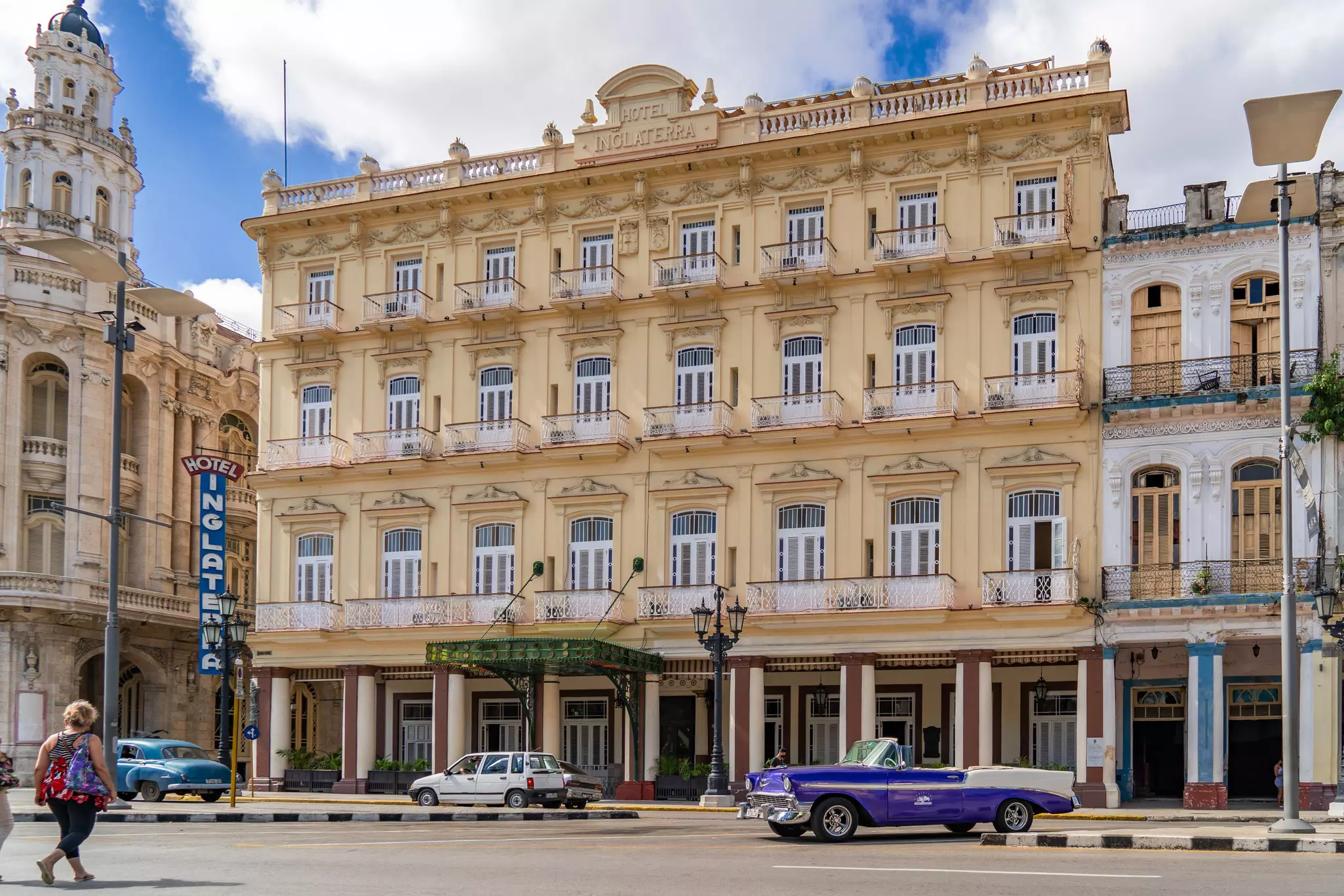
All tourist hotels and resorts are at least 51% owned by the Cuban government and are administered by one of four main organizations.
Islazul is the cheapest option. Mostly used by budget-minded Cubans, the brand manages hotels in Cuba’s smaller provincial towns, often in ugly Soviet-style buildings from the 1960s and ‘70s. Beware the blaring on-site discos that often keep guests awake until the small hours.
A step up, Cubanacán offers a mix of midrange and top-end establishments in cities and resort areas. The company’s best options are its reasonably priced boutique-style hotels (packaged under the Encanto brand) that embellish attractive city centers in places like Sancti Spíritus, Remedios, Camagüey and Santiago.
Gaviota manages higher-end resorts in all-inclusive zones. They also oversee Havana’s two-dozen or so historic hotels encased in handsome old buildings in Habana Vieja.
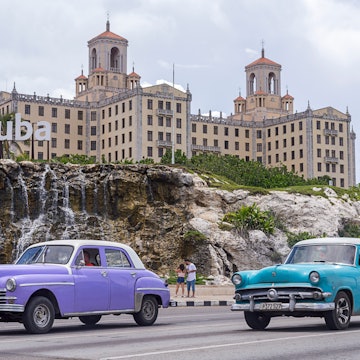
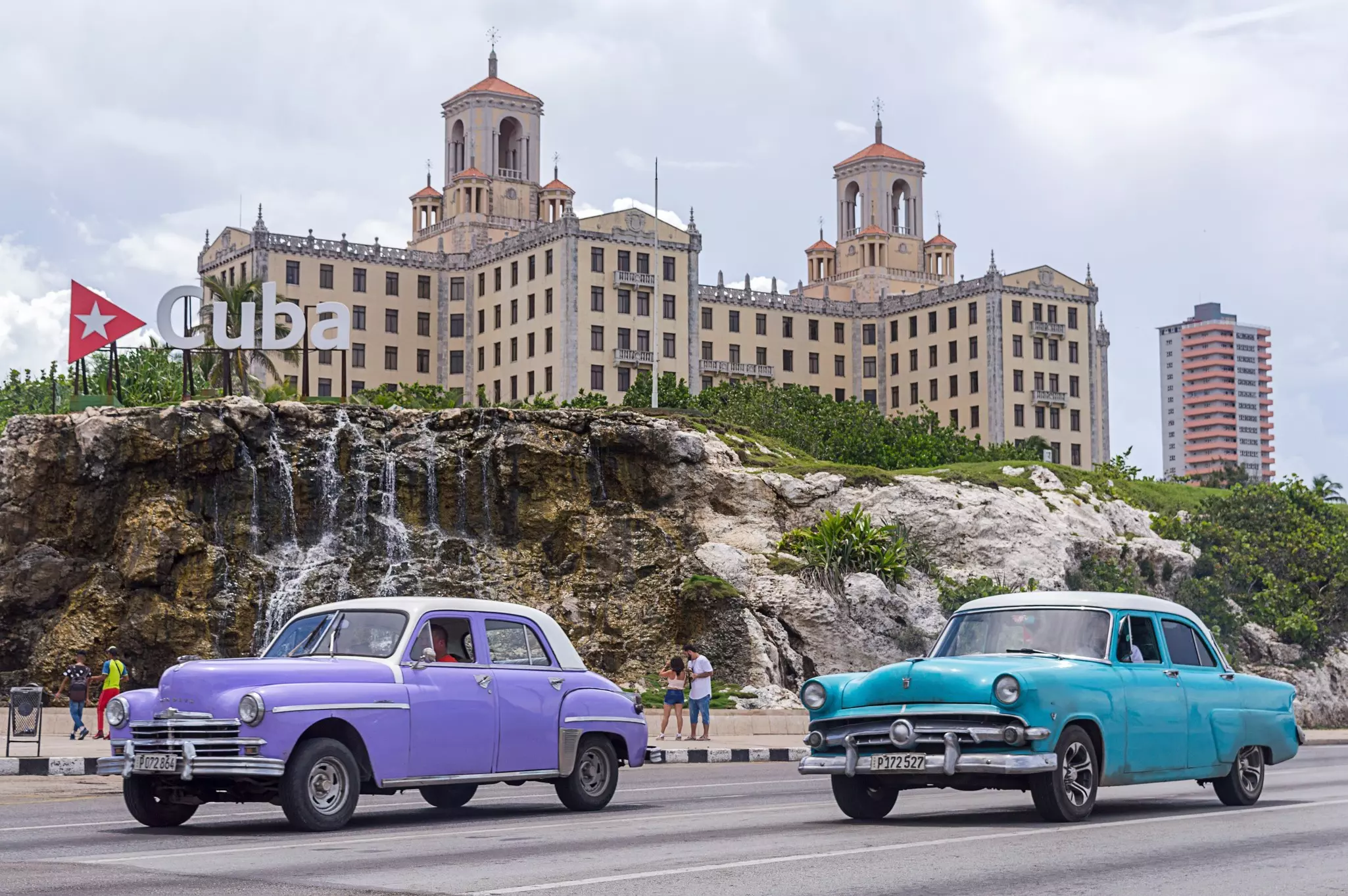
Gran Caribe handles midrange to top-end hotels, including the emblematic Hotel Nacional in Havana.
At the top end of the hotel pyramid, you’ll often find foreign hotel brands running all-inclusive properties, mainly in resort areas, in partnership with Cubanacán, Gaviota or Gran Caribe. The standards and service at these types of places are not unlike at resorts in Mexico and the rest of the Caribbean. Hotel chains with a strong presence in Cuba include Meliá, Royalton, Iberostar, MGM Muthu, NH Hotel Group and Kempinski.
Booking and paying for hotels
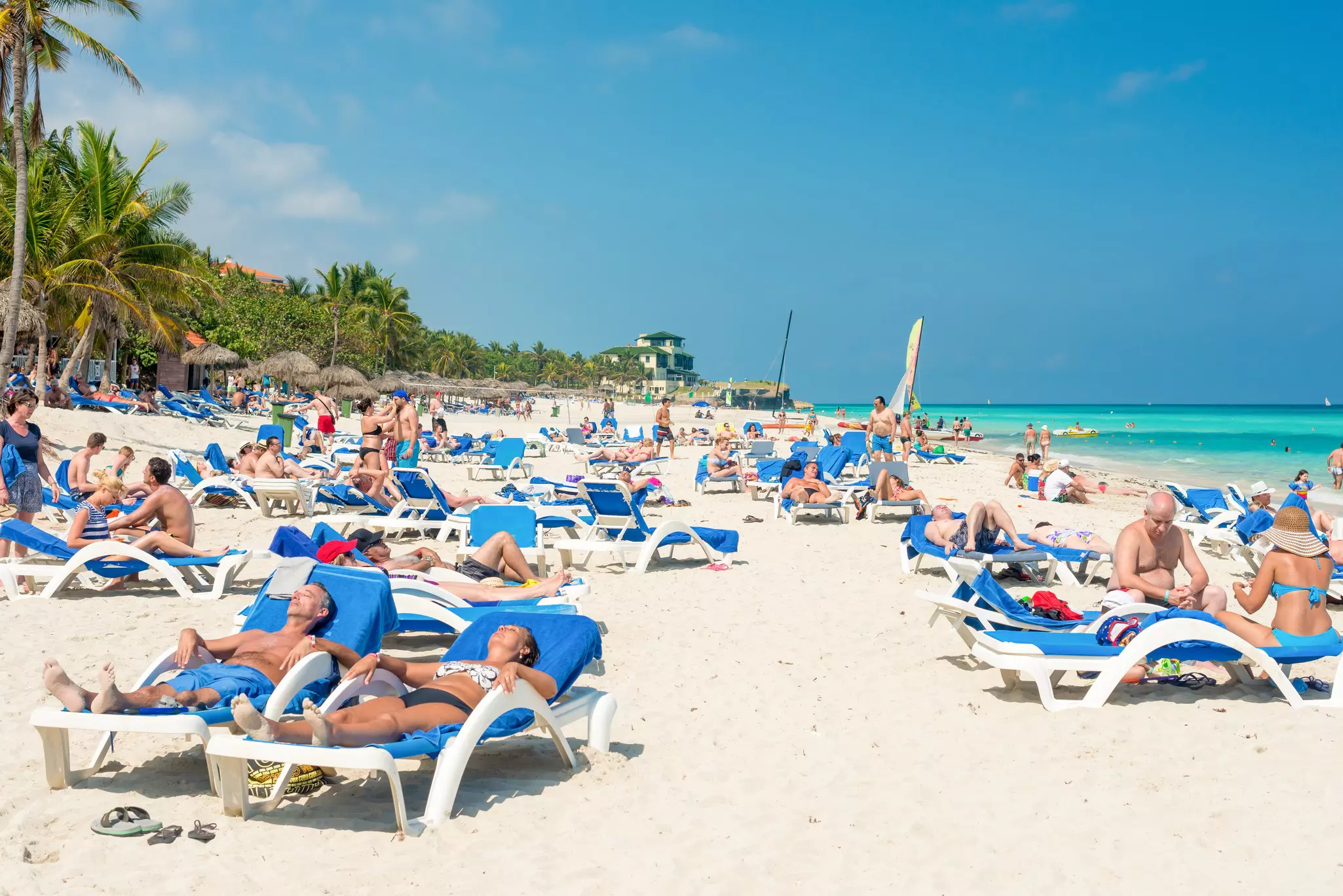
In almost all cases, you’ll book all-inclusive resorts in advance as part of a package holiday, with flights, meals and airport transfers included. Factors swaying your decision will be price, the brand of the hotel (Kempinski, Iberostar, etc), the type of facilities (adults-only versus family-friendly, for example) and which resort area you’d like to stay in. Varadero, Cayo Santa Maria, Cayo Coco and Holguín are Cuba’s most popular hotel zones.
State-run hotels display their prices in Cuban pesos. If you’re paying in person, you’ll need a non-US credit card and will be charged at official Cuban bank exchange rates.
Campismos (camps)
Campismos are where Cubans go on vacation. More than mere campsites, most of these installations – there are over 80 of them throughout the country, mostly in rural areas – are simple concrete cabins with bunk beds, foam mattresses and cold showers. About half a dozen campismos are ranked “internacional,“ meaning they’re open to non-Cubans and are a little more upscale, with air-con, hot water and/or linens.
Listings can be found on the website CampismoPopular.cu. Every provincial city in Cuba has a campismo office where you can book ahead. Cabin accommodations in international campismos cost from the equivalent of USD$20 to USD$60 per bed per night.
When is the cheapest time to book a hotel in Cuba?
Rates at casas particulares don’t fluctuate much, while hotel prices oscillate seasonally as in the rest of the Caribbean. The high season is mid-November to late March. The low season is generally mid-September to mid-November and April to June (Easter week is an exception). Rates reach their absolute peak around Christmas and New Year’s, with a 25% premium over standard high-season prices.
New hotel developments
To address surging tourist demand in the last 15 years, Cuba launched a spree of hotel building. While tourist numbers have recently declined given political and economic conditions, many of these properties are now online.
A couple of new ventures now operate on Cayo Guillermo in Ciego de Ávila Province, including Cuba’s first LGBTQ+ hotel, the Muthu Rainbow. Further east along the coast lies Cayo Cruz, an entirely new tourist island with three resorts to date.
Havana has sprouted several new five-star hotels in recent years, including two historic hotels in Plaza de San Francisco de Asís in Habana Vieja; the Royalton in Centro Habana; and Hotel Grand Aston on the Malecón in Vedado. A 40-story hotel in Vedado that is Cuba’s tallest building, Torre K opened (to considerable controversy) in early 2025.
Advertisement